Persistent knee joint pain can make the vibrant life in Sharjah feel out of reach. Simple pleasures—like walking along the Al Majaz Waterfront, shopping at the Central Souq, or enjoying family gatherings—can become overwhelming challenges when every step causes discomfort. If chronic knee pain has restricted your lifestyle and non-surgical therapies no longer provide relief, it may be time to seek a specialist. Finding a highly qualified professional can significantly impact your recovery journey.
This comprehensive guide explains the essentials of joint restoration and helps you understand what to look for when choosing among the top rated knee replacement surgeons to restore your active lifestyle.
What Is Knee Replacement Surgery?
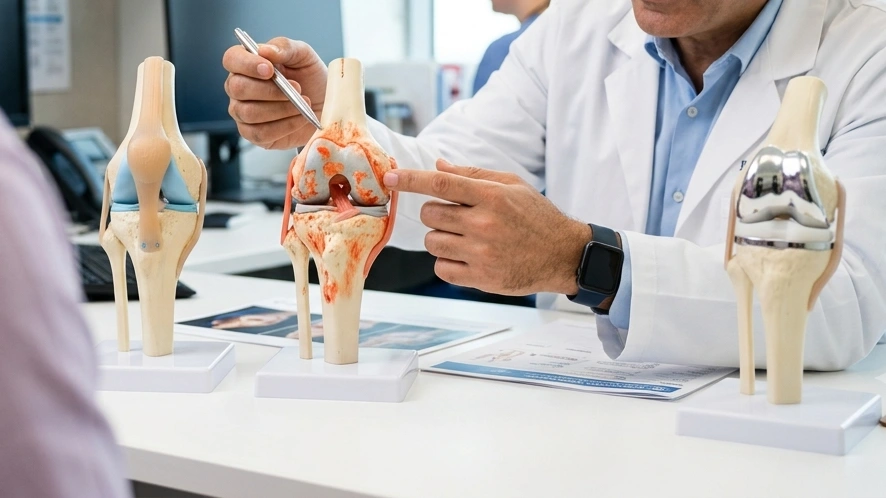
Knee replacement surgery, or knee arthroplasty, is a safe surgical procedure designed to resurface a severely damaged knee joint. The primary objective is to eliminate chronic pain and restore fluid physical mobility.
When cartilage wears away, the bones of the joint rub directly against each other, creating friction that leads to swelling, stiffness, and pain. During the procedure, an orthopedic specialist removes the damaged bone and cartilage from the surface of the thighbone (femur) and shinbone (tibia). These surfaces are then replaced with biocompatible artificial components, typically constructed from premium metal alloys and high-grade polymers. Depending on your specific joint anatomy and damage profile, you may need a consultation with a specialist to determine if a full or partial replacement is most appropriate.
Common Knee Disorders That Require Joint Arthroplasty
While the human knee is highly resilient, several degenerative conditions can degrade its structural integrity. Working with the best knee replacement surgeon allows for an accurate diagnosis of the underlying pathology affecting your joint.
- Osteoarthritis: The most common cause of joint degradation, often called “wear-and-tear” arthritis. It involves the progressive breakdown of protective articular cartilage, typically affecting patients over the age of 50.
- Rheumatoid Arthritis: An autoimmune disorder where the body’s immune system mistakenly attacks the synovial membrane surrounding the joint. This chronic inflammation thickens the synovium, eventually destroying the cartilage and bone.
- Post-Traumatic Arthritis: This condition can develop years after a severe knee injury, such as a fractured bone or torn ligaments, which alters joint mechanics and accelerates cartilage wear.
- Avascular Necrosis (Osteonecrosis): Occurs when the blood supply to a section of bone is disrupted, causing bone tissue to die and the joint surface to collapse.
How to Prepare for Your Joint Surgery
Thorough preparation helps minimize recovery times and reduces the likelihood of complications. Your clinical team will provide a comprehensive pre-operative checklist tailored to your health profile.
Medical Optimization and Planning
Before scheduling your procedure, you will undergo an extensive medical evaluation. This includes blood tests, an electrocardiogram (ECG), and precise diagnostic imaging to assess your overall health. Your physician will review your current medications and may advise adjusting or temporarily pausing specific prescriptions, such as blood thinners or anti-inflammatory drugs.
Preparing Your Home Environment
Modifying your living space before your procedure can significantly improve comfort and safety during early recovery:
- Install secure safety handrails or a stable grab bar in your shower or bath area.
- Procure a stable, elevated chair with two firm arms and a supportive backrest.
- Remove loose rugs, electrical cords, and other potential tripping hazards from walking paths.
- Set up a comfortable living space on the ground floor to avoid climbing stairs during the first few weeks.
What Happens During the Surgical Operation?
Understanding the precise steps of a joint restoration procedure can help ease anxiety and set realistic expectations for your hospital stay.
- Anesthesia Administration:Pre-Operative Phase.
The medical team administers anesthesia to ensure complete comfort. Patients typically receive either general anesthesia (remaining asleep throughout) or spinal anesthesia (numbing the body from the waist down along with a light sedative). - Excision of Damaged Tissue: Surgical Excision.
The surgeon makes a precise incision over the front of the knee. The damaged cartilage and a minimal amount of underlying bone are carefully removed, preserving as much healthy bone structure as possible. - Implant Fitting and Fixation: Prosthetic Placement.
The metallic and polyethylene prosthetic components are securely fitted to the prepared bone surfaces using medical-grade bone cement or specialized press-fit technology that encourages natural bone growth. - Incision Closure and Assessment: Post-Operative Phase.
The surgeon checks the joint’s alignment and range of motion. The soft tissues and skin are then closed with precise sutures or surgical staples, and a sterile dressing is applied.
How Long Does Knee Replacement Surgery Take?
The procedure typically takes between 1 to 2 hours to complete. This timeline can vary slightly depending on the complexity of the joint anatomy and whether the patient requires a total or partial joint reconstruction.
Discover more about non-surgical and surgical knee treatment offered by Dr Ahmed Azmy in Sharjah.
The Path to Recovery: Timeline and Rehabilitation
Modern orthopedic techniques favor early mobility. Most patients are encouraged to stand and take a few steps with assistive devices within 24 hours of their procedure to stimulate blood circulation and prevent joint stiffness.
Dedicated physical therapy is essential to successful recovery. Your therapist will guide you through tailored exercises designed to rebuild quadriceps strength, improve flexibility, and restore a natural walking gait.
Discover what Dr Azmy’s patients say about their treatment journey with him and read their reviews and testimonials.
Choosing Among the Top Rated Knee Replacement Surgeons in Sharjah
Selecting the right specialist is a highly important decision. To ensure optimal surgical outcomes and a smooth recovery, look for specific professional qualifications when evaluating specialists.
When searching for the best knee joint replacement surgeon, consider the following criteria:
- Board Certification and Fellowships: Ensure the physician holds recognized international qualifications and advanced fellowship training explicitly focused on adult joint reconstruction.
- Surgical Volume: Research shows that specialists who perform a high volume of joint replacements annually consistently achieve higher success rates and lower complication rates.
- Commitment to Patient-Centric Care: Choose a medical professional who takes the time to thoroughly explain your options, evaluate your lifestyle goals, and design a customized rehabilitation protocol.
Essential Questions to Ask During Your Consultation
- What percentage of your practice is dedicated explicitly to joint reconstruction?
Am I a candidate for a less invasive option, or should I see partial knee replacement surgeons? - What specific type of prosthetic design and fixation method do you recommend for my activity level?
- What is your personal clinical success rate and infection rate for this procedure?
- What does the post-operative physical therapy schedule look like at your facility?
Get in touch or schedule your visit with ease through the patient connection hub.
Why Dr. Ahmed Azmy is a Trusted Choice for Knee Arthroplasty
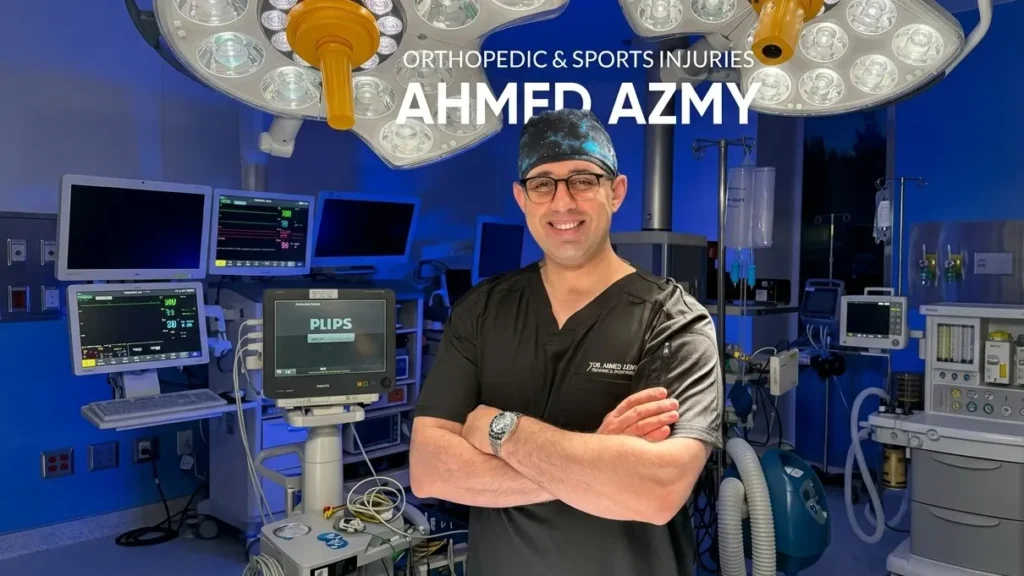
For residents seeking advanced joint care, Dr. Ahmed Azmy stands out among the top rated knee replacement surgeons serving patients from Sharjah. With extensive experience in complex joint reconstructions, Dr. Ahmed Azmy combines advanced surgical techniques with a compassionate, patient-first approach.
Dr. Ahmed Azmy prioritizes tissue-preserving techniques that minimize post-operative discomfort and accelerate your recovery timeline. Whether you require a comprehensive total joint reconstruction or a targeted partial replacement, his clinical focus is centered on restoring your joint function safely and effectively. By utilizing modern diagnostic planning and individualized rehabilitation pathways, Dr. Ahmed Azmy ensures that every patient receives the precise care necessary to return to an active, pain-free life.
Begin Your Journey toward Lasting Joint Relief
You do not have to live with chronic, limiting knee pain. Advanced medical treatments can help you reclaim your mobility and return to the activities you enjoy. Consulting with an experienced joint specialist is the first step toward long-term relief and improved quality of life.
If you are ready to address your chronic joint discomfort, schedule a comprehensive diagnostic consultation with Dr. Ahmed Azmy.
FAQs about top rated knee replacement surgeons
What are the five mistakes people make after knee replacement?
The five most common post-operative mistakes include neglecting daily physical therapy exercises, pushing your body too fast before tissues heal, skipping prescribed pain medication (which can limit your ability to participate in rehabilitation), failing to use assistive walking devices as advised, and ignoring early signs of potential complications like sudden calf swelling or redness around the incision.
What is the newest knee replacement option?
The newest advancements focus on robotic-assisted joint surgery and personalized 3D-printed cutting guides. These technologies allow surgeons to pre-plan the operation with exceptional accuracy, ensuring optimal implant alignment and balancing soft tissues based on your unique anatomy.
Is knee replacement 100% successful?
No surgical procedure carries a absolute 100% guarantee, but knee arthroplasty has a highly documented success rate. Over 90% to 95% of patients experience a significant reduction in pain and a major improvement in their physical mobility when the procedure is performed by a qualified specialist.
What is the biggest complaint after knee replacement?
The most frequent complaint during the early recovery phase is temporary stiffness and swelling, particularly at night. This discomfort is normal and gradually improves over several months with consistent physical therapy, proper icing protocols, and elevating the limb.
How to choose a knee replacement surgeon?
When evaluating specialists, look for an orthopedic surgeon who is board-certified, has completed a dedicated fellowship in joint reconstruction, and maintains a high annual case volume. It is also beneficial to choose a doctor who communicates clearly and works alongside a dedicated physical therapy team.
Final words about top rated knee replacement surgeons
Chronic knee pain can significantly limit your daily life, but it does not have to be a permanent condition. By working with the top rated knee replacement surgeons, you can access advanced medical care tailored to your specific physical needs.
Taking the time to understand the procedure, prepare your home, and select an experienced specialist like Dr. Ahmed Azmy can set you up for a highly successful clinical outcome. Reclaiming your mobility begins with a single step. Explore your treatment options and schedule a consultation with Dr. Ahmed Azmy today to start your journey toward a comfortable, active lifestyle.