
Assess your pain
Advanced Sports Injury Surgery · Sharjah, UAE

Ligament Reconstruction and Repair Surgery by Dr. Ahmed Azmy

Dr. Ahmed Azmy offers expert ligament reconstruction and repair procedures in Sharjah, UAE, combining advanced surgical techniques, sports medicine expertise, and structured rehabilitation to help patients regain stability, restore function, and return confidently to an active lifestyle.
15+ Years Experience 40,000+ Patients Treated 2,500+ Advanced Procedures
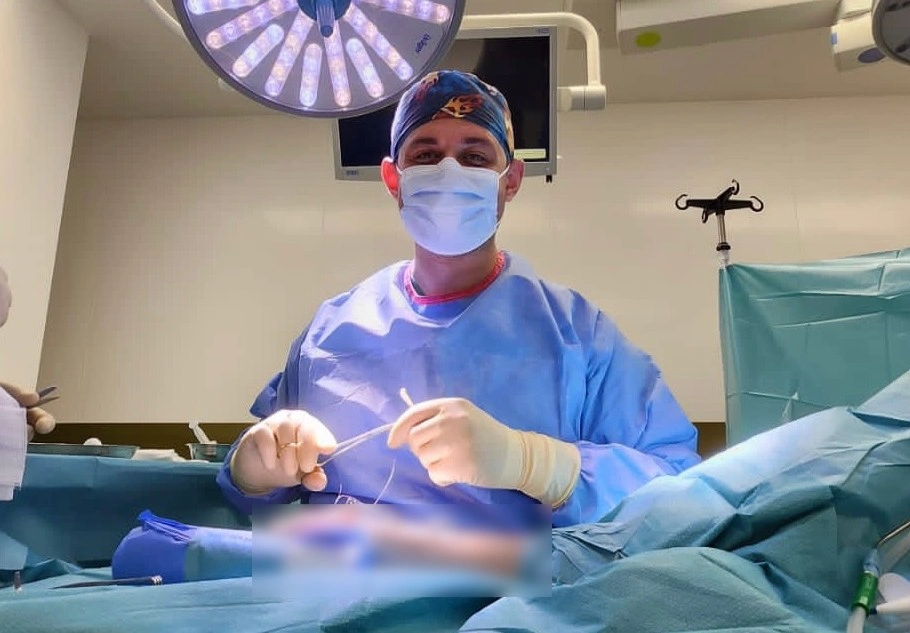
Dr. Ahmed Azmy performing Ligament Reconstruction and Repair Surgery in Sharjah
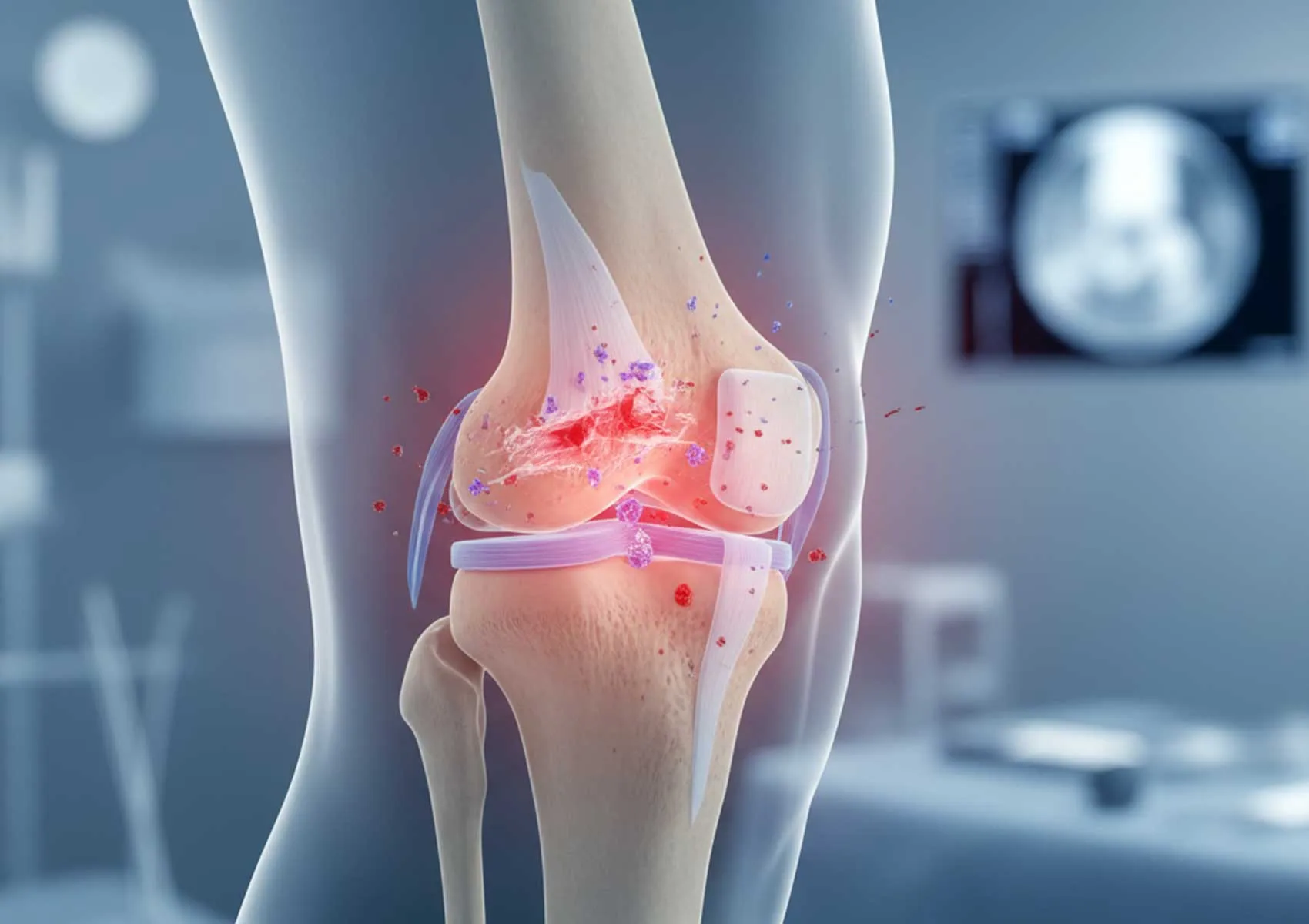
Ligament reconstruction medical illustration
Surgical Goal Restore Stability Repair · Reconstruct · Rehabilitate
Procedure Overview

What Is Ligament Reconstruction and Repair?

Ligament reconstruction and repair are advanced surgical procedures used to restore joint stability after a significant ligament injury. Ligaments are strong bands of connective tissue that connect bones and help control normal joint movement. When a ligament becomes severely damaged, stretched beyond its healing capacity, or completely torn, surgical intervention may be required to restore stability and function.

While ligament repair focuses on preserving and repairing the existing ligament tissue, ligament reconstruction involves rebuilding the damaged ligament using a graft. Modern ligament reconstruction and repair techniques are commonly used for sports injuries, recurrent instability, and complex ligament damage affecting the knee, shoulder, and other major joints.

01

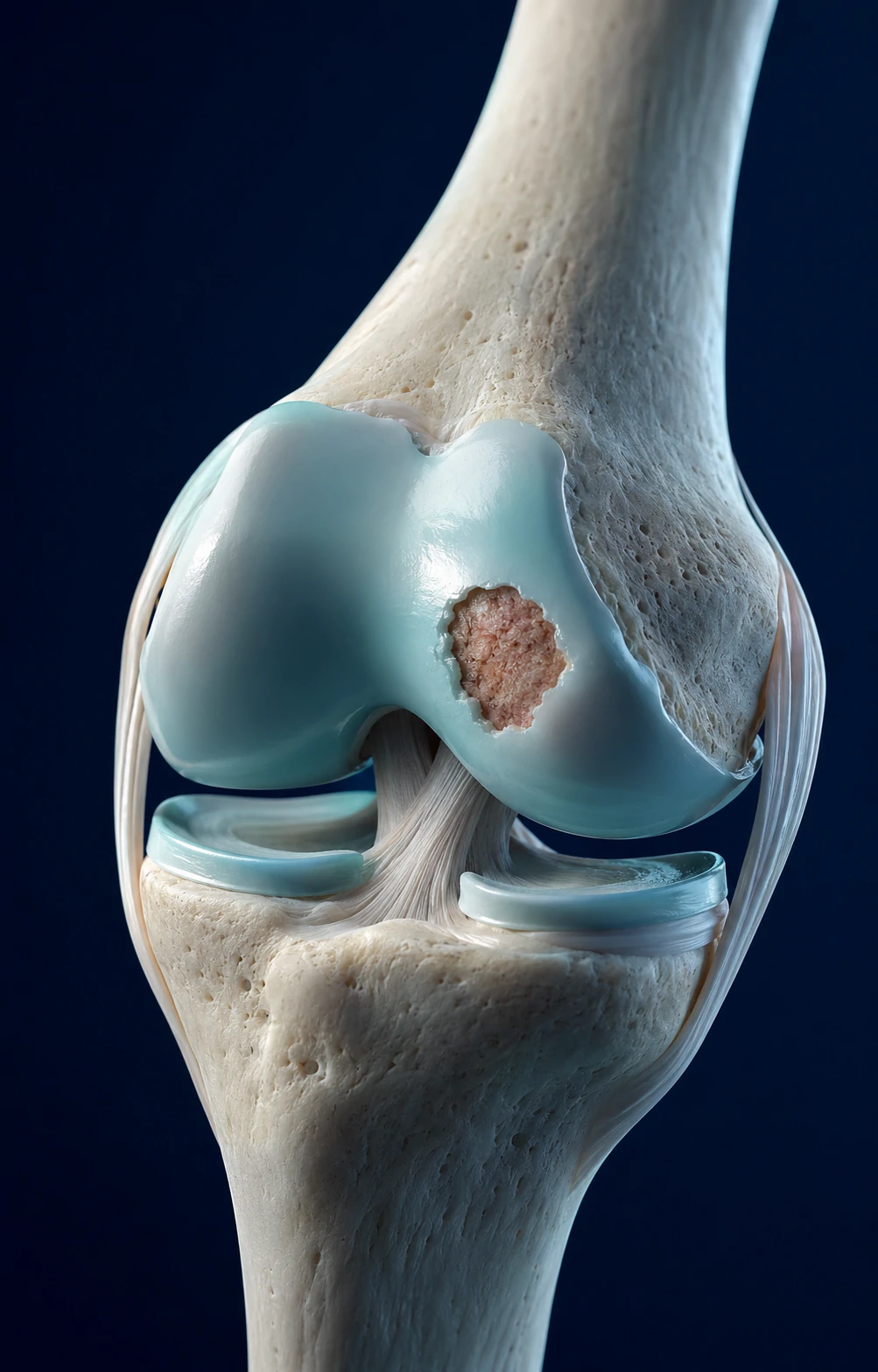
Ligament Repair

Preserves and repairs suitable existing ligament tissue when tissue quality and injury pattern allow.

02

Ligament Reconstruction

Rebuilds a severely damaged ligament using a graft to recreate its stabilising function.

How It Works

How Does Ligament Repair and Reconstruction Work?

The goal of ligament reconstruction and repair is to restore normal joint mechanics, improve stability, and reduce the risk of recurrent injury. Treatment begins with a detailed clinical assessment and imaging studies to evaluate the severity of ligament damage and determine whether repair or reconstruction is the most appropriate approach.

During surgery, the damaged ligament is carefully examined. In some cases, the ligament can be repaired and reinforced. In more severe injuries, reconstruction may be necessary, using a graft to recreate the ligament and restore its stabilising function. Following surgery, a structured rehabilitation programme helps patients regain mobility, strength, confidence, and safe return to activity.

Clinical Indications

When Is Ligament Reconstruction and Repair Recommended?

Ligament injuries vary significantly in severity. While many mild ligament injuries respond well to physiotherapy and conservative treatment, more significant injuries may require ligament repair and reconstruction to restore joint stability and long-term function. Surgical treatment is typically considered when instability affects sports participation, daily activities, or overall joint performance.

01

Complete Ligament Tear

When the ligament cannot heal adequately on its own.

02

Recurrent Joint Instability

When repeated episodes of instability affect function.

03

Sports-Related Ligament Injury

When athletes require reliable joint stability.

04

Multi-Ligament Injury

When multiple stabilising structures are damaged.

05

Failed Conservative Treatment

When rehabilitation alone does not restore stability.

06

Chronic Ligament Deficiency

When long-term instability affects daily activities.

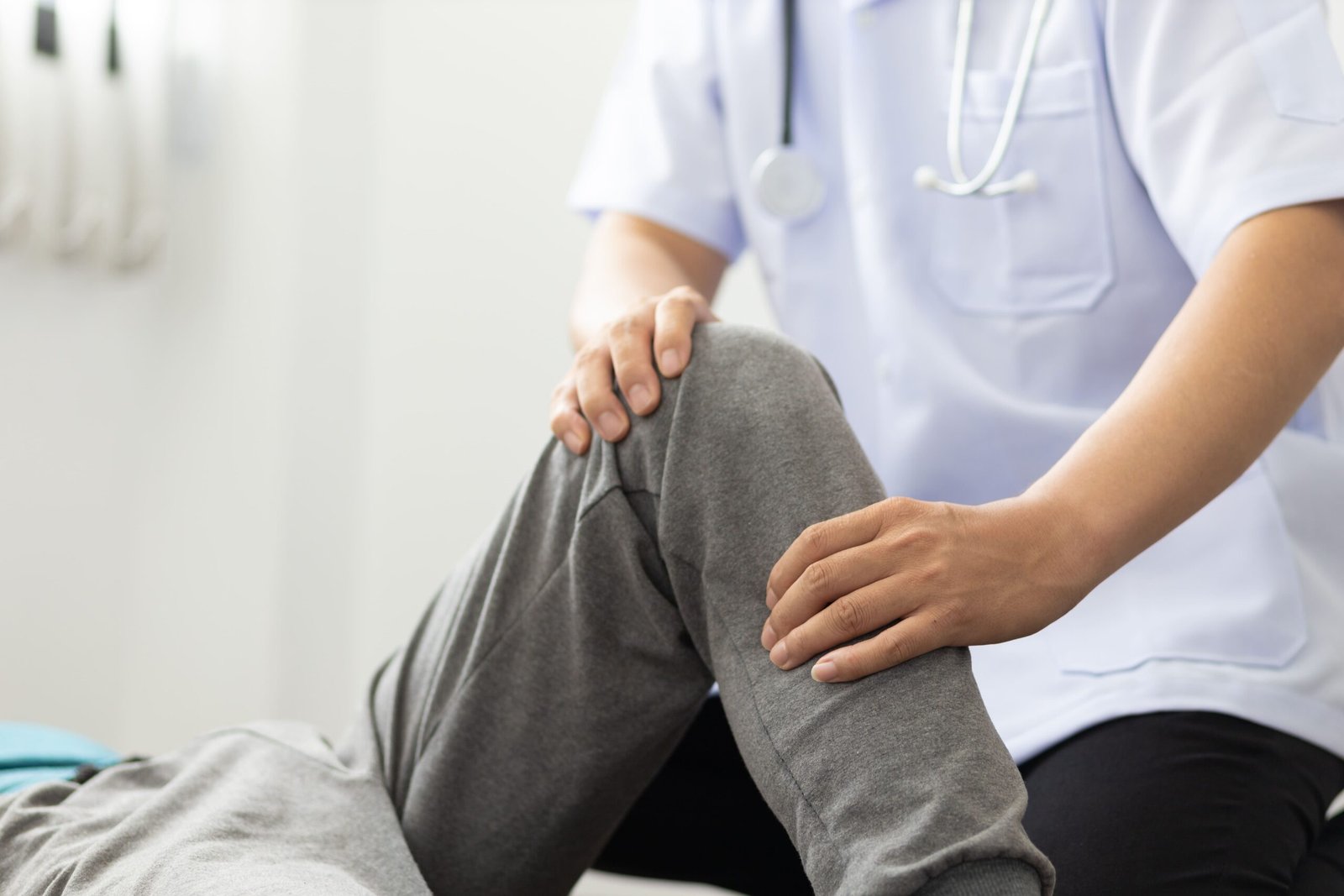
Orthopedic assessment before ligament surgery Ligament MRI and surgical planning
PREPDetailed assessment and recovery planning help optimise surgical outcomes.
Before Surgery

Preparing for Ligament Reconstruction and Repair

Proper preparation helps optimise surgical outcomes and supports a smoother recovery process. Before ligament reconstruction surgery, patients undergo a comprehensive assessment to evaluate the injury, overall health, activity level, and recovery goals.

Before Your Ligament Reconstruction and Repair Procedure:
01

Comprehensive Orthopedic Assessment

Description

Detailed clinical evaluation of the injured joint.

Why It Matters

Helps determine the most appropriate surgical approach.

02

Advanced Imaging Studies

Description

MRI and imaging scans assess ligament damage.

Why It Matters

Provides precise information for surgical planning.

03

Sports and Activity Evaluation

Description

Review of athletic demands and lifestyle requirements.

Why It Matters

Guides treatment decisions and recovery expectations.

04

Prehabilitation Programme

Description

Physiotherapy performed before surgery.

Why It Matters

May improve postoperative recovery and mobility.

05

Medication and Medical Review

Description

Review of medications and medical history.

Why It Matters

Helps minimise surgical risks.

06

Recovery Planning

Description

Preparation for postoperative rehabilitation.

Why It Matters

Supports a more organised recovery process.

Procedure Strategy

Ligament Reconstruction and Repair Procedure

Ligament reconstruction and repair procedures are designed to restore joint stability while preserving normal movement patterns. Depending on the injury, surgery may involve repairing the existing ligament tissue or reconstructing the ligament using a specialised graft.

Modern techniques focus on restoring function while minimising tissue disruption. The specific procedure depends on the ligament involved, injury severity, patient age, activity level, and long-term goals. Whether treating sports injuries or chronic instability, the objective remains the same: restoring confidence in joint movement and reducing the risk of future injury.
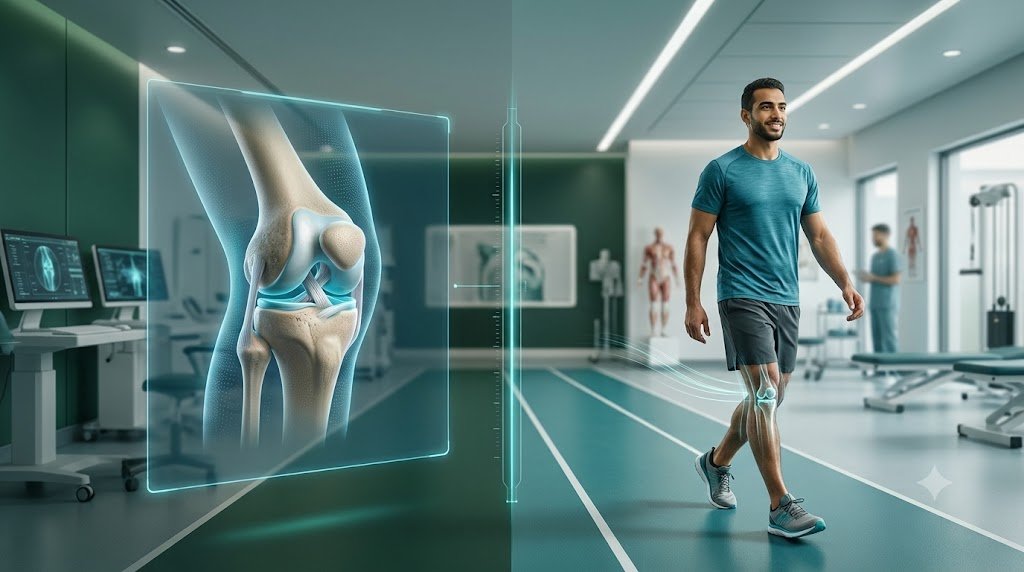
Ligament reconstruction and repair procedure in operating room Precision · Stability · Function

Procedure Goals

01 Restore joint stability
02 Improve movement quality
03 Reduce instability episodes
04 Support return to sports
05 Protect long-term joint health
06 Improve overall function
Book Your Consultation in Sharjah
Procedure Options

Types of Ligament Reconstruction and Repair Procedures

Modern ligament reconstruction procedures can address a variety of ligament injuries affecting different joints. Treatment is tailored to the specific ligament involved and the patient's functional requirements. Certain procedures, such as medial patellofemoral ligament reconstruction and patellofemoral ligament reconstruction, are designed to address recurrent instability, while other procedures focus on restoring stability after major sports injuries.

To avoid duplication, highly specialised procedures such as ACL Reconstruction and Shoulder Stabilization Surgery are covered in their dedicated treatment pages.

01

Ligament Repair

Repairs suitable ligament tears when tissue quality allows.

02

Medial Patellofemoral Ligament Reconstruction

Restores kneecap stability following recurrent dislocation.

03

Patellofemoral Ligament Reconstruction

Improves patellar tracking and joint stability.

04

Multi-Ligament Reconstruction

Addresses complex instability involving multiple ligaments.

05

Sports Ligament Reconstruction

Restores stability for athletic patients.

06

Revision Ligament Reconstruction

Performed when a previous reconstruction has failed.

Treatment Journey

Step-by-Step Treatment Process

Successful ligament reconstruction treatment involves a structured process that extends beyond the surgical procedure itself. Each stage plays an important role in restoring stability, improving function, and supporting long-term recovery.

Ligament reconstruction treatment Process:
01
Step 1

Initial Consultation

What Happens:

Comprehensive evaluation of symptoms and instability.

Why It Matters:

Establishes an accurate diagnosis.

02
Step 2

Diagnostic Assessment

What Happens:

Physical examination and imaging studies.

Why It Matters:

Confirms ligament injury severity.

03
Step 3

Surgical Planning

What Happens:

Selection of repair or reconstruction strategy.

Why It Matters:

Creates a personalised treatment plan.

04
Step 4

Procedure Day

What Happens:

Ligament repair or reconstruction is performed.

Why It Matters:

Restores structural joint stability.

05
Step 5

Early Recovery

What Happens:

Pain management and mobility protection begin.

Why It Matters:

Supports safe tissue healing.

06
Step 6

Rehabilitation and Follow-Up

What Happens:

Progressive rehabilitation programme.

Why It Matters:

Restores strength, movement, and confidence.

Schedule Your Ligament Reconstruction Treatment in Sharjah →
Functional Outcomes

Benefits of Ligament Reconstruction and Repair

The primary goal of ligament reconstruction and repair is to restore stability, improve movement, and help patients return to their normal activities with greater confidence. Modern surgical techniques focus on preserving joint function while reducing the long-term effects of ligament instability. Whether performed for sports injuries or chronic ligament damage, these procedures can provide significant functional and quality-of-life benefits.

01

Improved Joint Stability

Reduces episodes of instability and giving-way sensations.

02

Restored Function

Helps patients return to daily activities more comfortably.

03

Enhanced Athletic Performance

Supports safe participation in sports and physical activity.

04

Reduced Risk of Reinjury

Improves joint control and long-term stability.

05

Better Movement Confidence

Allows patients to move with greater security and comfort.

06

Long-Term Joint Protection

May reduce abnormal joint stress and future complications.

Recovery Variables

Factors That Influence Recovery After Ligament Reconstruction and Repair

Recovery after ligament reconstruction and repair varies from one patient to another. While the surgical procedure plays an important role, several factors can influence healing speed, rehabilitation progress, and overall outcomes. Understanding these factors helps patients set realistic expectations and actively participate in their recovery journey.

Recovery Timeline and Phases:
01

Severity of the Ligament Injury

Description:

More complex or long-standing ligament injuries often require a longer recovery period.

Why It Matters:

Extensive tissue damage may require additional healing and rehabilitation.

02

Type of Ligament Procedure

Description:

Recovery can vary depending on whether the ligament is repaired or reconstructed.

Why It Matters:

Different procedures place different demands on healing tissues and rehabilitation protocols.

03

Age and General Health

Description:

Overall health, fitness level, and medical conditions can affect tissue healing.

Why It Matters:

Healthier patients often progress through recovery more efficiently.

04

Rehabilitation Commitment

Description:

Consistent participation in physiotherapy and home exercises is essential.

Why It Matters:

Structured rehabilitation helps restore mobility, strength, and joint stability.

05

Activity and Sports Demands

Description:

Athletes and highly active individuals may require more advanced rehabilitation before returning to sport.

Why It Matters:

Higher activity levels often require greater strength, control, and confidence before full return.

06

Previous Joint Injuries

Description:

A history of previous ligament injuries or surgeries may influence recovery expectations.

Why It Matters:

Existing joint changes can affect rehabilitation progress and long-term outcomes.

Early treatment, appropriate surgical planning, and a structured rehabilitation programme can significantly improve recovery outcomes following ligament reconstruction and repair.
Rehabilitation Protocol

Ligament Reconstruction and Repair Rehabilitation Protocol

Successful outcomes depend not only on surgery but also on a structured rehabilitation programme. Rehabilitation focuses on restoring mobility, rebuilding strength, improving movement quality, and helping patients safely return to their desired level of activity.

Rehabilitation Protocol:
0–2 Weeks01

Protection Phase

Focus

Protect surgical repair

What Patients Should Expect

Controlled movement and swelling management

2–6 Weeks02

Mobility Phase

Focus

Restore flexibility

What Patients Should Expect

Progressive range-of-motion exercises

6–12 Weeks03

Strength Phase

Focus

Build strength and stability

What Patients Should Expect

Structured strengthening programme

3–6 Months04

Functional Training Phase

Focus

Improve movement quality

What Patients Should Expect

Balance, coordination, and functional exercises

6–9 Months05

Sports Conditioning Phase

Focus

Sport-specific preparation

What Patients Should Expect

Agility and performance drills

9–12 Months06

Return to Activity Phase

Focus

Full functional restoration

What Patients Should Expect

Gradual return to sports and unrestricted activity

Safety & Expectations

Risks and Expected Outcomes

Like any surgical procedure, ligament reconstruction and repair involve potential risks. However, modern surgical techniques and structured rehabilitation programmes have significantly improved outcomes and patient satisfaction.

Potential Risks:
01

Joint Stiffness

Temporary restriction in movement may occur during recovery.

02

Persistent Swelling

Some patients experience swelling during the healing process.

03

Delayed Recovery

Recovery timelines can vary depending on the injury and rehabilitation progress.

04

Residual Instability

In some cases, mild instability may persist despite treatment.

05

Reinjury Risk

Returning to activity too quickly may increase the risk of reinjury.

06

Surgical Complications

Although uncommon, infection or wound-related complications can occur.

Why Choose Dr. Ahmed Azmy

Why Choose Dr. Ahmed Azmy for Ligament Reconstruction and Repair in Sharjah?

Ligament injuries can affect stability, movement, and athletic performance. Dr. Ahmed Azmy provides advanced ligament reconstruction and repair procedures designed to restore joint function, improve stability, and support long-term recovery.

Patients from Sharjah, Ajman, and across the UAE benefit from personalised treatment plans that combine modern surgical techniques, sports medicine expertise, and structured rehabilitation to help them safely return to sports, work, and daily activities.
15+ Years of orthopedic and sports injury experience
40,000+ Patients successfully treated
2,500+ Advanced orthopedic procedures performed
Book an Appointment with Dr. Ahmed Azmy in Sharjah
Dr. Ahmed Azmy
Doctor Profile Dr. Ahmed Azmy
Professional Highlights

Advanced Expertise in Ligament & Sports Injury Care

Fellowship-trained in Germany (arthroscopy and joint reconstruction)

Specialist in ligament reconstruction and sports injury surgery

Expert in postoperative rehabilitation and return-to-sport planning

Patient Success Stories

What Our Patients Say About Dr. Ahmed Azmy

Real experiences from patients who underwent ACL reconstruction and advanced knee treatments in Sharjah, restoring their lifestyle, mobility, and confidence.

★★★★★

"Dr. Ahmed Azmy is the best ACL surgeon in Sharjah. I returned to football just 7 months after my arthroscopic reconstruction surgery. Incredible care!"

- Tareq Al-Shamsi
★★★★★

"Highly professional doctor. He diagnosed my partial ACL tear accurately using MRI and saved me from an unnecessary operation with great physiotherapy."

- Sarah Michael
★★★★★

"After my sports injury, my knee was giving way completely. Dr. Azmy performed an excellent repair. Stability is now 100% perfect."

- Firas El-Din
★★★★★

"Excellent experience at the clinic in Sharjah. The care protocol before and after my ACL reconstruction surgery was structured and highly reassuring."

- Amna Al-Mansoori
★★★★★

"Dr. Ahmed is very patient and knowledgeable. He explained my graft options clearly and built a personalized rehab plan for my athletic goals."

- John Fletcher
★★★★★

"I traveled from Ajman to see Dr. Azmy for my chronic knee instability. His advanced minimally invasive approach made my recovery time very fast."

- Khalid Omar
★★★★★

"The gold standard of knee care in the UAE. His team is extremely professional and the post-operative follow-up is exceptionally detailed."

- Mustafa Reda
★★★★★

"Incredible results with PRP therapy combined with focused neuromuscular training. My knee swelling disappeared entirely in a few weeks."

- Elena Rostova
★★★★★

"Dr. Ahmed Azmy is the best ACL surgeon in Sharjah. I returned to football just 7 months after my arthroscopic reconstruction surgery. Incredible care!"

- Tareq Al-Shamsi
★★★★★

"Highly professional doctor. He diagnosed my partial ACL tear accurately using MRI and saved me from an unnecessary operation with great physiotherapy."

- Sarah Michael
★★★★★

"After my sports injury, my knee was giving way completely. Dr. Azmy performed an excellent repair. Stability is now 100% perfect."

- Firas El-Din
★★★★★

"Excellent experience at the clinic in Sharjah. The care protocol before and after my ACL reconstruction surgery was structured and highly reassuring."

- Amna Al-Mansoori
★★★★★

"Dr. Ahmed is very patient and knowledgeable. He explained my graft options clearly and built a personalized rehab plan for my athletic goals."

- John Fletcher
★★★★★

"I traveled from Ajman to see Dr. Azmy for my chronic knee instability. His advanced minimally invasive approach made my recovery time very fast."

- Khalid Omar
★★★★★

"The gold standard of knee care in the UAE. His team is extremely professional and the post-operative follow-up is exceptionally detailed."

- Mustafa Reda
★★★★★

"Incredible results with PRP therapy combined with focused neuromuscular training. My knee swelling disappeared entirely in a few weeks."

- Elena Rostova
★★★★★

"Outstanding orthopedic surgeon. My complete ACL tear plus meniscus damage was treated with high precision via arthroscopy. Highly recommended!"

- Saeed Al-Hajri
★★★★★

"Dr. Azmy gave me my life back. The intense pain when walking and knee catching sensations are completely gone after his treatment protocol."

- Maria Santos
★★★★★

"Brilliant experience. Functional testing and strict rehabilitation milestones guided by Dr. Ahmed helped me return to basketball safely."

- Youssef Karim
★★★★★

"A master of knee preservation. His conservative management plan for my acute strain was highly effective. No pain, full motion restored."

- Fatima Al-Ali
★★★★★

"If you want accurate diagnosis and a clear recovery roadmap for knee instability, Dr. Ahmed Azmy is absolutely the right choice."

- Arthur Pendelton
★★★★★

"The arthroscopic surgery was seamless. Minimal pain post-op, and my range of motion is improving faster than expected in physical therapy."

- Naser Hamad
★★★★★

"Very trustworthy specialist. He won't recommend surgery unless it is strictly necessary. His ethical approach is highly appreciated."

- Dr. Robert Cole
★★★★★

"Dr. Ahmed's expertise in treating high-impact sports injuries gave me the confidence to push through my ACL recovery phases safely."

- Ziad El-Mallah
★★★★★

"Outstanding orthopedic surgeon. My complete ACL tear plus meniscus damage was treated with high precision via arthroscopy. Highly recommended!"

- Saeed Al-Hajri
★★★★★

"Dr. Azmy gave me my life back. The intense pain when walking and knee catching sensations are completely gone after his treatment protocol."

- Maria Santos
★★★★★

"Brilliant experience. Functional testing and strict rehabilitation milestones guided by Dr. Ahmed helped me return to basketball safely."

- Youssef Karim
★★★★★

"A master of knee preservation. His conservative management plan for my acute strain was highly effective. No pain, full motion restored."

- Fatima Al-Ali
★★★★★

"If you want accurate diagnosis and a clear recovery roadmap for knee instability, Dr. Ahmed Azmy is absolutely the right choice."

- Arthur Pendelton
★★★★★

"The arthroscopic surgery was seamless. Minimal pain post-op, and my range of motion is improving faster than expected in physical therapy."

- Naser Hamad
★★★★★

"Very trustworthy specialist. He won't recommend surgery unless it is strictly necessary. His ethical approach is highly appreciated."

- Dr. Robert Cole
★★★★★

"Dr. Ahmed's expertise in treating high-impact sports injuries gave me the confidence to push through my ACL recovery phases safely."

- Ziad El-Mallah

FAQ

You should see a ligament injury specialist in Sharjah if you experience persistent pain, swelling, joint instability, or difficulty performing normal activities after an injury. Symptoms such as a popping sensation, inability to bear weight, recurrent swelling, or the feeling that a joint is giving way may indicate a significant ligament tear. Early evaluation is important because untreated ligament injuries can lead to chronic instability, cartilage damage, and delayed recovery. A specialist assessment helps determine the severity of the injury and identify the most effective treatment plan.

The best treatment for a ligament injury depends on the severity of the tear, the ligament involved, and the level of joint instability. Mild injuries often improve with physiotherapy, bracing, activity modification, and rehabilitation. More advanced cases may benefit from regenerative treatments such as PRP therapy to support healing. Complete ligament tears or injuries causing significant instability may require arthroscopic ligament reconstruction. At Dr. Ahmed Azmy’s clinic, treatment plans are tailored to each patient’s condition, lifestyle, and recovery goals to achieve the best possible outcome and long-term joint stability.

Ligament injury recovery time varies depending on the type of ligament involved, the severity of the injury, and the treatment approach. Mild ligament sprains may heal within two to six weeks, while partial tears often require six to twelve weeks of rehabilitation. Complete ligament tears may take several months to recover, especially if surgery is required. Following a structured rehabilitation programme is one of the most important factors influencing recovery. Early diagnosis, proper treatment, and consistent physiotherapy can help improve healing and reduce the risk of future injuries.

Yes, many ligament injuries can heal without surgery, particularly Grade 1 sprains and Grade 2 partial tears. Conservative treatment typically includes physiotherapy, activity modification, bracing, pain management, and strengthening exercises. The goal is to restore stability, improve function, and allow the ligament to heal naturally. However, complete ligament ruptures or injuries causing severe instability may require surgical reconstruction to restore normal joint mechanics. A thorough assessment is essential to determine whether non-surgical treatment is appropriate for a specific ligament injury.

The most common ligament injury symptoms include pain, swelling, bruising, joint instability, stiffness, and reduced range of motion. Many patients also experience difficulty walking, running, climbing stairs, or participating in sports. In more severe cases, a popping sensation may occur at the moment of injury, followed by immediate swelling and reduced function. Symptoms vary depending on the ligament involved and the severity of the tear. If symptoms persist or interfere with daily activities, professional evaluation is recommended to prevent long-term complications and ensure appropriate treatment.

An MRI is often recommended when a ligament tear is suspected or when symptoms suggest significant joint damage. MRI scans provide detailed images of ligaments, tendons, cartilage, menisci, and surrounding soft tissues, making them one of the most accurate tools for diagnosing ligament injuries. While not every patient requires an MRI, it is particularly useful for evaluating ACL tears, PCL injuries, collateral ligament injuries, and complex sports injuries. The decision to order an MRI depends on the findings of the physical examination and the severity of the symptoms.

A ligament injury that is left untreated may lead to chronic joint instability, persistent pain, muscle weakness, and recurrent injuries. Over time, abnormal joint movement can place excessive stress on cartilage and surrounding structures, increasing the risk of meniscus tears and early-onset osteoarthritis. Many patients initially ignore symptoms because pain improves with rest, but instability often remains. Seeking treatment early can help restore joint function, prevent long-term damage, and reduce the likelihood of future complications that may require more extensive treatment.

Yes, many athletes successfully return to sports after recovering from a ligament injury. The timeline depends on the severity of the injury, the ligament involved, and adherence to a structured rehabilitation programme. Recovery typically includes strength training, balance exercises, agility drills, and sport-specific conditioning designed to restore performance and reduce the risk of re-injury. Athletes recovering from major ligament injuries, such as ACL tears, often require several months of rehabilitation before returning to competitive activities. Clearance should always be based on functional recovery rather than time alone.

A ligament injury affects the tissues that connect bone to bone and stabilise joints, while a tendon injury affects the tissues that connect muscles to bones and help create movement. Ligament injuries commonly cause joint instability, swelling, and a feeling that the joint may give way. Tendon injuries are more often associated with pain during movement, weakness, and reduced muscle performance. Because symptoms can sometimes overlap, a professional evaluation is important to determine the exact cause of pain and ensure the most appropriate treatment plan is provided.

Dr. Ahmed Azmy provides comprehensive ligament injury treatment in Sharjah using a personalised approach based on accurate diagnosis, evidence-based rehabilitation, and advanced orthopaedic techniques. With more than 15 years of experience, over 40,000 patients treated, and extensive expertise in arthroscopy and joint reconstruction, he offers specialised care for sports injuries, ligament tears, and joint instability. Every treatment plan is tailored to the patient’s condition and goals, with the aim of reducing pain, restoring stability, improving function, and helping patients return safely to daily activities and sports.

Restore Joint Stability

Restore Joint Stability and Return to an Active Lifestyle

Whether you are dealing with a sports-related ligament injury, recurrent instability, or chronic joint dysfunction, early treatment can help restore stability, improve movement, and protect long-term joint health.

Dr. Ahmed Azmy provides expert ligament reconstruction and repair procedures in Sharjah, UAE, helping patients from Sharjah, Ajman, and across the UAE return confidently to sports, work, and daily activities.

Book Your Consultation with Dr. Ahmed Azmy Today.
Explore More

Related Conditions & Procedures

02
Explore Procedures

Related Procedures

01

Sports Arthroscopy

Minimally invasive procedure used to diagnose and treat a variety of sports-related joint injuries.

02

PRP for Sports Injuries

Targeted regenerative treatment used to support recovery in athletes with joint and soft tissue injuries.

03

Minimally Invasive Sports Surgery

Modern sports surgery techniques designed to treat athletic injuries through smaller incisions, helping restore function, improve recovery, and support a safe return to sports.

Recovery Focus

Explore related treatments to better understand the pathway from diagnosis to recovery.

Recovery Goal

Restore Stability. Regain Confidence. Return to Life.

Expert ligament reconstruction and repair can help restore joint stability, improve movement confidence, and support a safe return to daily life and sports.

Booking Page Book Your Consultation
Patient Connection Hub