Assess your pain
Dr. Ahmed Azmy

Rotator Cuff Repair in Sharjah: Restore Shoulder Strength & Function

Advanced arthroscopic rotator cuff repair in Sharjah by Dr. Ahmed Azmy | Precision tendon repair | Faster recovery | Long-term results

Persistent shoulder pain, weakness, or difficulty lifting your arm may indicate a torn rotator cuff. Rotator cuff repair surgery is designed to restore damaged tendons, improve shoulder strength, and relieve pain. Using advanced minimally invasive techniques, this procedure allows accurate repair while preserving healthy tissue, helping patients regain normal movement and return to daily activities safely.

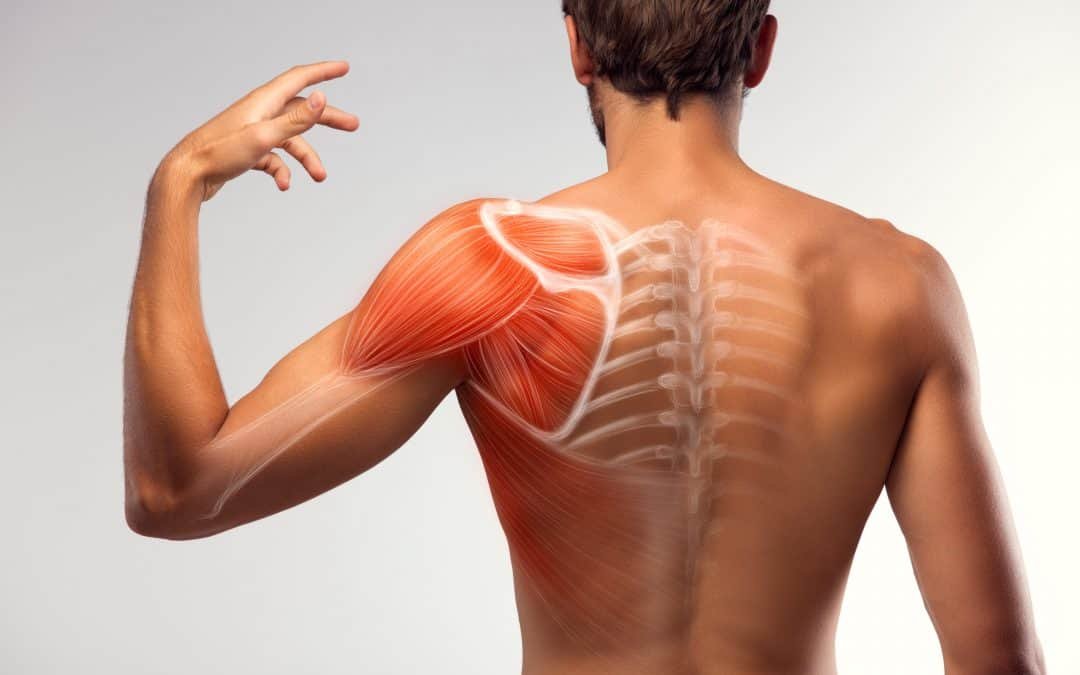
Shoulder evaluation before rotator cuff repair
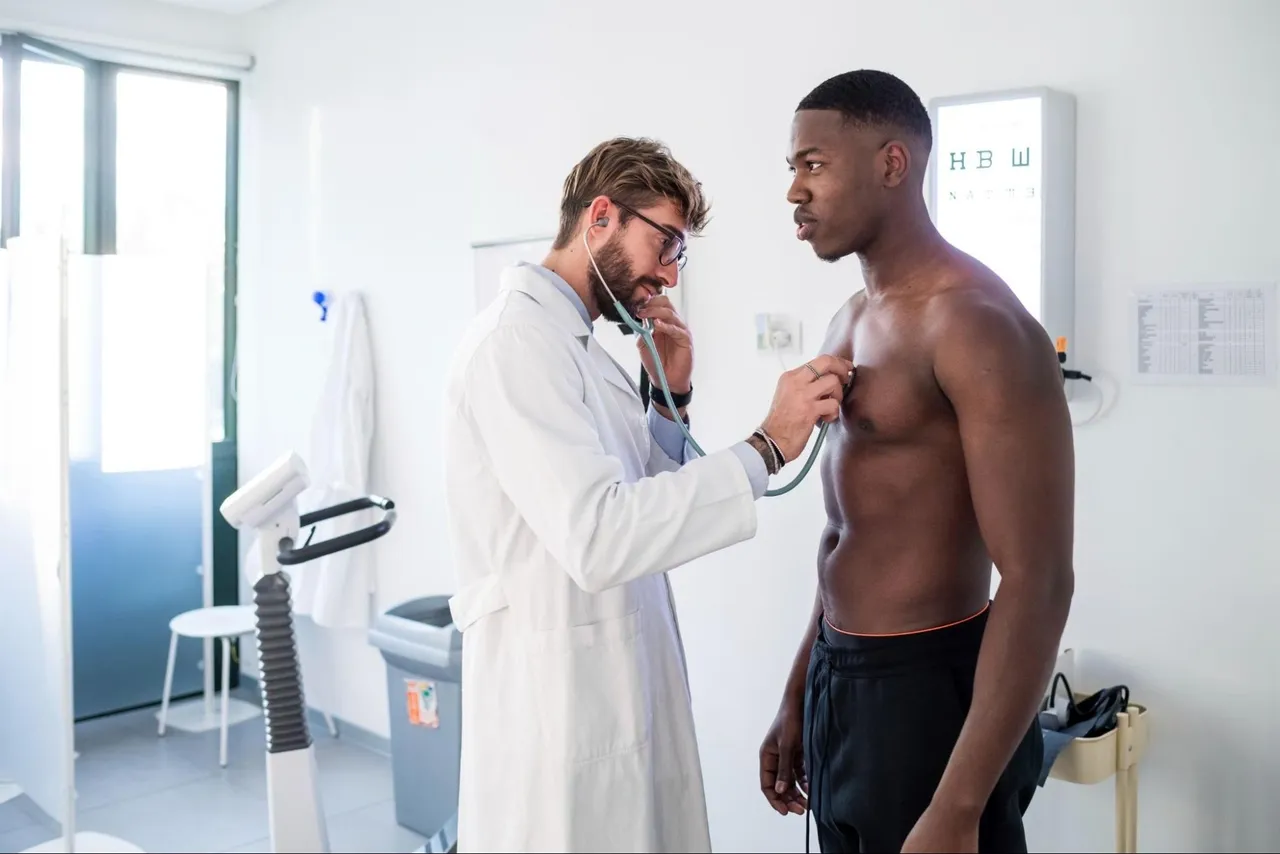
Clinical shoulder examination
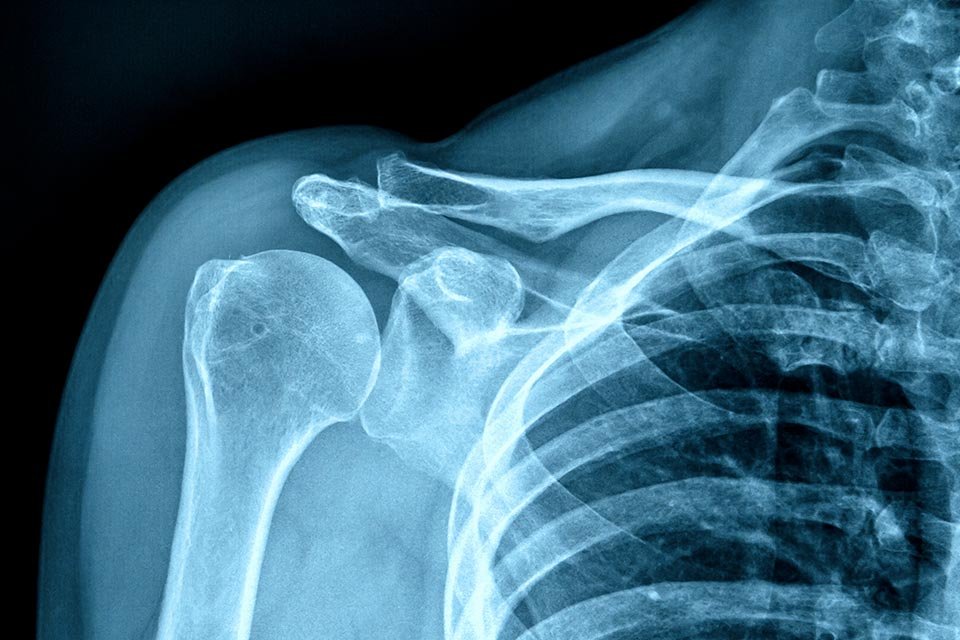
Modern medical imaging room
Core ObjectiveTendon-to-bone healing
Shoulder Tendon Repair

What Is Rotator Cuff Repair?

Rotator cuff repair is a surgical procedure used to reattach torn tendons in the shoulder back to the bone.

These tendons play a critical role in stabilizing the shoulder and enabling smooth arm movement. When a tear occurs due to injury, overuse, or degeneration, the tendon may no longer function properly, leading to pain and weakness.

Rotator cuff surgery restores the connection between tendon and bone, allowing the shoulder to regain strength and stability.

Arthroscopic RepairMinimally invasive and most common
Mini-open RepairFor larger or complex tears
Open RepairRare, used in severe cases

Modern arthroscopic techniques allow precise repair with smaller incisions, reduced pain, and faster recovery.

When Is Rotator Cuff Repair Needed?

Not all rotator cuff injuries require surgery, but rotator cuff repair in Sharjah is recommended when symptoms persist or significantly affect shoulder function.
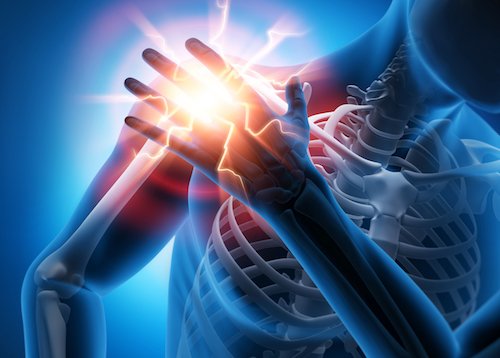
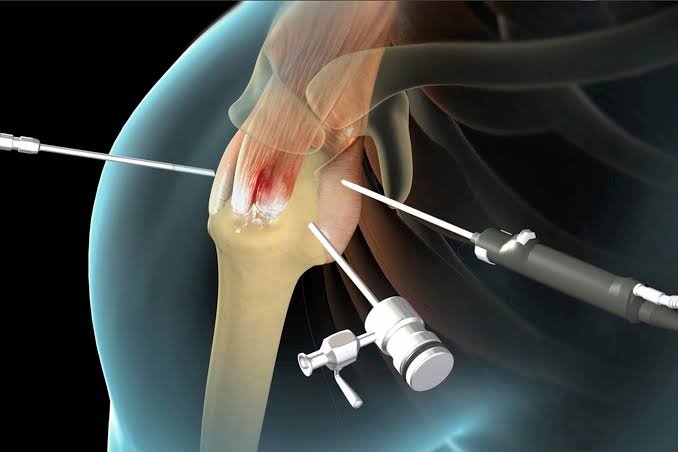
Clinical Case File Repair Assessment
Shoulder clinical assessment
Shoulder Function Evaluation Required

Surgery is considered when pain, weakness, imaging findings, and lifestyle demands all point toward the need for tendon repair.

Indications Checklist

Key findings that may support the decision for rotator cuff repair.

01

Persistent Shoulder Pain

Pain continues despite rest, physiotherapy, or medication.

02

Weakness in the Arm

Difficulty lifting or holding objects during daily activity.

03

Limited Range of Motion

Reduced ability to raise or rotate the arm comfortably.

04

Confirmed Tendon Tear

Diagnosed via MRI or advanced shoulder imaging.

05

Failed Conservative Treatment

No improvement after months of non-surgical care.

06

Active Lifestyle Needs

Required for sports or physically demanding activities.

Learn more about: Shoulder instability and related shoulder injuries
Shoulder Dislocation
Before Surgery

Preparing for Rotator Cuff Surgery

Preparation is essential for both surgical success and smooth recovery after rotator cuff repair surgery.
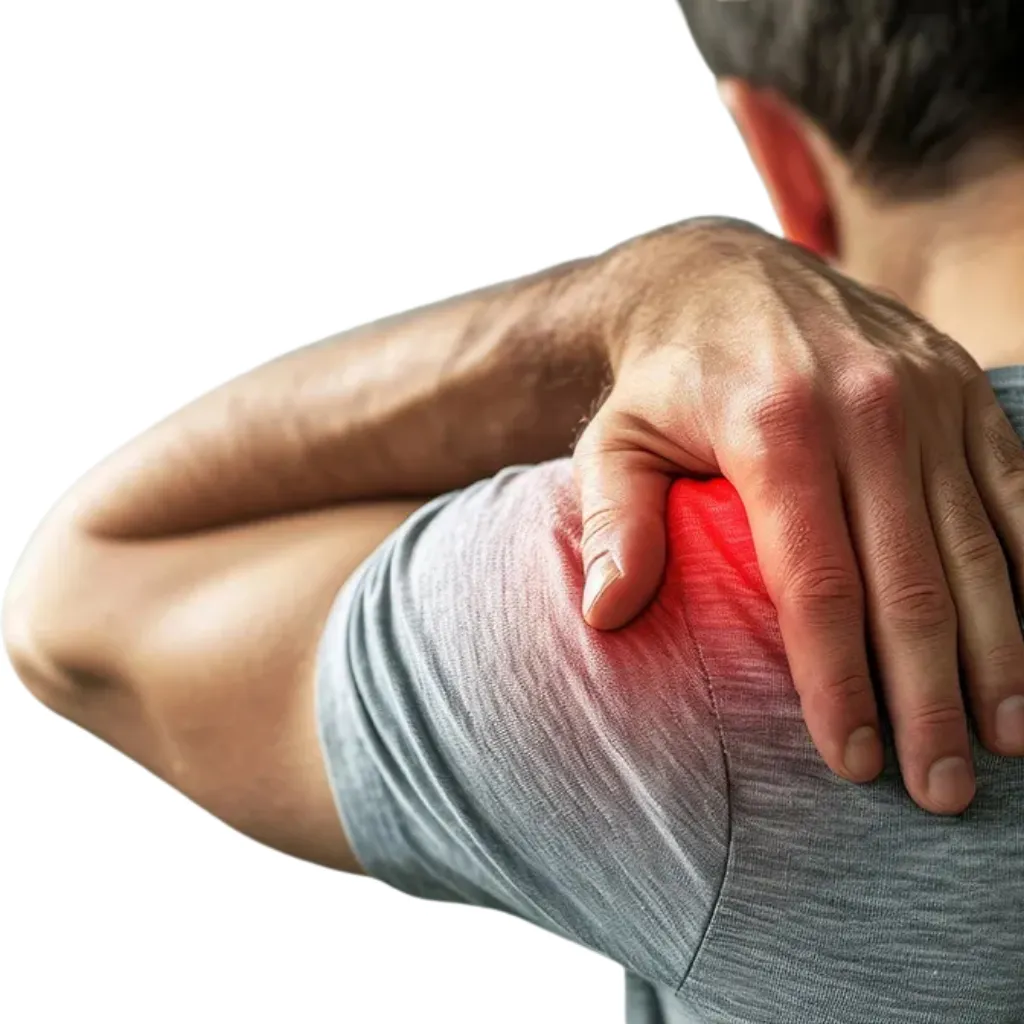
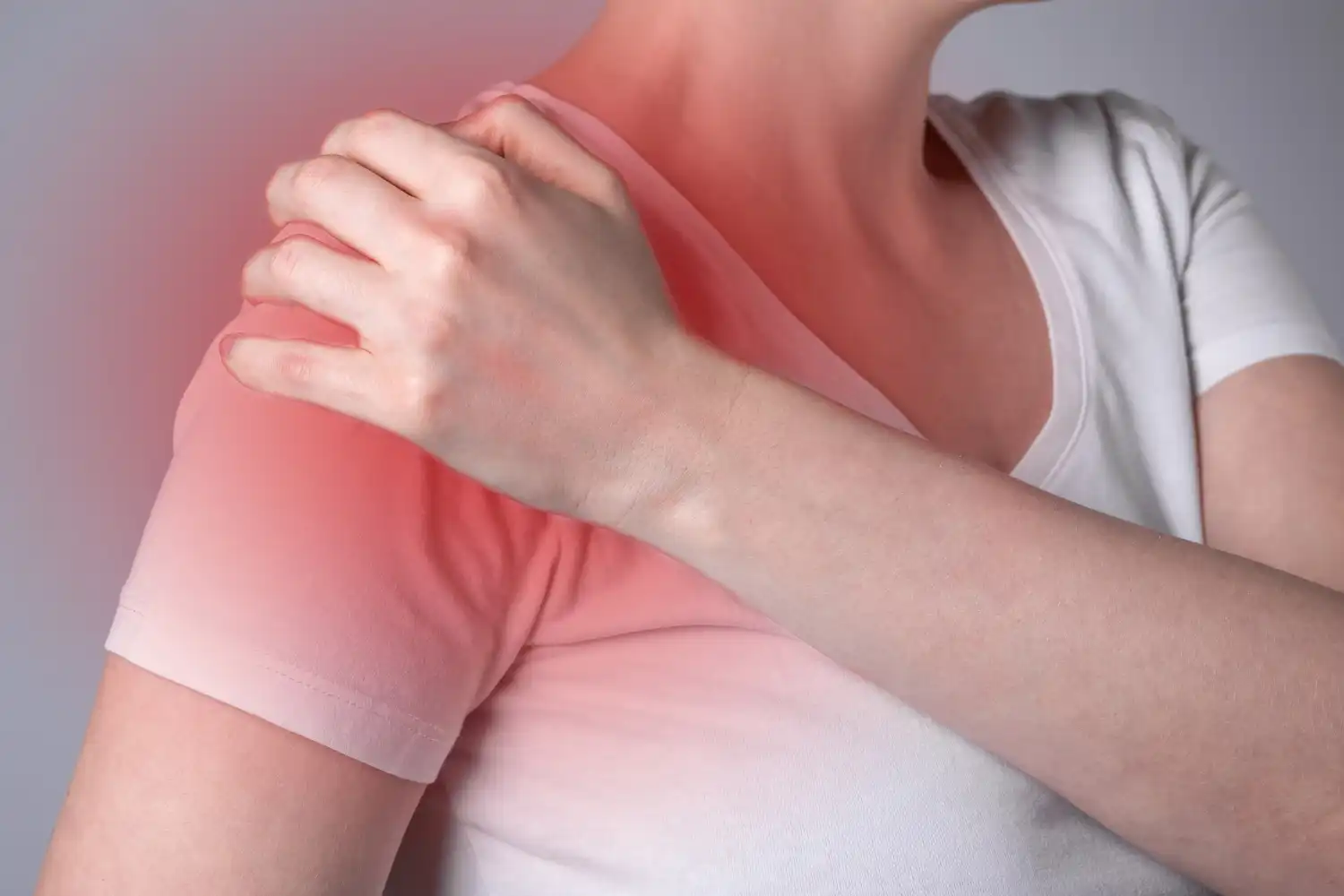
01

Comprehensive Shoulder Assessment

Detailed evaluation of strength, movement, and tear severity helps determine the best rotator cuff repair technique.

02

Imaging & Diagnosis

MRI confirms tear size, location, and tendon quality, making planning for arthroscopic rotator cuff repair more accurate.

03

Medical Optimization

Health conditions such as diabetes or hypertension are reviewed, and medication adjustments reduce surgical risks.

04

Prehabilitation

Gentle strengthening and mobility exercises prepare muscles for better post-operative recovery.

05

Lifestyle Preparation

Patients plan daily support, limited arm use, and home setup for convenience after surgery.

06

Procedure & Recovery Briefing

Surgical steps, sling use, and rehab timeline are explained to set realistic recovery expectations.

Procedure Overview

Rotator Cuff Repair Procedure

Rotator cuff repair in Sharjah is performed using advanced techniques that allow precise reattachment of the torn tendon while minimizing damage to surrounding tissues.

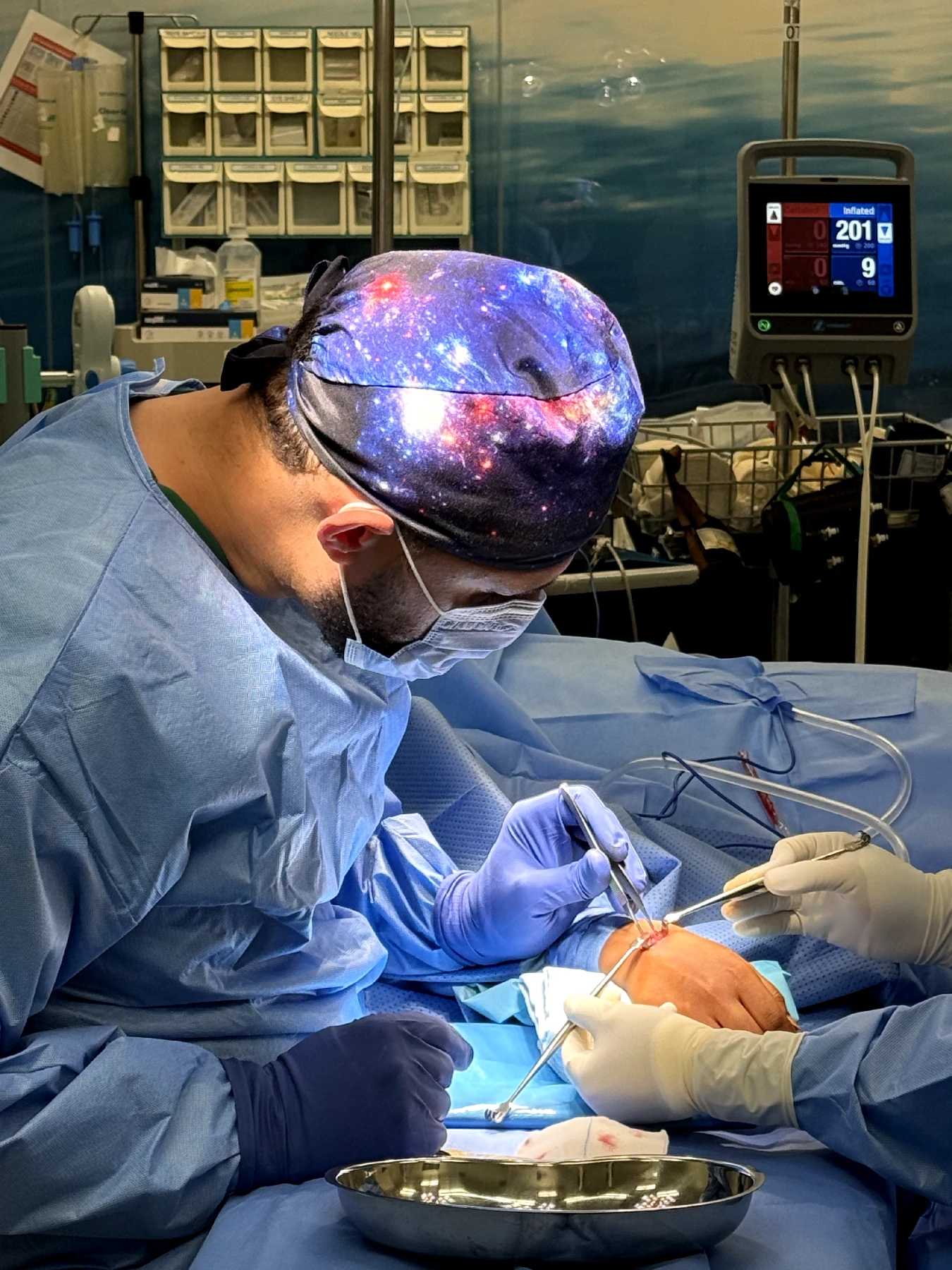
Small incisions are made to access the shoulder joint. A camera is inserted to visualize the tear, and specialized instruments clean the damaged area and prepare the bone for tendon reattachment.

The tendon is secured back to the bone using small anchors, creating a stable connection that allows healing over time. Most arthroscopic procedures are completed as day surgeries, allowing patients to return home the same day.

Book Your Rotator Cuff Repair Consultation in Sharjah
HDArthroscopic View
01

Small incisions

02

Tear visualization

03

Bone preparation

04

Anchor fixation

Technique Selection

Types of Rotator Cuff Repair Techniques

The success of rotator cuff repair surgery depends on choosing the right repair technique based on tear size, tendon quality, and activity level.

Single-Row Repair

The torn tendon is reattached to the bone using a single line of anchors. It is typically used for smaller or less complex tears.

Double-Row Rotator Cuff Repair

A more advanced method using two rows of anchors, creating broader tendon-to-bone contact and improving healing strength.

Arthroscopic Rotator Cuff Repair

The most commonly used minimally invasive technique with precise repair, minimal tissue damage, and faster recovery.

Mini-Open Repair

Combines arthroscopy with a small incision for better access in complex tears when visualization alone is not sufficient.

Open Rotator Cuff Repair

Used in severe or large tears where full exposure of the tendon is required. Less common today due to arthroscopic advances.

Revision Rotator Cuff Repair

Performed when a previous repair has failed or a re-tear occurs, requiring advanced planning and technique.

Why Technique Selection Matters

  • Determines healing strength and durability
  • Affects rotator cuff surgery recovery time
  • Reduces risk of re-tear or incomplete healing
  • Ensures personalized treatment for each patient
Book Your Rotator Cuff Repair Consultation in Sharjah
Step-by-Step Workflow

Rotator Cuff Surgery Steps

Rotator cuff repair is performed through a precise and structured surgical workflow to ensure accurate tendon reattachment and long-term stability.

Step 1

Anesthesia Administration

General or regional anesthesia is used for patient comfort and a pain-free surgical environment.

Step 2

Arthroscopic Access

Small portals are created to insert the camera and instruments while minimizing damage to surrounding tissues.

Step 3

Joint Evaluation

The surgeon examines the tear, tendon quality, and surrounding structures to confirm the best repair approach.

Step 4

Tendon Preparation

Damaged or frayed tissue is cleaned, and the bone surface is prepared to improve tendon attachment.

Step 5

Tendon Reattachment

Special anchors are placed into the bone and the tendon is secured tightly back to its original position.

Step 6

Stability Check & Closure

Shoulder movement is tested for proper function, then incisions are closed and dressed.

Schedule Your Rotator Cuff Surgery in Sharjah
01

Relieves Chronic Shoulder Pain

Repairing the torn tendon removes the source of pain, especially during movement or lifting activities.

02

Restores Shoulder Strength

Reattaching the tendon allows muscles to function properly again, improving lifting and arm control.

03

Improves Range of Motion

Patients regain the ability to move the arm freely without stiffness or restriction.

04

Prevents Further Damage

Early repair stops tear progression and reduces risk of long-term joint degeneration.

05

Enhances Daily Function

Makes everyday activities like dressing, lifting, and reaching easier and pain-free.

06

Supports Long-Term Joint Health

Proper healing and rehabilitation help maintain shoulder stability and prevent future injuries.

Recovery Timeline

Rotator Cuff Surgery Recovery

Recovery after rotator cuff repair surgery is gradual. Following each phase carefully is essential to restore strength, prevent re-injury, and achieve long-term shoulder function.

0–1 Week

Immediate Post-Surgery

Sling support protects the repaired tendon. Mild pain and swelling are expected and controlled with medication.

1–4 Weeks

Early Healing

The tendon begins healing to the bone. Passive movements may start under supervision while active shoulder use is avoided.

4–8 Weeks

Passive Mobility

Controlled physiotherapy gradually improves flexibility and range of motion without muscle activation.

8–12 Weeks

Active Movement

Patients begin using shoulder muscles actively with improved coordination and reduced pain.

3–4 Months

Strengthening

Resistance exercises rebuild muscle strength and endurance for light daily activity.

4–6 Months

Return to Activity

Gradual return to sports and demanding activities as shoulder strength, stability, and flexibility improve.

Rehabilitation Protocol

Rotator Cuff Repair Rehabilitation Protocol

A structured rotator cuff repair rehab protocol is critical for proper healing and long-term success. Each phase is designed to protect the repair while gradually restoring function.

PhaseTimelineRehab FocusWhat Patients Should Expect
Protection Phase0–4 weeks

Sling use, pain control, inflammation reduction

Minimal shoulder movement, focus on healing

Passive Motion Phase4–8 weeks

Gentle assisted exercises

Improved flexibility without stressing the tendon

Active Motion Phase8–12 weeks

Controlled shoulder movement

Gradual return of movement and coordination

Strengthening Phase3–4 months

Resistance and muscle activation

Increased shoulder strength and stability

Advanced Training Phase4–5 months

Functional and dynamic exercises

Preparation for daily and work activities

Return to Activity Phase5–6 months

Sport-specific or heavy activity training

Safe return to full activity level

Safety & Outcomes

Risks & Outcomes of Rotator Cuff Repair

Rotator cuff repair surgery is highly effective, but like any procedure, it carries certain risks. Understanding these helps patients follow proper care and improve outcomes.

01

Post-Surgical Pain & Swelling

Common in the early recovery phase and usually improves gradually with medication, rest, and rehabilitation.

02

Re-tear of the Tendon

Risk increases if rehab guidelines are not followed, especially with large tears or premature return to activity.

03

Shoulder Stiffness

May develop if movement is delayed or physiotherapy is inconsistent, but guided exercises help prevent it.

04

Infection

Rare due to strict sterile surgical techniques and can be treated effectively if detected early.

05

Incomplete Strength Recovery

Some patients may not regain full strength, especially in severe tears, but structured physiotherapy improves outcomes.

06

Nerve Irritation or Numbness

Rare and usually temporary; tingling or numbness typically resolves over time.

Outcome Focus

Following proper postoperative care, sling guidance, and physiotherapy improves healing quality, lowers complication risk, and supports long-term shoulder function.

Why Choose Dr. Ahmed Azmy

Why Choose Dr. Ahmed Azmy for Rotator Cuff Repair in Sharjah?

Choosing the right specialist plays a critical role in the success of rotator cuff repair in Sharjah. Dr. Ahmed Azmy combines advanced surgical expertise with a patient-focused approach to deliver optimal outcomes.

With fellowship training in Germany, extensive experience in arthroscopy and joint reconstruction, and expertise in double-row rotator cuff repair techniques, Dr. Ahmed Azmy provides precise, personalized care for shoulder injuries, complex cases, and revision surgeries.
15+ Years in Shoulder & Orthopedic Surgery
40,000+ Patients Treated Successfully
2,500+ Advanced Arthroscopic Procedures
Fellowship-trained in Germany in arthroscopy & joint reconstruction
Expert in double-row rotator cuff repair techniques
Specialist in complex and revision shoulder surgeries
Book Your Appointment with Dr. Ahmed Azmy in Sharjah
Dr. Ahmed Azmy Rotator Cuff Repair Specialist in Sharjah
Dr. Ahmed Azmy

What Sets His Care Apart?

Advanced Surgical Techniques

Expertise in arthroscopic rotator cuff repair and modern anchoring methods, with a focus on strong tendon healing and long-term durability.

Personalized Treatment Approach

Tailored surgical and rehabilitation plans based on tear size, lifestyle, shoulder condition, and recovery goals.

Comprehensive Care Journey

Complete support from diagnosis to full recovery, with continuous monitoring and rehabilitation guidance.

Focus on Faster & Safer Recovery

Structured rotator cuff repair protocol with emphasis on restoring shoulder strength, movement, and function efficiently.

Patient Success Stories

What Our Patients Say About Dr. Ahmed Azmy

Real experiences from patients who underwent ACL reconstruction and advanced knee treatments in Sharjah, restoring their lifestyle, mobility, and confidence.

★★★★★

"Dr. Ahmed Azmy is the best ACL surgeon in Sharjah. I returned to football just 7 months after my arthroscopic reconstruction surgery. Incredible care!"

- Tareq Al-Shamsi
★★★★★

"Highly professional doctor. He diagnosed my partial ACL tear accurately using MRI and saved me from an unnecessary operation with great physiotherapy."

- Sarah Michael
★★★★★

"After my sports injury, my knee was giving way completely. Dr. Azmy performed an excellent repair. Stability is now 100% perfect."

- Firas El-Din
★★★★★

"Excellent experience at the clinic in Sharjah. The care protocol before and after my ACL reconstruction surgery was structured and highly reassuring."

- Amna Al-Mansoori
★★★★★

"Dr. Ahmed is very patient and knowledgeable. He explained my graft options clearly and built a personalized rehab plan for my athletic goals."

- John Fletcher
★★★★★

"I traveled from Ajman to see Dr. Azmy for my chronic knee instability. His advanced minimally invasive approach made my recovery time very fast."

- Khalid Omar
★★★★★

"The gold standard of knee care in the UAE. His team is extremely professional and the post-operative follow-up is exceptionally detailed."

- Mustafa Reda
★★★★★

"Incredible results with PRP therapy combined with focused neuromuscular training. My knee swelling disappeared entirely in a few weeks."

- Elena Rostova
★★★★★

"Dr. Ahmed Azmy is the best ACL surgeon in Sharjah. I returned to football just 7 months after my arthroscopic reconstruction surgery. Incredible care!"

- Tareq Al-Shamsi
★★★★★

"Highly professional doctor. He diagnosed my partial ACL tear accurately using MRI and saved me from an unnecessary operation with great physiotherapy."

- Sarah Michael
★★★★★

"After my sports injury, my knee was giving way completely. Dr. Azmy performed an excellent repair. Stability is now 100% perfect."

- Firas El-Din
★★★★★

"Excellent experience at the clinic in Sharjah. The care protocol before and after my ACL reconstruction surgery was structured and highly reassuring."

- Amna Al-Mansoori
★★★★★

"Dr. Ahmed is very patient and knowledgeable. He explained my graft options clearly and built a personalized rehab plan for my athletic goals."

- John Fletcher
★★★★★

"I traveled from Ajman to see Dr. Azmy for my chronic knee instability. His advanced minimally invasive approach made my recovery time very fast."

- Khalid Omar
★★★★★

"The gold standard of knee care in the UAE. His team is extremely professional and the post-operative follow-up is exceptionally detailed."

- Mustafa Reda
★★★★★

"Incredible results with PRP therapy combined with focused neuromuscular training. My knee swelling disappeared entirely in a few weeks."

- Elena Rostova
★★★★★

"Outstanding orthopedic surgeon. My complete ACL tear plus meniscus damage was treated with high precision via arthroscopy. Highly recommended!"

- Saeed Al-Hajri
★★★★★

"Dr. Azmy gave me my life back. The intense pain when walking and knee catching sensations are completely gone after his treatment protocol."

- Maria Santos
★★★★★

"Brilliant experience. Functional testing and strict rehabilitation milestones guided by Dr. Ahmed helped me return to basketball safely."

- Youssef Karim
★★★★★

"A master of knee preservation. His conservative management plan for my acute strain was highly effective. No pain, full motion restored."

- Fatima Al-Ali
★★★★★

"If you want accurate diagnosis and a clear recovery roadmap for knee instability, Dr. Ahmed Azmy is absolutely the right choice."

- Arthur Pendelton
★★★★★

"The arthroscopic surgery was seamless. Minimal pain post-op, and my range of motion is improving faster than expected in physical therapy."

- Naser Hamad
★★★★★

"Very trustworthy specialist. He won't recommend surgery unless it is strictly necessary. His ethical approach is highly appreciated."

- Dr. Robert Cole
★★★★★

"Dr. Ahmed's expertise in treating high-impact sports injuries gave me the confidence to push through my ACL recovery phases safely."

- Ziad El-Mallah
★★★★★

"Outstanding orthopedic surgeon. My complete ACL tear plus meniscus damage was treated with high precision via arthroscopy. Highly recommended!"

- Saeed Al-Hajri
★★★★★

"Dr. Azmy gave me my life back. The intense pain when walking and knee catching sensations are completely gone after his treatment protocol."

- Maria Santos
★★★★★

"Brilliant experience. Functional testing and strict rehabilitation milestones guided by Dr. Ahmed helped me return to basketball safely."

- Youssef Karim
★★★★★

"A master of knee preservation. His conservative management plan for my acute strain was highly effective. No pain, full motion restored."

- Fatima Al-Ali
★★★★★

"If you want accurate diagnosis and a clear recovery roadmap for knee instability, Dr. Ahmed Azmy is absolutely the right choice."

- Arthur Pendelton
★★★★★

"The arthroscopic surgery was seamless. Minimal pain post-op, and my range of motion is improving faster than expected in physical therapy."

- Naser Hamad
★★★★★

"Very trustworthy specialist. He won't recommend surgery unless it is strictly necessary. His ethical approach is highly appreciated."

- Dr. Robert Cole
★★★★★

"Dr. Ahmed's expertise in treating high-impact sports injuries gave me the confidence to push through my ACL recovery phases safely."

- Ziad El-Mallah

FAQ

If a rotator cuff tear is left untreated, it can gradually worsen over time. The tendon may retract further from the bone, making future repair more difficult or even impossible. Patients often experience increasing pain, weakness, and loss of shoulder function, especially during lifting or overhead movements. In some cases, untreated tears can lead to long-term joint damage or arthritis. Early evaluation and timely rotator cuff repair surgery can prevent these complications and preserve shoulder strength and mobility for the long term.

Most modern rotator cuff repairs are performed arthroscopically because it is minimally invasive and offers faster recovery. However, not all cases are the same. Large, complex, or retracted tears may require a mini-open or open surgical approach for better access and repair strength. The choice depends on factors such as tear size, tendon quality, and patient condition. Your surgeon will recommend the most suitable technique to ensure optimal healing and long-term function of the shoulder.

Pain after rotator cuff repair surgery is expected, especially in the first few days. However, it is usually well controlled with medication and gradually improves as healing progresses. Many patients report that post-surgical pain becomes manageable within a few weeks. Following the prescribed rehabilitation program and avoiding overuse of the shoulder are key to minimizing discomfort. Proper pain management and guided physiotherapy play an important role in ensuring a smoother recovery experience.

Tendon healing after rotator cuff repair is a gradual biological process that can take several months. Initial healing begins within a few weeks, but full tendon-to-bone healing typically takes around 3 to 6 months. During this time, it is important to protect the repair and avoid excessive strain. Even after healing, continued strengthening is needed to restore full function. Following the recommended rehabilitation protocol is essential for achieving the best possible outcome.

Arm movement after rotator cuff repair surgery is carefully controlled and depends on the stage of recovery. In the early phase, the shoulder is usually immobilized in a sling to protect the repair. Gradual movement begins with passive exercises under supervision, followed by active motion in later stages. Moving the arm too early or incorrectly can affect healing. A structured physiotherapy program ensures safe progression and helps restore mobility without compromising the repair.

Most patients regain significant strength after rotator cuff repair, especially when rehabilitation is followed properly. However, full strength recovery depends on factors such as tear size, patient age, and consistency with physiotherapy. Smaller tears tend to recover faster and more completely, while larger tears may require longer rehabilitation. With proper care, patients can return to normal activities and even sports, although some may notice slight differences in strength compared to before the injury.

Driving after rotator cuff repair surgery is usually allowed once the patient has adequate control of the shoulder and is no longer using a sling. This typically takes around 4 to 6 weeks, depending on recovery progress. It is important to ensure that you can safely control the vehicle without pain or restriction. Driving too early may risk injury or delay healing. Always follow your surgeon’s advice before returning to driving.

The results of rotator cuff repair can be long-lasting, especially when the tendon heals properly and rehabilitation is completed. However, long-term success depends on maintaining shoulder strength and avoiding excessive strain. Aging, repeated stress, or new injuries can still affect the tendon over time. Adopting proper exercise routines and lifestyle habits helps maintain the results and protect the shoulder from future damage.

After rotator cuff repair surgery, patients should avoid heavy lifting, overhead movements, and sudden shoulder strain during the early recovery phase. Activities like sports, gym workouts, or physically demanding tasks should only be resumed gradually under medical guidance. Ignoring these restrictions can increase the risk of re-tear or delayed healing. Following a structured rehabilitation plan ensures safe recovery and helps restore full shoulder function over time.

Yes, physiotherapy is a critical part of recovery after rotator cuff repair. Surgery alone does not restore full function—the rehabilitation process helps regain mobility, strength, and coordination. Without proper physiotherapy, patients may experience stiffness, weakness, or incomplete recovery. A guided rehab program ensures that the shoulder heals correctly and returns to normal function. Consistency with exercises is key to achieving the best long-term results.

contact us today and start your journey to optimal health and performance.

Location

Sharjah, UAE

Working Hours

Saturday – Thursday: 9AM – 7PM
Friday : OFF

Contact Form dr
Dr. Ahmed Azmy Orthopedic & Sports Injuries logo.

Redefining Orthopedic Excellence in the UAE. Dr. Ahmed Azmy known as The Best Ortho Surgeon in Sharjah offers world-class, compassionate, and personalized treatments for sports injuries and advanced joint reconstruction.

Contact Us

Powered By ICONCLY Medical © 2026 . All rights reserved.

Patient Connection Hub