Assess your pain
Dr. Ahmed Azmy

Ligament Injury Treatment in Sharjah by Dr. Ahmed Azmy

Expert Ligament Injury Treatment to Restore Stability, Reduce Pain, and Help You Return to an Active Lifestyle

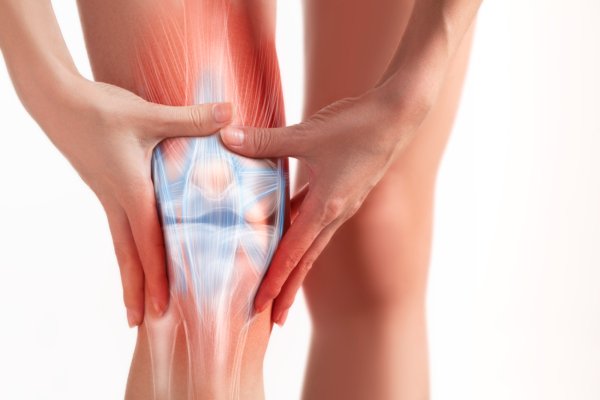
A ligament injury occurs when the strong bands of connective tissue that stabilize a joint become stretched, partially torn, or completely ruptured. Ligament injuries can affect the knee, ankle, shoulder, elbow, wrist, and other joints, causing pain, swelling, instability, and difficulty performing everyday activities.

Whether you are dealing with a sports-related ligament tear injury, an MCL ligament injury, a cruciate ligament injury, or chronic joint instability, early diagnosis and appropriate treatment are essential for preventing long-term complications and achieving optimal recovery.

Ligament Injury Overview

What Is a Ligament Injury?

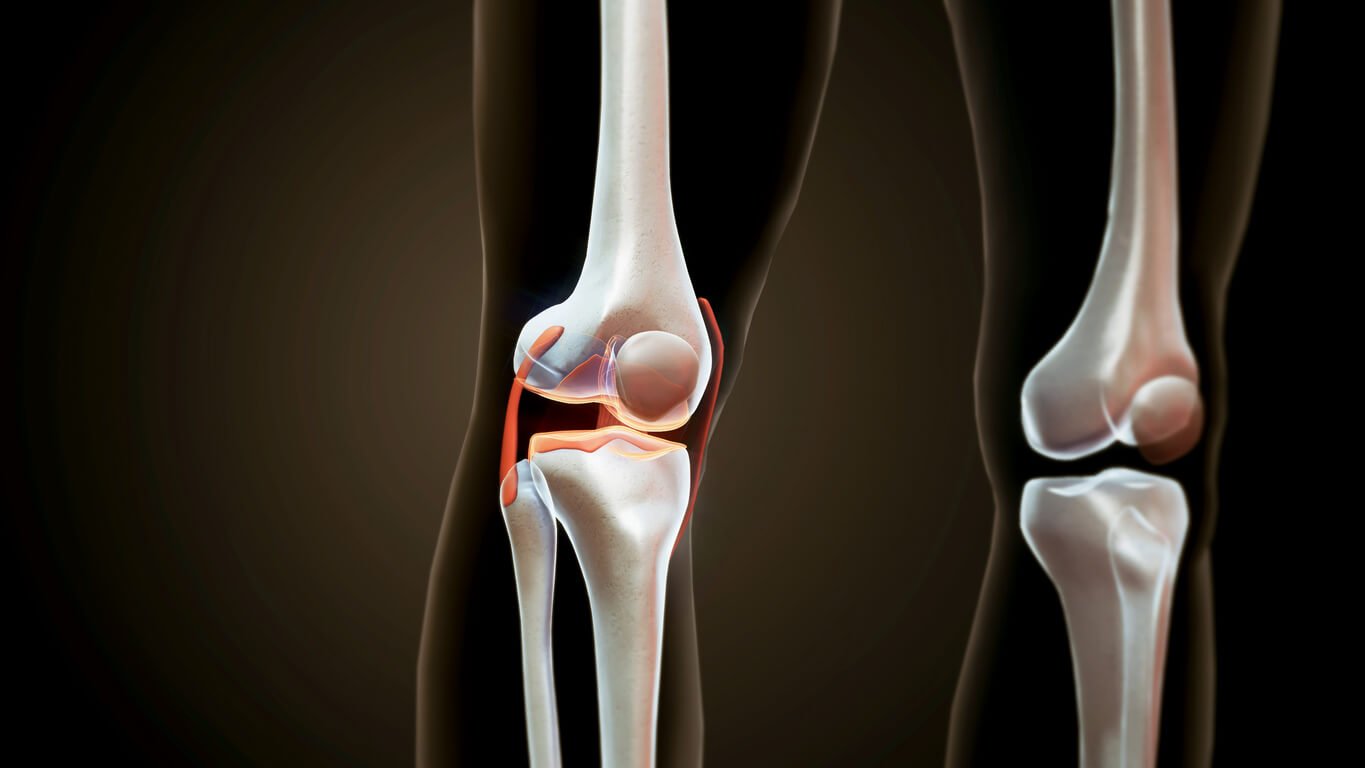
Ligaments are strong bands of fibrous connective tissue that connect one bone to another and help stabilise joints during movement. Their role is to control excessive motion, maintain alignment, and provide support during walking, running, jumping, and direction changes.

A ligament injury occurs when these structures are exposed to forces beyond their normal capacity. This may cause stretching, partial tearing, or complete rupture of the fibres. Early diagnosis and appropriate treatment help restore stability and reduce long-term complications.
01

Grade 1

Mild stretching with minimal functional limitation.

02

Grade 2

Partial tearing with pain, swelling, and reduced stability.

03

Grade 3

Complete rupture causing significant instability and loss of function.

What Is a Ligament Tear Injury?

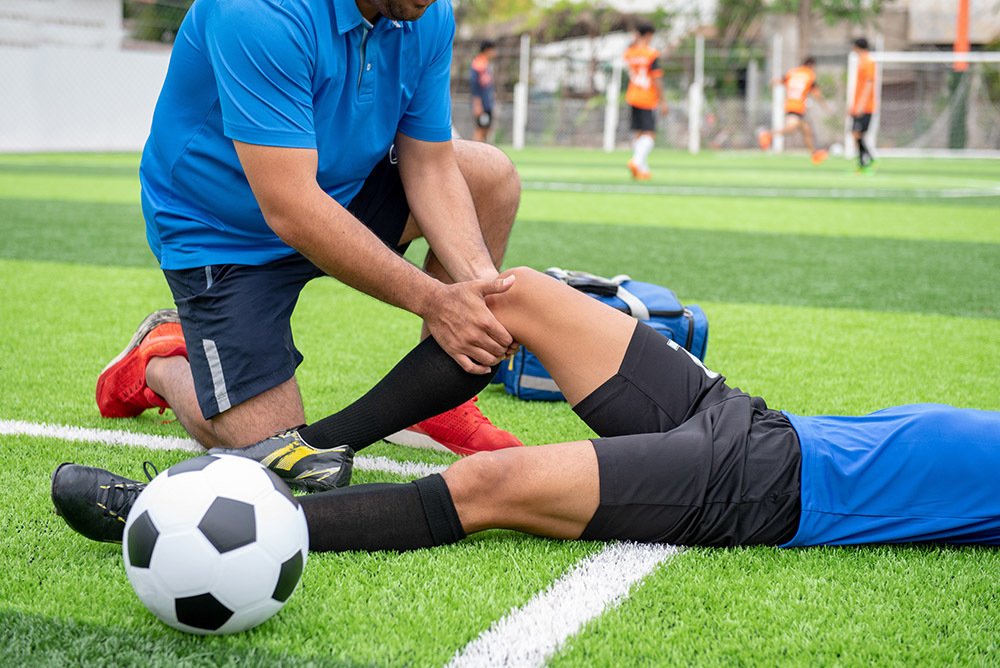
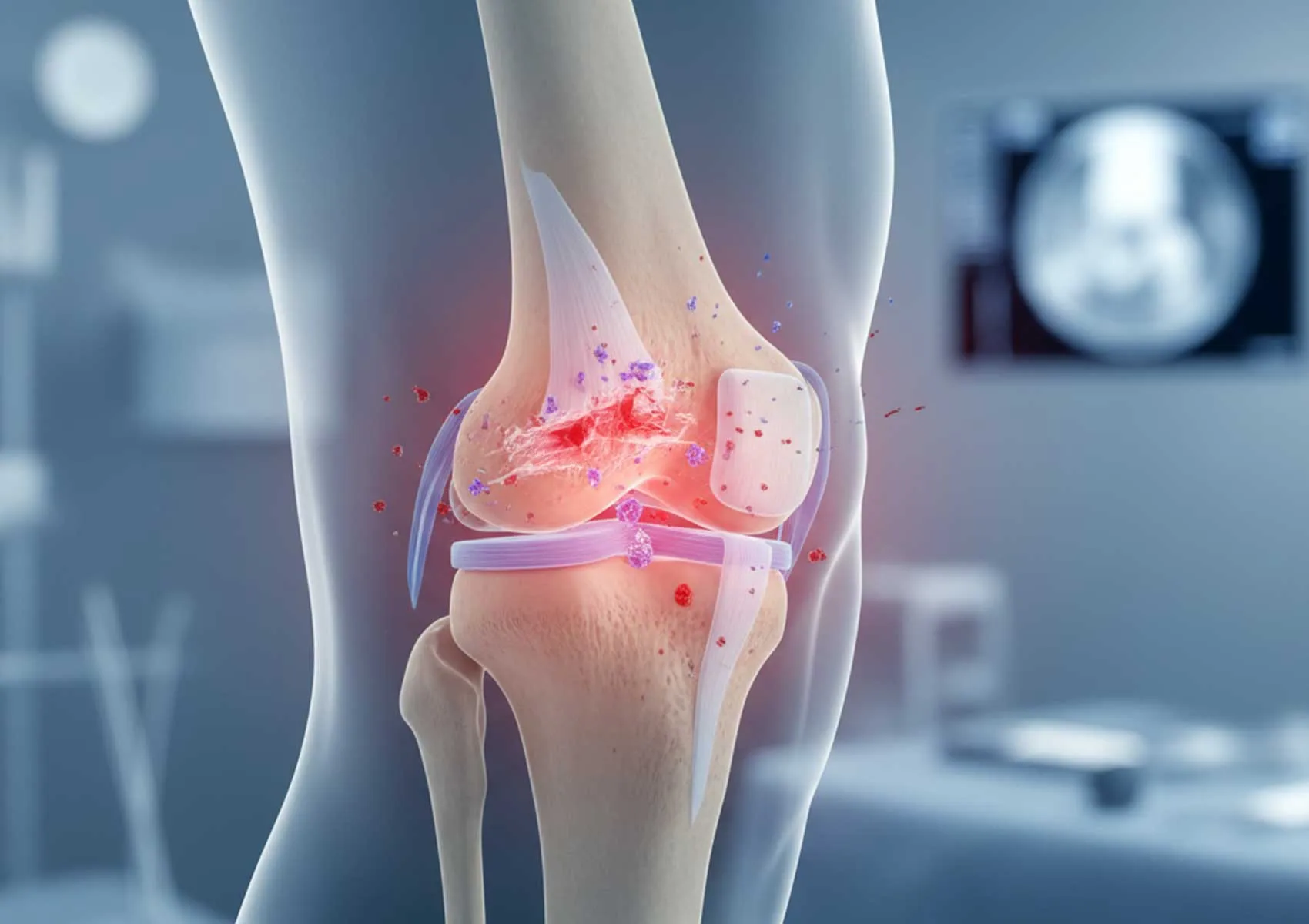
A ligament tear injury occurs when ligament fibres are damaged by excessive force, sudden twisting, sports injury, falls, or direct trauma. Recovery depends on severity and the treatment pathway.

ACL tearsPCL InjuryMCL Ligament InjuryLCL Ligament InjuryElbow ligament injurySL ligament injury of the wrist
Injury Classification

Types of Ligament Injuries

Different joints contain different ligament structures. Understanding the type of injury helps guide diagnosis, imaging, treatment planning, and recovery expectations.
01

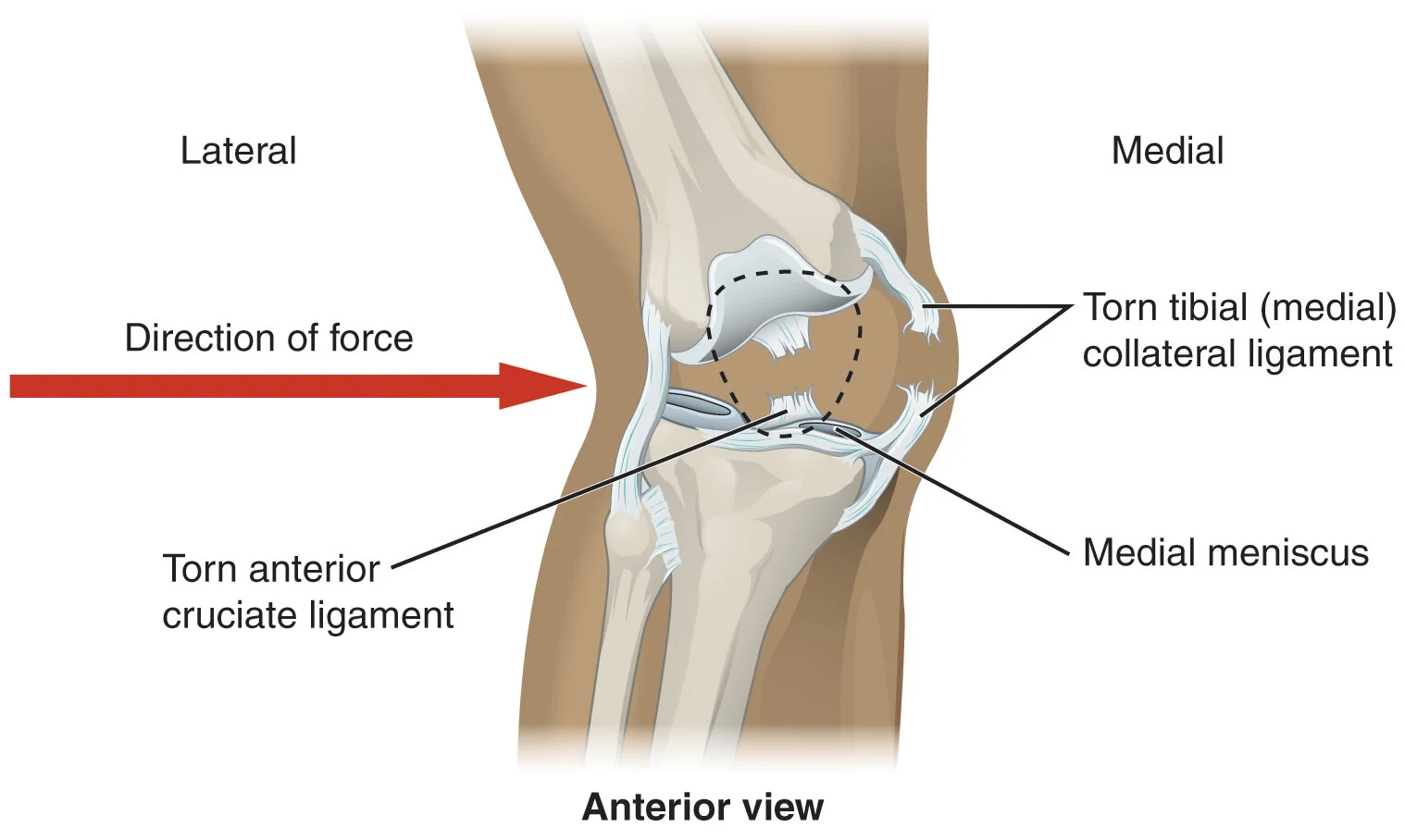
Cruciate Ligament Injury (ACL/PCL)

Affects ligaments inside the knee joint that control forward and backward stability.

02

Collateral Ligament Injury (MCL/LCL)

Involves ligaments on the sides of the knee: MCL inside and LCL outside.

03

Elbow Ligament Injury

Common in throwing athletes and repetitive overhead sports, often involving the UCL.

04

SL Ligament Injury

A wrist ligament injury affecting the scapholunate connection between carpal bones.

05

Posterior Collateral Ligament Injury

Affects stabilising structures at the back and outer side of the knee.

06

Ankle Ligament Injury

Common after twisting movements, causing stretching or tearing of ankle stabilisers.
Symptom Radar

Ligament Injury Symptoms

Recognising symptoms early can help prevent further joint instability, prolonged recovery, and long-term complications.

01

Persistent Pain

Pain around the affected joint that worsens with movement, sport, or weight-bearing.

02

Swelling & Inflammation

Immediate or delayed swelling, warmth, and tenderness around the ligament.

03

Joint Instability

A feeling that the joint may give way during walking, running, or direction change.

04

Limited Range of Motion

Difficulty bending, straightening, or rotating the affected joint.

05

Bruising & Tenderness

Skin discoloration and local tenderness, especially in moderate or severe tears.

06

Functional Limitation

Difficulty walking, climbing stairs, exercising, or performing routine activities.

Biomechanics & Risk

Ligament Injury Causes

Ligament injuries occur when forces applied to a joint exceed the ligament’s ability to maintain stability. Acute trauma, repetitive stress, poor biomechanics, and inadequate conditioning may all contribute.

01

Sudden Trauma or Sports Injury

Direct impact, awkward landings, collisions, or rapid direction changes overload ligaments.

02

Sudden Twisting Movements

Unexpected rotation of the knee, ankle, or wrist can cause ACL, MCL, or wrist ligament injuries.

03

Overuse and Repetitive Strain

Repeated loading from sports or work can weaken ligament fibres over time.

04

Poor Conditioning and Muscle Weakness

Weak surrounding muscles provide less support and increase ligament strain.

05

Improper Sports Technique

Poor landing mechanics, cutting movements, and training errors increase injury risk.

06

Previous Ligament Injury

Incomplete rehabilitation increases the risk of recurrent ligament tear injury.

07

Joint Instability

Chronic instability places excessive load on ligaments and promotes microtrauma.

08

Inadequate Warm-Up

Poor preparation reduces flexibility and increases risk during high-demand activity.

Clinical Insight

A specialist assessment helps match treatment to the injured ligament, joint demands, and patient goals.

FootballBasketballVolleyballTennisRugbyMartial artsSkiingRunning and trail sportsWeightliftingGymnastics
Severity Grading

Three Grades of Ligament Injury

Understanding severity helps determine the correct treatment plan, expected recovery timeline, and whether ligament repair or reconstruction surgery may be required.

01

Grade 1 — Mild Stretch

Fibres are stretched but remain largely intact. Mild pain, minimal swelling, stable joint, and expected recovery of 2–6 weeks.

02

Grade 2 — Partial Tear

Part of the ligament is torn. Moderate pain, swelling, tenderness, instability, and expected recovery of 6–12 weeks.

03

Grade 3 — Complete Tear

Complete rupture with severe instability, bruising, loss of function, and recovery of 3–12 months depending on treatment.

Clinical Insight

Early diagnosis helps prevent chronic instability, delayed healing, and long-term joint complications.

Clinical Diagnosis

Ligament Injury Diagnosis

Accurate diagnosis determines the type, location, and severity of ligament damage. A thorough assessment also distinguishes ligament injuries from tendon injuries, fractures, cartilage damage, and instability disorders.

01

Medical History Assessment

Reviews injury mechanism, previous injuries, symptom progression, activity level, and sport history.

02

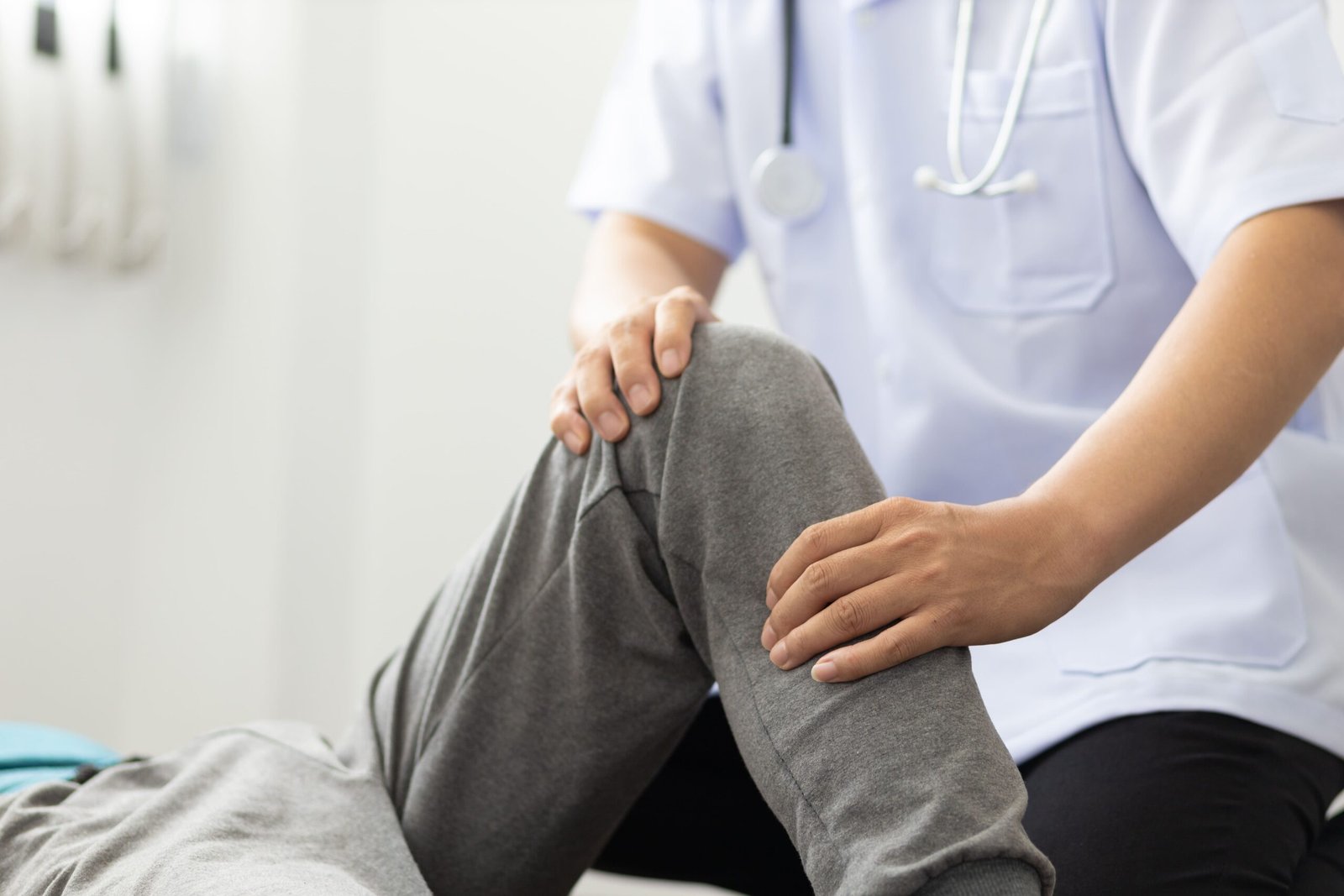
Physical Examination

Assesses pain location, swelling, tenderness, and joint alignment.

03

Range of Motion Testing

Checks active and passive movement, flexibility, and stiffness.

04

Stability & Stress Testing

Evaluates laxity, integrity, and mechanical stability using tests such as Lachman, Posterior Drawer, Valgus, and Varus.

05

X-Ray Imaging

Rules out fractures, bone injuries, and alignment problems.

06

MRI Imaging

Gold-standard soft tissue imaging to confirm tear location, severity, and associated damage.

Confirms ligament injuryIdentifies specific ligamentDetermines gradeRules out associated injuriesGuides treatment strategyProvides recovery timeline
When Should You See a Doctor? main visual
When Should You See a Doctor? clinical visual
When Should You See a Doctor? sports visual
Warning SignalsDo Not Ignore
Warning Signals

When Should You See a Doctor?

Mild sprains may improve with rest, but more significant injuries require specialist assessment to prevent chronic instability, delayed healing, and long-term joint damage.

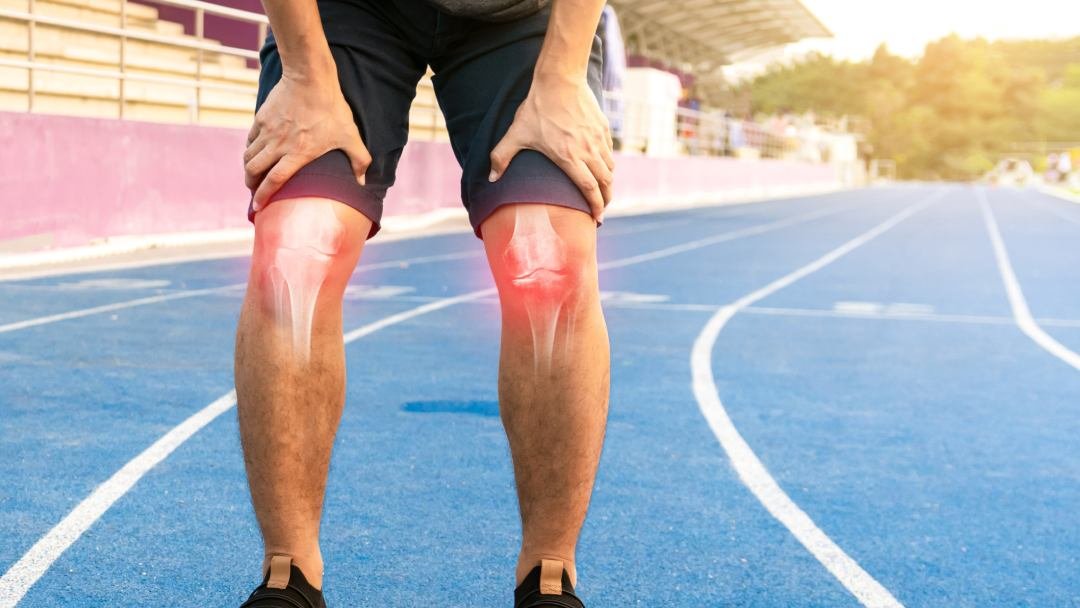
Seek medical attention when pain, swelling, instability, or loss of function persists after a suspected ligament injury.

01

Persistent Pain

Pain lasting more than a few days, worsening with activity, interfering with sleep, or continuing despite home treatment.

02

Joint Instability

Giving-way episodes, difficulty changing direction, poor balance, lack of confidence, or recurrent injuries.

03

Swelling & Bruising

Significant swelling, rapid swelling after trauma, extensive bruising, recurrent swelling, or increasing inflammation.

04

Loss of Function

Difficulty walking, bearing weight, using the limb, performing daily activities, or maintaining athletic performance.

Treatment Pathway

Ligament Injury Treatment Options

Treatment is tailored to injury severity, the ligament involved, and patient activity level. The goals are pain relief, joint stability, better mobility, and a safe return to daily life or sports.

01

Non-Surgical Treatment

Best for Grade 1 and many Grade 2 injuries: RICE, physiotherapy, bracing, PRP in selected cases, and progressive strengthening.

02

Surgical Treatment

Recommended for complete tears, severe instability, recurrent giving-way, high-performance athletes, or associated meniscus/cartilage injuries.

03

Ligament Repair

Direct repair may be possible when the injury is diagnosed early, tissue is healthy, and tear location is suitable.

04

Ligament Reconstruction

Replaces damaged ligament using autograft or allograft tissue when repair is not possible.

05

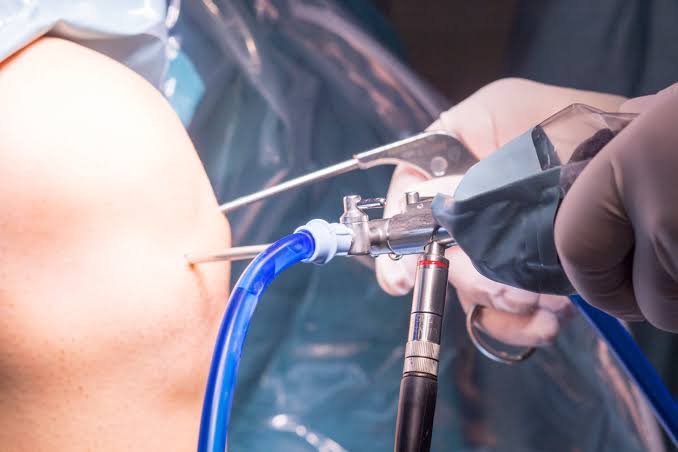
Arthroscopic Surgery

Minimally invasive approach with less pain, smaller scars, reduced tissue damage, and earlier rehabilitation.

06

Post-Surgical Rehabilitation

Focuses on swelling control, motion restoration, strengthening, neuromuscular training, and return-to-sport progression.

Book Expert Ligament Treatment in Sharjah
Recovery Roadmap

Recovery Timeline & Phases - How Long Does It Take?

Recovery time depends on the severity of the injury, the ligament involved, and the rehabilitation process. Mild ligament injuries may recover within weeks, while more severe tears can require several months of treatment and rehabilitation.

01

Grade 1 (Mild Stretch)

2–6 Weeks — Protection & Pain Control. Reduce inflammation, protect injured tissues, control pain, and maintain gentle mobility.

02

Grade 2 (Partial Tear)

6–12 Weeks — Tissue Healing & Mobility Restoration. Restore movement, flexibility, and joint function with progressive strengthening.

03

Grade 3 (Complete Tear)

3–9 Months — Strength & Stability Recovery. Rebuild strength, balance, coordination, and functional movement patterns.

04

Post-Reconstruction Recovery

6–12 Months — Return to Sport & Activity. Advanced rehabilitation, functional exercises, injury prevention, and sport-specific progression.

05

ACL / PCL Reconstruction

6–12 Months — Advanced Recovery Phase. Competitive athletes may require 9–12 months before returning to full sport participation.

Soft Tissue Comparison

Ligament Injury vs Tendon Injury

Patients often confuse ligament injuries with tendon injuries because both affect soft tissues and can cause pain, swelling, and reduced function. They involve different structures and require different treatment approaches.

T

Tendon Injury

A structured clinical pathway helps protect long-term joint function and support safe return to activity.

01

Ligament Injury

Connects bone to bone. Primarily affects joint stability, alignment, and mechanical control.

02

Common Ligament Symptoms

Instability, giving-way sensation, swelling, bruising, and reduced confidence during movement.

03

Tendon Injury

Connects muscle to bone. Primarily affects strength, muscle function, and force production.

04

Common Tendon Symptoms

Pain during movement, localised tenderness, weakness, and reduced athletic performance.

05

Ligament Mechanism

Twisting injuries, sudden directional changes, sports trauma, and joint overload.

06

Tendon Mechanism

Repetitive overuse, excessive loading, degeneration, and poor biomechanics.

Long-Term Risk

Complications if a Ligament Injury Is Left Untreated

Without proper diagnosis and treatment, ligament injury can lead to long-term joint problems that affect mobility, stability, and quality of life.

01

Chronic Joint Instability

Recurrent giving-way episodes, reduced confidence, and increased risk of future injuries.

02

Persistent Pain

Ongoing discomfort during daily activity, exercise, or weight-bearing.

03

Reduced Range of Motion

Limited flexibility and functional restrictions during normal movement.

04

Muscle Weakness & Deconditioning

Reduced activity causes loss of strength, poor balance, and delayed recovery.

05

Secondary Cartilage & Meniscus Damage

Greater stress on joint surfaces and increased likelihood of associated injuries.

06

Early-Onset Osteoarthritis

Progressive joint degeneration, stiffness, discomfort, and long-term function loss.

Rehabilitation Exercises

Ligament Injury Exercises

A structured rehabilitation programme is one of the most important components of ligament injury recovery. The right exercises help restore mobility, improve joint stability, rebuild strength, and reduce the risk of re-injury.

Rehabilitation should always progress gradually and be tailored to the severity of the injury, healing stage, and individual goals. Performing exercises too aggressively or returning to activity too early may delay healing and increase the risk of further ligament damage.

01

Heel Slides

  • Improves joint mobility
  • Reduces stiffness
  • Encourages safe movement during early recovery
  • Lie on your back and slowly slide your heel towards your body.
02

Straight Leg Raises

  • Strengthens supporting muscles without excessive ligament stress
  • Maintains muscle function during recovery
  • Raise the straight leg slowly 30–45 cm, hold briefly, then lower.
03

Single-Leg Balance

  • Restores proprioception
  • Improves balance and coordination
  • Enhances neuromuscular control
  • Stand on the injured leg for 20–30 seconds and progress gradually.
04

Resistance Band Strengthening

  • Builds muscular support around the joint
  • Restores functional stability
  • Perform controlled pulling or pushing movements with gradual resistance.
05

Step-Up Exercise

  • Restores normal movement patterns
  • Builds lower limb control and confidence
  • Step onto a low platform and slowly step down with control.

Additional Focus

Agility drillsDirection-change exercisesJump trainingLanding mechanicsRunning progressionSport-specific conditioning

Exercise progression should always be guided by an orthopaedic specialist or physiotherapist to ensure safe healing and optimal recovery.
Why Choose Dr. Ahmed Azmy

Why Choose Dr. Ahmed Azmy in Sharjah?

Choosing the right orthopaedic specialist is one of the most important decisions when dealing with a ligament injury. Successful treatment requires accurate diagnosis, personalised rehabilitation planning, and advanced treatment options tailored to the severity of the injury and the patient's lifestyle goals.

Dr. Ahmed Azmy provides comprehensive care for patients with sports injuries, ligament tears, joint instability, and complex orthopaedic conditions, helping patients return safely to their daily activities and athletic pursuits.

Whether you are suffering from a cruciate ligament injury, collateral ligament injury, elbow ligament injury, or a complex multi-ligament condition, treatment is designed around restoring stability, improving function, and achieving long-term joint health.

15+ Years of Orthopaedic & Sports Injury Experience
40,000+ Patients Successfully Treated
2,500+ Advanced Joint & Sports Procedures Performed

Comprehensive Ligament Injury Care

With extensive experience in orthopaedic surgery and sports medicine, Dr. Ahmed Azmy has helped thousands of patients overcome pain, instability, and injury-related limitations.
Book an Appointment with Dr. Ahmed Azmy in Sharjah
Dr. Ahmed Azmy Orthopaedic Specialist in Sharjah
Doctor Profile Dr. Ahmed Azmy
Professional Highlights

Advanced Expertise in Ligament & Sports Injury Care

Fellowship-Trained in Germany

Specialist in Arthroscopy & Joint Reconstruction

Expert in Sports Injury Rehabilitation

Advanced Experience in Ligament Reconstruction & Joint Preservation

Focused on restoring stability, function, and long-term joint health

Patient Success Stories

What Our Patients Say About Dr. Ahmed Azmy

Real experiences from patients who underwent ACL reconstruction and advanced knee treatments in Sharjah, restoring their lifestyle, mobility, and confidence.

★★★★★

"Dr. Ahmed Azmy is the best ACL surgeon in Sharjah. I returned to football just 7 months after my arthroscopic reconstruction surgery. Incredible care!"

- Tareq Al-Shamsi
★★★★★

"Highly professional doctor. He diagnosed my partial ACL tear accurately using MRI and saved me from an unnecessary operation with great physiotherapy."

- Sarah Michael
★★★★★

"After my sports injury, my knee was giving way completely. Dr. Azmy performed an excellent repair. Stability is now 100% perfect."

- Firas El-Din
★★★★★

"Excellent experience at the clinic in Sharjah. The care protocol before and after my ACL reconstruction surgery was structured and highly reassuring."

- Amna Al-Mansoori
★★★★★

"Dr. Ahmed is very patient and knowledgeable. He explained my graft options clearly and built a personalized rehab plan for my athletic goals."

- John Fletcher
★★★★★

"I traveled from Ajman to see Dr. Azmy for my chronic knee instability. His advanced minimally invasive approach made my recovery time very fast."

- Khalid Omar
★★★★★

"The gold standard of knee care in the UAE. His team is extremely professional and the post-operative follow-up is exceptionally detailed."

- Mustafa Reda
★★★★★

"Incredible results with PRP therapy combined with focused neuromuscular training. My knee swelling disappeared entirely in a few weeks."

- Elena Rostova
★★★★★

"Dr. Ahmed Azmy is the best ACL surgeon in Sharjah. I returned to football just 7 months after my arthroscopic reconstruction surgery. Incredible care!"

- Tareq Al-Shamsi
★★★★★

"Highly professional doctor. He diagnosed my partial ACL tear accurately using MRI and saved me from an unnecessary operation with great physiotherapy."

- Sarah Michael
★★★★★

"After my sports injury, my knee was giving way completely. Dr. Azmy performed an excellent repair. Stability is now 100% perfect."

- Firas El-Din
★★★★★

"Excellent experience at the clinic in Sharjah. The care protocol before and after my ACL reconstruction surgery was structured and highly reassuring."

- Amna Al-Mansoori
★★★★★

"Dr. Ahmed is very patient and knowledgeable. He explained my graft options clearly and built a personalized rehab plan for my athletic goals."

- John Fletcher
★★★★★

"I traveled from Ajman to see Dr. Azmy for my chronic knee instability. His advanced minimally invasive approach made my recovery time very fast."

- Khalid Omar
★★★★★

"The gold standard of knee care in the UAE. His team is extremely professional and the post-operative follow-up is exceptionally detailed."

- Mustafa Reda
★★★★★

"Incredible results with PRP therapy combined with focused neuromuscular training. My knee swelling disappeared entirely in a few weeks."

- Elena Rostova
★★★★★

"Outstanding orthopedic surgeon. My complete ACL tear plus meniscus damage was treated with high precision via arthroscopy. Highly recommended!"

- Saeed Al-Hajri
★★★★★

"Dr. Azmy gave me my life back. The intense pain when walking and knee catching sensations are completely gone after his treatment protocol."

- Maria Santos
★★★★★

"Brilliant experience. Functional testing and strict rehabilitation milestones guided by Dr. Ahmed helped me return to basketball safely."

- Youssef Karim
★★★★★

"A master of knee preservation. His conservative management plan for my acute strain was highly effective. No pain, full motion restored."

- Fatima Al-Ali
★★★★★

"If you want accurate diagnosis and a clear recovery roadmap for knee instability, Dr. Ahmed Azmy is absolutely the right choice."

- Arthur Pendelton
★★★★★

"The arthroscopic surgery was seamless. Minimal pain post-op, and my range of motion is improving faster than expected in physical therapy."

- Naser Hamad
★★★★★

"Very trustworthy specialist. He won't recommend surgery unless it is strictly necessary. His ethical approach is highly appreciated."

- Dr. Robert Cole
★★★★★

"Dr. Ahmed's expertise in treating high-impact sports injuries gave me the confidence to push through my ACL recovery phases safely."

- Ziad El-Mallah
★★★★★

"Outstanding orthopedic surgeon. My complete ACL tear plus meniscus damage was treated with high precision via arthroscopy. Highly recommended!"

- Saeed Al-Hajri
★★★★★

"Dr. Azmy gave me my life back. The intense pain when walking and knee catching sensations are completely gone after his treatment protocol."

- Maria Santos
★★★★★

"Brilliant experience. Functional testing and strict rehabilitation milestones guided by Dr. Ahmed helped me return to basketball safely."

- Youssef Karim
★★★★★

"A master of knee preservation. His conservative management plan for my acute strain was highly effective. No pain, full motion restored."

- Fatima Al-Ali
★★★★★

"If you want accurate diagnosis and a clear recovery roadmap for knee instability, Dr. Ahmed Azmy is absolutely the right choice."

- Arthur Pendelton
★★★★★

"The arthroscopic surgery was seamless. Minimal pain post-op, and my range of motion is improving faster than expected in physical therapy."

- Naser Hamad
★★★★★

"Very trustworthy specialist. He won't recommend surgery unless it is strictly necessary. His ethical approach is highly appreciated."

- Dr. Robert Cole
★★★★★

"Dr. Ahmed's expertise in treating high-impact sports injuries gave me the confidence to push through my ACL recovery phases safely."

- Ziad El-Mallah

FAQ

You should see a ligament injury specialist in Sharjah if you experience persistent pain, swelling, joint instability, or difficulty performing normal activities after an injury. Symptoms such as a popping sensation, inability to bear weight, recurrent swelling, or the feeling that a joint is giving way may indicate a significant ligament tear. Early evaluation is important because untreated ligament injuries can lead to chronic instability, cartilage damage, and delayed recovery. A specialist assessment helps determine the severity of the injury and identify the most effective treatment plan.

The best treatment for a ligament injury depends on the severity of the tear, the ligament involved, and the level of joint instability. Mild injuries often improve with physiotherapy, bracing, activity modification, and rehabilitation. More advanced cases may benefit from regenerative treatments such as PRP therapy to support healing. Complete ligament tears or injuries causing significant instability may require arthroscopic ligament reconstruction. At Dr. Ahmed Azmy’s clinic, treatment plans are tailored to each patient’s condition, lifestyle, and recovery goals to achieve the best possible outcome and long-term joint stability.

Ligament injury recovery time varies depending on the type of ligament involved, the severity of the injury, and the treatment approach. Mild ligament sprains may heal within two to six weeks, while partial tears often require six to twelve weeks of rehabilitation. Complete ligament tears may take several months to recover, especially if surgery is required. Following a structured rehabilitation programme is one of the most important factors influencing recovery. Early diagnosis, proper treatment, and consistent physiotherapy can help improve healing and reduce the risk of future injuries.

Yes, many ligament injuries can heal without surgery, particularly Grade 1 sprains and Grade 2 partial tears. Conservative treatment typically includes physiotherapy, activity modification, bracing, pain management, and strengthening exercises. The goal is to restore stability, improve function, and allow the ligament to heal naturally. However, complete ligament ruptures or injuries causing severe instability may require surgical reconstruction to restore normal joint mechanics. A thorough assessment is essential to determine whether non-surgical treatment is appropriate for a specific ligament injury.

The most common ligament injury symptoms include pain, swelling, bruising, joint instability, stiffness, and reduced range of motion. Many patients also experience difficulty walking, running, climbing stairs, or participating in sports. In more severe cases, a popping sensation may occur at the moment of injury, followed by immediate swelling and reduced function. Symptoms vary depending on the ligament involved and the severity of the tear. If symptoms persist or interfere with daily activities, professional evaluation is recommended to prevent long-term complications and ensure appropriate treatment.

An MRI is often recommended when a ligament tear is suspected or when symptoms suggest significant joint damage. MRI scans provide detailed images of ligaments, tendons, cartilage, menisci, and surrounding soft tissues, making them one of the most accurate tools for diagnosing ligament injuries. While not every patient requires an MRI, it is particularly useful for evaluating ACL tears, PCL injuries, collateral ligament injuries, and complex sports injuries. The decision to order an MRI depends on the findings of the physical examination and the severity of the symptoms.

A ligament injury that is left untreated may lead to chronic joint instability, persistent pain, muscle weakness, and recurrent injuries. Over time, abnormal joint movement can place excessive stress on cartilage and surrounding structures, increasing the risk of meniscus tears and early-onset osteoarthritis. Many patients initially ignore symptoms because pain improves with rest, but instability often remains. Seeking treatment early can help restore joint function, prevent long-term damage, and reduce the likelihood of future complications that may require more extensive treatment.

Yes, many athletes successfully return to sports after recovering from a ligament injury. The timeline depends on the severity of the injury, the ligament involved, and adherence to a structured rehabilitation programme. Recovery typically includes strength training, balance exercises, agility drills, and sport-specific conditioning designed to restore performance and reduce the risk of re-injury. Athletes recovering from major ligament injuries, such as ACL tears, often require several months of rehabilitation before returning to competitive activities. Clearance should always be based on functional recovery rather than time alone.

A ligament injury affects the tissues that connect bone to bone and stabilise joints, while a tendon injury affects the tissues that connect muscles to bones and help create movement. Ligament injuries commonly cause joint instability, swelling, and a feeling that the joint may give way. Tendon injuries are more often associated with pain during movement, weakness, and reduced muscle performance. Because symptoms can sometimes overlap, a professional evaluation is important to determine the exact cause of pain and ensure the most appropriate treatment plan is provided.

Dr. Ahmed Azmy provides comprehensive ligament injury treatment in Sharjah using a personalised approach based on accurate diagnosis, evidence-based rehabilitation, and advanced orthopaedic techniques. With more than 15 years of experience, over 40,000 patients treated, and extensive expertise in arthroscopy and joint reconstruction, he offers specialised care for sports injuries, ligament tears, and joint instability. Every treatment plan is tailored to the patient’s condition and goals, with the aim of reducing pain, restoring stability, improving function, and helping patients return safely to daily activities and sports.

contact us today and start your journey to optimal health and performance.

Location

Sharjah, UAE

Working Hours

Saturday – Thursday: 9AM – 7PM
Friday : OFF

Contact Form dr
Dr. Ahmed Azmy Orthopedic & Sports Injuries logo.

Redefining Orthopedic Excellence in the UAE. Dr. Ahmed Azmy known as The Best Ortho Surgeon in Sharjah offers world-class, compassionate, and personalized treatments for sports injuries and advanced joint reconstruction.

Contact Us

Powered By ICONCLY Medical © 2026 . All rights reserved.

Patient Connection Hub