ACL Tear Treatment & Recovery in Sharjah : Symptoms, Causes, Treatment & Recovery
Expert ACL tear diagnosis and treatment in Sharjah by Dr. Ahmed Azmy | Restore knee stability and return to activity safely | Serving patients from Sharjah, Ajman, and across the UAE
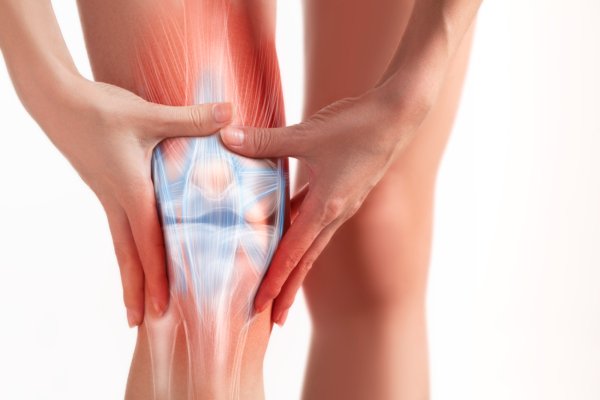
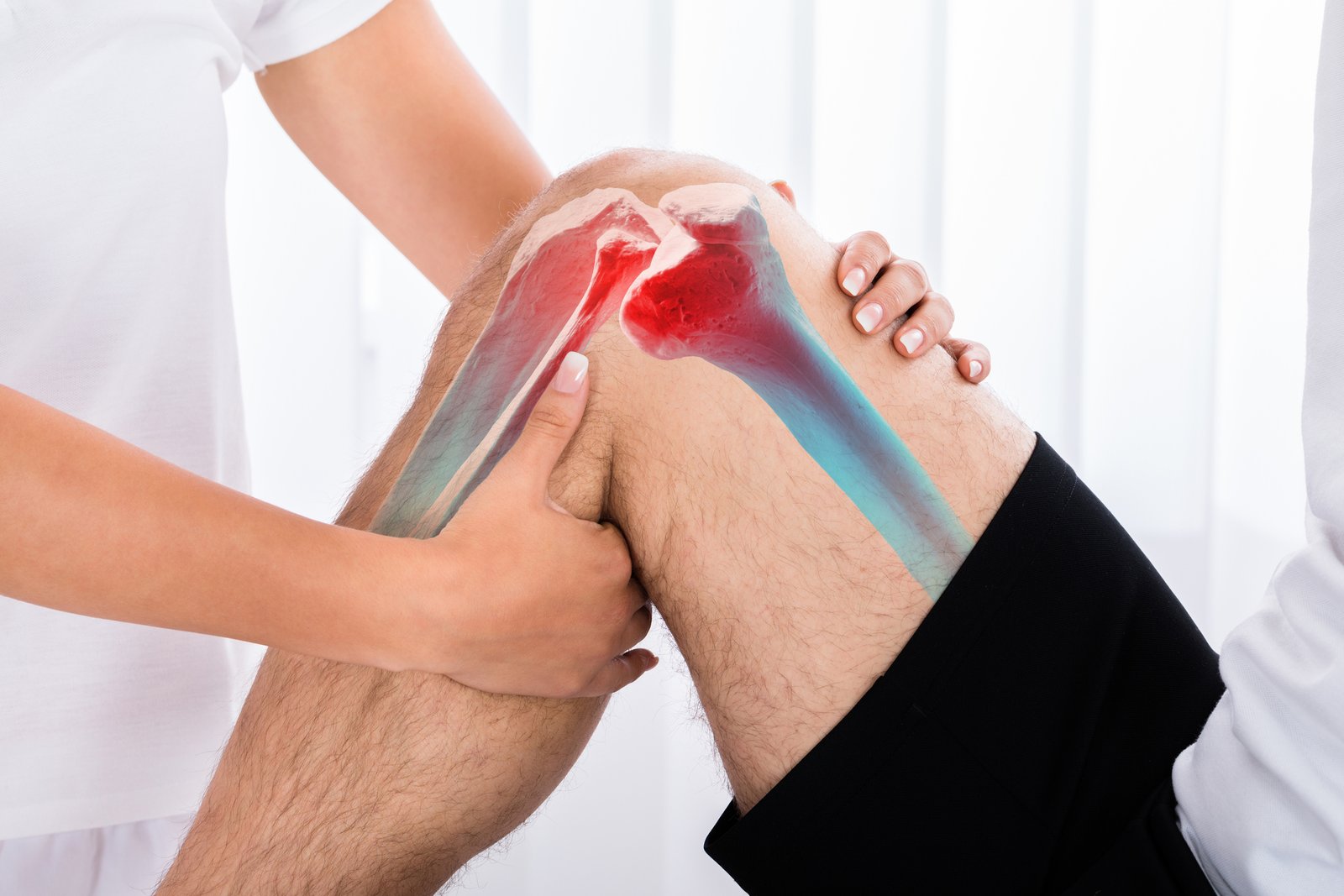
An ACL tear (anterior cruciate ligament injury) is one of the most common knee injuries, especially among athletes and active individuals. It can cause sudden pain, swelling, and a feeling that the knee is unstable or “giving way.”
If not treated properly, an ACL injury can affect long-term knee stability, mobility, and joint health. At our clinic, we provide advanced ACL tear treatment in Sharjah, helping patients from Sharjah, Ajman, and across the UAE recover safely, regain strength, and return to their normal activities with confidence.
What Is an ACL Tear?
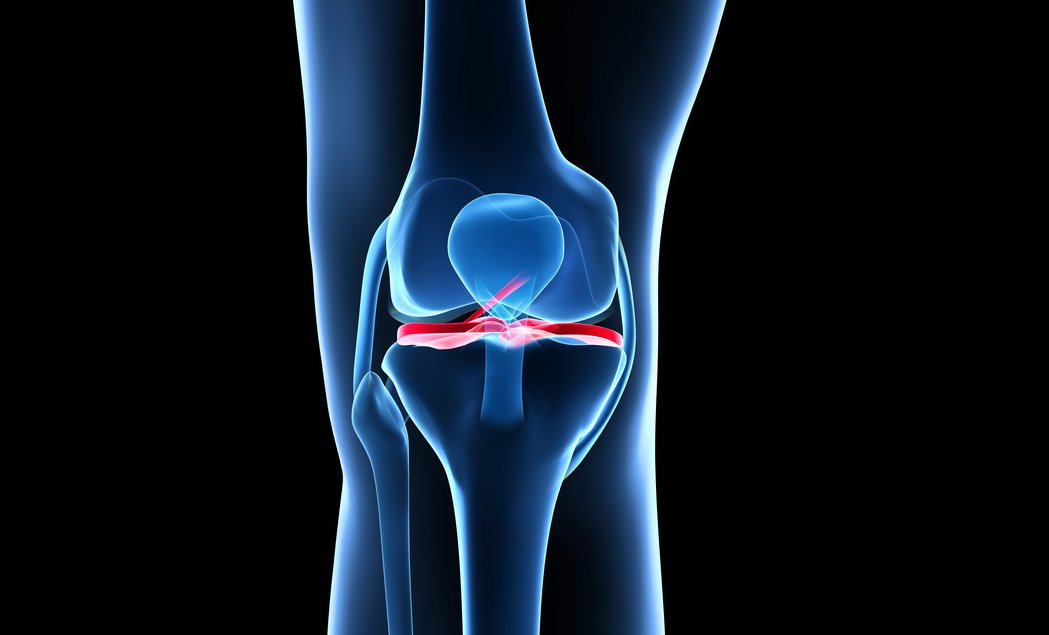
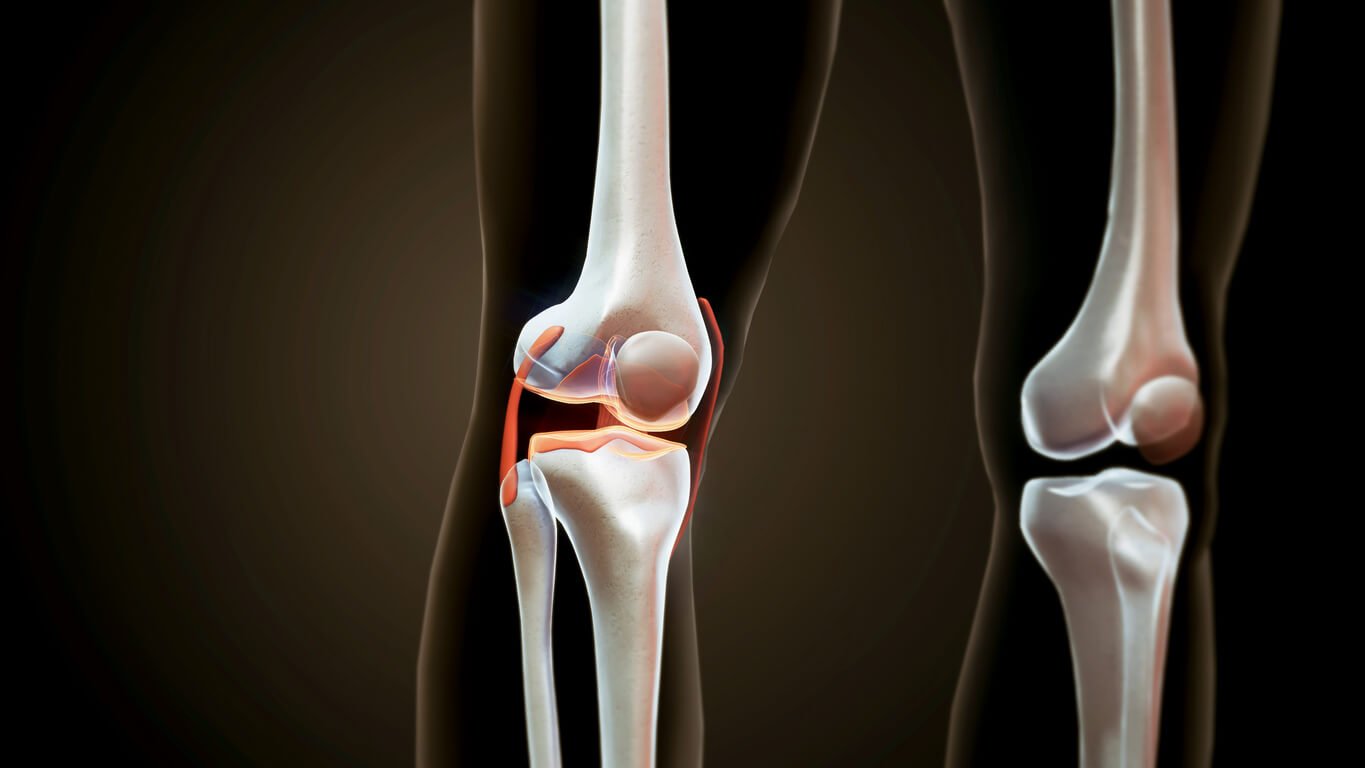
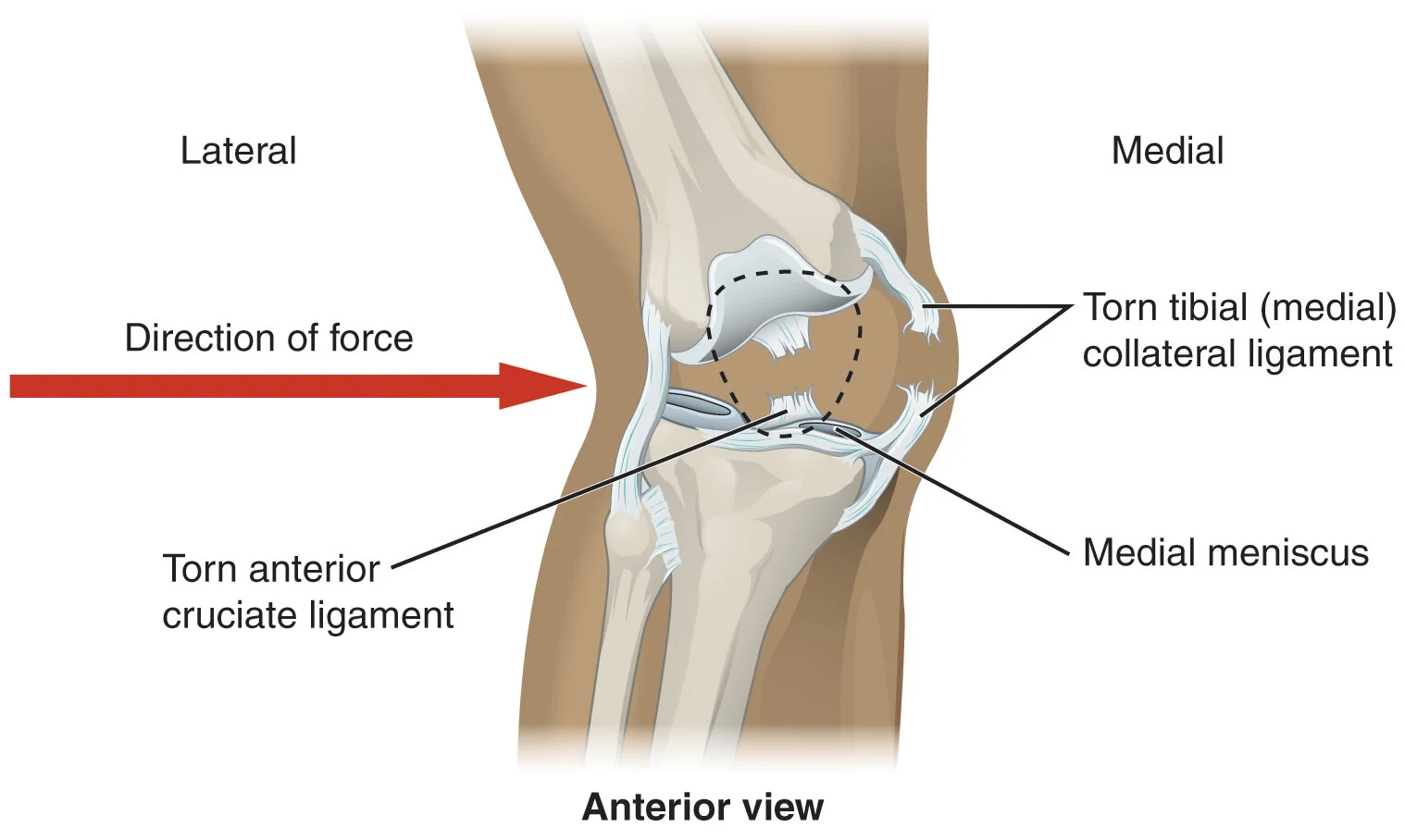
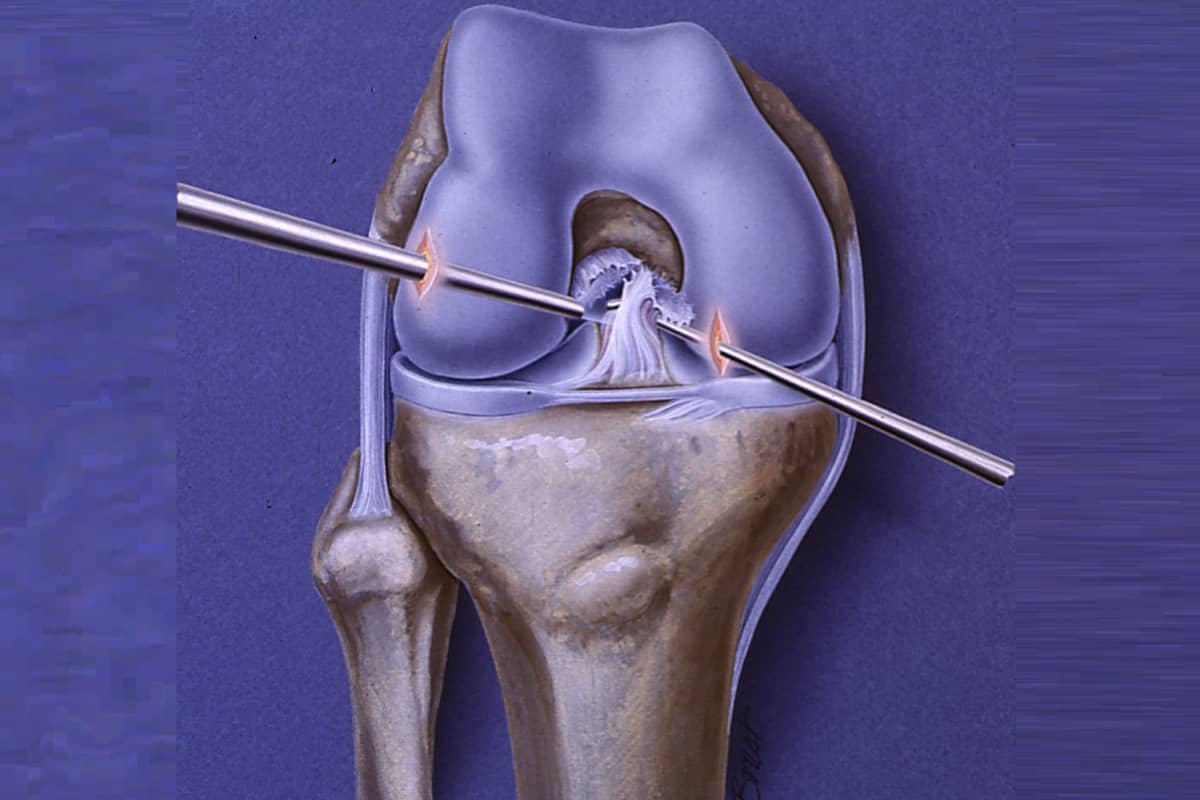
An ACL tear (anterior cruciate ligament injury) occurs when the anterior cruciate ligament, one of the key stabilizing ligaments in the knee, is overstretched or torn due to excessive force or sudden movement.
This ligament plays a crucial role in controlling knee stability, especially during activities that involve pivoting, jumping, or rapid direction changes, which is why ACL tear sports injuries are very common.
An ACL ligament tear can range from a mild stretch (partial injury) to a complete rupture, significantly affecting knee stability, balance, and overall movement. In more severe cases, the knee may feel unstable or “give way,” making it difficult to walk, run, or participate in physical activity.
Understanding how ACL tears happen is important for prevention and early treatment. Most injuries occur during sports or high-impact activities, but they can also result from accidents or improper landing techniques.
If not properly managed, an ACL injury can lead to long-term complications such as cartilage damage, meniscus injury, or chronic knee instability. Early diagnosis and the right ACL tear treatment are essential to restore function, reduce pain, and support full recovery.
What Causes an ACL Tear?
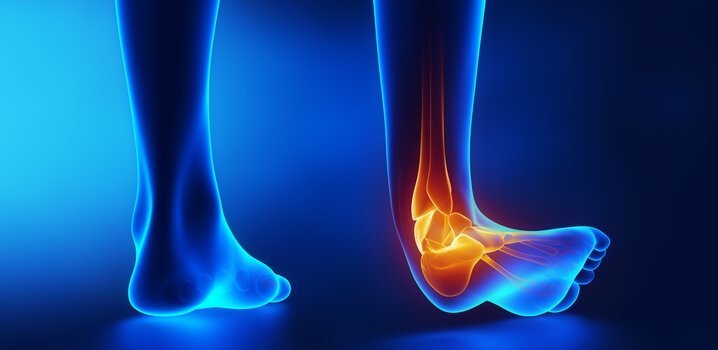
An ACL tear usually occurs when excessive force is placed on the knee joint, especially during movements that involve sudden direction changes, pivoting, or high-impact activity. Most ACL injuries are non-contact, meaning they happen without direct impact, often due to improper movement mechanics.
Acute Injury Mechanisms
Sudden stress factors that overstretch or completely rupture the stabilizing ligament structure:
- Sudden twisting or pivoting of the knee joint
- Rapid stopping or changing direction during intense movement
- Landing incorrectly after jumping (highly common in dynamic play)
- Direct trauma or collision affecting the knee directly
High-Demand Sports Activities
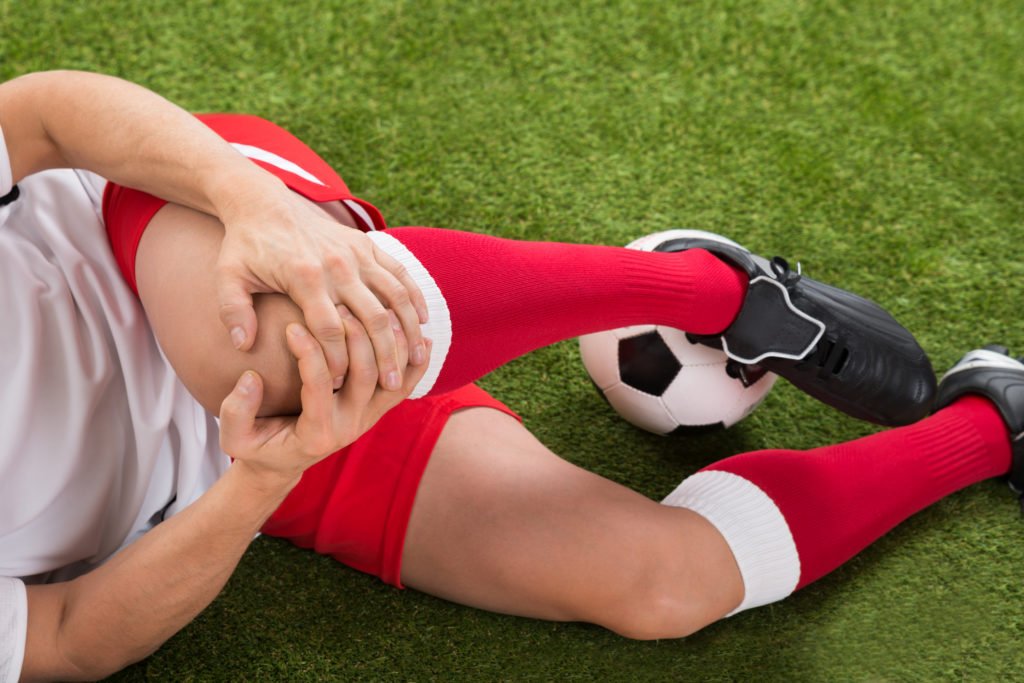
ACL tear sports injuries are frequent due to repetitive stress and instantaneous twisting under full velocity:
- Football: Sudden cutting maneuvers and boots locking in turf
- Basketball: High jumps, deceleration, and unstable landings
- Skiing: Rotational forces acting heavily on the joint axis
- High-impact pivot sports: Immediate stress shifts
Predisposing Risk Factors
Improper movement mechanics and anatomical variables that heighten vulnerability:
- Muscle imbalance between primary quadriceps and hamstrings
- Poor neuromuscular control, spatial coordination, or reflex timing
- Previous ACL injury or unresolved structural knee instability
- Weak kinetic core or improper technical alignment during landing
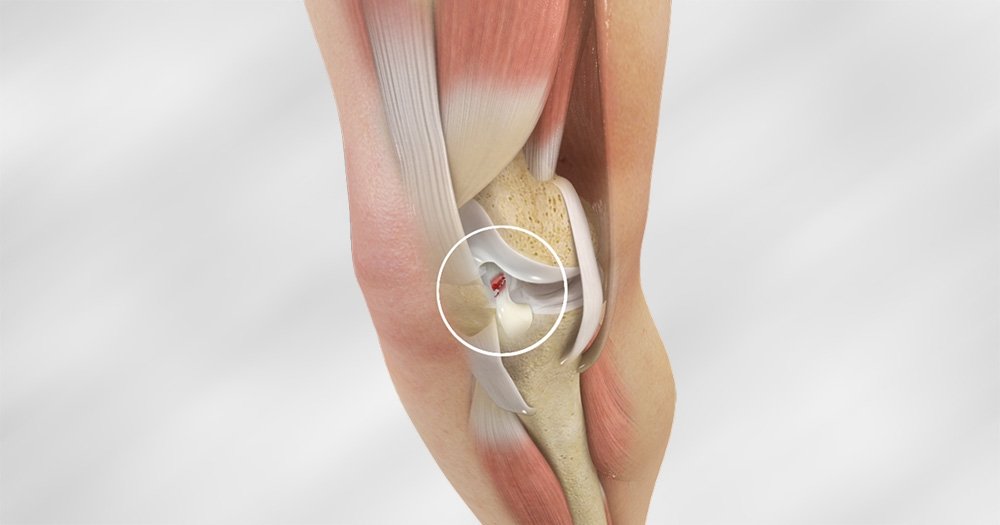
Diagnosing an ACL Injury
Accurate diagnosis is the first step in effective ACL tear treatment in Sharjah. A proper evaluation helps determine the severity of the injury, identify associated damage, and guide the most suitable treatment plan. Patients from Sharjah and nearby Ajman benefit from access to precise diagnostic tools and expert evaluation for early and accurate results.
Diagnosis begins with a detailed clinical examination, where the doctor assesses knee stability, range of motion, and pain response. Advanced imaging plays a key role, MRI is considered the gold standard for confirming an ACL ligament tear and detecting associated injuries such as meniscus or cartilage damage.
Detailed Clinical Examination
Evaluation of knee movement, swelling, and stability to detect signs of an ACL injury.
Specialized Knee Stability Tests
Tests such as Lachman and Pivot Shift help confirm ligament damage and instability.
MRI Scan
Provides detailed imaging to confirm the extent of the ACL tear and identify associated soft tissue injuries.
X-rays
Used to rule out fractures or bone-related injuries that may occur alongside ACL damage.
Accurate diagnosis is crucial to determine the most appropriate ACL tear treatment plan.
ACL Tear Symptoms & Progression
Symptoms often begin immediately after injury. Some patients experience ongoing instability or repeated knee giving-way episodes, with variations depending on whether the tear is partial or complete.
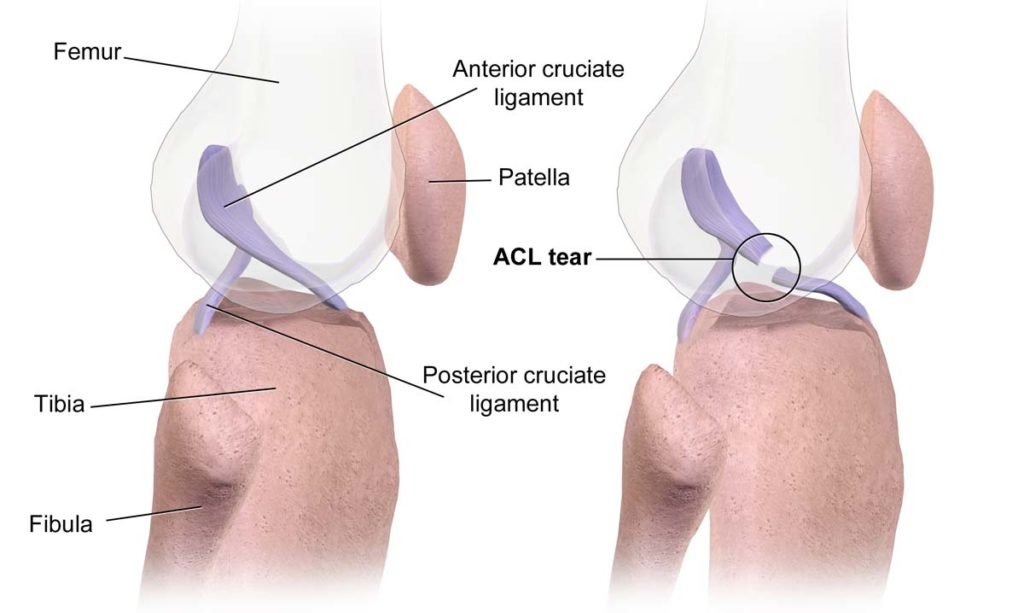
Common ACL Symptoms
A popping sound or sensation at the time of injury
Immediate knee swelling within hours
Knee instability or “giving way” sensations
Severe pain when walking or bearing weight
Significantly reduced range of joint motion
Acute vs Chronic Comparison
Recognizing warning signs early and seeking timely evaluation can help prevent further knee instability and long-term joint damage.You should consult an orthopedic specialist if you experience:
Persistent knee instability
Recurrent knee buckling
Swelling that does not improve
Difficulty returning to sports or daily activities
ACL Tear Treatment Options in Sharjah
Treatment for an ACL tear depends on the severity of the injury, knee stability, and individual activity level. Both non-surgical and surgical options are carefully considered to restore function and prevent further damage.
Non-Surgical ACL Treatment
Suitable For:
- Partial ligament tears
- Low-activity individuals
- Stable knees without recurrent instability episodes
Therapeutic Options:
- Custom physical therapy & target rehabilitation
- Specialized knee bracing for alignment support
- Activity modification to eliminate high-impact shifting
- PRP therapy (evaluated when appropriate)
Surgical ACL Injury Treatment
Recommended For:
- Complete ACL tears (ruptures)
- Athletes and individuals in high-demand occupations
- Persistent, unresolved knee instability and weakness
Standard Clinical Procedure:
The definitive standard is modern minimally invasive ACL reconstruction surgery, which safely replaces the damaged or torn ligament structure with a precise tissue graft.
Why Choose Dr. Ahmed Azmy for ACL Injury Treatment?
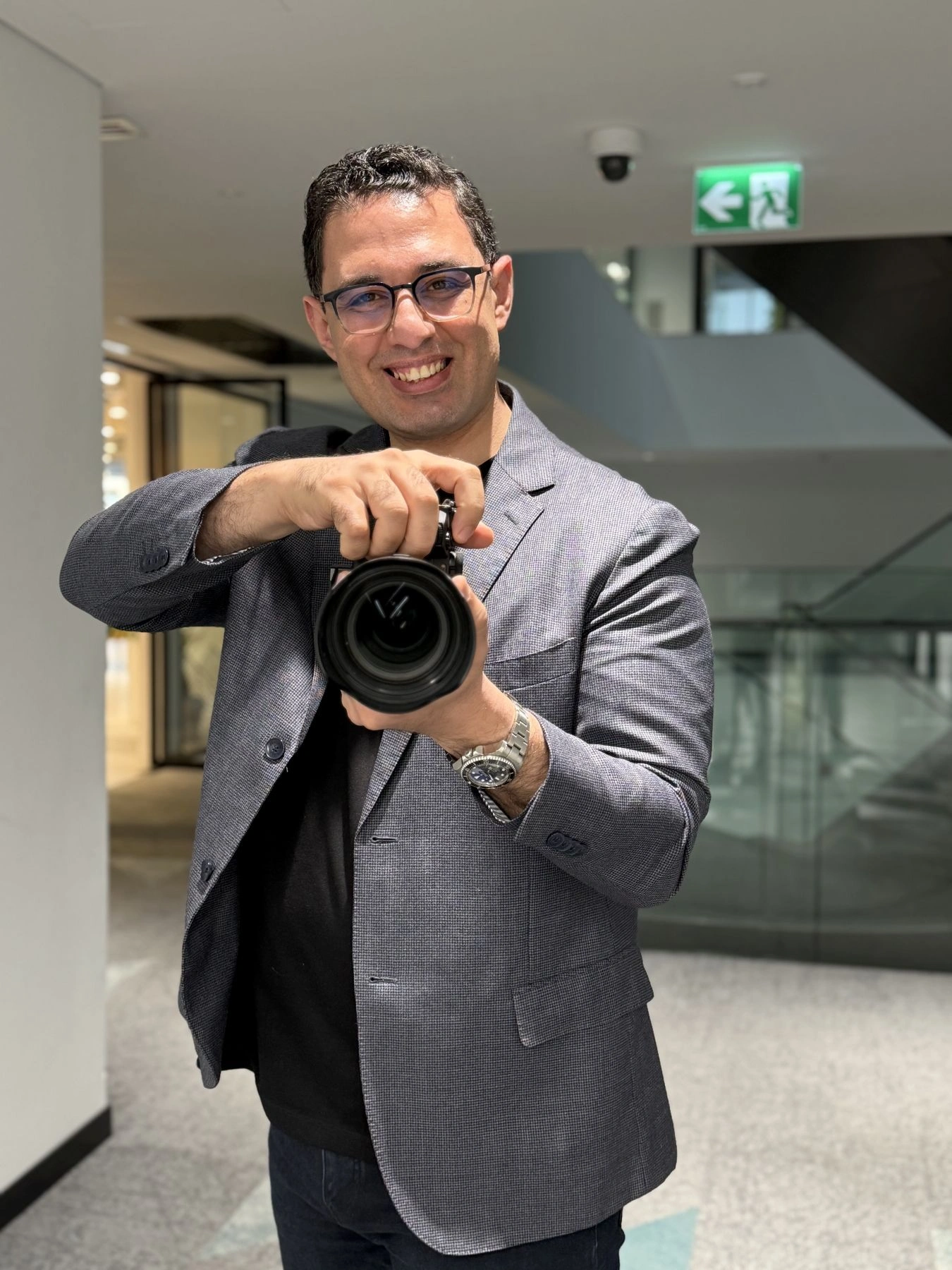
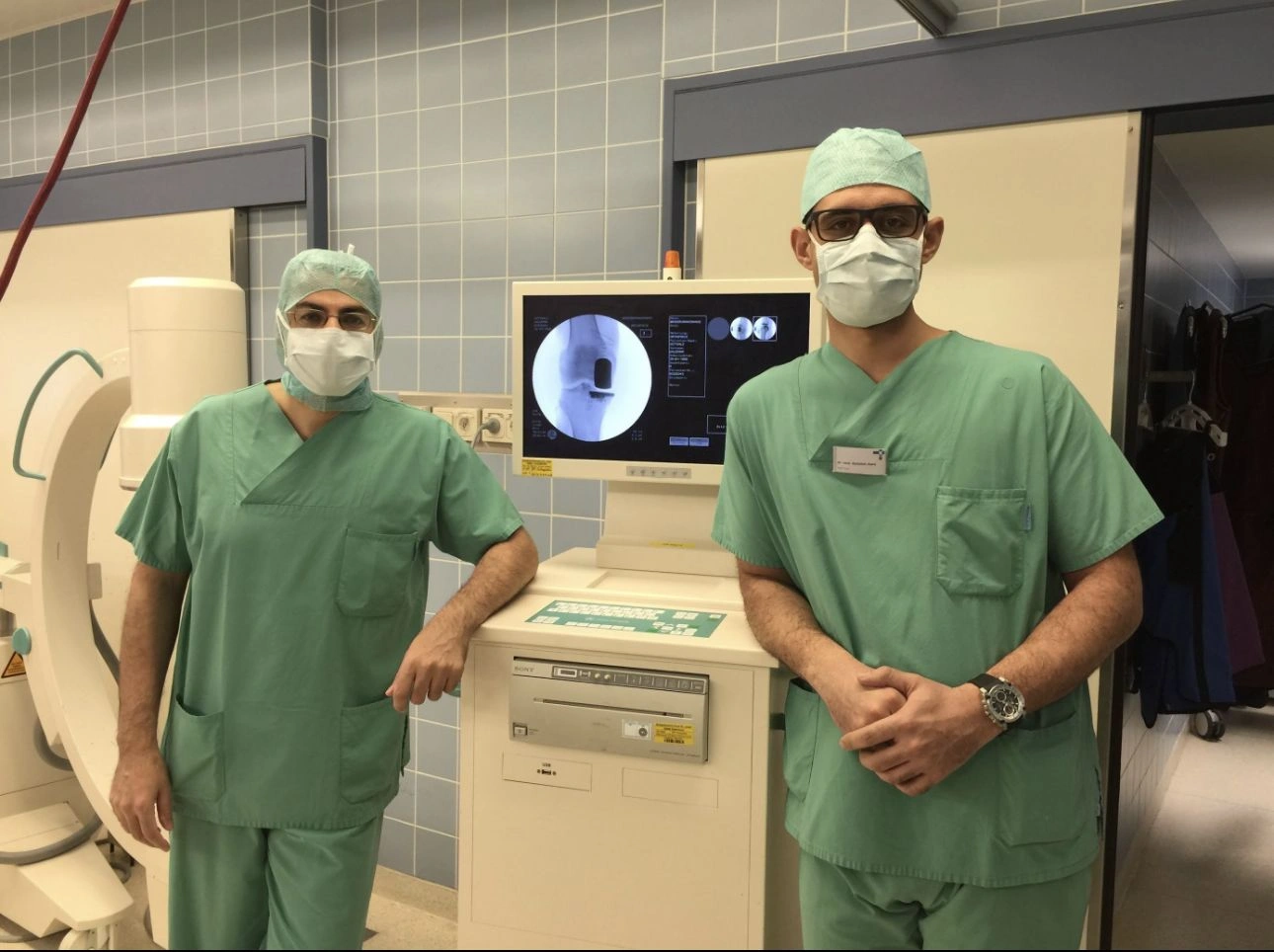
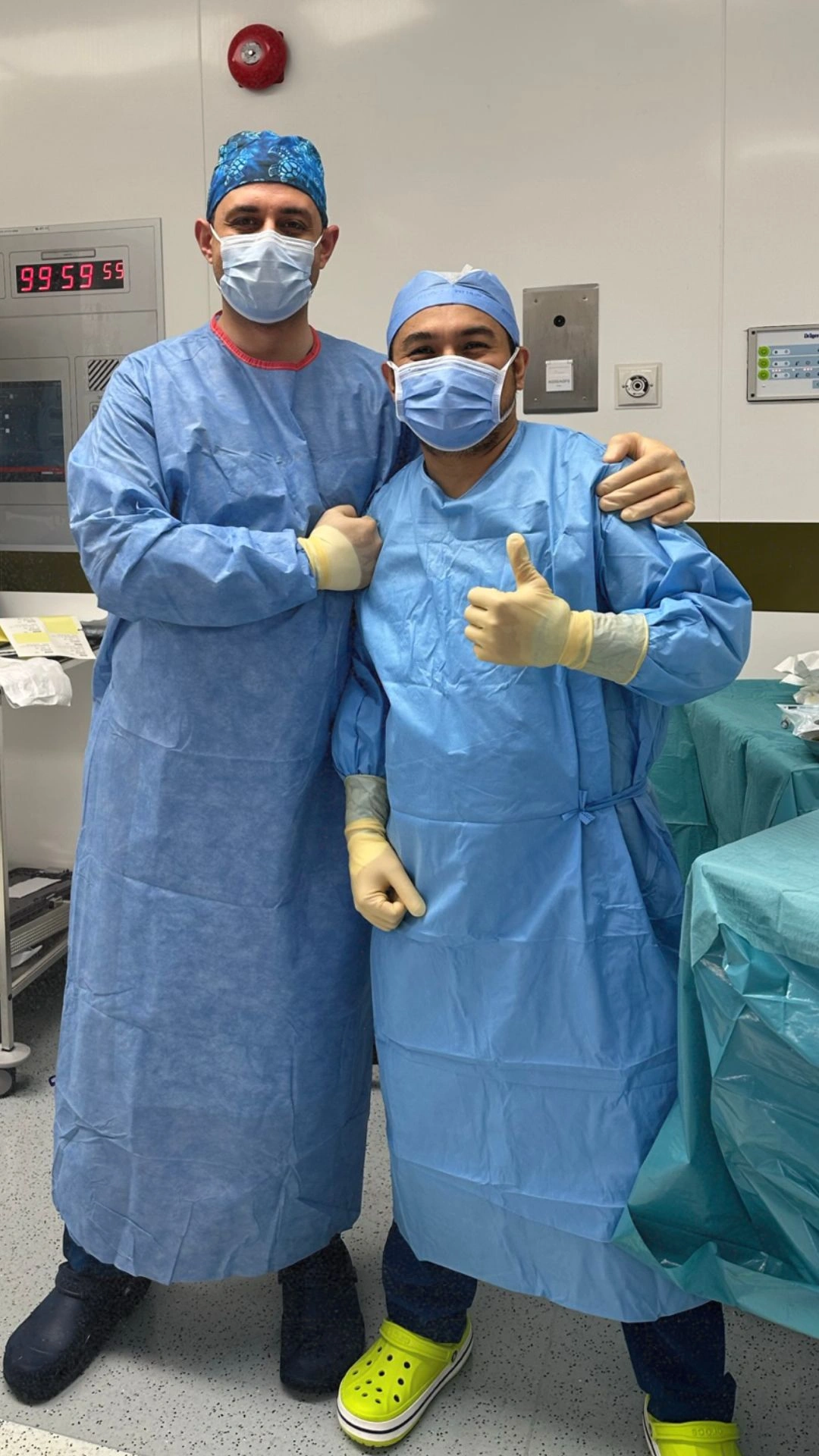
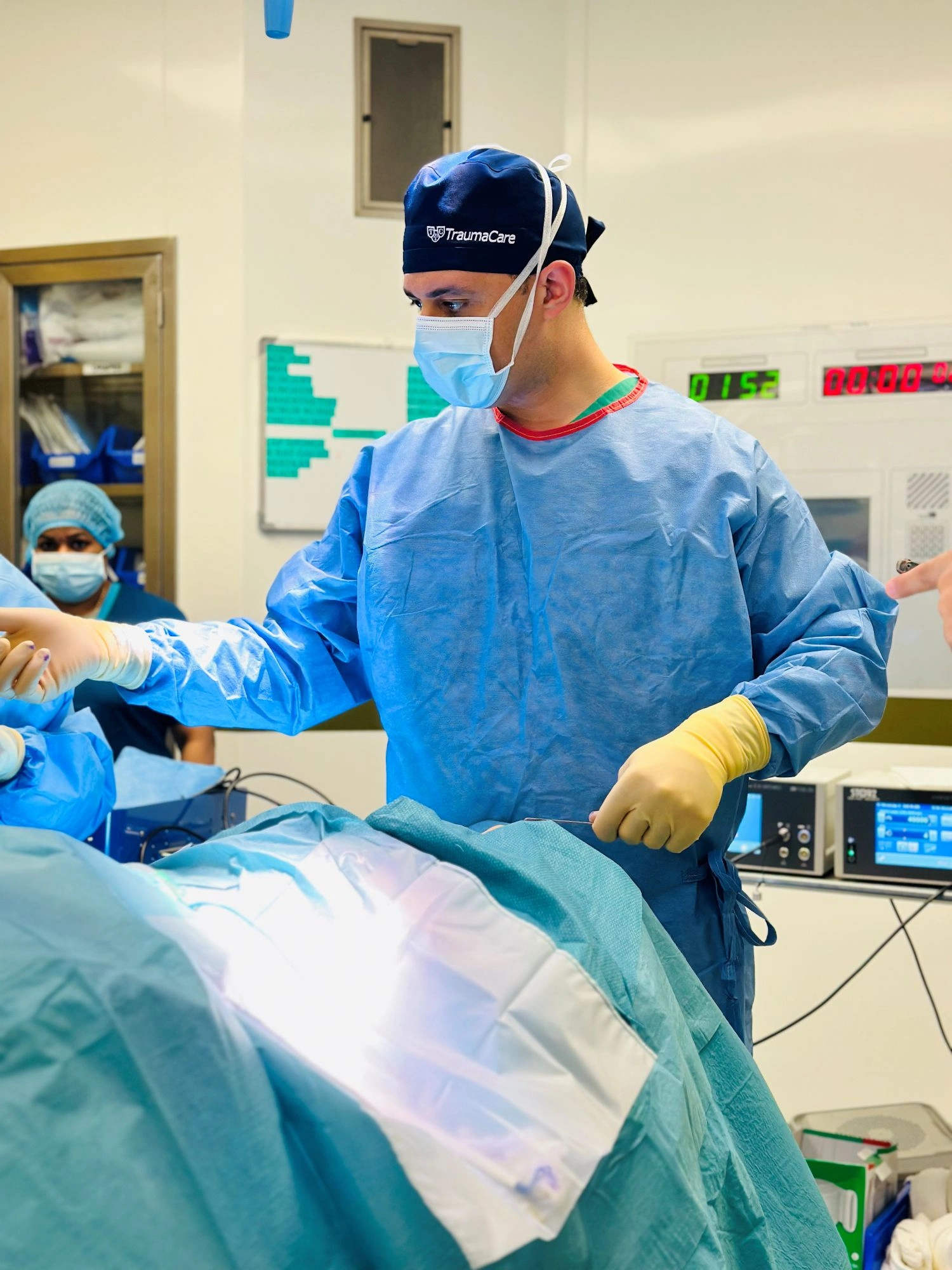
Choosing the right specialist is essential for successful ACL tear treatment in Sharjah. Dr. Ahmed Azmy combines advanced expertise with a patient-focused approach to deliver accurate diagnosis, effective treatment, and long-term recovery. Patients from Sharjah, and across the UAE trust his experience in managing complex knee ligament injuries with precision and care.
Trusted by Athletes Across UAE
Specialized expertise in ACL and knee ligament injuries with focused experience in diagnosing and treating sports-related ACL tears.
Advanced Diagnostic Techniques
Accurate assessment using clinical evaluation and high-resolution imaging for precise, error-free treatment planning.
Personalized Treatment Plans
Tailored care pathways built dynamically based on injury severity, personal lifestyle metrics, and long-term recovery goals.
Minimally Invasive Surgical Options
Modern advanced techniques such as arthroscopic ACL reconstruction designed to minimize tissue damage and support faster recovery time.
Comprehensive Rehabilitation Support
Structured post-operative recovery programs carefully monitored to safely restore muscle strength, mobility, and knee stability.
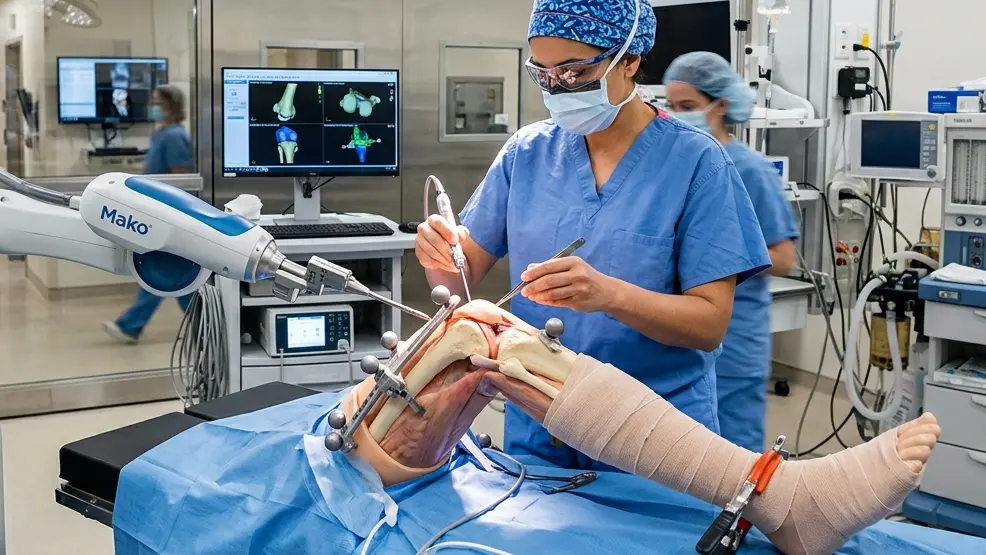
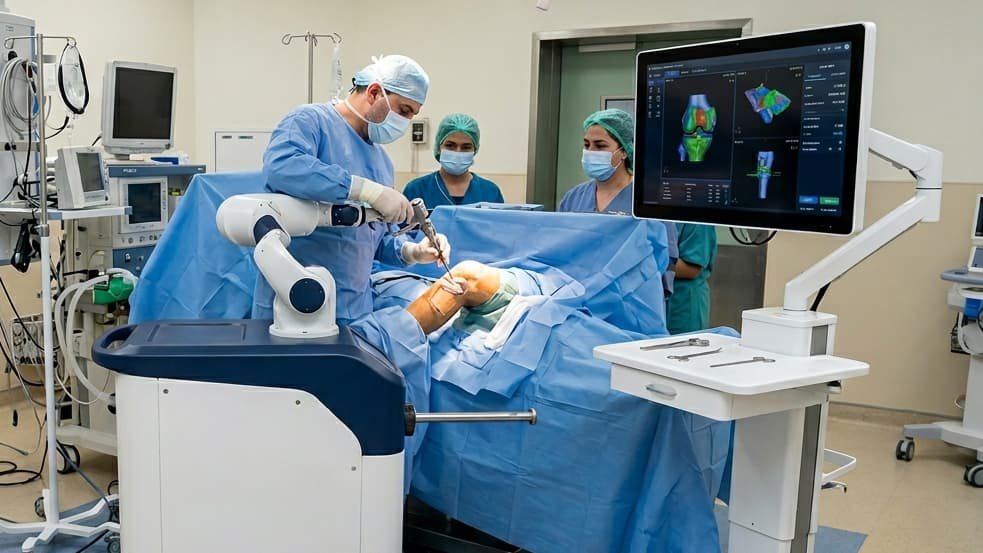
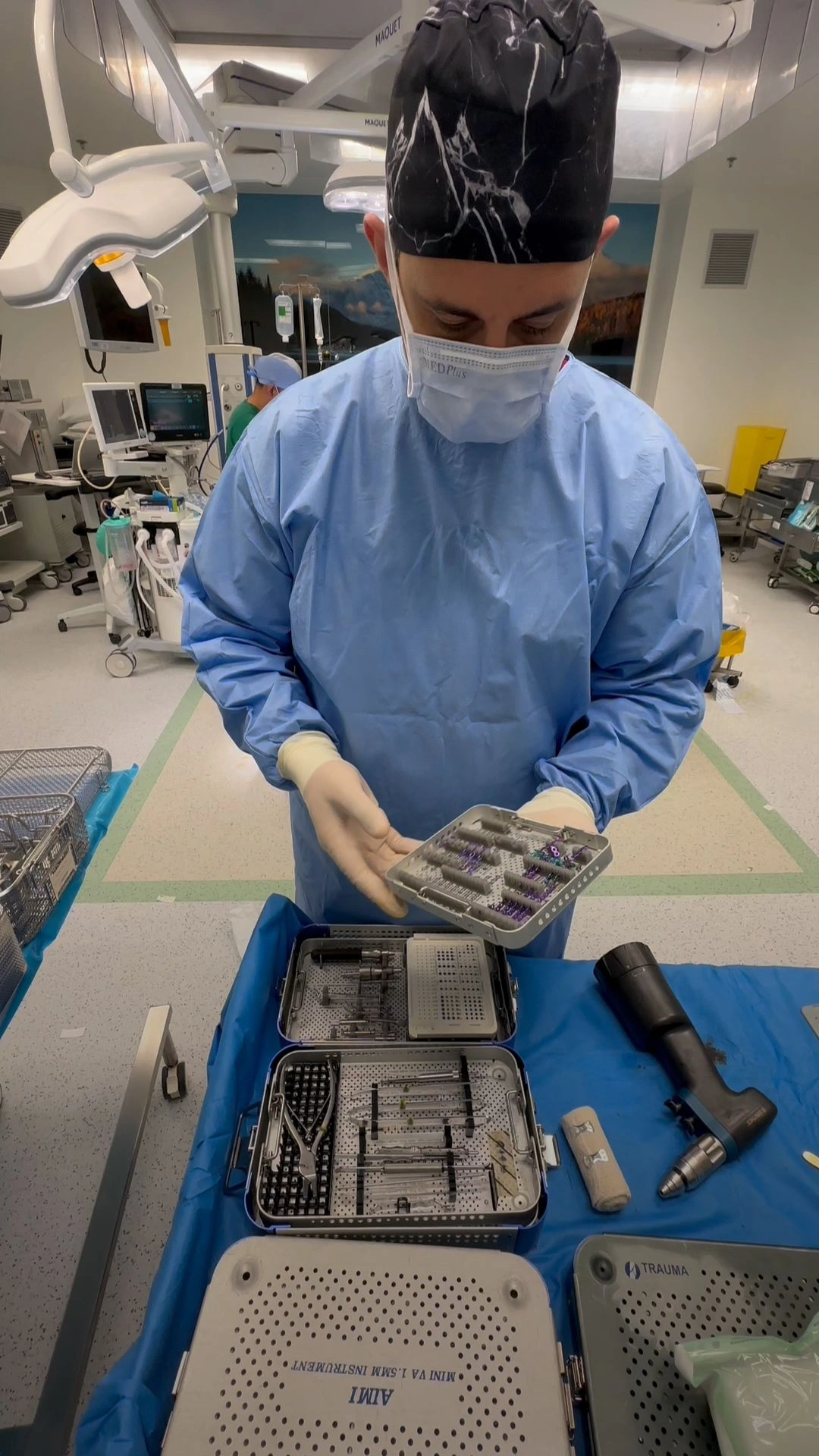
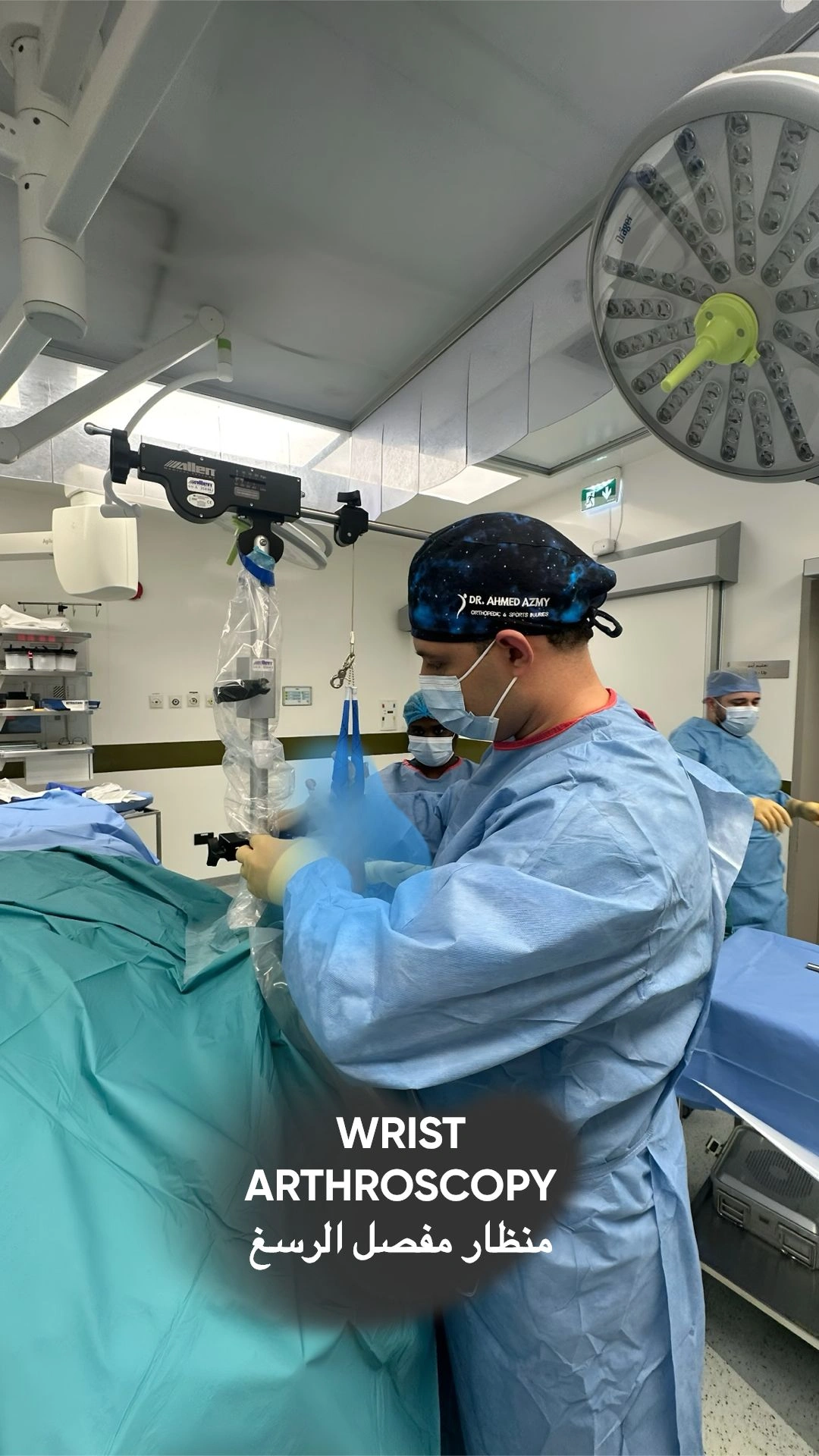
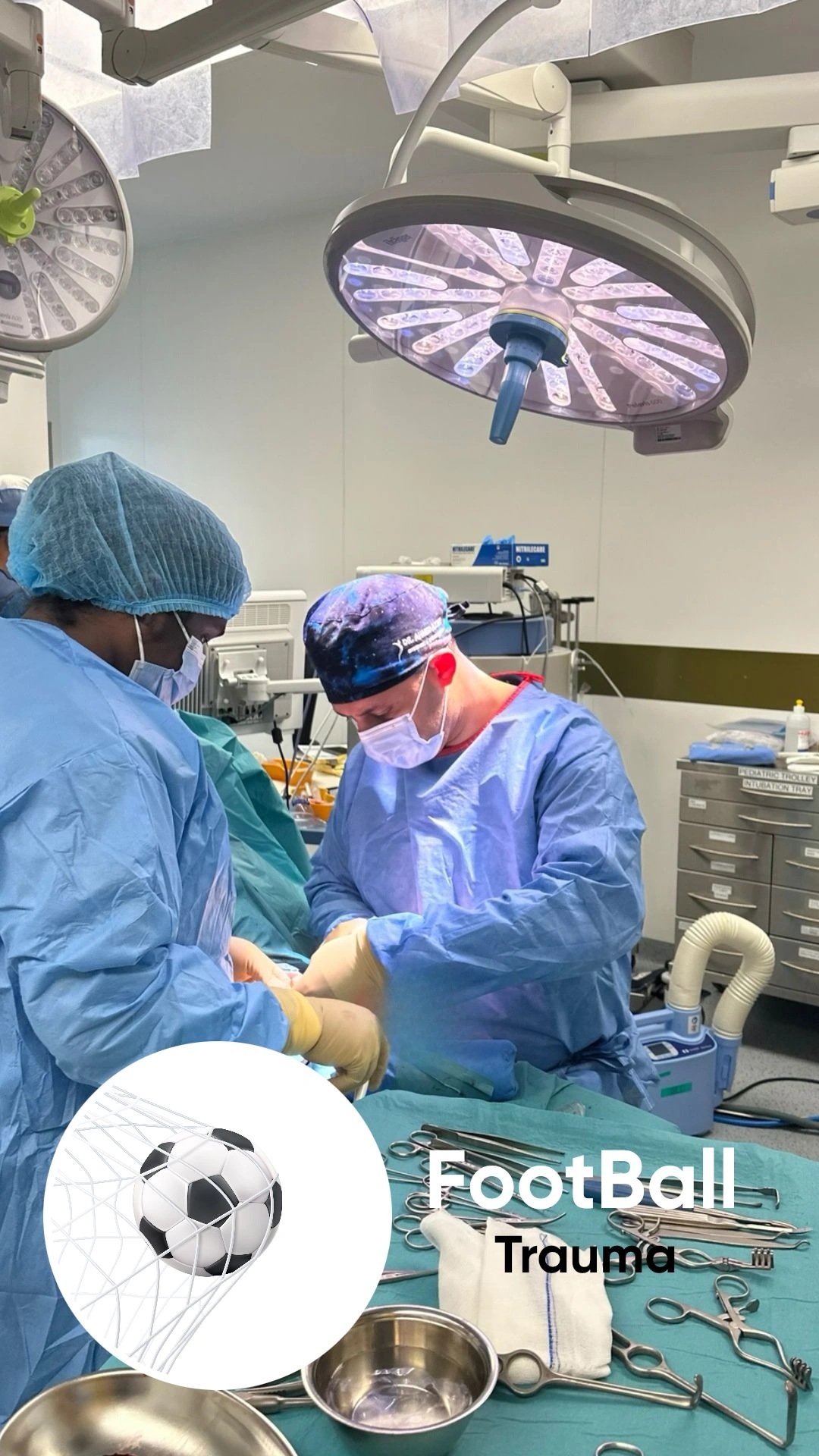
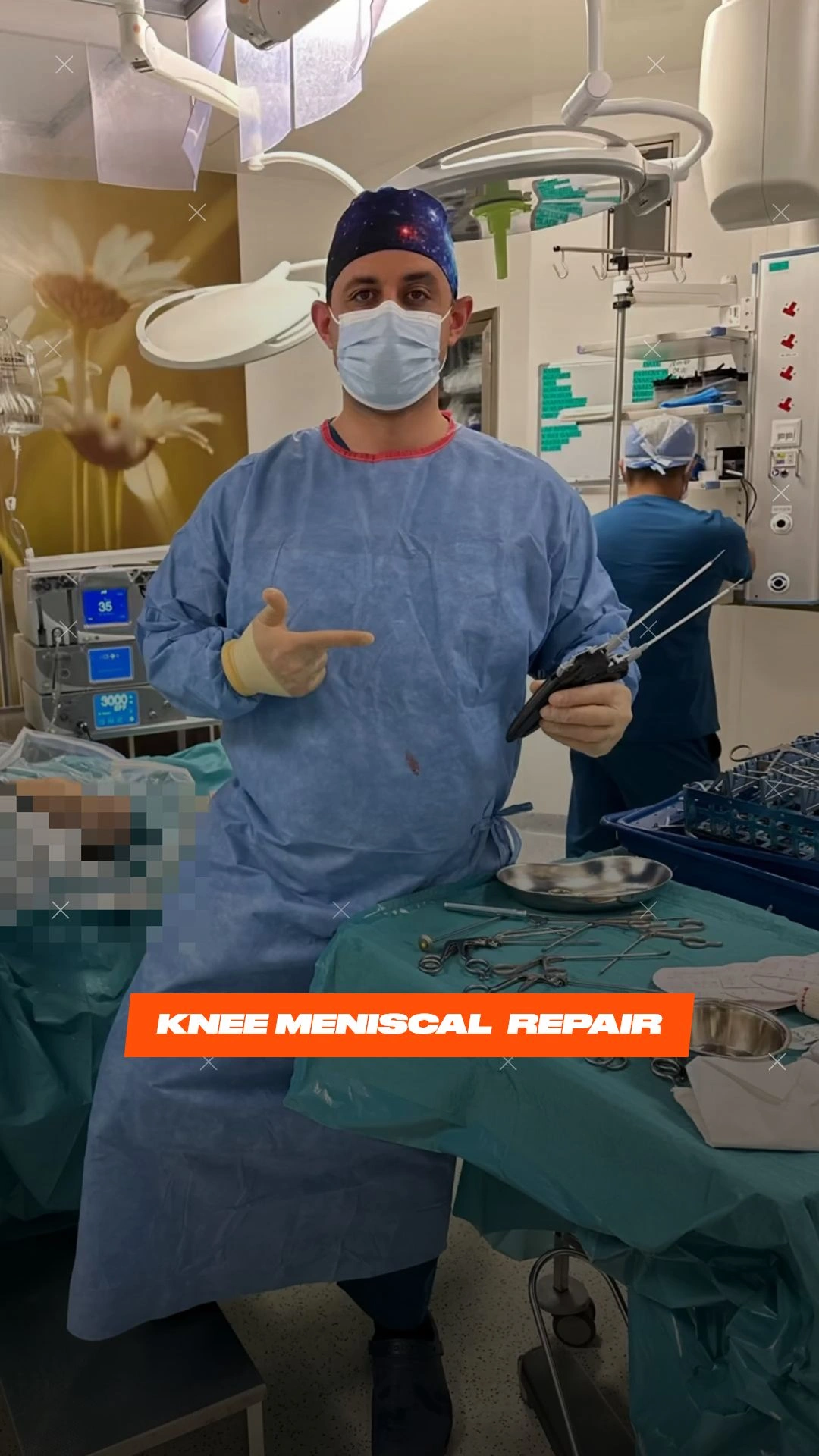


ACL Tear Recovery & Recovery Time
Early Phase
This phase focuses on reducing knee swelling and restoring basic range of motion. Gentle exercises help control pain and maintain joint mobility without stressing the ligament.
Early recovery after surgery emphasizes protected movement to allow healing. Supervised physiotherapy begins to reduce stiffness and activate key muscles safely.
Strength Phase
Gradual strengthening exercises are introduced to improve muscle support around the knee. This phase helps enhance stability and prepares the knee for higher activity levels.
Neuromuscular training focuses on rebuilding strength, balance, and coordination. Controlled exercises help restore knee control and reduce the risk of re-injury.
Return to Sport
Selected patients may gradually return to sports after sufficient strength and stability are achieved. This usually occurs only if the knee remains stable during activity.
Return to sport is guided by functional testing and rehabilitation milestones. Most patients resume sports between 6–9 months after surgery, depending on recovery progress.
What Our Patients Say About Dr. Ahmed Azmy
Real experiences from patients who underwent ACL reconstruction and advanced knee treatments in Sharjah, restoring their lifestyle, mobility, and confidence.
"Dr. Ahmed Azmy is the best ACL surgeon in Sharjah. I returned to football just 7 months after my arthroscopic reconstruction surgery. Incredible care!"
"Highly professional doctor. He diagnosed my partial ACL tear accurately using MRI and saved me from an unnecessary operation with great physiotherapy."
"After my sports injury, my knee was giving way completely. Dr. Azmy performed an excellent repair. Stability is now 100% perfect."
"Excellent experience at the clinic in Sharjah. The care protocol before and after my ACL reconstruction surgery was structured and highly reassuring."
"Dr. Ahmed is very patient and knowledgeable. He explained my graft options clearly and built a personalized rehab plan for my athletic goals."
"I traveled from Ajman to see Dr. Azmy for my chronic knee instability. His advanced minimally invasive approach made my recovery time very fast."
"The gold standard of knee care in the UAE. His team is extremely professional and the post-operative follow-up is exceptionally detailed."
"Incredible results with PRP therapy combined with focused neuromuscular training. My knee swelling disappeared entirely in a few weeks."
"Dr. Ahmed Azmy is the best ACL surgeon in Sharjah. I returned to football just 7 months after my arthroscopic reconstruction surgery. Incredible care!"
"Highly professional doctor. He diagnosed my partial ACL tear accurately using MRI and saved me from an unnecessary operation with great physiotherapy."
"After my sports injury, my knee was giving way completely. Dr. Azmy performed an excellent repair. Stability is now 100% perfect."
"Excellent experience at the clinic in Sharjah. The care protocol before and after my ACL reconstruction surgery was structured and highly reassuring."
"Dr. Ahmed is very patient and knowledgeable. He explained my graft options clearly and built a personalized rehab plan for my athletic goals."
"I traveled from Ajman to see Dr. Azmy for my chronic knee instability. His advanced minimally invasive approach made my recovery time very fast."
"The gold standard of knee care in the UAE. His team is extremely professional and the post-operative follow-up is exceptionally detailed."
"Incredible results with PRP therapy combined with focused neuromuscular training. My knee swelling disappeared entirely in a few weeks."
"Outstanding orthopedic surgeon. My complete ACL tear plus meniscus damage was treated with high precision via arthroscopy. Highly recommended!"
"Dr. Azmy gave me my life back. The intense pain when walking and knee catching sensations are completely gone after his treatment protocol."
"Brilliant experience. Functional testing and strict rehabilitation milestones guided by Dr. Ahmed helped me return to basketball safely."
"A master of knee preservation. His conservative management plan for my acute strain was highly effective. No pain, full motion restored."
"If you want accurate diagnosis and a clear recovery roadmap for knee instability, Dr. Ahmed Azmy is absolutely the right choice."
"The arthroscopic surgery was seamless. Minimal pain post-op, and my range of motion is improving faster than expected in physical therapy."
"Very trustworthy specialist. He won't recommend surgery unless it is strictly necessary. His ethical approach is highly appreciated."
"Dr. Ahmed's expertise in treating high-impact sports injuries gave me the confidence to push through my ACL recovery phases safely."
"Outstanding orthopedic surgeon. My complete ACL tear plus meniscus damage was treated with high precision via arthroscopy. Highly recommended!"
"Dr. Azmy gave me my life back. The intense pain when walking and knee catching sensations are completely gone after his treatment protocol."
"Brilliant experience. Functional testing and strict rehabilitation milestones guided by Dr. Ahmed helped me return to basketball safely."
"A master of knee preservation. His conservative management plan for my acute strain was highly effective. No pain, full motion restored."
"If you want accurate diagnosis and a clear recovery roadmap for knee instability, Dr. Ahmed Azmy is absolutely the right choice."
"The arthroscopic surgery was seamless. Minimal pain post-op, and my range of motion is improving faster than expected in physical therapy."
"Very trustworthy specialist. He won't recommend surgery unless it is strictly necessary. His ethical approach is highly appreciated."
"Dr. Ahmed's expertise in treating high-impact sports injuries gave me the confidence to push through my ACL recovery phases safely."
Can an ACL tear heal without surgery?
Some partial ACL ligament tears may improve with structured rehabilitation and activity modification. Complete ACL tears often result in persistent instability, increasing the risk of meniscus and cartilage damage. Specialist evaluation is essential to determine the safest ACL tear treatment option.
How long does ACL tear recovery take?
ACL tear recovery time depends on treatment method. Non-surgical recovery may take weeks to months, while post-surgical recovery typically requires 6–9 months before full return to sports.
Can I play sports with an ACL tear?
Playing sports with an untreated ACL tear is not recommended. Knee instability increases the risk of further injury. Athletes should undergo proper ACL injury treatment before returning to sport.
What does an ACL tear feel like at the moment of injury?
At the moment of an ACL tear, many patients describe a sudden sharp pain in the knee, often accompanied by a “popping” sensation or sound. This is usually followed by rapid swelling within a few hours due to internal bleeding in the joint. The knee may feel unstable immediately, making it difficult to stand or continue activity. Some individuals can still walk, but the joint often feels weak or unreliable. Recognizing these early signs is important for seeking timely ACL injury treatment and preventing further damage.
Can an ACL tear affect other parts of the knee?
Yes, an ACL ligament tear often affects other structures within the knee. Because the ACL plays a key role in stabilizing the joint, its injury can lead to additional damage, particularly to the meniscus and cartilage. When the knee becomes unstable, abnormal movement increases stress on these structures, raising the risk of long-term joint issues. This is why early diagnosis and proper ACL tear treatment are essential to protect the overall health of the knee and prevent further complications.
Are ACL injuries more common in certain people?
Certain individuals are more prone to ACL injuries, especially athletes involved in high-impact or pivoting sports. Factors such as muscle imbalance, poor movement technique, and lack of neuromuscular control can increase risk. Additionally, people with a history of previous knee injuries are more likely to experience another ACL tear. Understanding these risk factors helps in prevention and early management. Targeted training and proper conditioning can reduce the chances of injury and support long-term joint stability.
How is an ACL tear different from other knee ligament injuries?
An ACL tear differs from other knee ligament injuries because it primarily affects forward and rotational stability of the knee. While ligaments like the MCL or PCL also support the joint, the ACL plays a crucial role during dynamic movements such as pivoting and sudden stops. Injury to the ACL often results in more noticeable instability compared to other ligaments. This difference is important when determining the appropriate ACL injury treatment and rehabilitation approach for full recovery.
What should I do immediately after a suspected ACL tear?
If you suspect an ACL injury, it is important to stop activity immediately to avoid worsening the damage. Applying the RICE method (rest, ice, compression, and elevation) can help reduce swelling and pain in the early stage. Avoid putting weight on the injured knee and seek medical evaluation as soon as possible. Early diagnosis allows for proper treatment planning and reduces the risk of additional injury. Prompt care is essential for effective ACL tear recovery and long-term knee stability.
Where can I get ACL tear treatment in Sharjah?
If you are experiencing symptoms of an ACL tear, you can get expert treatment in Sharjah with Dr. Ahmed Azmy, a specialist in knee ligament injuries and sports medicine. Dr. Azmy provides accurate diagnosis using advanced imaging such as MRI, followed by personalized treatment plans tailored to your condition and activity level. Treatment options may include physiotherapy, rehabilitation programs, or ACL reconstruction surgery when necessary. Patients from Sharjah trust Dr. Ahmed Azmy for comprehensive care focused on restoring knee stability, reducing pain, and ensuring a safe return to daily activities and sports.
Can I return to sports after ACL tear treatment in Sharjah?
Yes, many patients can safely return to sports after completing ACL tear treatment in Sharjah, but only after proper rehabilitation. The timeline depends on the severity of the injury and the recovery progress, typically ranging from several months after surgery. Returning too early can increase the risk of re-injury, so it is important to follow medical guidance. In Sharjah, structured return-to-sport programs help patients regain strength, coordination, and confidence before resuming athletic activities.
contact us today and start your journey to optimal health and performance.
Location
Sharjah, UAE
Phone
Working Hours
Saturday – Thursday: 9AM – 7PM
Friday : OFF
Thank you — your message was sent.