
Rotator Cuff Tear Treatment in Sharjah : Symptoms, Causes, Treatment & Recovery
Expert rotator cuff tear treatment in Sharjah by Dr. Ahmed Azmy, offering personalized care to restore shoulder strength, reduce pain, and help you return to daily activities safely.
A rotator cuff tear is a common shoulder injury affecting the rotator cuff muscles and tendons that stabilize the shoulder joint. Whether caused by injury, overuse, or degeneration, a rotator cuff tendon tear can lead to persistent rotator cuff tear pain, weakness, and limited movement. Early diagnosis and the right rotator cuff tear treatment are essential to prevent worsening damage and restore shoulder function.
What Is a Rotator Cuff Tear?
A rotator cuff tear occurs when one or more of the rotator cuff muscles or their tendons become damaged, partially torn, or completely ruptured. The rotator cuff is a group of four muscles that work together to stabilize the shoulder joint and allow smooth, controlled arm movements.
Tears can develop suddenly due to an injury, such as a fall or lifting a heavy object, or gradually over time due to wear and degeneration. Small tears may initially cause mild discomfort but can progress if left untreated.
The severity ranges from minor irritation or fraying to a full-thickness tear where the tendon is completely detached. Patients may experience increasing pain, weakness, and difficulty performing everyday activities.
Early recognition and proper management are important, as untreated rotator cuff tears may lead to worsening shoulder function, chronic pain, and long-term joint complications.
Types of Rotator Cuff Tears
Rotator cuff tears vary in severity and pattern, ranging from a partial rotator cuff tear to a massive rotator cuff tear affecting multiple tendons. Understanding the types of rotator cuff tears helps guide accurate diagnosis and the most effective treatment plan.
Partial Rotator Cuff Tear
The tendon is damaged but not completely torn. Common in early-stage injuries.
Full-Thickness Tear
The tendon is completely torn, often causing weakness and loss of function.
Massive Rotator Cuff Tear
A large tear involving multiple tendons, often requiring surgical evaluation.
Degenerative Tear
Develops gradually due to wear and aging.
Acute Traumatic Tear
Occurs suddenly due to injury or fall.
Rotator Cuff Tear Symptoms
A rotator cuff tear can cause a range of symptoms depending on the severity of the injury, from a partial rotator cuff tear to a massive rotator cuff tear. Recognizing early rotator cuff tear symptoms is important for timely rotator cuff tear diagnosis and effective treatment.
Shoulder Pain
- Persistent rotator cuff tear pain, often felt deep in the shoulder
- Pain may worsen at night or when lying on the affected side
- Discomfort can increase during lifting or overhead activities
Weakness in the Arm
- Difficulty lifting, rotating, or holding objects
- Reduced strength in daily tasks such as carrying bags or reaching
- Common in advanced rotator cuff muscles tear cases
Limited Range of Motion
- Difficulty raising the arm above shoulder level
- Trouble reaching behind the back (e.g., dressing)
- Shoulder stiffness that may worsen over time without treatment
Clicking or Popping
- Audible or felt clicking during shoulder movement
- Caused by tendon damage or instability from a rotator cuff tendon tear
- May be more noticeable during rotation or lifting
Pain with Activity
- Increased discomfort during sports, exercise, or repetitive motion
- Symptoms often worsen with overhead movements
- May mimic shoulder impingement vs rotator cuff tear, requiring proper evaluation
Night Pain & Sleep Disturbance
- Difficulty sleeping due to shoulder discomfort
- Pain may radiate down the arm
- Common sign that the tear is progressing or becoming more severe
Rotator Cuff Tear Causes
A rotator cuff tear can develop due to a combination of injury, overuse, and age-related changes. Understanding the common causes helps identify risk factors early.
Overuse & Repetitive Motion
Repeated overhead movements in sports (like tennis or swimming) or work-related tasks can gradually strain the tendons, leading to small tears that may progress into a partial rotator cuff tear over time.
Aging & Degeneration
As we age, blood supply to the rotator cuff tendons decreases, making them weaker and more prone to damage. This is a common cause of degenerative tears and can eventually lead to a massive tear if untreated.
Acute Injury
A sudden fall, lifting a heavy object, or direct trauma can cause an immediate rotator cuff tear, often resulting in sharp pain and sudden loss of shoulder strength.
Poor Shoulder Mechanics
Abnormal movement patterns or muscle imbalance can place excessive stress on the shoulder, increasing the risk of a rotator cuff muscles tear over time.
Bone Spurs / Impingement
Bone spurs or narrowing of the space in the shoulder can compress the tendons, leading to irritation and tearing. This is often confused with shoulder impingement, requiring proper diagnosis.
Rotator Cuff Tear Grades
Rotator cuff tears are classified into different severity levels to guide proper rotator cuff tear diagnosis and treatment planning. Understanding these grades helps determine whether the condition can be managed conservatively or requires surgery.
Mild irritation or inflammation of the tendon without a tear. Patients may experience early rotator cuff tear symptoms such as mild pain, especially with activity, but strength is usually preserved.
A partial rotator cuff tear where the tendon is damaged but not completely torn. This stage often causes pain, weakness, and difficulty with overhead movement, and may benefit from structured treatment such as physiotherapy.
A full-thickness tear where the tendon is completely torn from the bone. This rotator cuff tendon tear typically leads to significant weakness and limited shoulder function, often requiring surgical evaluation.
A massive rotator cuff tear involving multiple tendons or large defects. This advanced stage can severely affect shoulder stability and movement, and usually requires specialized surgical management.
Rotator Cuff Tear vs Impingement
Shoulder pain is commonly caused by either a rotator cuff tear or shoulder impingement, and the symptoms can often feel similar. Understanding the difference is important for accurate diagnosis and selecting the right treatment approach.
Rotator Cuff Tear
-
Tendon damage or rupture
A rotator cuff tendon tear involves partial or complete damage to the tendon, which can worsen over time if untreated.
-
Weakness present
Shoulder weakness is common, especially when lifting or rotating the arm, particularly in moderate to severe tears.
-
May require surgery
Larger tears such as a massive rotator cuff tear may need surgical repair if symptoms persist.
-
Seen in imaging
MRI or ultrasound confirms the presence, size, and type of tear using rotator cuff tear radiology.
Shoulder Impingement
-
Tendon compression without tear
Tendons are irritated due to narrowing space in the shoulder, but remain structurally intact.
-
Pain without major weakness
Pain is the main symptom, but strength is usually preserved in early stages.
-
Often treated conservatively
Most cases improve with physiotherapy, posture correction, and activity modification.
-
Usually clinical diagnosis
Diagnosis is often based on physical examination and symptom patterns without structural damage.
Rotator Cuff Tear Diagnosis
Accurate rotator cuff tear diagnosis is essential to determine the severity of the injury and choose the most effective treatment plan. A combination of clinical examination and imaging is used to confirm the condition.

Physical Examination
- Assessment of shoulder strength, pain location, and range of motion
- Helps identify weakness, stiffness, and movement limitations
- Useful in differentiating from rotator cuff tendonitis vs tear
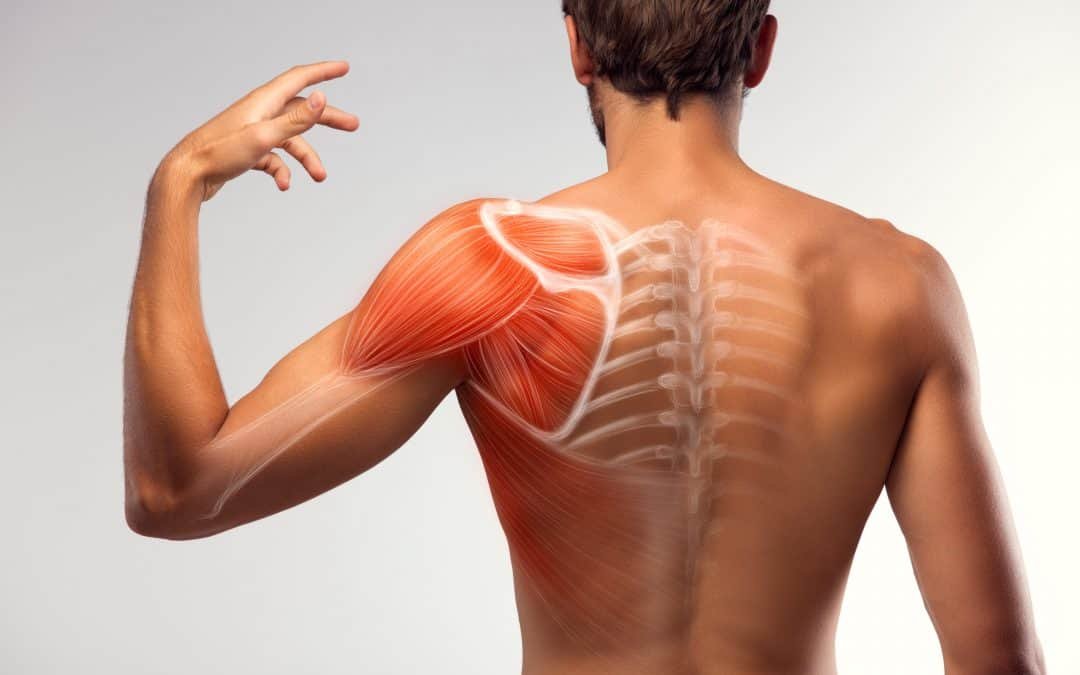
Rotator Cuff Tear Test
- Includes specific maneuvers to identify tendon injury and weakness
- Helps reproduce pain and confirm rotator cuff tear symptoms
- Important early step before imaging
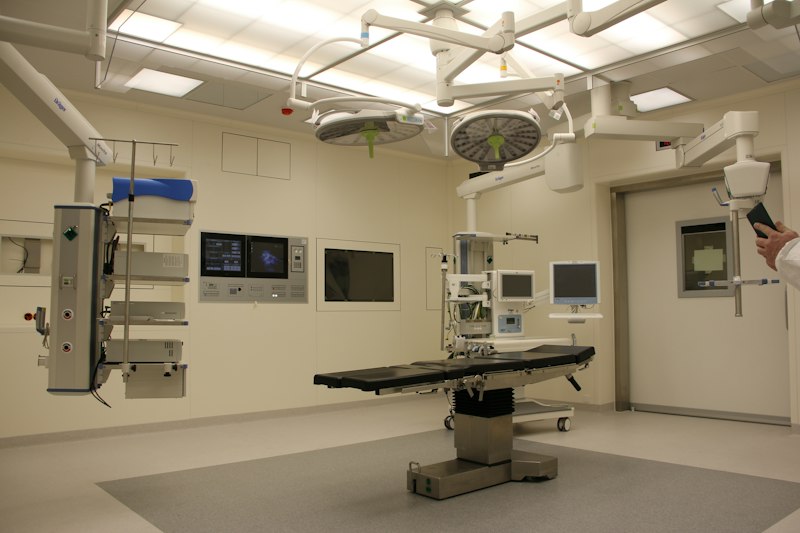
MRI / Imaging
- Gold standard for confirming tear size, type, and severity
- Essential for identifying partial vs massive rotator cuff tear
- Uses detailed rotator cuff tear radiology for accurate planning
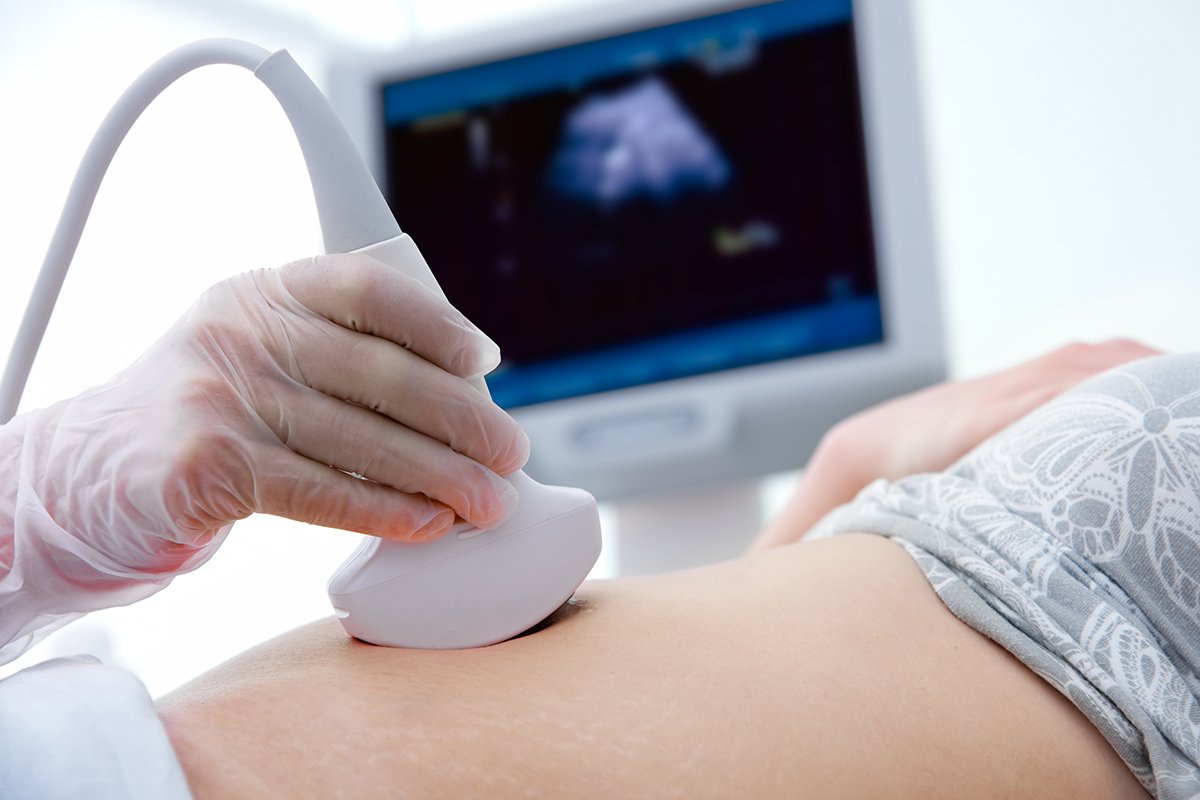
Ultrasound
- Dynamic, real-time imaging of tendon movement
- Useful for detecting smaller tears and monitoring healing
- Often used alongside clinical examination
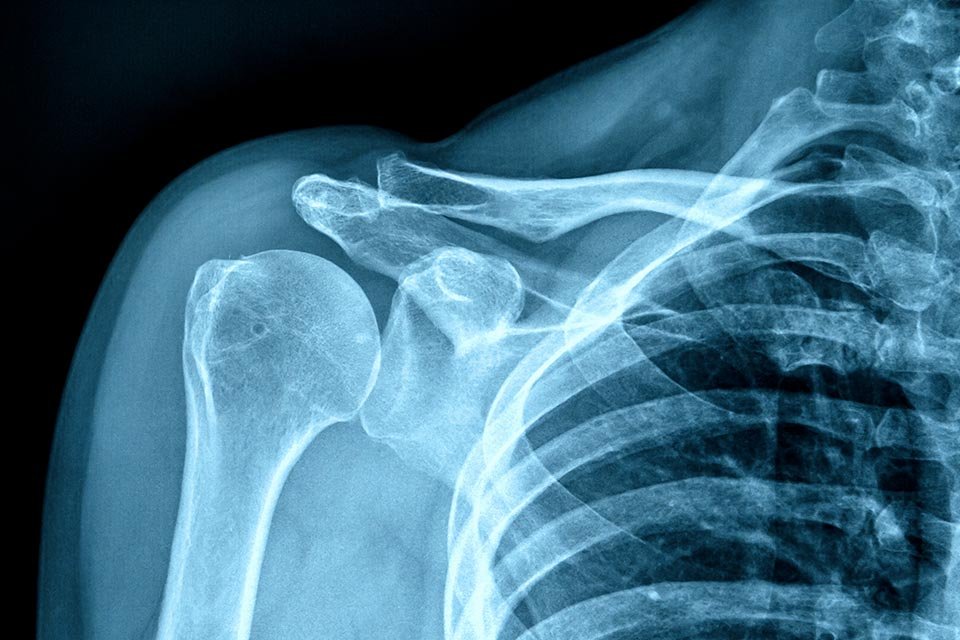
X-rays
- Rule out bone abnormalities, arthritis, or structural narrowing
- Helps identify causes like impingement contributing to symptoms

Movement Assessment
- Evaluates how the shoulder performs during daily activities
- Identifies compensatory movement patterns and muscle imbalance
- Helps guide rehabilitation and rotator cuff tear treatment planning
When Should You See a Doctor?
Recognizing when to seek medical care is important for early rotator cuff tear diagnosis and preventing the condition from worsening. While mild shoulder discomfort may improve with rest, persistent or worsening symptoms could indicate a rotator cuff tendon tear that requires professional evaluation and appropriate treatment.
Persistent shoulder pain
- Rotator cuff tear pain lasts more than a few days or does not improve with rest
- May indicate an underlying rotator cuff tendon tear
Weakness or difficulty using the arm
- Trouble lifting, rotating, or performing daily activities
- Can suggest progression from a partial rotator cuff tear to a more serious injury
Limited movement or inability to lift the arm
- Difficulty raising the arm overhead or behind the back
- Often a key sign of worsening rotator cuff tear symptoms
Night pain or worsening symptoms
- Pain that interferes with sleep or increases over time despite rest
- May indicate progression toward a massive rotator cuff tear and need for proper diagnosis
Rotator Cuff Tear Treatment Options
Effective treatment depends on the severity of the injury, ranging from a partial tear to a massive tear. The goal is to reduce pain, restore strength, and improve shoulder function.
Conservative Treatment
- Rest and activity modification
- Physiotherapy to restore strength
- Pain management & anti-inflammatory
- Guided exercises & PRP Therapy
Surgical Treatment
- Rotator cuff repair for torn tendons
- Shoulder arthroscopy (minimally invasive)
- Tendon reattachment techniques
- Advanced repair for massive tears
Non-Surgical Treatment
Often the first approach for mild to moderate injuries and certain rotator cuff muscle tear cases.
Recommended for:
- Partial rotator cuff tear
- Mild to moderate tear symptoms
- Degenerative tears without major weakness
Includes:
- Physiotherapy to improve strength
- Structured exercises to restore stability
- Anti-inflammatory treatment
- Activity modification
Surgical Treatment
Considered when symptoms persist or the tear significantly affects shoulder function, focusing on restoring mechanics.
Considered when:
- Full-thickness or massive tear
- Persistent pain despite conservative care
- Significant weakness or loss of function
Performed using:
- Shoulder Arthroscopy (minimally invasive)
- Rotator Cuff Repair (restore attachment)
Rotator Cuff Tear Exercises
Targeted rehabilitation plays a key role in recovery from a rotator cuff tear, especially in cases of a partial tear or after surgery. These exercises help reduce pain, restore mobility, and improve joint stability under professional guidance.
Pendulum Swings
- A gentle early-stage exercise to reduce stiffness and improve joint movement.
- Helps relieve rotator cuff tear pain without stressing the tendon.
- Commonly used during the initial recovery phase.
Passive Shoulder Lifts
- Assisted movements that improve flexibility without active muscle strain.
- Ideal for early rehabilitation after injury or surgery.
- Supports recovery in partial rotator cuff tear exercises programs.
Resistance Band Strengthening
- Gradual strengthening of shoulder and rotator cuff muscles.
- Improves stability and prevents reinjury.
- Important in later stages of rotator cuff tear treatment.
Scapular Stabilization Exercises
- Focus on strengthening the shoulder blade muscles.
- Enhances coordination and shoulder mechanics.
- Reduces stress on the rotator cuff tendon tear during movement.
Rotator Cuff Tear Recovery Time
Recovery depends on the severity of the injury, type of treatment, and adherence to rehabilitation. A structured program is essential to restore strength, mobility, and long-term shoulder function.
Pain control, rest, and reducing inflammation. Early management of rotator cuff tear pain to prevent worsening.
Gentle range-of-motion exercises begin. Helps restore movement after a partial rotator cuff tear.
Gradual strengthening with guided rotator cuff tear exercises. Focus on rebuilding shoulder stability after rotator cuff repair.
Progressive return to work and sports. Requires careful rehab after massive rotator cuff tear surgery to avoid reinjury.
Why Choose
Dr. Ahmed Azmy?
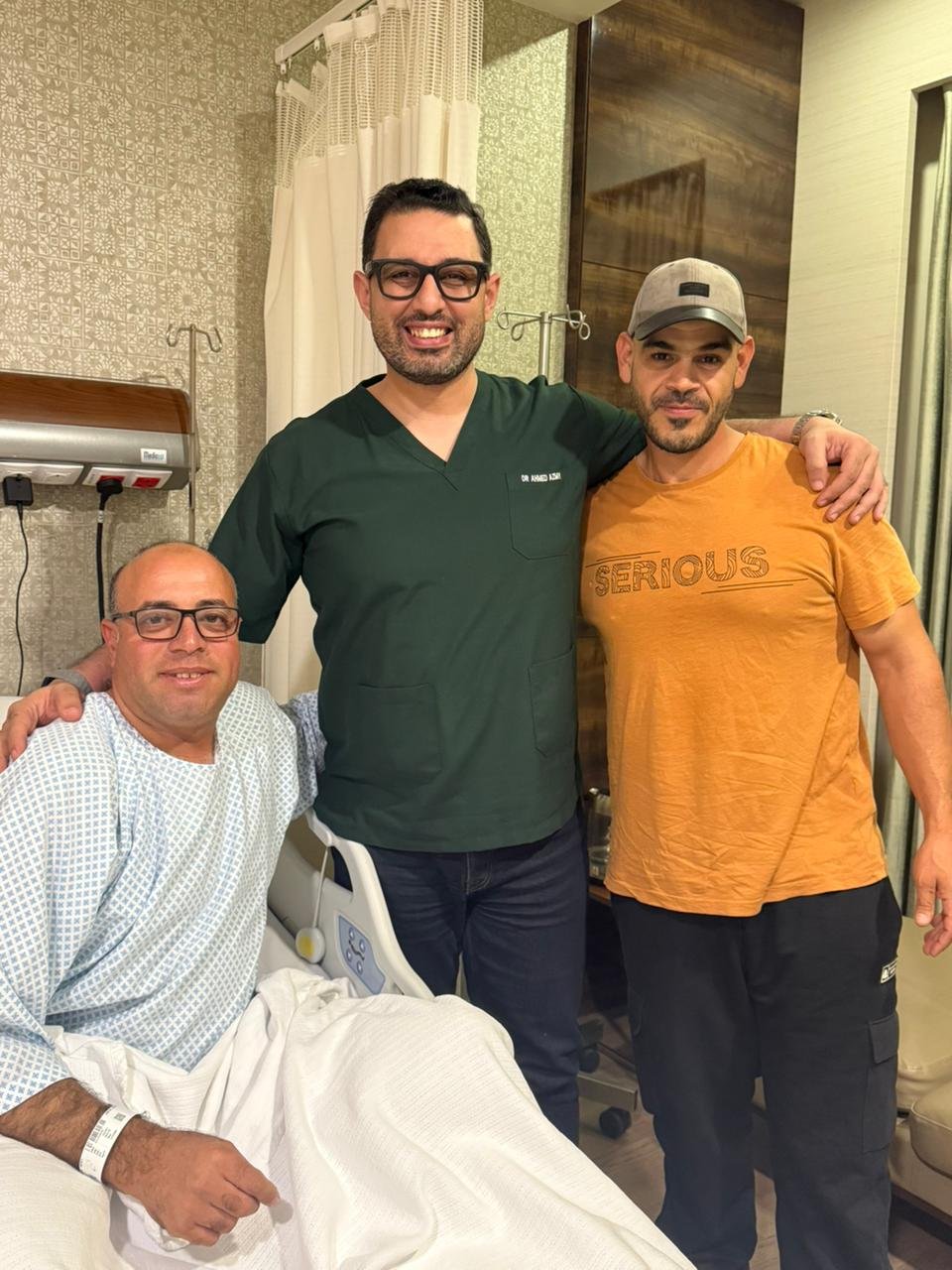
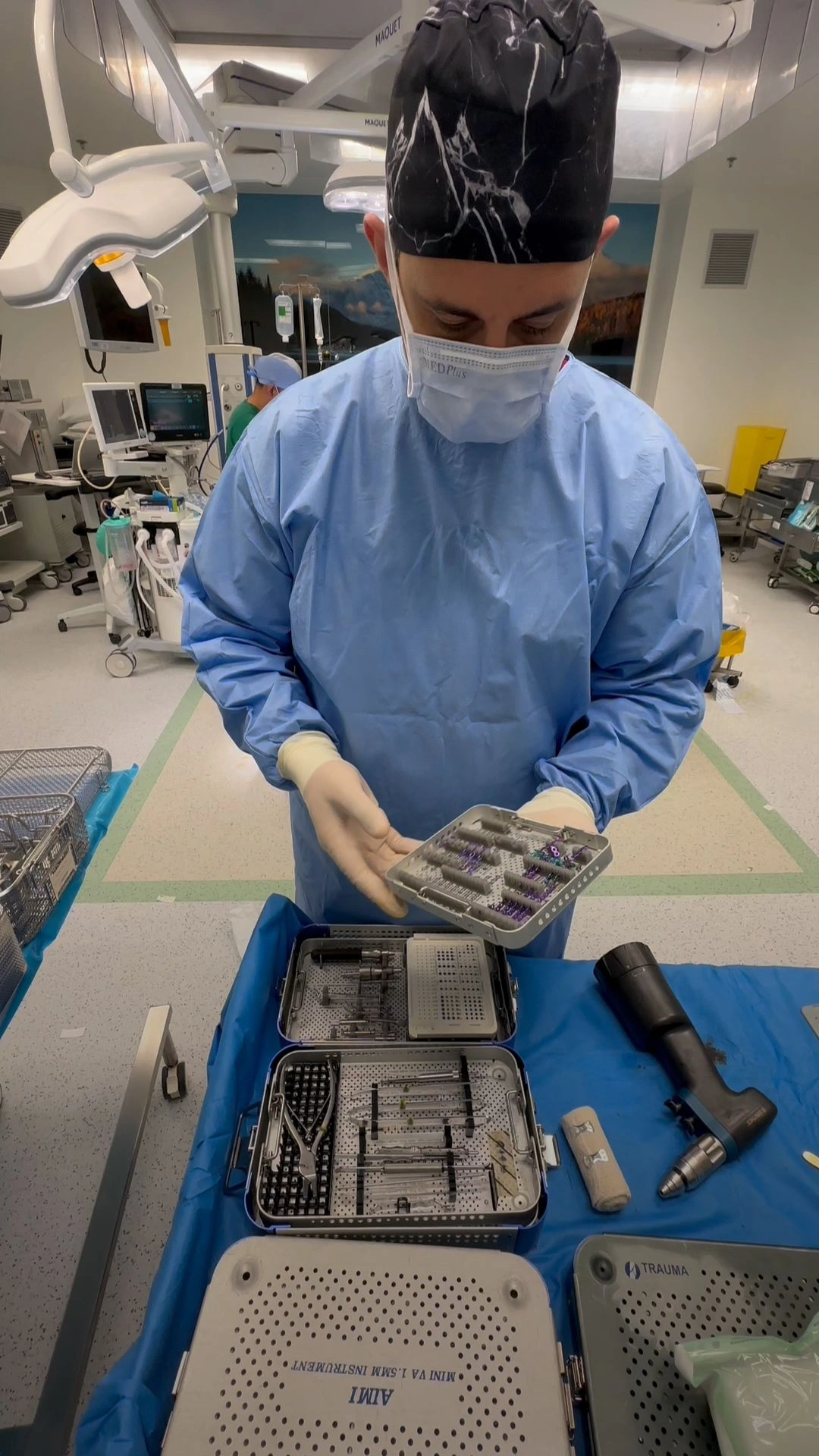
Choosing the right specialist is essential for effective rotator cuff tear treatment and long-term shoulder health. With advanced training and extensive clinical experience, Dr. Ahmed Azmy provides accurate diagnosis and personalized care tailored to each patient’s condition—from a partial rotator cuff tear to complex and massive rotator cuff tear cases.
- Fellowships in Germany (arthroscopy & reconstructive surgery)
- Orthopedic & Sports Injuries Surgeon at Medcare Hospital, Sharjah
- Specialist in minimally invasive surgery & sports injury management

What Our Rotator Cuff Tear Patients Say
Real stories from patients who restored their shoulder mobility and eliminated chronic pain through personalized treatment and expert care with Dr. Ahmed Azmy.
"Dr. Azmy is a lifesaver. I had a massive rotator cuff tear from a fall and couldn't lift my arm. After a successful arthroscopic repair and structured rehab, my shoulder feels 100% normal again."
Mark Andrews
Massive Tear Surgery"Highly recommend Dr. Ahmed! He diagnosed my partial rotator cuff tear quickly and opted for conservative treatment. The targeted exercises worked wonders, and the pain is completely gone."
Sarah Higgins
Partial Tear Care"I suffered from severe night pain due to a degenerative tear. Dr. Azmy's treatment plan and PRP therapy completely changed my sleep quality. Incredible expertise and brilliant care."
John Khan
PRP & Conservative Care"As a tennis player, shoulder impingement combined with a minor tear almost ended my season. Dr. Azmy's deep understanding of sports injuries got me safely back on the court in just weeks."
David Miller
Sports Injury Rehab"I was terrified of shoulder surgery, but Dr. Ahmed Azmy explained the minimally invasive arthroscopy so clearly. The recovery timeline was exactly as he predicted. Best orthopedic surgeon!"
Elena Rostova
Shoulder Arthroscopy"Fantastic experience at Medcare Hospital with Dr. Azmy. His precise diagnosis differentiated my tear from standard tendonitis, saving me from the wrong treatment. Strength is fully restored."
James Smith
Rotator Cuff Repair"The clicking sensation and severe weakness in my arm are gone. Dr. Ahmed designed a brilliant physiotherapy and movement assessment plan for my full-thickness tear. Truly professional."
Aisha Mansoor
Full-Thickness Care"Excellent clinical care! After weeks of suffering from limited range of motion, Dr. Azmy's guided exercises helped me reach behind my back and lift objects completely pain-free again."
Robert Brown
Mobility Rehabilitation"Dr. Ahmed Azmy fixed my complex multi-tendon tear. His fellowship background in Germany really reflects in his precise surgical techniques. I'm exceptionally grateful for his care."
Thomas Lang
Complex Reconstruction"My acute traumatic tear from a heavy lifting injury was treated smoothly by Dr. Azmy. From radiology imaging to the final strengthening phase, the entire journey was flawless and expert-led."
Nasser Al-Chami
Acute Injury Recovery"Dr. Azmy is a lifesaver. I had a massive rotator cuff tear from a fall and couldn't lift my arm. After a successful arthroscopic repair and structured rehab, my shoulder feels 100% normal again."
Mark Andrews
Massive Tear Surgery"Highly recommend Dr. Ahmed! He diagnosed my partial rotator cuff tear quickly and opted for conservative treatment. The targeted exercises worked wonders, and the pain is completely gone."
Sarah Higgins
Partial Tear Care"I suffered from severe night pain due to a degenerative tear. Dr. Azmy's treatment plan and PRP therapy completely changed my sleep quality. Incredible expertise and brilliant care."
John Khan
PRP & Conservative Care"As a tennis player, shoulder impingement combined with a minor tear almost ended my season. Dr. Azmy's deep understanding of sports injuries got me safely back on the court in just weeks."
David Miller
Sports Injury Rehab"I was terrified of shoulder surgery, but Dr. Ahmed Azmy explained the minimally invasive arthroscopy so clearly. The recovery timeline was exactly as he predicted. Best orthopedic surgeon!"
Elena Rostova
Shoulder Arthroscopy"Fantastic experience at Medcare Hospital with Dr. Azmy. His precise diagnosis differentiated my tear from standard tendonitis, saving me from the wrong treatment. Strength is fully restored."
James Smith
Rotator Cuff Repair"The clicking sensation and severe weakness in my arm are gone. Dr. Ahmed designed a brilliant physiotherapy and movement assessment plan for my full-thickness tear. Truly professional."
Aisha Mansoor
Full-Thickness Care"Excellent clinical care! After weeks of suffering from limited range of motion, Dr. Azmy's guided exercises helped me reach behind my back and lift objects completely pain-free again."
Robert Brown
Mobility Rehabilitation"Dr. Ahmed Azmy fixed my complex multi-tendon tear. His fellowship background in Germany really reflects in his precise surgical techniques. I'm exceptionally grateful for his care."
Thomas Lang
Complex Reconstruction"My acute traumatic tear from a heavy lifting injury was treated smoothly by Dr. Azmy. From radiology imaging to the final strengthening phase, the entire journey was flawless and expert-led."
Nasser Al-Chami
Acute Injury Recovery
Can a rotator cuff tear get worse if left untreated?
Yes, a rotator cuff tear can worsen over time if left untreated. Small tears, especially a partial rotator cuff tear, may gradually enlarge and develop into a massive rotator cuff tear. As the tendon weakens, shoulder function declines, leading to increased pain, stiffness, and loss of strength. Over time, untreated tears may also contribute to joint degeneration and arthritis. Early rotator cuff tear diagnosis and proper management are important to prevent progression and maintain long-term shoulder health.
Is it safe to exercise with a rotator cuff tear?
Exercising with a rotator cuff tear can be safe if done correctly under professional guidance. Controlled and structured rotator cuff tear exercises can help improve strength, flexibility, and stability without worsening the injury. However, improper or intense movements—especially overhead lifting—can increase rotator cuff tear pain and delay healing. Patients with a rotator cuff tendon tear should follow a tailored rehabilitation program to avoid further damage and support recovery safely.
How do I know if my shoulder pain is serious?
Shoulder pain becomes concerning when it persists, worsens, or affects daily activities. Signs such as weakness, limited motion, or difficulty lifting the arm may indicate a rotator cuff tear rather than simple strain. Night pain or discomfort during rest can also suggest a deeper issue like a rotator cuff muscles tear. If symptoms do not improve with rest, a proper rotator cuff tear diagnosis is recommended to determine the cause and appropriate treatment.
Can a rotator cuff tear affect daily activities?
Yes, a rotator cuff tear can significantly impact daily life. Simple tasks such as dressing, lifting objects, or reaching overhead may become difficult due to pain and weakness. A rotator cuff tendon tear can reduce shoulder stability, making even routine movements uncomfortable. As the condition progresses, patients may avoid using the affected arm, leading to stiffness and reduced mobility. Early treatment helps restore function and improve quality of life.
What happens if a rotator cuff tear is too large to repair?
In cases of a massive rotator cuff tear, the tendon may be severely damaged or retracted, making standard repair difficult. Alternative treatments may include advanced surgical techniques, tendon transfers, or shoulder replacement in certain cases. The goal is to restore function and reduce pain even when full repair is not possible. Early rotator cuff tear treatment increases the chances of successful repair before the tear becomes too large.
Can a rotator cuff tear cause arm pain beyond the shoulder?
Yes, a rotator cuff tear can cause pain that radiates down the upper arm. This is due to inflammation and irritation of surrounding tissues. Patients may feel discomfort not only in the shoulder but also along the arm, especially during movement. This type of rotator cuff tear pain can sometimes be confused with other conditions, making accurate rotator cuff tear diagnosis important to identify the source of the problem.
Does age affect the risk of a rotator cuff tear?
Age is a major factor in developing a rotator cuff tear. As people get older, the tendons naturally weaken and become more prone to injury. Degenerative changes can lead to a rotator cuff tendon tear even without a specific injury. Older adults are more likely to experience gradual symptoms compared to younger individuals, who often have acute injuries. Preventive care and early management are important to reduce complications.
Can a rotator cuff tear come back after treatment?
Yes, a rotator cuff tear can recur, especially if the shoulder is overused too soon after recovery. Inadequate rehabilitation or returning to high-demand activities prematurely may increase the risk. Even after surgery, the tendon requires time to heal fully. Following a structured recovery plan and continuing rotator cuff tear exercises can help reduce the risk of reinjury and maintain long-term shoulder strength and stability.
How does posture affect rotator cuff health?
Poor posture can contribute to shoulder problems, including a rotator cuff tear. Slouching or rounded shoulders can reduce the space within the joint, increasing tendon stress and leading to irritation or damage over time. This can also contribute to confusion between shoulder impingement vs rotator cuff tear. Maintaining proper posture and strengthening supporting muscles can help protect the rotator cuff and reduce injury risk.
Can a rotator cuff tear affect sleep quality?
Yes, sleep disturbance is common with a rotator cuff tear. Many patients experience increased rotator cuff tear pain at night, especially when lying on the affected shoulder. This can lead to difficulty falling asleep or frequent waking. Persistent night pain is often a sign of tendon inflammation or worsening injury. Addressing the condition through proper rotator cuff tear treatment can significantly improve sleep quality and overall comfort.