Patient Connection Hub Assess your pain
Dr. Ahmed Azmy

Meniscus Tear Treatment in Sharjah | Symptoms, Causes & Surgery Options

Expert diagnosis and personalized knee meniscus tear treatment in Sharjah for patients from Ajman and across the UAE,  helping restore mobility, reduce pain, and return to daily activities safely.

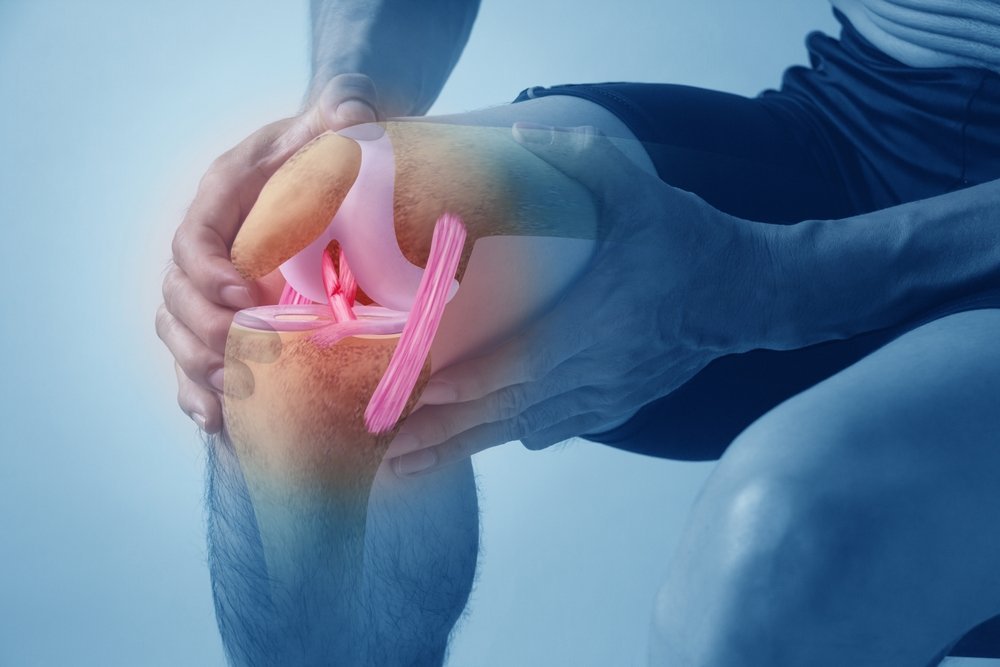
A meniscus tear is a common knee injury affecting the cartilage between the thigh bone and shin bone. It may happen due to twisting movements, sports injuries, or age-related degeneration.

Early diagnosis helps determine whether conservative treatment, knee arthroscopy, or surgical repair is the right option for your case.

Knee Health Insights

What Is A Meniscus Tear?

A meniscus tear occurs when the protective cartilage inside the knee joint becomes damaged due to twisting, sudden movement, or gradual degeneration. Tears can vary in size and pattern, including medial meniscus tear, lateral meniscus tear, complex meniscus tear, and bucket-handle meniscus tear (often searched as bucket tear meniscus). The type of tear determines the most effective knee meniscus tear treatment strategy.

Knee pain, swelling, & stiffness

Limited mobility & instability

Clicking or locking sensations

Types of Injuries

Medial, lateral, complex, and bucket-handle meniscus tears, which may require advanced care.

Causes & Development

Often occurs due to sudden twisting movements during sports, but can also develop gradually over time due to degeneration.

Treatment & Recovery

Options range from physiotherapy and specialized exercises to advanced meniscus tear treatment in Sharjah. Recovery takes from a few weeks to several months.
Learn More About: knee treatments
Meniscus Tear Treatment
Knee Anatomy
100% Specialized Care
Clinical Classification

Types Of Meniscus Tears

Meniscus tears can vary in location, pattern, and severity depending on how the injury occurred. Identifying the specific type of meniscus tear is essential in determining the most appropriate treatment plan and predicting recovery time.

01

Medial Meniscus Tear

A medial meniscus tear affects the inner side of the knee and is the most common type.

02

Lateral Meniscus Tear

A lateral meniscus tear occurs on the outer side of the knee.

03

Bucket-Handle Tear

A bucket-handle meniscus tear is a large displaced tear that may cause knee locking.

04

Complex Meniscus Tear

A complex meniscus tear involves multiple tear patterns and often requires surgical evaluation.

Pathology & Anatomy

Meniscus Tear Causes

Meniscus tear causes range from sudden knee injuries to gradual cartilage degeneration over time. Identifying the exact cause helps determine the most effective meniscus tear treatment in Sharjah and improves overall recovery outcomes.

01

Sudden Trauma

Sudden twisting or pivoting movements of the knee.

02

Mechanical Stress

Deep squatting or heavy lifting under pressure.

03

Athletic Impact

Sports-related injuries such as football, basketball, or running.

04

Direct Force

Direct trauma or impact to the knee joint.

05

Age Degeneration

Degenerative changes with aging.

These causes may lead to different types of injuries, including medial meniscus tear, lateral meniscus tear, complex meniscus tear, or bucket-handle meniscus tear, each requiring a tailored treatment approach.

Understanding the cause also plays a key role in predicting meniscus tear recovery time and whether conservative care, meniscus tear exercises, or advanced knee meniscus tear treatment in Sharjah is needed.

Meniscus Tear Symptoms

Meniscus tear symptoms vary depending on the type, size, and location of the injury. Some patients experience sudden symptoms after a twisting injury, while degenerative tears may develop gradually.

01

Pain Along the Joint Line

Pain is typically felt on the inner (medial meniscus tear) or outer (lateral meniscus tear) side of the knee. The discomfort often worsens during twisting, squatting, climbing stairs, or deep knee bending.

02

Swelling Within 24–48 Hours

Swelling commonly develops shortly after injury due to inflammation inside the joint. In acute tears, swelling may appear rapidly, while degenerative meniscus tear knee injuries may cause mild, recurrent swelling.

03

Locking or Catching Sensation

A bucket-handle meniscus tear or displaced fragment may cause the knee to lock temporarily, making it difficult to fully straighten or bend the joint. This mechanical symptom often requires specialist evaluation.

04

Clicking or Popping

Patients may feel or hear clicking during movement, particularly when rotating the knee. This sensation can occur when torn cartilage interferes with smooth joint motion.

05

Limited Knee Motion

A meniscus tear can restrict full extension or flexion of the knee. Stiffness and reduced range of motion may worsen without proper meniscus tear treatment.

06

Knee Instability or Weakness

Some patients feel that the knee is unstable or may “give way”, especially during pivoting or sudden movements. Complex meniscus tear patterns can disrupt joint mechanics and cause weakness or reduced control.

Clinical Comparison

Acute vs Degenerative Meniscus Tear

Feature / Aspect
Acute Meniscus Tear
Degenerative Meniscus Tear
Primary Cause
Sudden twisting injury during sports
Gradual wear-and-tear over time
Demographics
Common in younger athletes
Common in adults over 40
Swelling Pattern
Rapid swelling after injury
Mild swelling that develops gradually
Associated Conditions
Often associated with ligament injuries
Often associated with knee arthritis
Clinical Insight: Meniscus tears often occur alongside an ACL tear during sports injuries.
Interactive Timeline

Diagnosing a Meniscus Tear

Diagnosing a meniscus tear requires a detailed clinical evaluation to assess knee pain, stability, and range of motion. Early and accurate diagnosis is essential to determine the type of injury and choose the most effective treatment.

Physical Examination

A comprehensive assessment of knee pain, swelling, joint line tenderness, stability, and range of motion to identify common meniscus tear symptoms.

McMurray Test

A specialized rotational knee test used to detect clicking, pain, or locking, which are key signs of a meniscus tear.

Thessaly Test

A weight-bearing rotational test that helps evaluate meniscal injury and mechanical symptoms during movement.

Apley Compression Test

A clinical test involving compression and rotation of the knee to differentiate a meniscus tear from ligament injuries.

MRI Imaging

The gold standard for confirming meniscus tear type, size, and location, including medial meniscus tear, lateral meniscus tear, or complex meniscus tear, as well as assessing associated cartilage or ligament damage.

X-Rays

Used to rule out fractures, arthritis, or other bone-related conditions that may contribute to knee pain, especially in degenerative cases.

Therapeutic Pathways

Meniscus Tear Treatment Options

Meniscus tear treatment depends on the tear pattern, location (vascular zone), severity of symptoms, and patient activity level. Both conservative and surgical approaches are carefully evaluated to determine the safest and most effective plan.

Non-Surgical Treatment

Recommended For:

  • Small, stable tears
  • Degenerative meniscus tears
  • Tears in the vascular (red-red) zone
  • Patients with mild symptoms / Low-activity individuals

Conservative Care Includes:

  • Physical therapy to strengthen quadriceps & hamstrings
  • Activity modification to avoid deep squatting and twisting
  • Anti-inflammatory management & guided stability exercises
  • Bracing (when appropriate) for short-term support
Learn More About : PRP Therapy

Surgical Treatment

Considered When:

  • The knee locks or catches continuously
  • Symptoms persist despite structured conservative care
  • A bucket-handle meniscus tear is present
  • A complex meniscus tear affects joint stability
  • There is an associated ligament injury (like ACL)

Modern Surgical Care:

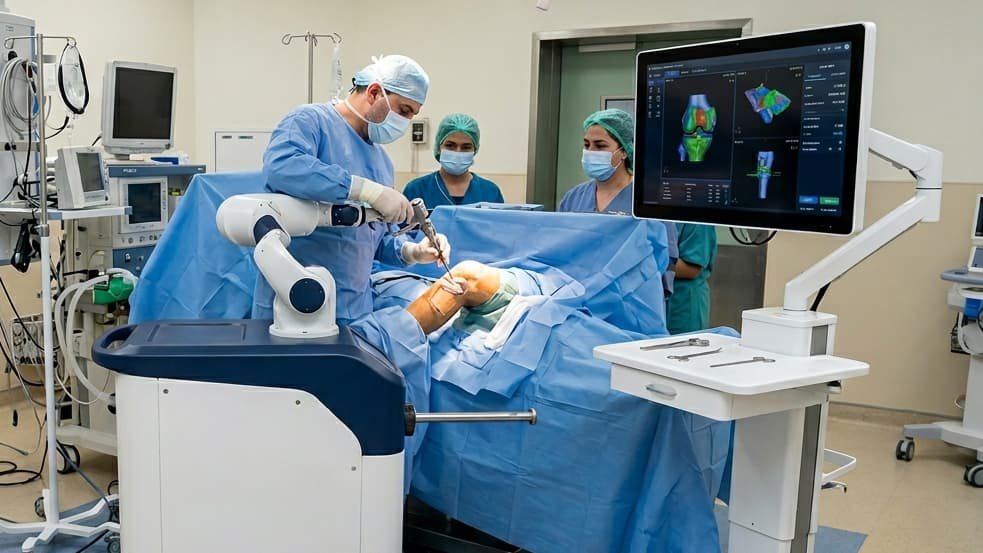
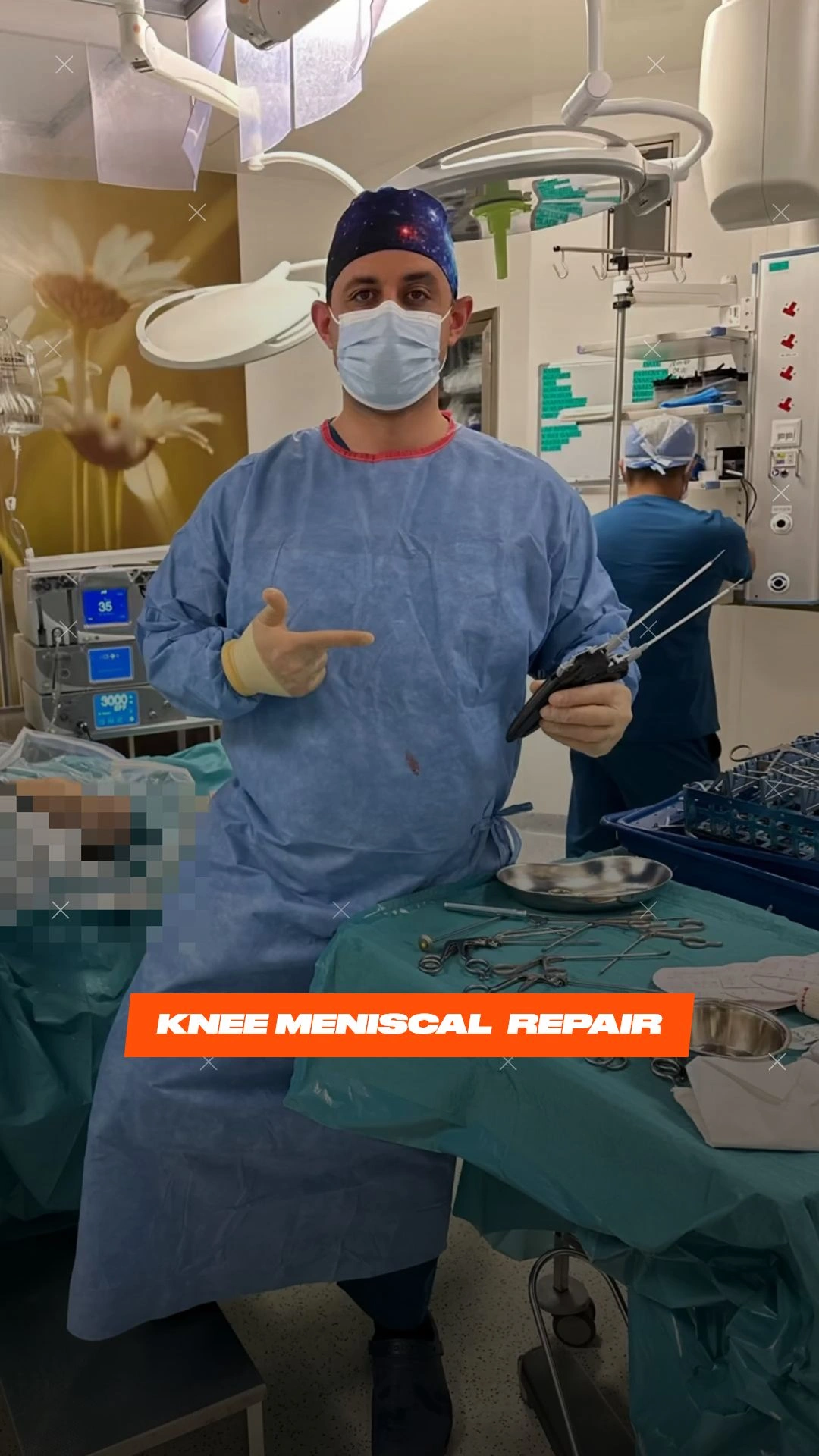
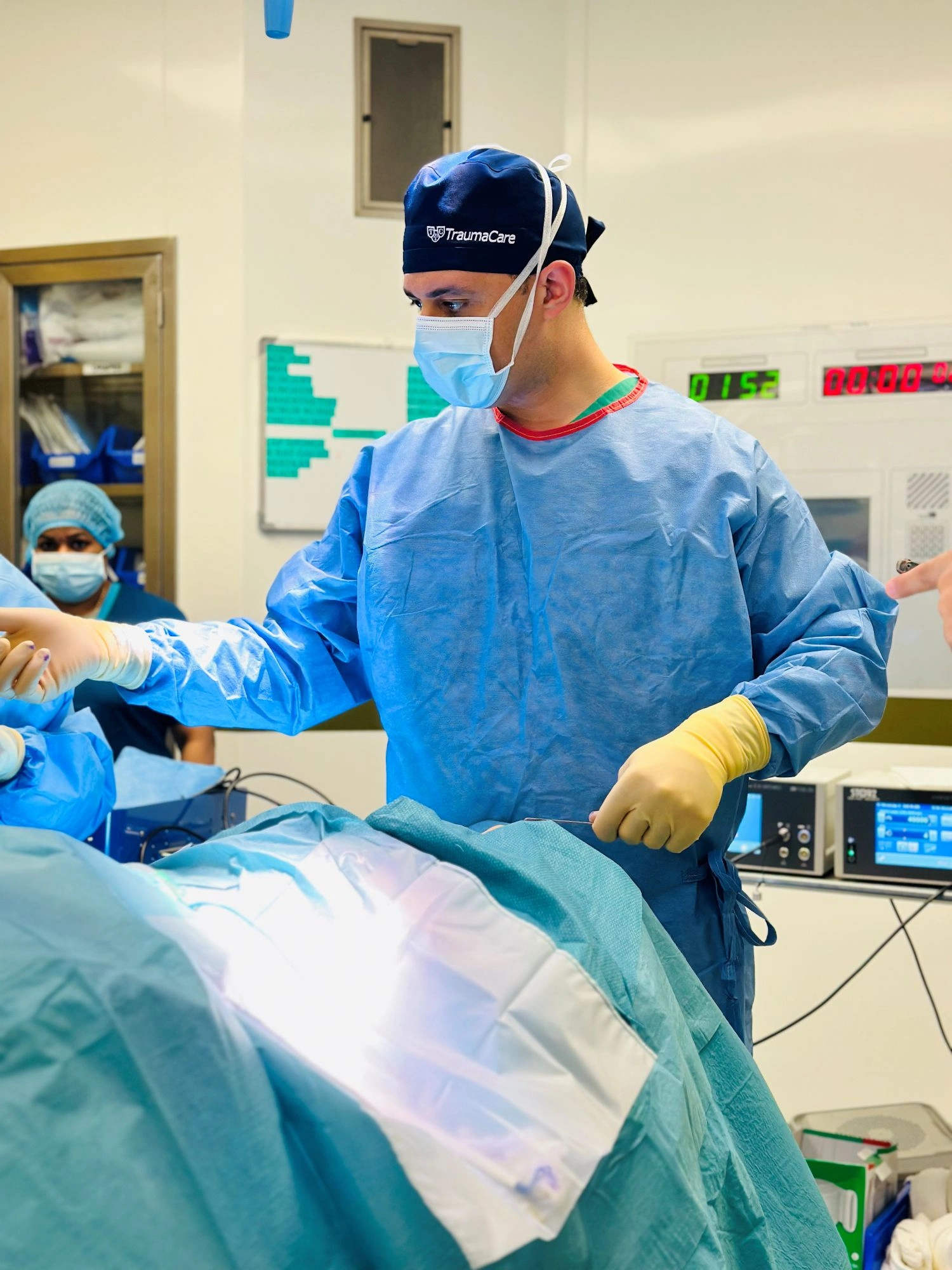
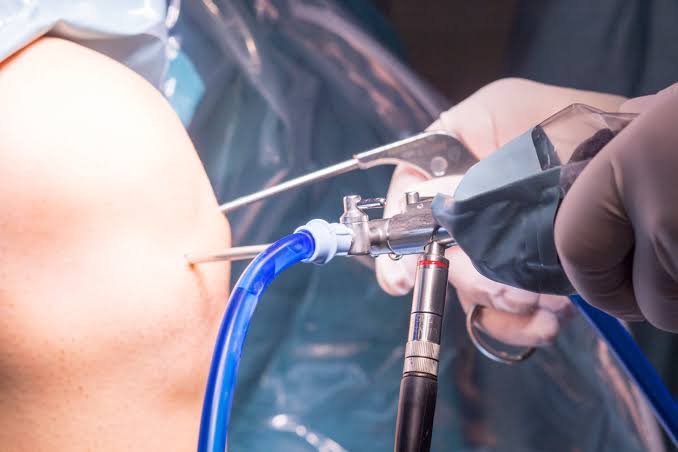
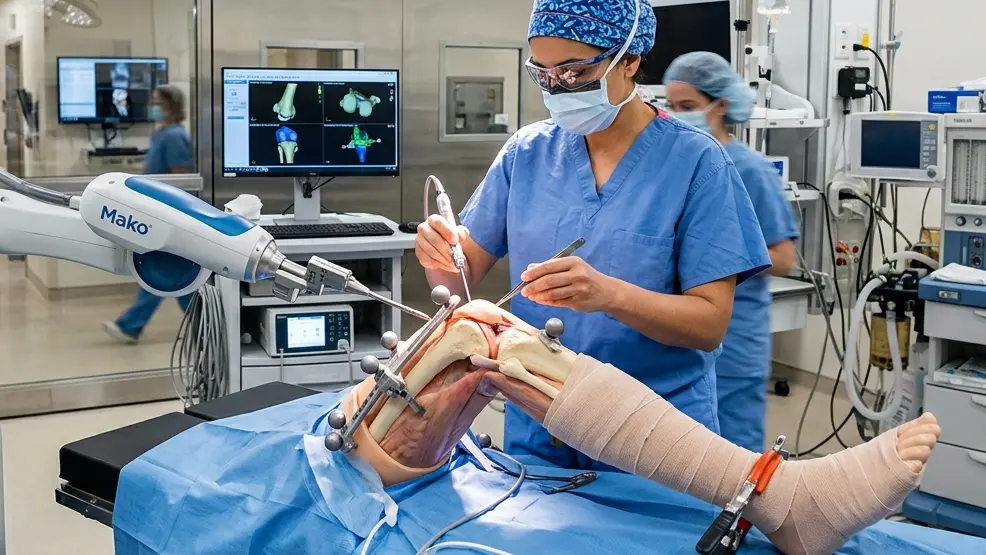
Performed using minimally invasive knee arthroscopy, allowing precise evaluation and treatment while preserving as much healthy meniscal tissue as possible.

Primary Options:

  • Arthroscopic meniscus repair
Why Choose Dr. Ahmed Azmy

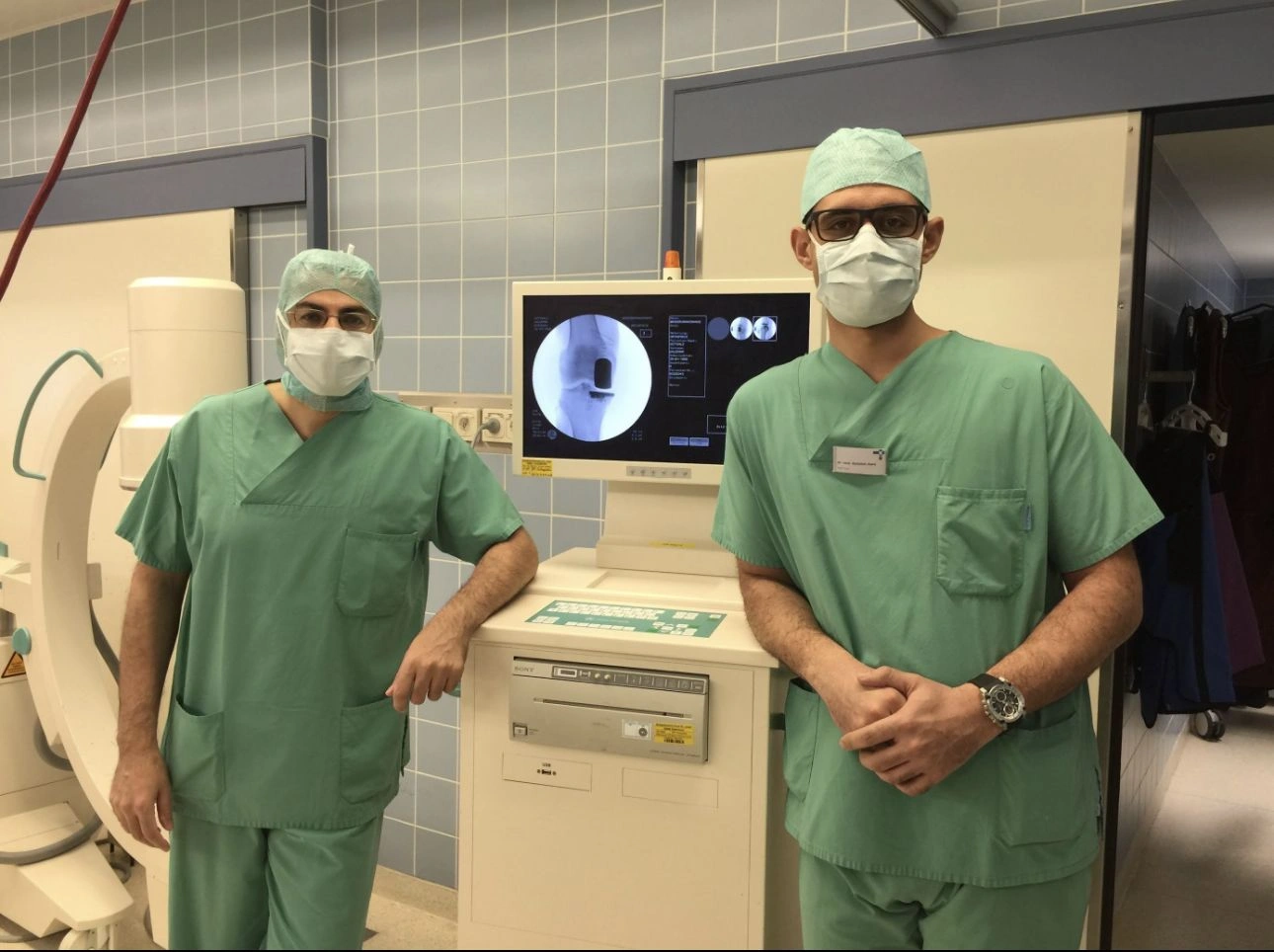
Why Choose Dr. Ahmed Azmy for Meniscus Tear Treatment?

Backed by 15+ years of experience, global training, and over 2,500 successful procedures, Dr. Ahmed Azmy is a leading orthopedic surgeon in Sharjah, UAE, specializing in advanced meniscus surgery and knee preservation techniques. His approach combines precision, evidence-based care, and personalized treatment planning to achieve faster recovery and long-term joint health for patients across Sharjah, Ajman, and the UAE.

Advanced expertise in meniscus surgery and complex knee injuries.

Precision-driven minimally invasive techniques that support faster recovery time.

Focus on preserving healthy cartilage for long-term knee performance.

Customized rehabilitation plans based on activity level, lifestyle, and recovery goals.

Preferred by athletes and active individuals in Sharjah and nearby Ajman.

Over 15 years of dedicated experience in orthopedic and sports injury care across the UAE.

Trusted by tens of thousands of patients seeking advanced knee treatments in Sharjah.

Extensive track record in performing high-volume, precision-based meniscus procedures.

International fellowship training in Germany with a focus on arthroscopy and joint reconstruction.

Recognized expertise in ligament injuries, knee stability, and meniscus preservation techniques.
Gallery Track A 1
Gallery Track A 2
Gallery Track A 3
Gallery Track A 4
Gallery Track A 5
Gallery Track A 6
Gallery Track A 7
Gallery Track A 1
Gallery Track A 2
Gallery Track A 3
Gallery Track A 4
Gallery Track A 5
Gallery Track A 6
Gallery Track A 7
Gallery Track B 1
Gallery Track B 2
Gallery Track B 3
Gallery Track B 4
Gallery Track B 5
Gallery Track B 6
Gallery Track B 7
Gallery Track B 1
Gallery Track B 2
Gallery Track B 3
Gallery Track B 4
Gallery Track B 5
Gallery Track B 6
Gallery Track B 7
Rehabilitation & Prognosis

Meniscus Tear Recovery & Healing Time

4–8 Weeks

Conservative Care

For small or stable tears, recovery focuses on targeted stabilization and non-invasive tissue support:

  • Reducing swelling and inflammation rapidly
  • Restoring full dynamic range of motion
  • Strengthening supportive quadriceps and hamstrings
  • Improving overall joint balance and neuromotor knee control
Vascular Insight: Meniscus tear healing time is generally shorter when the tear is located in the red-red vascular zone.
3–6 Months

Post-Surgical Recovery (Repair)

When the meniscus is repaired, healing takes longer because the tissue must biologically reattach and recover. Weight-bearing may be temporarily limited, and rehabilitation progresses gradually to protect the repair site. Knee meniscus tear recovery time after repair requires strict adherence to physiotherapy protocols.

4–8 Weeks

Post-Surgical Recovery (Partial Removal)

If damaged tissue is removed rather than repaired, recovery is typically faster. However, long-term joint protection becomes even more important to prevent cartilage overload. Loss of meniscal tissue may accelerate cartilage damage.

If meniscus tear symptoms such as knee pain, swelling, or locking continue, it is important to seek early medical evaluation. Timely diagnosis helps prevent further damage, improves meniscus tear healing time, and ensures the right meniscus tear treatment in Sharjah for faster recovery.

You should seek evaluation if:


Knee pain persists for several days

Ongoing knee pain may indicate a medial meniscus tear or lateral meniscus tear that requires proper diagnosis and treatment.

The knee locks or catches

A locking sensation can be a sign of a more serious injury, such as a bucket-handle meniscus tear or complex meniscus tear.

Swelling does not improve

Persistent swelling may indicate internal knee damage and should be assessed to avoid delayed recovery time.

You are unable to fully bend or straighten the knee

Limited range of motion may suggest mechanical obstruction inside the joint that needs specialized knee meniscus tear treatment in Sharjah.

Meniscus tear healing time depends on the type, size, and location of the tear. Small tears in the outer vascular (red-red) zone may heal within 4–8 weeks with conservative treatment and guided meniscus tear exercises. However, complex meniscus tear injuries or those requiring surgical repair may take 3–6 months for full recovery. Knee meniscus tear recovery time varies depending on rehabilitation adherence and individual healing response. Tears in the avascular white-white zone have lower healing potential and may require surgical intervention.

Some meniscus tears can heal without surgery, particularly small tears in the outer vascular zone where blood supply supports tissue repair. Conservative meniscus tear treatment includes physical therapy, strengthening exercises, and activity modification. However, displaced tears such as bucket-handle meniscus tear or complex meniscus tear patterns often require surgical evaluation. Persistent locking, instability, or worsening pain are signs that non-surgical treatment may not be sufficient.

Meniscus tear recovery time after surgery depends on whether the procedure involved repair or partial removal. If the meniscus is repaired, healing typically requires 3–6 months due to biological tissue integration. If a small portion is removed (partial meniscectomy), recovery may be faster, often 4–8 weeks. Knee meniscus tear recovery time improves significantly with structured rehabilitation and neuromuscular training to restore stability and reduce reinjury risk.

Meniscus tear symptoms commonly begin with joint line pain after a twisting injury or deep squat. Swelling may develop within 24–48 hours. Some patients experience clicking, catching, or knee locking. In degenerative cases, symptoms may develop gradually without a clear traumatic event. Persistent discomfort, especially during rotation or squatting, may indicate a meniscus tear knee injury requiring orthopedic evaluation.

Surgery is not always required. Many small or stable meniscus tears respond well to conservative meniscus tear treatment including rehabilitation and strengthening exercises. Surgical intervention is considered when symptoms persist, the knee locks, or the tear pattern compromises joint stability. The decision depends on tear location, vascular zone involvement, patient age, and activity level.

Many patients can walk with a meniscus tear, especially if the tear is small. However, walking on an unstable or locked knee may worsen cartilage damage. If pain, swelling, or locking persists, early evaluation is recommended to prevent long-term joint degeneration.


Yes, a meniscus tear can get worse if it is not diagnosed and treated early. For patients in Sharjah, delaying care may allow a small tear to become larger, causing more knee pain, swelling, locking, and reduced movement. In some cases, an untreated tear may develop into a complex meniscus tear or contribute to long-term joint damage. Getting meniscus tear treatment in Sharjah helps identify the type and severity of the injury early, allowing the doctor to recommend the right plan before symptoms progress.


If you have a meniscus tear in Sharjah, you should avoid activities that place extra stress on the knee, such as deep squatting, running, jumping, heavy lifting, and sudden twisting movements. These activities can increase pain, worsen the tear, and delay recovery. Instead, patients in Sharjah are usually advised to follow a guided recovery plan with safe movement and supervised meniscus tear exercises. A proper treatment plan helps protect the knee joint, reduce swelling, and support better meniscus tear recovery time.


For patients in Sharjah, understanding the difference between a meniscus tear and a ligament injury is important because treatment may vary. A meniscus tear affects the cartilage that cushions the knee, while a ligament injury affects the bands that stabilize the joint, such as the ACL. Meniscus tear symptoms often include knee locking, clicking, swelling, and pain during movement, while ligament injuries may cause instability or a “giving way” feeling. Accurate diagnosis in Sharjah helps determine whether the injury needs physiotherapy, meniscus tear exercises, or advanced treatment.


Yes, physiotherapy can help many patients with a meniscus tear in Sharjah, especially when the tear is mild or moderate. A structured physiotherapy program may include strengthening exercises, mobility work, balance training, and safe meniscus tear exercises to support knee stability. While not every meniscus tear heals completely without surgery, physiotherapy can reduce pain, improve function, and support faster recovery in many cases. A specialist in Sharjah can assess the injury and decide whether conservative care or further meniscus tear treatment is needed.


Returning to sports after a meniscus tear in Sharjah depends on the severity of the injury, the type of tear, and the treatment approach. Minor tears treated without surgery may allow a gradual return within a few weeks, while surgical cases may require several months of rehabilitation. Returning too early can increase the risk of re-injury or delayed healing. Patients in Sharjah should return to sports only after medical assessment, strength recovery, and improved knee stability. A tailored meniscus tear treatment plan helps make the return safer.


contact us today and start your journey to optimal health and performance.

Location

Sharjah, UAE

Working Hours

Saturday – Thursday: 9AM – 7PM
Friday : OFF

Contact Form dr