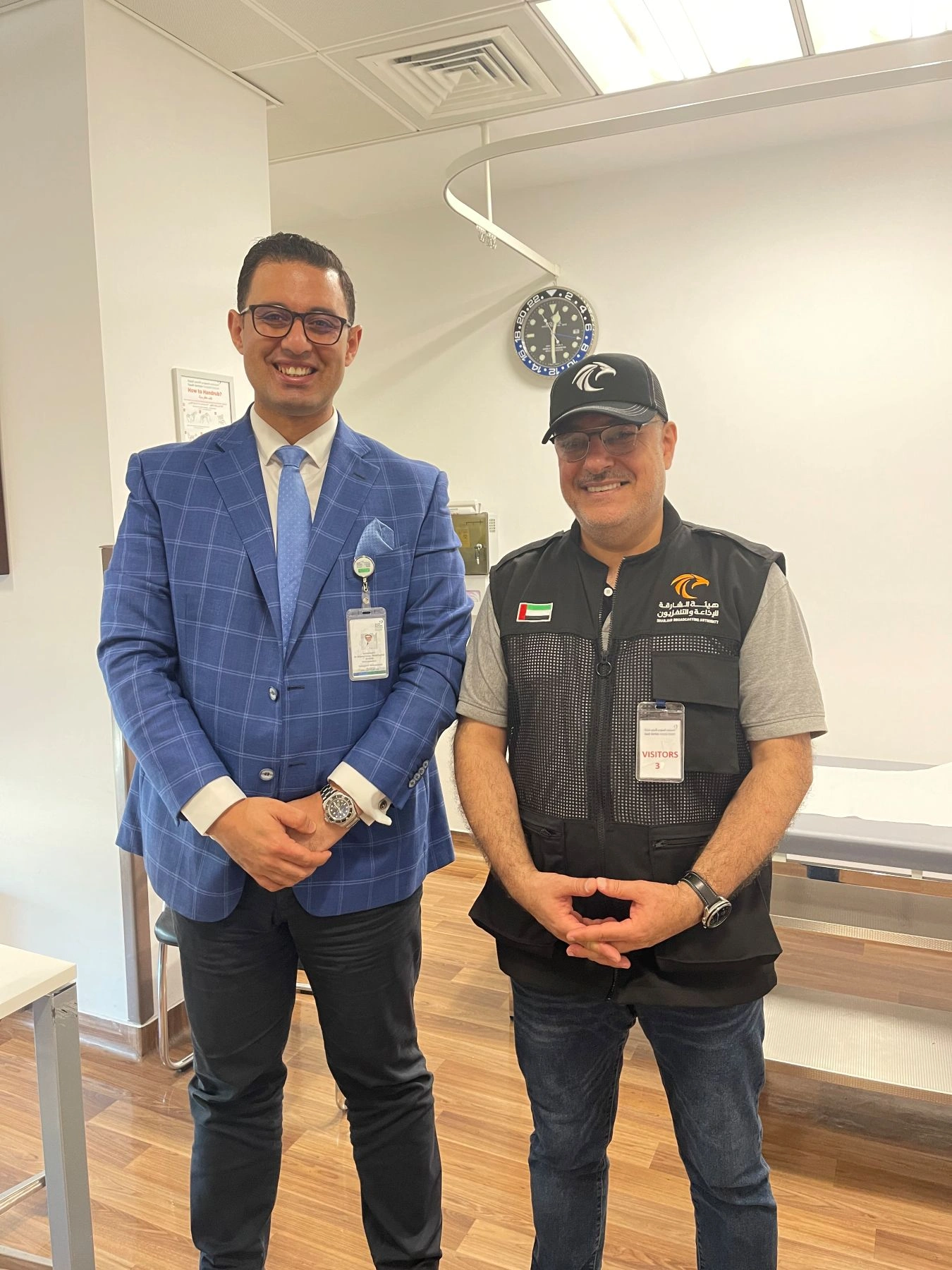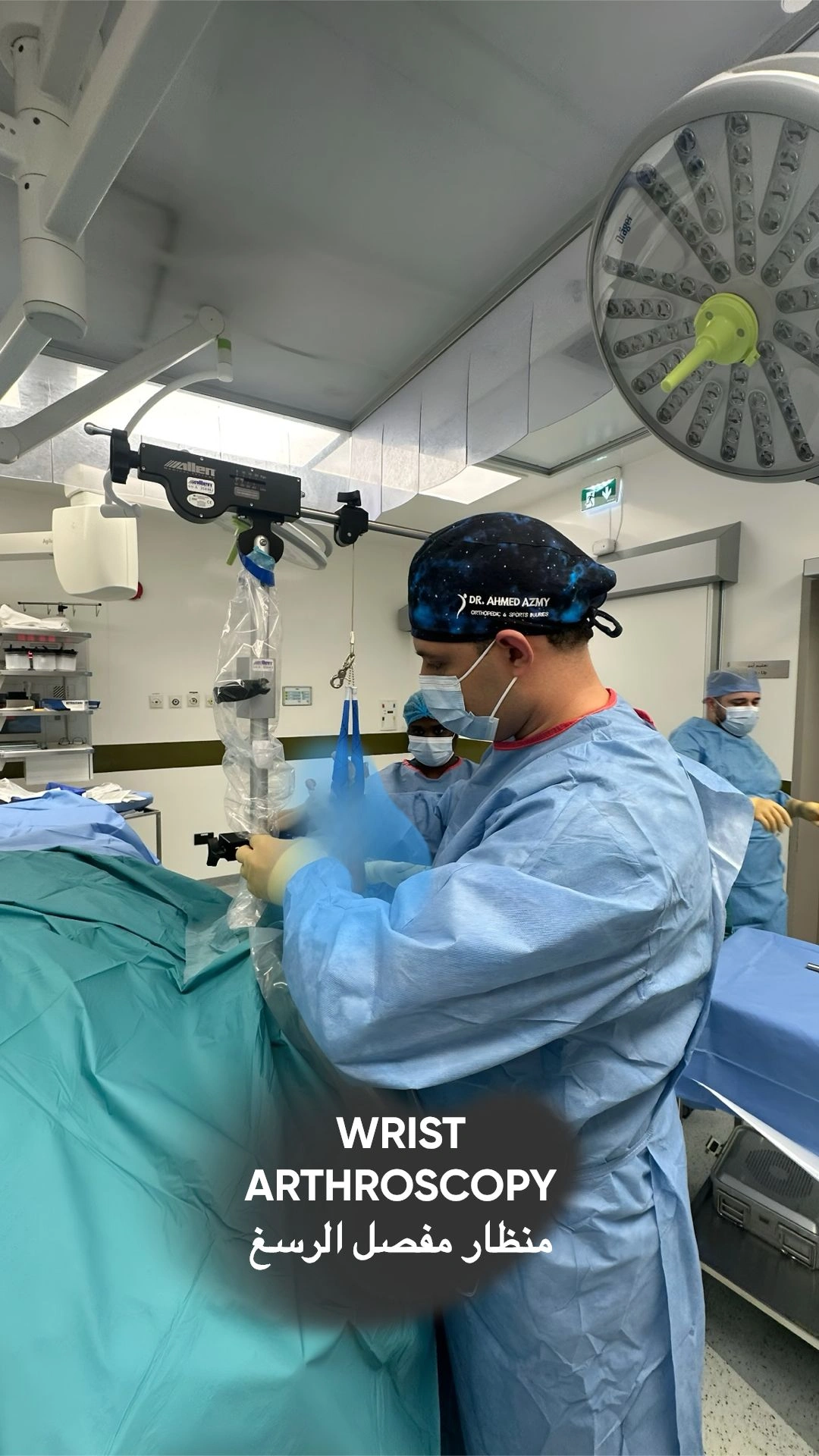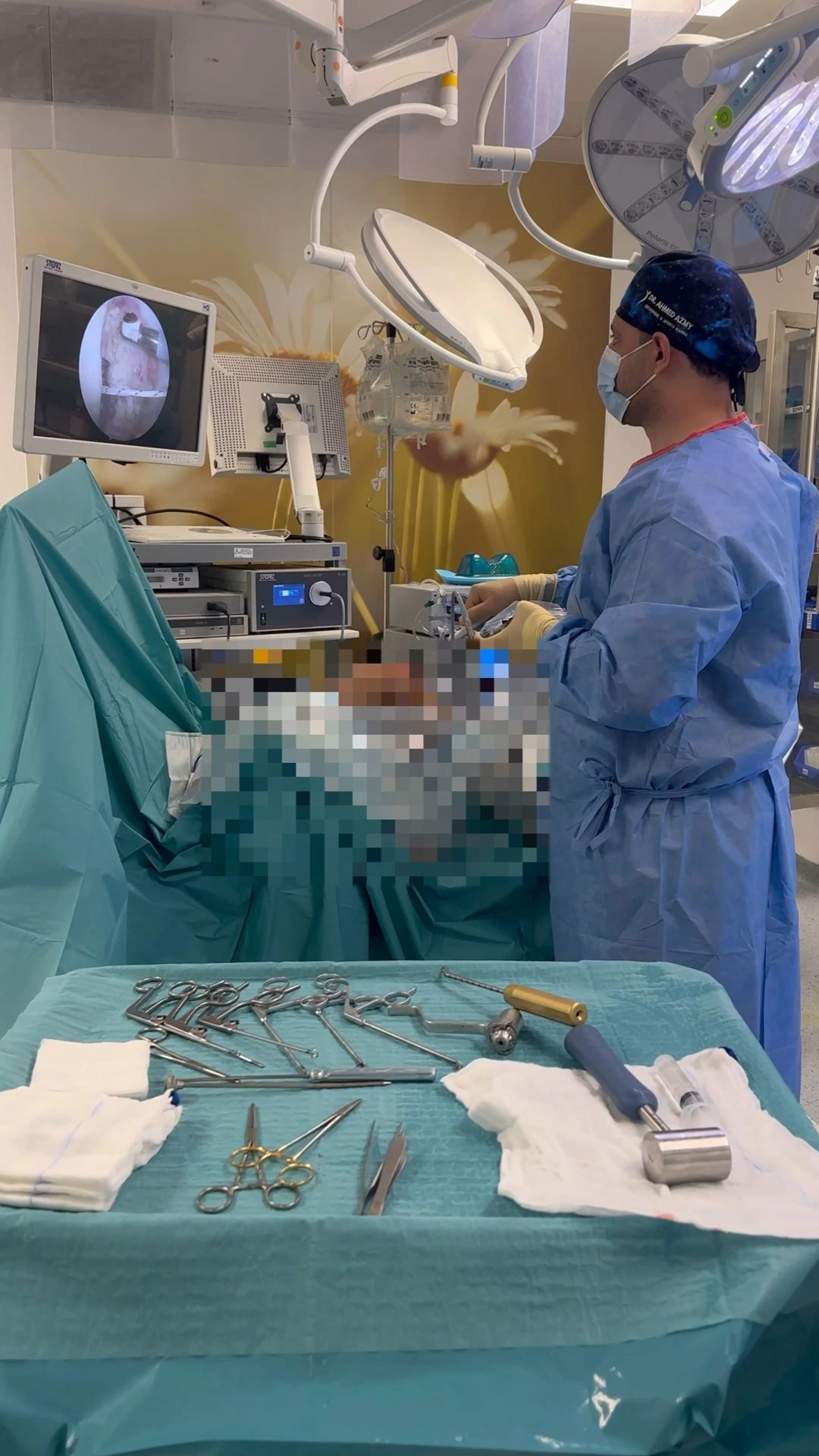
Expert frozen shoulder treatment in Sharjah by Dr. Ahmed Azmy, helping you restore movement, reduce stiffness, and return to pain-free daily activities. A frozen shoulder (also known as frozen shoulder syndrome) is a condition where the shoulder joint becomes stiff, painful, and difficult to move. It develops gradually and can significantly affect daily activities such as dressing, lifting, or reaching overhead. Without proper frozen shoulder treatment, symptoms may worsen over time and lead to prolonged restriction in movement. Early diagnosis and guided rehabilitation are essential for recovery.
Frozen shoulder can be classified based on its underlying cause. Understanding the different types of frozen shoulder helps guide proper diagnosis and the most effective frozen shoulder treatment plan.
Develops without a clear cause. It is the most common type and often occurs gradually, leading to progressive frozen shoulder pain and stiffness over time.
Occurs due to an underlying condition such as injury, surgery, or medical conditions like diabetes. It is often associated with reduced shoulder movement following trauma or procedures.
Develops after shoulder injuries such as fractures, rotator cuff tear, or shoulder dislocation, where limited movement leads to stiffness.
Linked to systemic conditions like diabetes or thyroid disorders, increasing the risk of prolonged stiffness and slower recovery.
Develops without a clear cause. It is the most common type and often occurs gradually, leading to progressive frozen shoulder pain and stiffness over time.
Occurs due to an underlying condition such as injury, surgery, or medical conditions like diabetes. It is often associated with reduced shoulder movement following trauma or procedures.
Develops after shoulder injuries such as fractures, rotator cuff tear, or shoulder dislocation, where limited movement leads to stiffness.
Linked to systemic conditions like diabetes or thyroid disorders, increasing the risk of prolonged stiffness and slower recovery.
A frozen shoulder typically develops slowly, with symptoms worsening over time. Early recognition helps prevent severe stiffness and prolonged recovery.
Ongoing frozen shoulder pain, especially during movement or stretching. Pain may start mild but gradually becomes more intense over time.
Increasing tightness in the shoulder joint. Makes simple everyday movements like lifting the arm or rotating it exceptionally difficult.
Difficulty raising the arm overhead or reaching behind the back. This remains one of the most noticeable signs of frozen shoulder symptoms.
Tasks like dressing, combing hair, or reaching shelves become challenging. This loss of function can significantly affect overall quality of life.
Pain often worsens significantly at night, especially when lying on the affected shoulder, leading to interrupted sleep and severe chronic discomfort.
Reduced shoulder use over time may lead to muscle weakness. This is not caused by direct muscular injury but by limited movement and protective stiffness.
The exact cause of a frozen shoulder is not always clear, but several clinical risk factors and conditions contribute to its development.
Keeping the shoulder still for long periods after injury, surgery, or pain leads to tightening of the joint capsule. Without regular movement, the capsule thickens and restricts motion. Early guided movement and physiotherapy are important to prevent this.
People with diabetes are at a significantly higher risk due to changes in connective tissue and reduced healing capacity. Other conditions such as thyroid disorders and cardiovascular disease may also contribute to joint stiffness and prolonged recovery.
Injuries like a rotator cuff tear, fractures, or even a shoulder dislocation can limit movement, leading to stiffness over time. Proper rehabilitation is essential after any shoulder injury to prevent joint limitations.
Inflammation causes the shoulder capsule to thicken and tighten, reducing the space inside the joint. This leads to pain and restricted movement, which are key features of frozen shoulder symptoms. Early treatment targets this specific inflammation loop.
Frozen shoulder is more common in individuals over the age of 40, especially those with a sedentary lifestyle or reduced shoulder use. Lack of regular physiological movement leads to premature joint encapsulation and decreased dynamic flexibility.
Precise diagnostic differentiation is essential to distinguish frozen shoulder from shoulder instability, impingement, or tendon injuries.
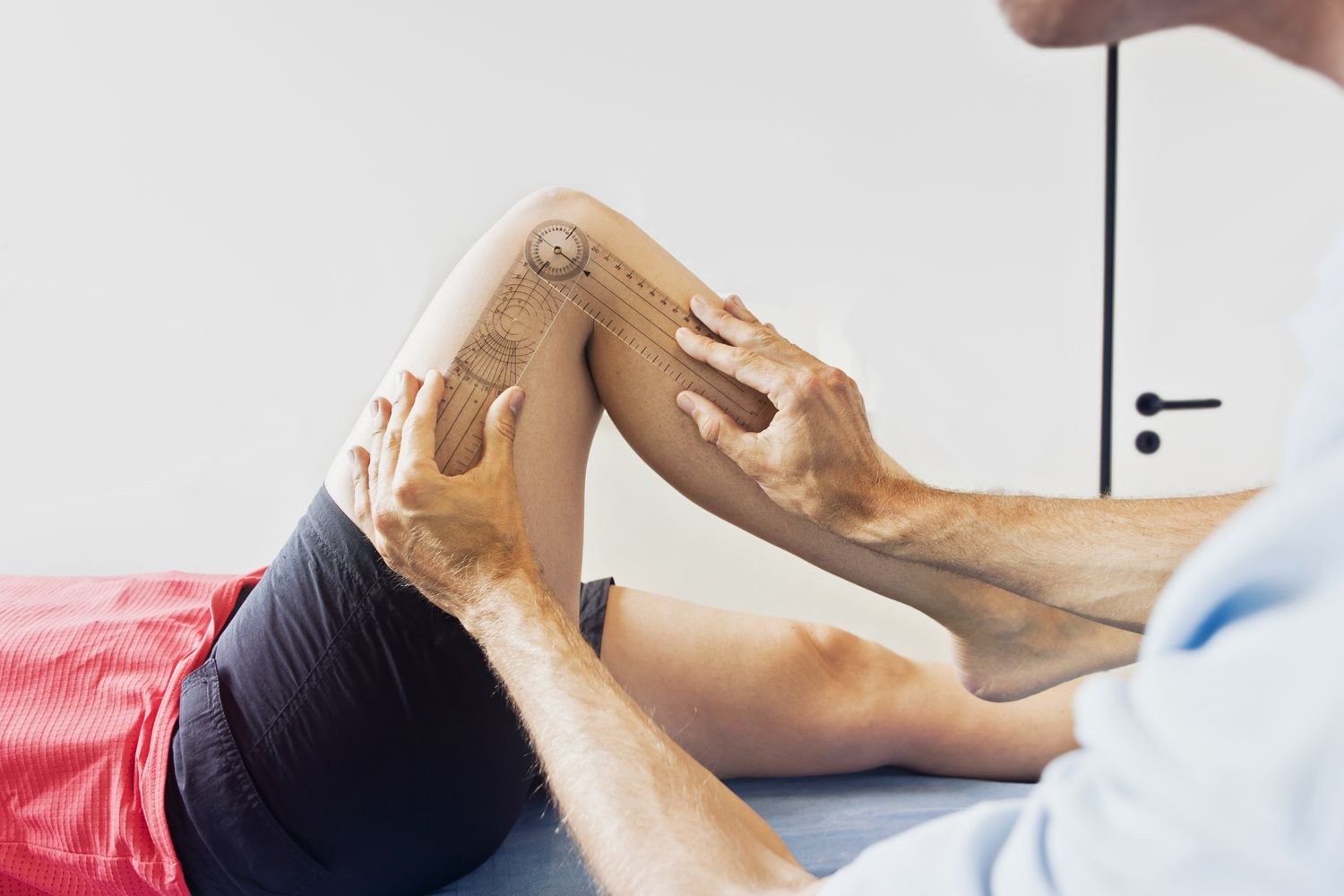
Assesses shoulder movement, physical stiffness, and localized pain levels.
Key step to identify restricted motion, which is the absolute hallmark of frozen shoulder symptoms.
Measures both active (patient-driven) and passive (doctor-assisted) movement of the shoulder.
Helps differentiate frozen shoulder from conditions where assisted movement remains less restricted.
Targeted clinical maneuvers designed to confirm joint capsule tightness and restriction bounds.
Supports accurate frozen shoulder diagnosis and carefully rules out shoulder instability.
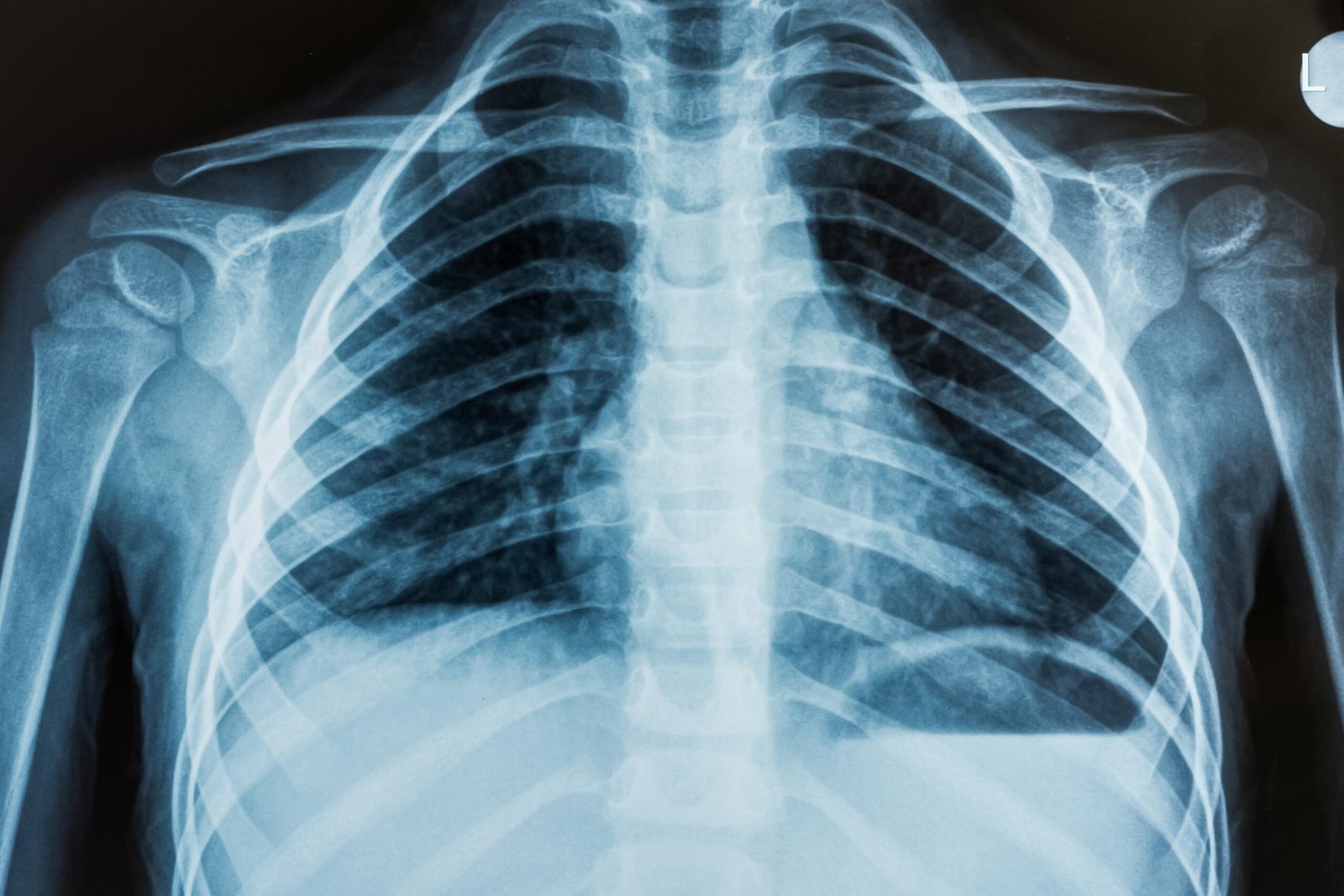
Evaluates underlying bone structure and mechanical joint alignment patterns.
Used in advanced screening to confidently rule out fractures, bone spurs, osteoarthritis, or structural abnormalities.
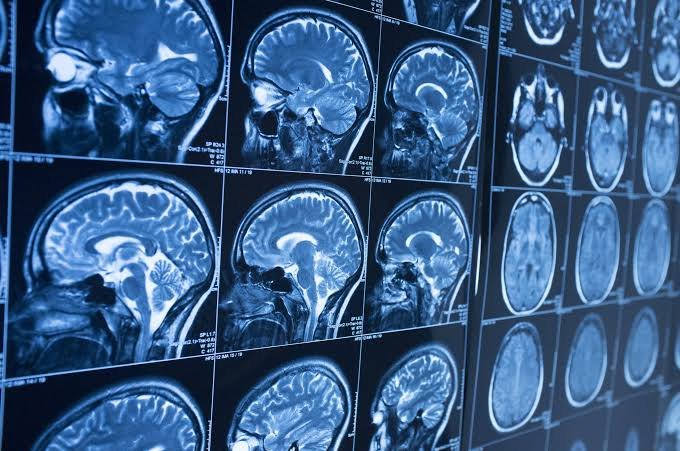
Provides cross-sectional detailed imaging of soft tissues, ligaments, and the joint capsule structure.
Helps confirm frozen shoulder radiology findings and strictly excludes rotator cuff tendon injuries.
Dynamic soft tissue movement assessment and complex diagnostic visualization case scoping.
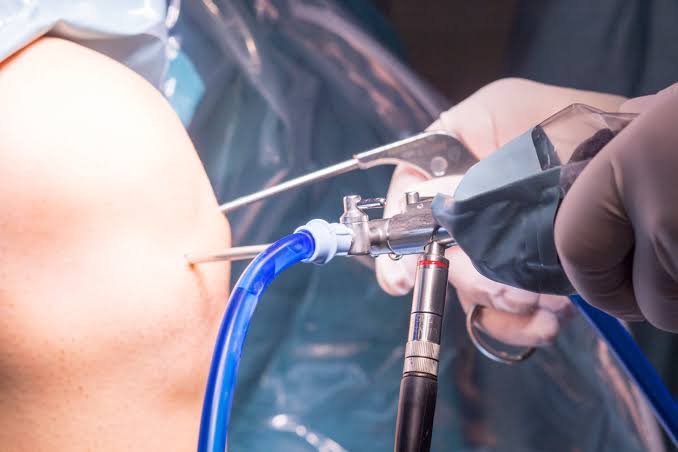
Identifies associated conditions like bursitis or fluid issues. 👉 Shoulder Arthroscopy used for complex cases.
A frozen shoulder can worsen gradually if not treated early. Recognizing when to seek medical care is essential to prevent long-term stiffness.
Ongoing frozen shoulder pain lasting for weeks or worsening over time. Increasing tightness that severely limits dynamic daily activities despite prolonged rest.
Difficulty raising your arm, reaching overhead, or rotating the shoulder structure. Reduced range of motion is a key sign of advancing joint capsule symptoms.
Severe night pain that disrupts physiological sleep, especially when lying on the affected side. Severe difficulty performing routine tasks like dressing or grooming.
No improvement with rest, independent exercises, or basic home treatment. Indicates an immediate need for proper clinical diagnosis and guided physical rehabilitation.
Ongoing frozen shoulder pain lasting for weeks or worsening over time. Increasing tightness that severely limits dynamic daily activities despite prolonged rest.
Difficulty raising your arm, reaching overhead, or rotating the shoulder structure. Reduced range of motion is a key sign of advancing joint capsule symptoms.
Severe night pain that disrupts physiological sleep, especially when lying on the affected side. Severe difficulty performing routine tasks like dressing or grooming.
No improvement with rest, independent exercises, or basic home treatment. Indicates an immediate need for proper clinical diagnosis and guided physical rehabilitation.
Effective frozen shoulder treatment focuses on relieving pain, restoring shoulder mobility, and preventing long-term stiffness. The approach depends on the stage of the condition, severity of symptoms, and how much movement is restricted. Most cases improve with non-surgical care, while advanced cases may require intervention.
Non-surgical care is the first-line and most effective option for the majority of patients with frozen shoulder syndrome.
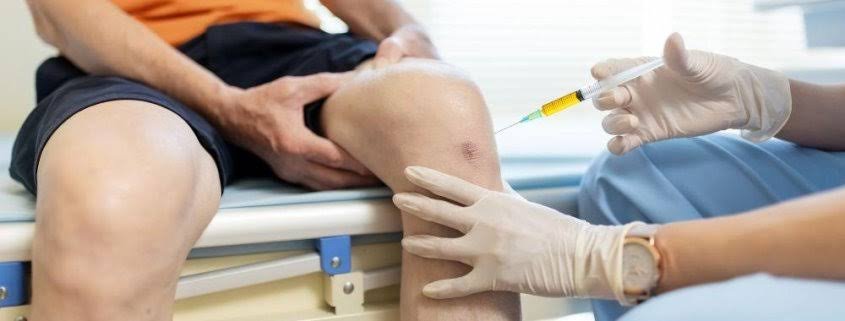
Surgery is considered when symptoms persist despite months of conservative care or when stiffness severely limits function.
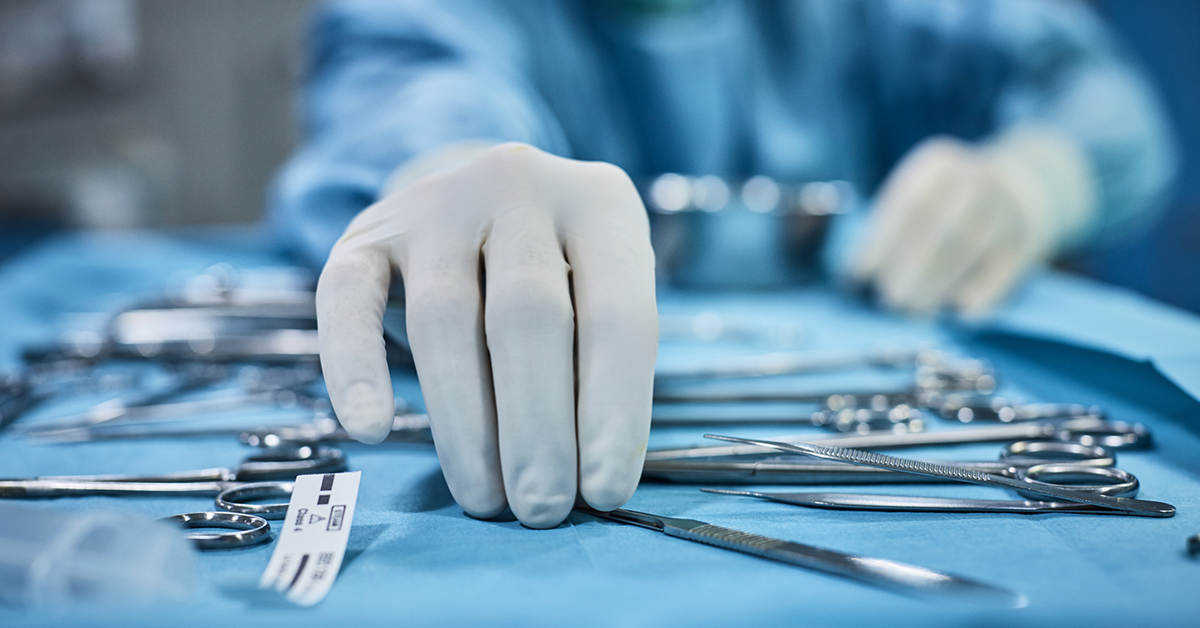
Surgical treatment is followed by structured frozen shoulder rehabilitation to restore full movement and prevent recurrence.
A frozen shoulder develops gradually and progresses through three distinct phases, each with different symptoms, pain levels, and recovery timelines.
The initial phase where frozen shoulder pain begins gradually and worsens over time. The shoulder becomes increasingly stiff, and everyday movements such as reaching, lifting, or rotating the arm become highly painful. Early intervention is critical to reduce progression.
In this phase, pain may start to decrease, but stiffness becomes more severe. The shoulder joint loses significant mobility, making daily activities like dressing or combing hair difficult. Proper frozen shoulder rehabilitation is essential to prevent long-term stiffness.
During the final phase, shoulder movement gradually improves with consistent treatment and physiotherapy. Stiffness slowly reduces, and normal function begins to return. Recovery heavily depends on adherence to specialized exercises.
Recovery from a frozen shoulder is gradual and depends on the stage of the condition, severity of stiffness, and how consistently rehabilitation is followed. The overall frozen shoulder recovery time can range from a few months to over a year in some cases. A structured frozen shoulder rehab protocol is essential to restore mobility, reduce pain, and prevent long-term stiffness.
Focus on managing frozen shoulder pain with medications and gentle movements. Avoid aggressive activity while maintaining light mobility to prevent worsening stiffness.
Stiffness is at its peak. Gradual stretching and guided frozen shoulder exercises help improve range of motion without causing pain flare-ups. Consistency is key during this phase.
Shoulder movement begins to return. Strengthening exercises and physiotherapy focus on restoring normal function and flexibility. Daily activities become easier over time.
Continued rehabilitation helps regain full shoulder use. Patients gradually return to work, exercise, and daily tasks with improved confidence and reduced stiffness.
Targeted movement is essential for recovering from a frozen shoulder. A structured program of frozen shoulder exercises helps reduce stiffness, improve flexibility, and gradually restore normal shoulder function. These exercises should be performed consistently and under guidance to avoid pain flare-ups and ensure safe progress.
Shoulder pain can be caused by different conditions, and distinguishing between frozen shoulder vs impingement is important for accurate diagnosis and treatment. While both conditions cause discomfort, they differ significantly in symptoms, movement limitation, and progression.
The shoulder becomes very stiff, with a significant loss of both active and passive movement. Patients often cannot raise or rotate the arm even with assistance.
Symptoms develop slowly, starting with mild pain and progressing to severe stiffness over weeks or months.
The shoulder joint becomes globally restricted, affecting all directions of movement including lifting, reaching, and rotation.
Caused by inflammation and tightening of the joint capsule, leading to reduced joint space and stiffness.
Recovery may take several months and requires consistent frozen shoulder rehabilitation.
Movement is usually possible, but painful, especially during certain motions. The joint itself is not stiff, and assisted movement is typically less restricted.
Pain often begins after repetitive overhead activities or strain, such as sports or lifting, and may appear suddenly.
Pain is usually triggered during overhead movements or when lifting the arm, but other motions may remain normal.
Caused by compression of tendons (often rotator cuff) under the shoulder blade, leading to irritation and pain without stiffness.
Typically improves faster with rest, physiotherapy, and activity modification.
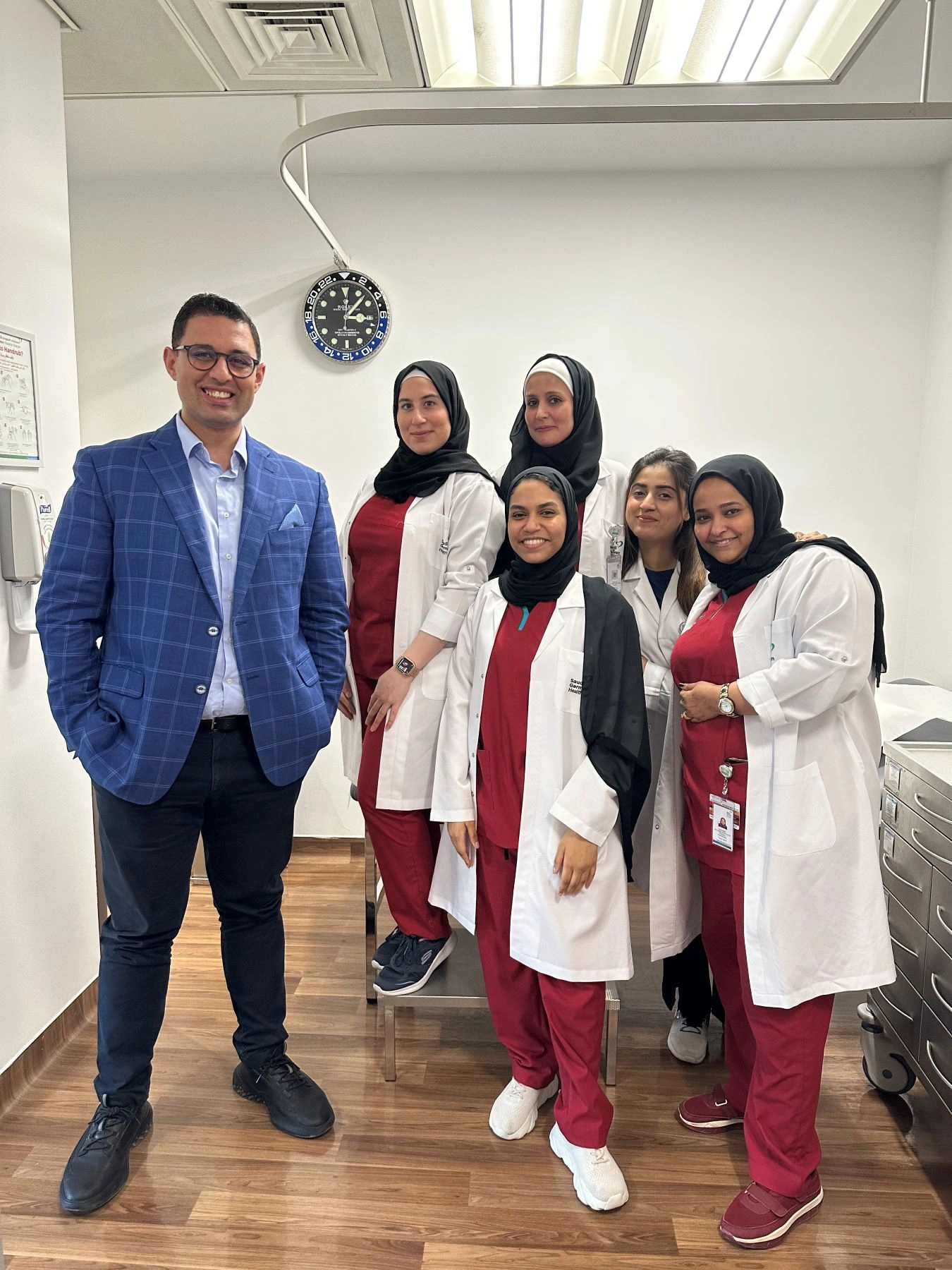
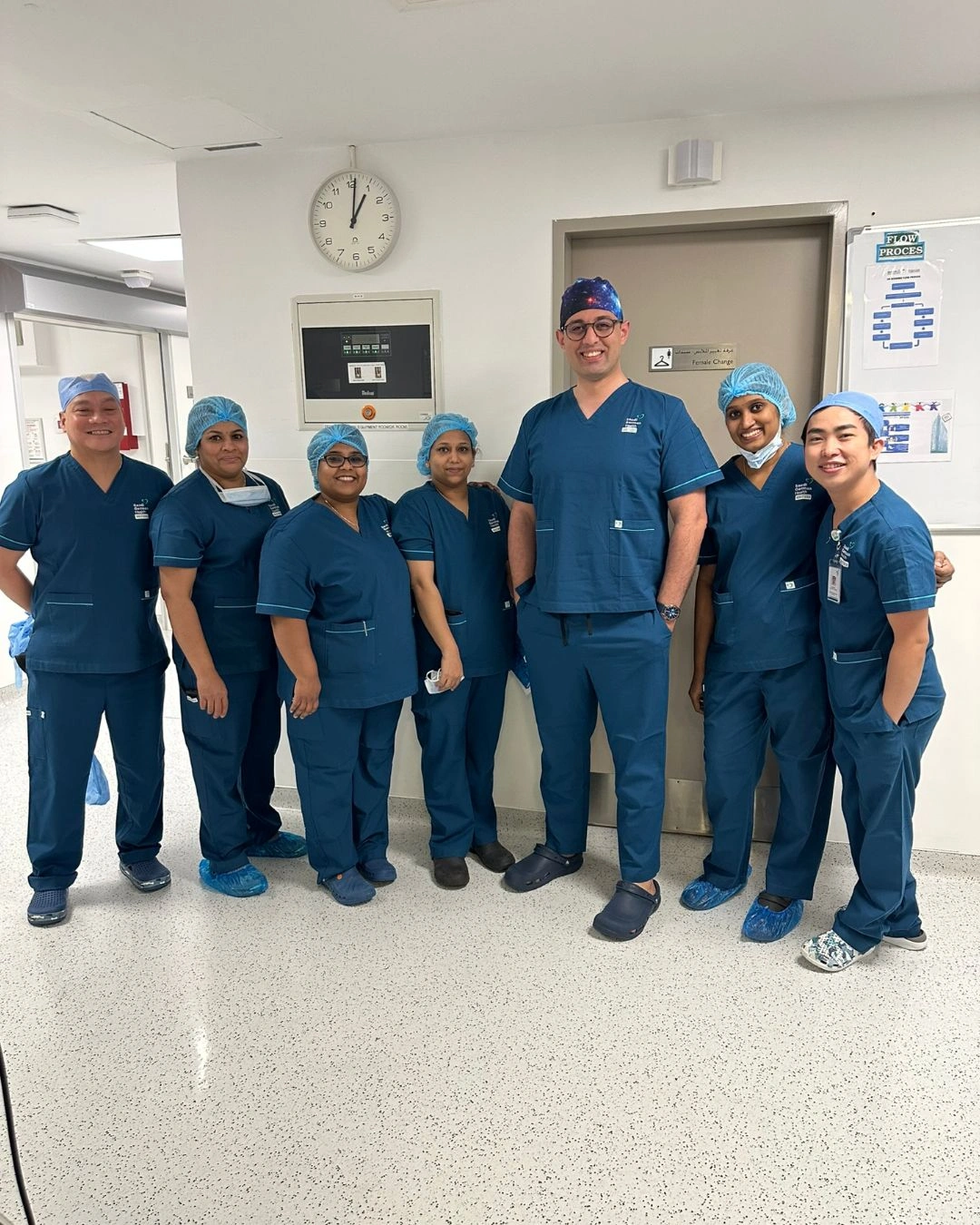
Choosing the right specialist is crucial for effective frozen shoulder treatment, especially when stiffness affects daily life and recovery can take months. Dr. Ahmed Azmy offers expert care in Sharjah, combining advanced techniques with a personalized approach to restore shoulder mobility and reduce pain.
Dr. Ahmed Azmy focuses on accurate frozen shoulder diagnosis and stage-based treatment plans tailored to each patient. Whether you are in the early painful phase or dealing with long-standing stiffness, his approach combines physiotherapy, targeted injections, and advanced procedures when needed.
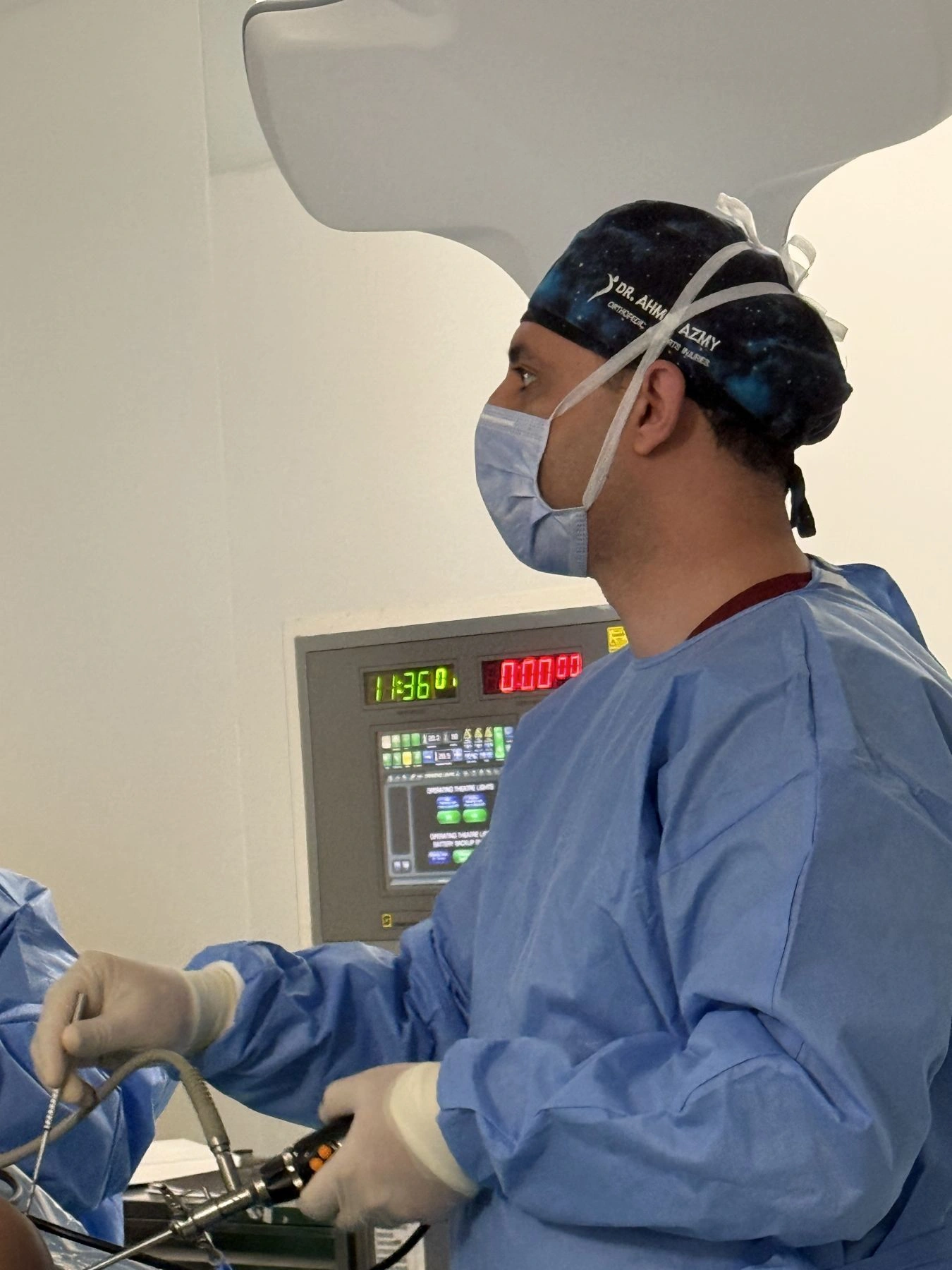
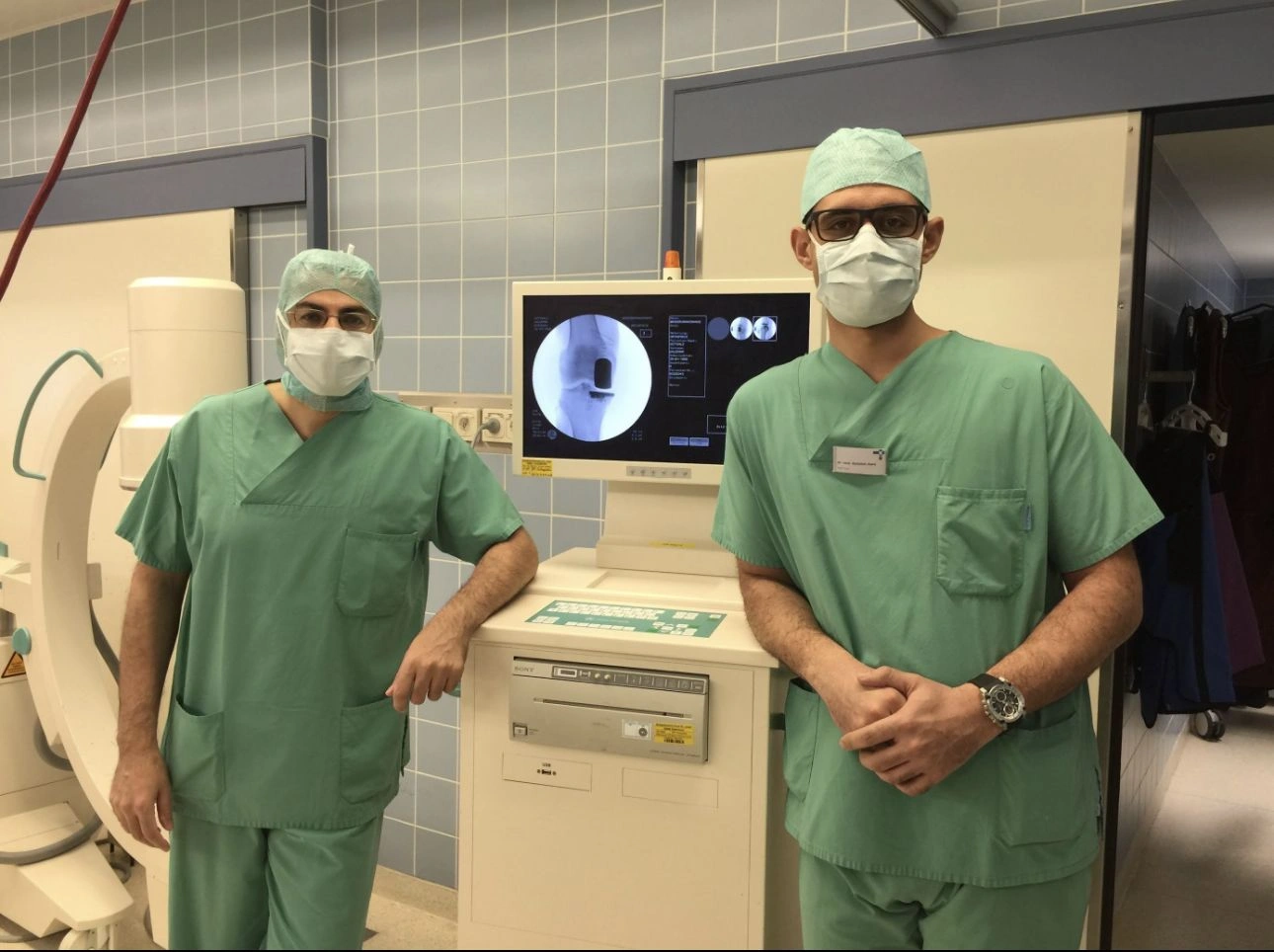
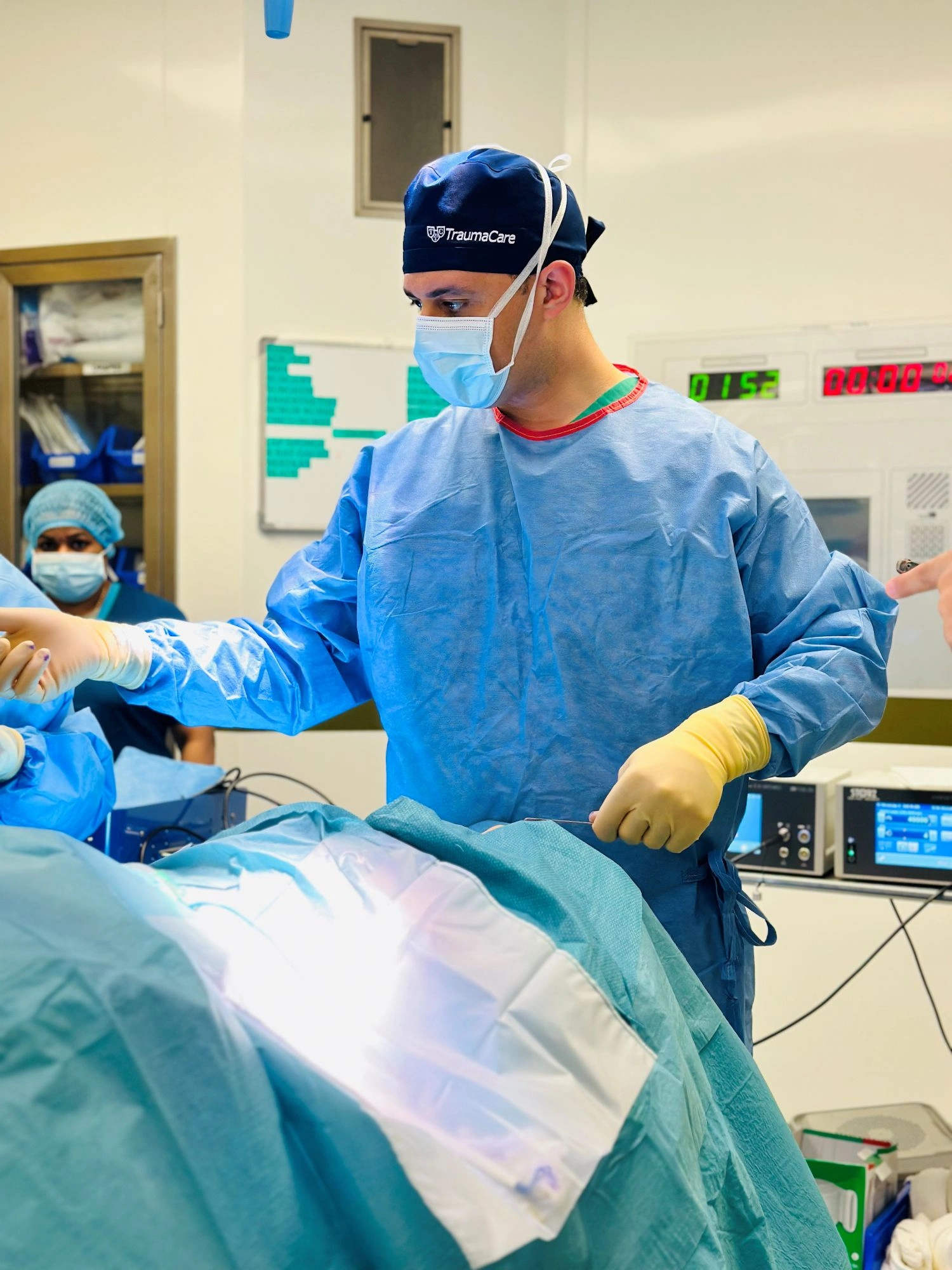
With expertise in shoulder arthroscopy and structured frozen shoulder rehab protocols, patients receive comprehensive care designed to improve mobility, reduce frozen shoulder pain, and shorten overall frozen shoulder recovery time.


A frozen shoulder may worsen over time if not properly managed. Without timely frozen shoulder treatment, stiffness can increase, recovery may take longer, and normal shoulder function may not fully return. Understanding potential frozen shoulder complications helps highlight the importance of early care and structured rehabilitation.
The joint capsule may continue to tighten, leading to long-term restriction in movement. Severe stiffness can make everyday tasks difficult, even after pain reduces.
Ongoing frozen shoulder pain may continue for months or longer. Pain can interfere with sleep and reduce overall quality of life.
Limited ability to lift, rotate, or extend the arm. In some cases, full movement may never be completely restored without treatment.
Reduced use of the shoulder can lead to weakening of surrounding muscles. This can further decrease stability and delay recovery.
Without proper frozen shoulder rehabilitation, healing can take significantly longer. Delayed treatment may extend recovery from months to years.
Difficulty performing routine tasks such as dressing, driving, or reaching. Reduced independence and functional limitations over time.
Real recovery stories from patients who underwent successful shoulder dislocation treatments, surgeries, and rehabilitation programs under the care of Dr. Azmy.
"Dr. Azmy is incredibly professional. He performed my shoulder reduction instantly after a sports injury, and the recovery plan was flawless."
"I had a complex fracture dislocation from a car accident. Dr. Azmy’s surgical expertise saved my arm mobility. I highly recommend his clinic."
"My shoulder used to slip out frequently. After Dr. Azmy’s arthroscopic stabilization, my shoulder feels solid and stable again."
"Excellent clinical approach. Diagnosed my AC joint separation clinically without rushing me into unnecessary surgeries. Very honest doctor."
"As an athlete, I thought my career was over after the dislocation. Dr. Azmy’s rehabilitation guide got me back on the field safely."
"Exceptional care and deep medical knowledge. The chronic dislocated pain is completely gone thanks to Dr. Azmy’s persistent follow-ups."
"My diagnosis was complicated, but Dr. Azmy caught the posterior displacement via radiology instantly. A truly brilliant diagnostic mind."
"Had a successful shoulder arthroscopy with Dr. Azmy. Minimal scarring, almost zero postoperative pain, and excellent recovery tracking."
"I suffered from partial dislocations for months. The tailored strengthening exercises provided by Dr. Azmy fixed the joint laxity perfectly."
"Brought my son to Dr. Azmy with an acute shoulder dislocation. The doctor was calm, reassuring, and popped it back under precise control."
"Detailed MRI analysis and honest counseling. Dr. Azmy explained my shoulder ligament options transparently. Trustworthy specialist."
"After visiting three different orthopedics, Dr. Azmy was the only one who provided a permanent solution for my chronic joint dislocation."
A frozen shoulder can significantly impact daily activities by limiting the ability to move the arm freely. Simple tasks such as dressing, reaching overhead, driving, or even sleeping comfortably may become difficult. The combination of frozen shoulder pain and stiffness often leads patients to avoid using the affected arm, which can worsen the condition over time. As movement decreases, the joint becomes tighter, further restricting function. Early frozen shoulder treatment and a structured rehabilitation plan are important to restore mobility and help patients return to normal daily routines.
General shoulder stiffness is usually temporary and improves with rest or light stretching, while a frozen shoulder is a progressive condition that significantly restricts movement over time. In frozen shoulder, both active and passive movements are limited, meaning even assisted motion is difficult. This distinguishes it from minor stiffness or muscle tightness. Without proper frozen shoulder treatment, the condition can last for months or longer. Accurate diagnosis is essential to ensure the right rehabilitation approach is followed.
Frozen shoulder is more common in individuals over the age of 40, especially those with underlying health conditions such as diabetes or thyroid disorders. People who have had prolonged shoulder immobilization after injury or surgery are also at higher risk. Reduced physical activity and previous shoulder conditions like a rotator cuff tear may contribute to its development. Understanding these risk factors helps in early prevention and timely frozen shoulder treatment.
In some cases, a frozen shoulder may gradually improve over time without treatment, but this process can take a long time—often many months or even years. Without proper care, stiffness may persist, and shoulder function may not fully return. Structured frozen shoulder rehabilitation can significantly speed up recovery, reduce pain, and restore movement more effectively. Early intervention is recommended to avoid prolonged discomfort and limited mobility.
The level of frozen shoulder pain can vary depending on the stage of the condition. In the early “freezing stage,” pain can be intense and worsen with movement or at night. Compared to other conditions like shoulder impingement, frozen shoulder pain is often more persistent and combined with stiffness. As the condition progresses, pain may decrease, but movement becomes more restricted. Proper frozen shoulder treatment helps manage both pain and stiffness effectively.
While uncommon, a frozen shoulder can affect both shoulders, either simultaneously or one after the other. This is more likely in individuals with systemic conditions such as diabetes. When both shoulders are affected, daily activities can become significantly more challenging. Early frozen shoulder diagnosis and treatment for one shoulder may help reduce the risk of developing it in the other. Consistent rehabilitation and mobility exercises are important for prevention.
If a frozen shoulder is left untreated, it can lead to prolonged stiffness, reduced range of motion, and difficulty performing daily activities. In some cases, the joint may never regain full mobility. Long-term complications may include chronic discomfort and muscle weakness due to disuse. Early frozen shoulder treatment and a structured rehab plan are important to prevent these outcomes and improve overall shoulder function.
Yes, frozen shoulder injections, such as corticosteroid injections, can be effective in reducing inflammation and relieving pain, especially in the early stages. They are often used alongside physiotherapy to improve mobility. While injections help manage symptoms, they are not a standalone cure and should be combined with frozen shoulder exercises and rehabilitation. A specialist can determine if injections are appropriate based on the stage and severity of the condition.
Physiotherapy is one of the most important components of frozen shoulder treatment. It focuses on improving flexibility, restoring range of motion, and strengthening the shoulder gradually. Without consistent frozen shoulder physiotherapy, recovery may be slower and incomplete. A structured rehab program tailored to the stage of the condition helps ensure safe and effective progress. Regular exercises also reduce the risk of long-term stiffness and recurrence.
While not all cases can be prevented, maintaining regular shoulder movement and avoiding prolonged immobilization can reduce the risk of developing a frozen shoulder. Early mobilization after injury or surgery is especially important. Managing underlying health conditions like diabetes also plays a role in prevention. Staying active and performing simple stretching exercises can help maintain joint flexibility and reduce the likelihood of stiffness.
Saturday – Thursday: 9AM – 7PM
Friday : OFF
Thank you — your message was sent.

World-class orthopedic treatments. Compassionate, personalized care. Proven outcomes trusted by 40,000+ patients.
Powered By ICONCLY Medical © 2026 . All rights reserved.