
Shoulder Arthroscopy in Sharjah: Precision Shoulder Surgery for Faster Recovery
Shoulder pain that limits your movement or affects your daily routine may be a sign of internal joint damage. Arthroscopic shoulder surgery offers a highly precise way to treat these conditions without large incisions. Using advanced camera-guided techniques, this procedure allows targeted repair of damaged tissues while preserving healthy structures helping you recover faster and regain confidence in shoulder movement.
What Is Shoulder Arthroscopy?
Shoulder arthroscopy is a modern surgical technique that allows surgeons to treat shoulder problems using small incisions and a high-definition camera. Instead of opening the joint, the procedure works through tiny entry points, making it less invasive and more precise.
This approach is especially effective for conditions affecting tendons, cartilage, and joint stability. The camera provides a magnified view of the joint, allowing accurate treatment of even small injuries that may not be visible through traditional methods.
When Is Shoulder Arthroscopy Recommended?
Not every shoulder problem requires surgery, but shoulder arthroscopy in Sharjah is recommended when symptoms persist or when structural damage affects function.
Why arthroscopy becomes the right option
The procedure is usually considered when pain, instability, limited motion, or structural shoulder damage continues despite proper therapy and rehabilitation.
Rotator Cuff Damage
Pain, weakness, or limited motion not improving with therapy.
Shoulder Impingement
Persistent pain during lifting or overhead movement.
Labral Injury
Clicking, instability, or repeated dislocations.
Joint Instability
Shoulder feels loose or slips out of place.
Advanced Frozen Shoulder
Severe stiffness not responding to rehabilitation.
Cartilage Wear or Loose Bodies
Locking sensation or restricted joint movement.
Preparing for Shoulder Arthroscopy
Preparation is not just about the day of surgery, it directly affects how well and how quickly you recover.
Plan
Comprehensive Shoulder Evaluation
- Detailed clinical assessment of shoulder movement, strength, and joint stability.
- Helps identify the exact source of pain: tendon, cartilage, or instability.
- Ensures that shoulder arthroscopy is the most appropriate treatment option.
Advanced Imaging & Surgical Planning
- MRI or X-ray used to clearly map tendon tears, inflammation, or joint damage.
- Allows precise planning of the arthroscopic shoulder surgery approach.
- Reduces surgical risks by anticipating the exact repair required.
Medical Optimization & Risk Assessment
- Review of medical history, including diabetes, blood pressure, or prior surgeries.
- Adjustments to medications such as blood thinners or anti-inflammatory drugs.
- Ensures the body is in the best condition for safe surgery and smooth recovery.
Prehabilitation
- Guided exercises to maintain flexibility and prevent further stiffness.
- Strengthens surrounding muscles to support faster post-operative healing.
- Improves outcomes of the shoulder arthroscopy rehab protocol.
Lifestyle & Activity Preparation
- Temporary adjustments to daily activities to protect the shoulder before surgery.
- Planning home setup with easy access items and support during recovery.
- Avoiding strenuous movement that may worsen the injury before the procedure.
Procedure Briefing & Recovery Planning
- Clear explanation of surgical steps, anesthesia type, and expected outcomes.
- Discussion of recovery timeline, sling use, and physiotherapy requirements.
- Helps patients feel informed, confident, and mentally prepared for surgery.
Shoulder Arthroscopy Procedure
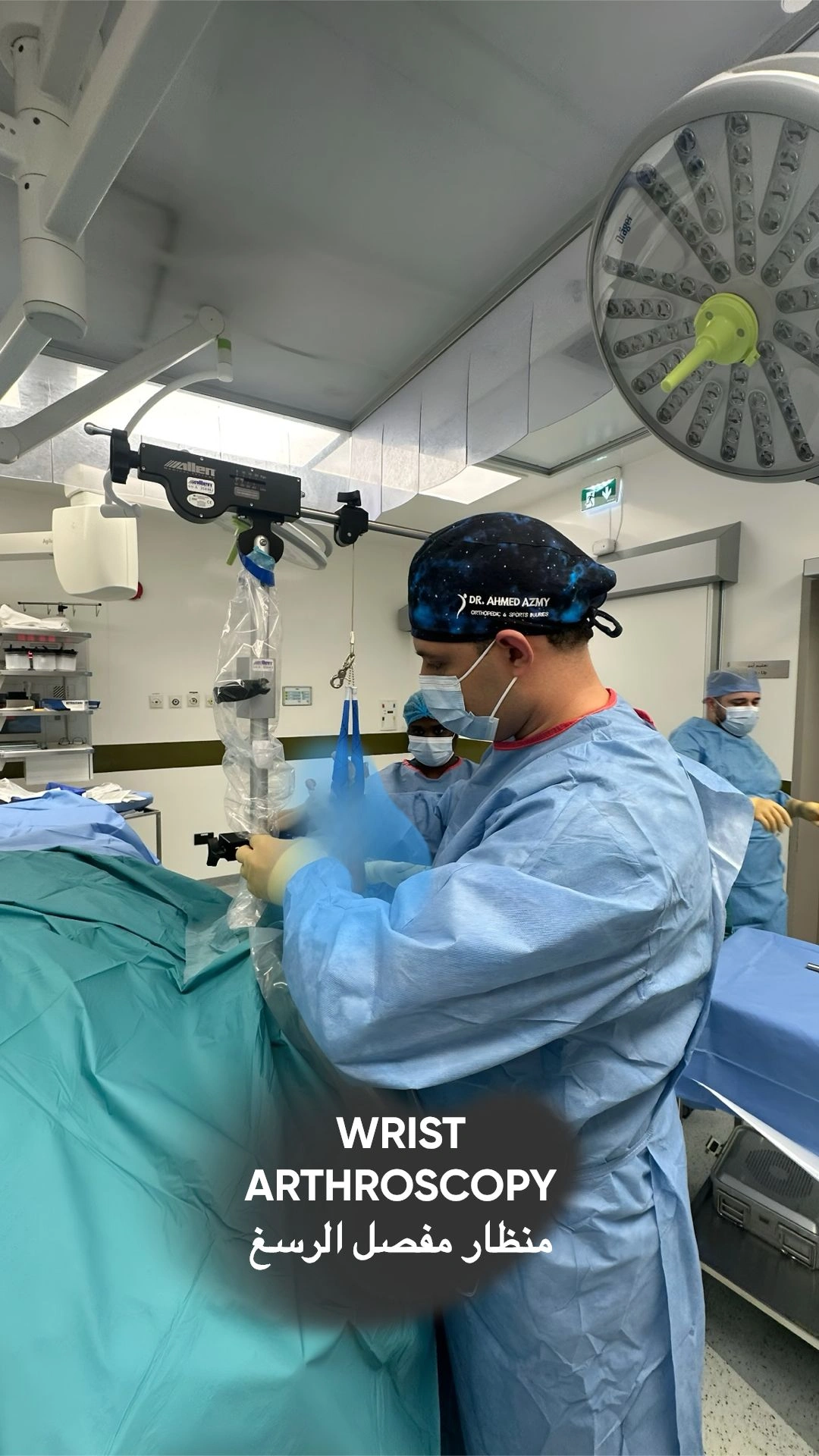
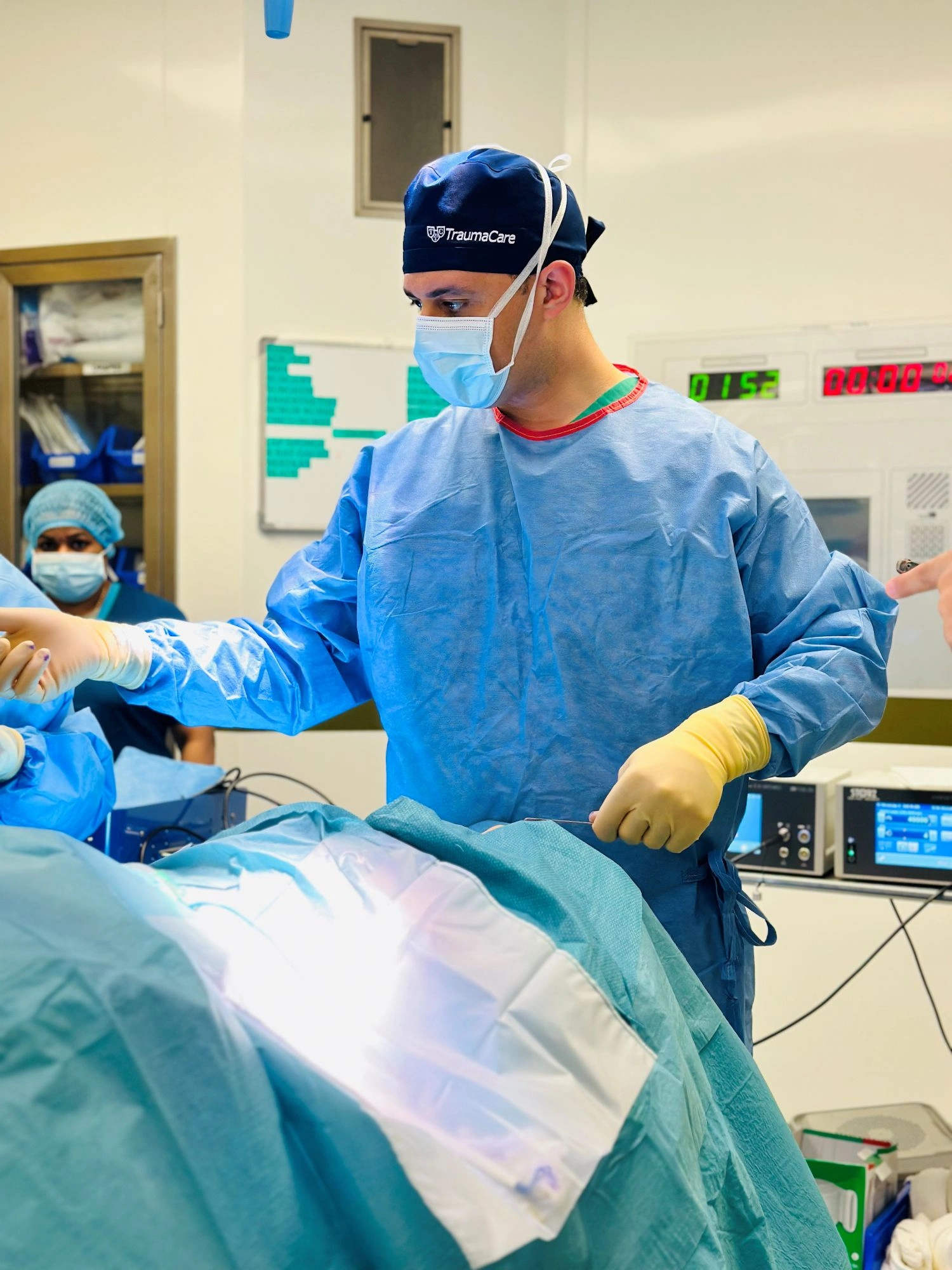
Shoulder arthroscopy in Sharjah is a highly precise, minimally invasive procedure designed to diagnose and treat shoulder joint problems with minimal disruption to surrounding tissues.
How the procedure works
Unlike traditional surgery, this approach uses advanced camera-guided technology to identify the exact cause of pain, assess internal structures clearly, and deliver highly targeted treatment.
Small Access Points
Small entry points are created around the shoulder to access the joint without cutting through large muscles.
Arthroscope Introduction
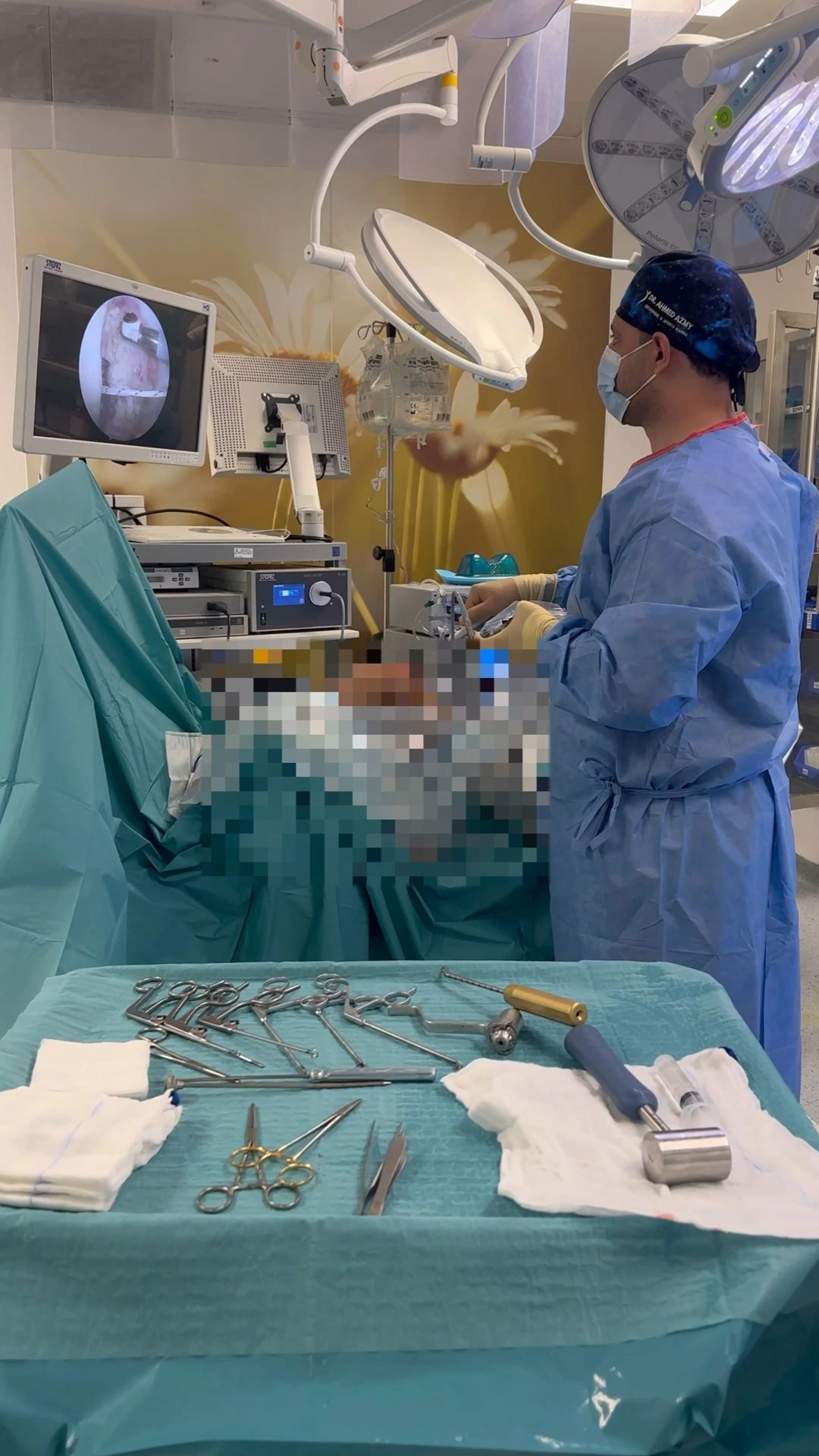
A specialized camera, called an arthroscope, is inserted to provide a clear and magnified view of the shoulder joint.
Precise Internal Assessment
Tendons, cartilage, ligaments, and other structures are carefully examined, allowing subtle damage to be identified accurately.
Targeted Treatment
Fine instruments are used to repair torn tendons, remove inflamed tissue, smooth damaged cartilage, or stabilize the joint.
Preservation of Healthy Tissue
Because the procedure focuses only on the damaged areas, healthy tissues are preserved, which plays a key role in recovery.
Final Check, Closure & Same-Day Recovery Plan
Before completing the surgery, the shoulder is carefully assessed to ensure smooth movement and stability. The small incisions are then closed, a sterile dressing is applied, and in most cases patients return home the same day with a structured recovery plan.
Why Patients Benefit from This Approach
The advantages come from better visualization, minimal disruption to tissues, and a more focused surgical strategy.
Types of Shoulder Arthroscopy Procedures
Each shoulder arthroscopy procedure is carefully selected based on the underlying condition affecting the joint. This personalized approach ensures that treatment directly targets the source of pain, instability, or limited movement while preserving healthy structures.
Rotator Cuff Repair
This procedure is performed to reattach torn rotator cuff tendons back to the bone. It helps restore shoulder strength, improve range of motion, and reduce pain caused by tendon tears. It is commonly recommended for patients with weakness, difficulty lifting the arm, or chronic shoulder pain that does not improve with therapy.
Subacromial Decompression
Used to relieve pressure on the rotator cuff tendons caused by shoulder impingement. The surgeon removes inflamed tissue or small bone spurs to create more space in the joint, allowing smoother movement and reducing pain during overhead activities.
Labral Repair
The labrum is a ring of cartilage that stabilizes the shoulder joint. This procedure repairs torn labral tissue, often caused by injury or dislocation. It improves joint stability, reduces the risk of repeated dislocations, and helps restore normal shoulder function.
Capsular Release
Commonly used in cases of severe stiffness such as frozen shoulder, this procedure involves releasing tight portions of the joint capsule. It helps restore mobility, reduce stiffness, and improve overall shoulder movement when conservative treatment has failed.
Shoulder Stabilization Surgery
This procedure is performed for patients with recurrent shoulder instability or repeated dislocations. It tightens and repairs the structures that keep the joint in place, helping prevent future dislocations and improving long-term joint stability.
Targeted Arthroscopy (Right Shoulder)
A focused approach used when symptoms are isolated to one side, such as the right shoulder. It allows precise diagnosis and treatment of side-specific injuries, ensuring that only the affected area is treated without unnecessary intervention.
Shoulder Arthroscopy Surgery Steps
Shoulder arthroscopy follows a precise and structured surgical sequence to ensure accurate diagnosis, effective treatment, and minimal disruption to surrounding tissues. Each step is carefully performed to restore shoulder function while maintaining joint stability.
Anesthesia Administration
- Local, regional nerve block, or general anesthesia is given based on the procedure.
- Ensures a pain-free and controlled surgical environment.
Portal Placement
- Small surgical entry points, called portals, are created around the shoulder.
- Allows safe insertion of the camera and instruments without damaging muscles.
Arthroscopic Joint Inspection
- The arthroscope is inserted to visualize internal structures.
- Surgeon evaluates cartilage, tendons, labrum, and joint surfaces in detail.
Targeted Surgical Treatment
- Damaged tissues are repaired, trimmed, or stabilized depending on the condition.
- May include rotator cuff repair, labral repair, or decompression.
Stability & Motion Check
- The joint is gently moved to confirm smooth motion and proper repair.
- Ensures optimal alignment and function before closure.
Closure & Post-Procedure Care
- Instruments are removed and incisions are closed with minimal sutures.
- Shoulder is supported with a sling and prepared for recovery.
Benefits of Shoulder Arthroscopy
Shoulder arthroscopy in Sharjah and Ajman offers a modern, minimally invasive solution for treating a wide range of shoulder conditions. Compared to traditional open surgery, this technique focuses on precision, reduced tissue damage, and faster recovery.
Less Tissue Damage
Arthroscopic techniques use small entry points instead of large surgical cuts, preserving surrounding muscles, tendons, and ligaments. This reduces trauma to the joint and helps maintain natural shoulder function during recovery.
Reduced Pain
Smaller incisions and minimal disruption to tissues lead to significantly less post-operative pain. Patients often require less pain medication and experience greater comfort during the early recovery phase.
Faster Recovery
Because the procedure is less invasive, healing is quicker. Many patients can return to daily activities sooner compared to open surgery, especially when following a structured shoulder arthroscopy rehab protocol.
Less disruption. Better visualization. Faster functional return.
Patients benefit from less pain, smaller incisions, and a quicker return to daily activities, making it a preferred option for active individuals and those seeking long-term shoulder function improvement.
High Precision
The use of a high-definition camera allows the surgeon to clearly visualize the joint and perform highly accurate repairs. This precision improves surgical outcomes and reduces the risk of missing underlying issues.
Minimal Scarring
Small incisions result in minimal visible scarring. This not only improves cosmetic outcomes but also supports faster wound healing and reduces the risk of complications.
Outpatient Convenience
Most arthroscopic shoulder surgeries are performed as day procedures, meaning patients can return home the same day. This reduces hospital stay, lowers costs, and allows recovery in a comfortable home environment.
Shoulder Arthroscopy Recovery Time
Recovery after shoulder arthroscopy in Sharjah progresses through clear stages. Following each phase properly helps reduce complications, restore movement, and achieve long-term success.
Immediate Protection
- Shoulder is immobilized in a sling to protect the repair.
- Swelling and mild pain are expected and controlled with medication.
- Focus on rest while maintaining circulation through hand and wrist movement.
Pain Reduction & Early Healing
- Gradual reduction in discomfort and inflammation.
- Gentle assisted movements may begin under supervision.
- Avoid lifting or sudden shoulder activity.
Controlled Mobility
- Passive and assisted exercises improve flexibility.
- Shoulder movement begins to return gradually.
- Key stage to prevent stiffness after surgery.
Strength Initiation
- Light strengthening exercises introduced.
- Focus on rebuilding muscle control and joint stability.
- Daily activities become easier and less painful.
Functional Recovery
- Improved coordination and endurance.
- Return to most routine tasks and light work.
- Continued physiotherapy ensures proper movement patterns.
Full Return to Activity
- Gradual return to sports and demanding activities.
- Shoulder regains strength, flexibility, and stability.
- Long-term results depend on rehab consistency.
Shoulder Arthroscopy Rehabilitation Protocol
A structured shoulder arthroscopy rehab protocol is essential for restoring full function and preventing reinjury. Each phase focuses on specific recovery goals.
Risks & Complications of Shoulder Arthroscopy
Shoulder arthroscopy is considered a safe and minimally invasive procedure with a high success rate. However, like any surgical procedure, there are some potential risks. Understanding these helps patients make informed decisions and follow proper post-operative care to minimize complications.
Post-Surgical Pain & Swelling
- Mild discomfort and swelling are common in the first few days.
- Usually temporary and well-managed with medication and rest.
- Improves gradually as healing progresses.
Infection Rare
- Small risk of infection at the incision sites.
- Prevented with sterile techniques and proper wound care.
- Patients are advised to keep the area clean and follow instructions carefully.
Shoulder Stiffness
- Temporary stiffness may occur if rehabilitation is delayed.
- More common in patients who do not follow physiotherapy protocols.
- Early guided movement helps prevent long-term restriction.
Incomplete Healing or Re-tear
- In cases like rotator cuff repair, the tendon may not fully heal.
- Risk is higher if the shoulder is overused too early.
- Following activity restrictions is critical for proper recovery.
Nerve or Blood Vessel Irritation
- Nearby nerves or vessels may be temporarily affected.
- Symptoms may include numbness or tingling, usually short-term.
- Permanent damage is extremely uncommon.
Reaction to Anesthesia
- Some patients may experience mild side effects such as nausea or dizziness.
- Serious reactions are rare and monitored closely during surgery.
Most Risks Are Temporary
- Many early symptoms improve with medication, rest, and guided rehabilitation.
- Close follow-up helps detect and manage concerns early.
Safety Depends on Protocol
- Proper evaluation, sterile technique, and rehab planning reduce complication risk.
- Patients should follow post-operative instructions carefully.
How Risks Are Minimized
A safer result depends on preparation, precision during surgery, and a structured shoulder arthroscopy rehab protocol after the procedure.
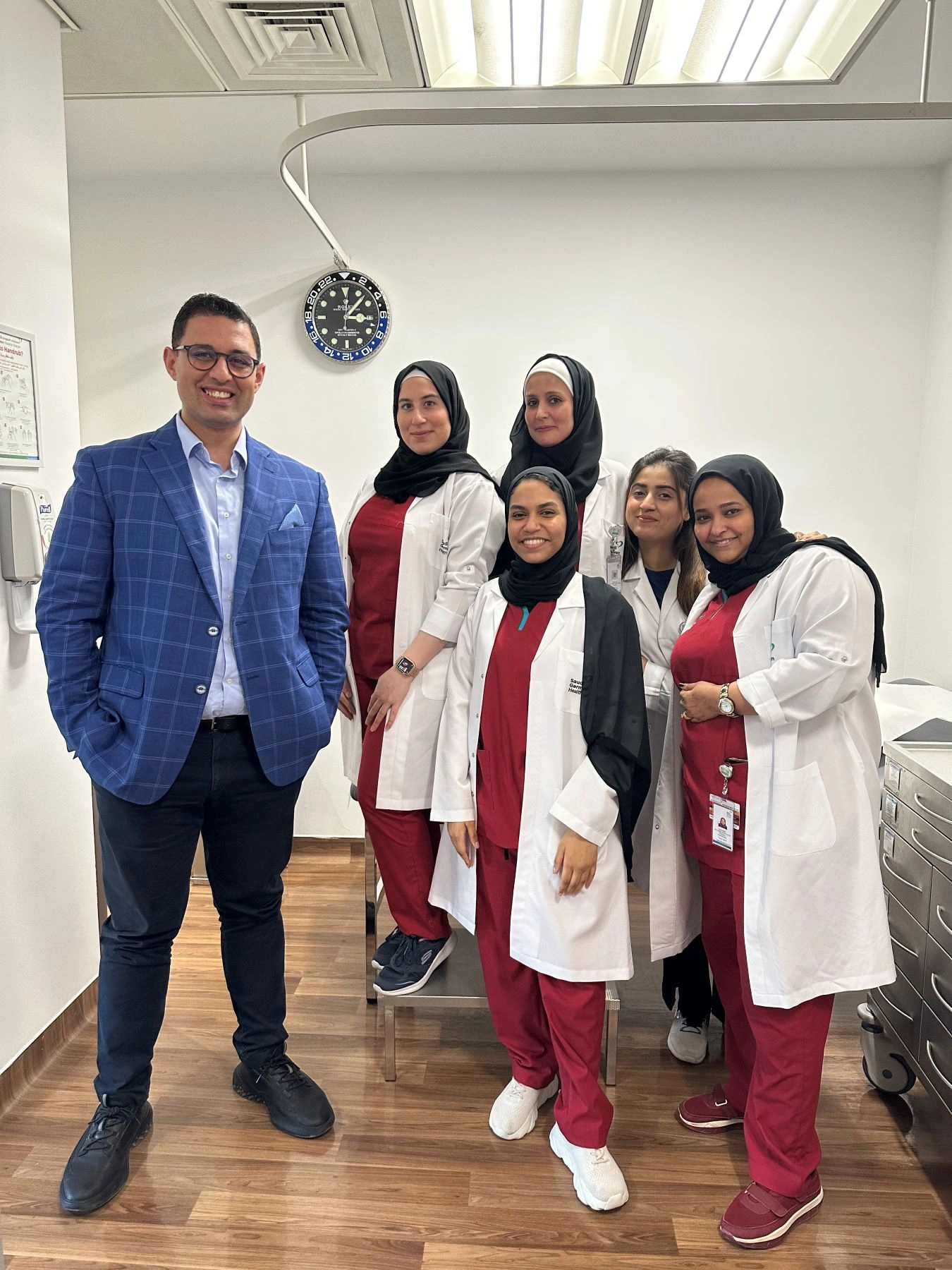
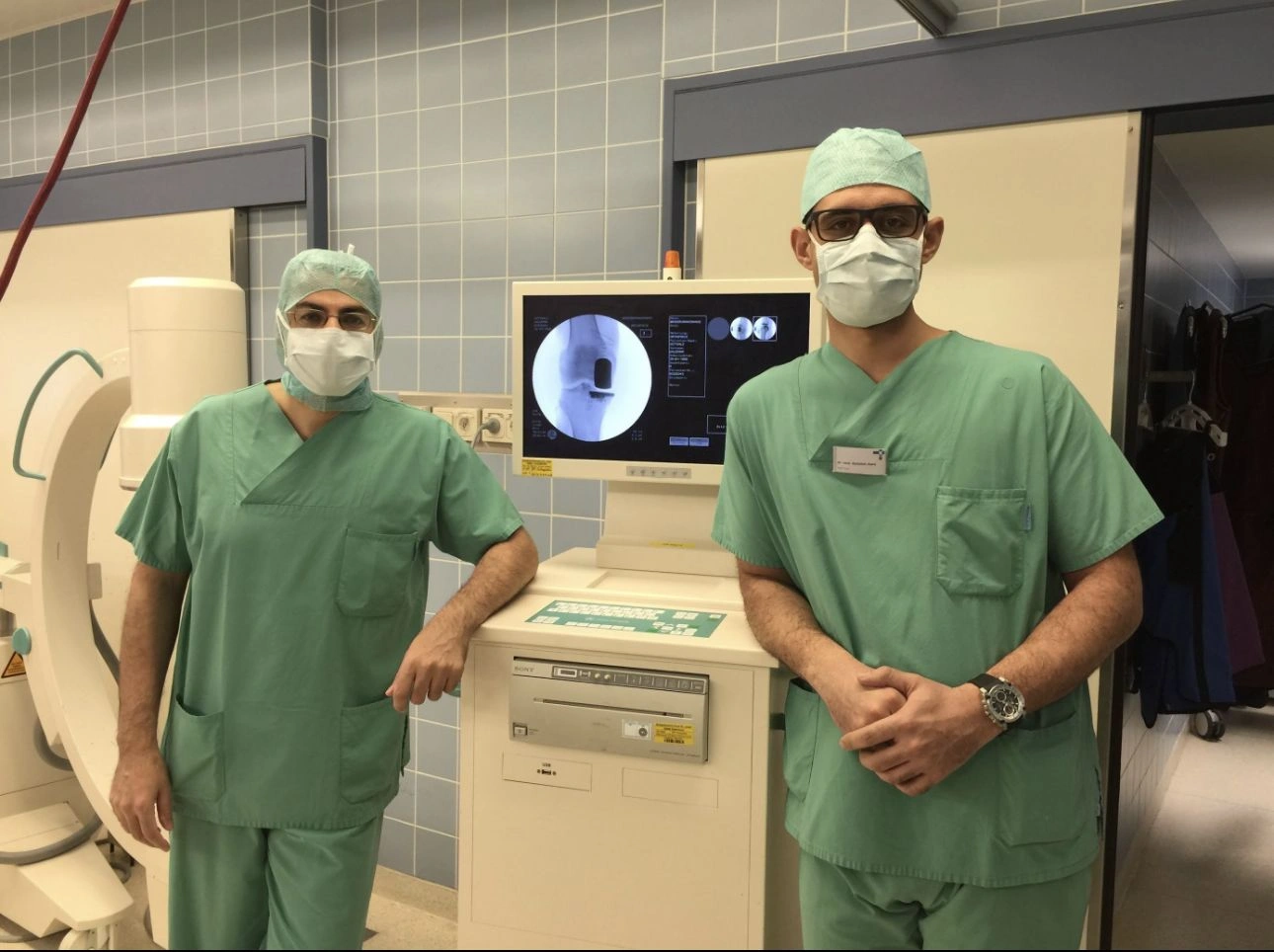
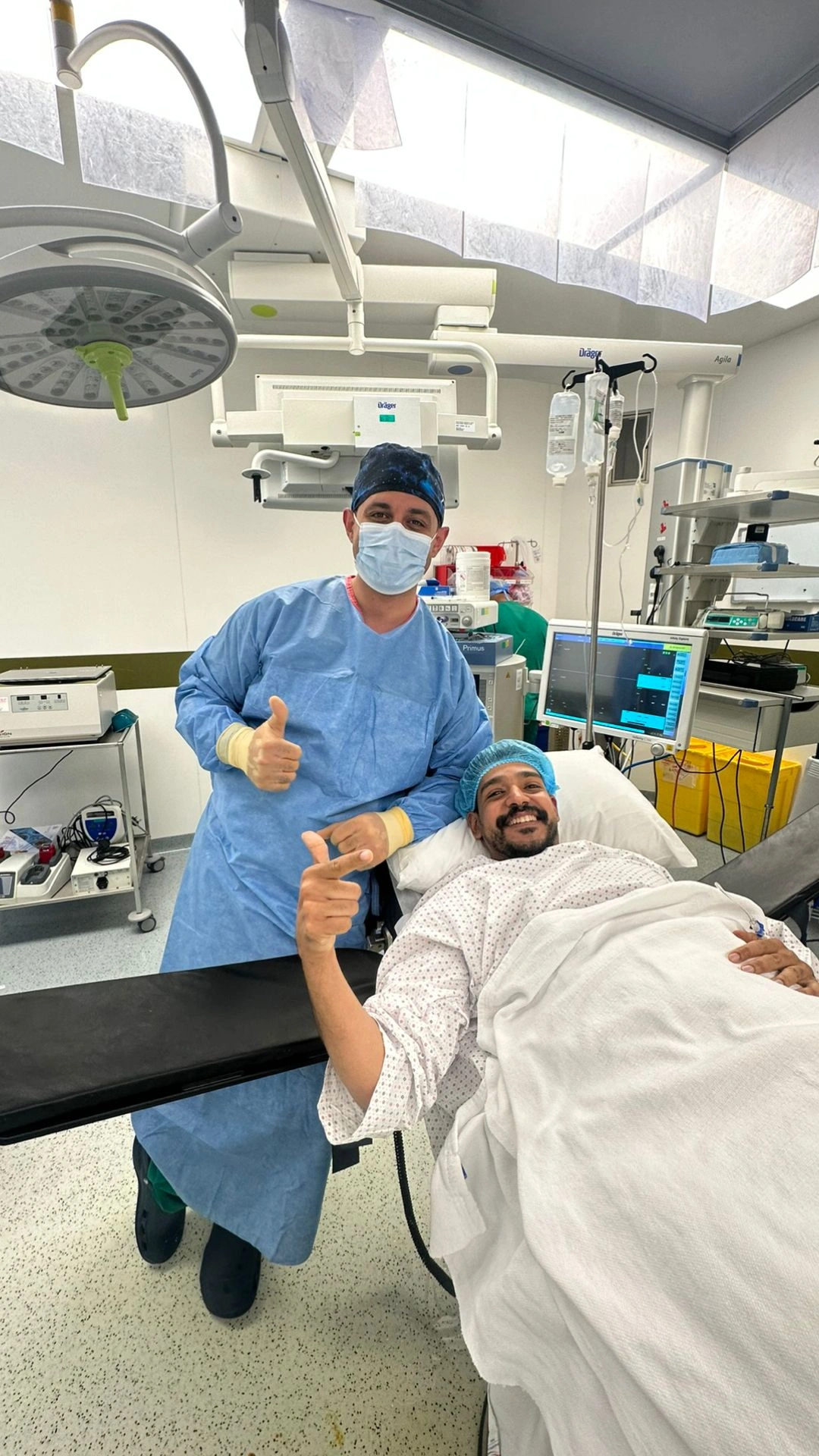
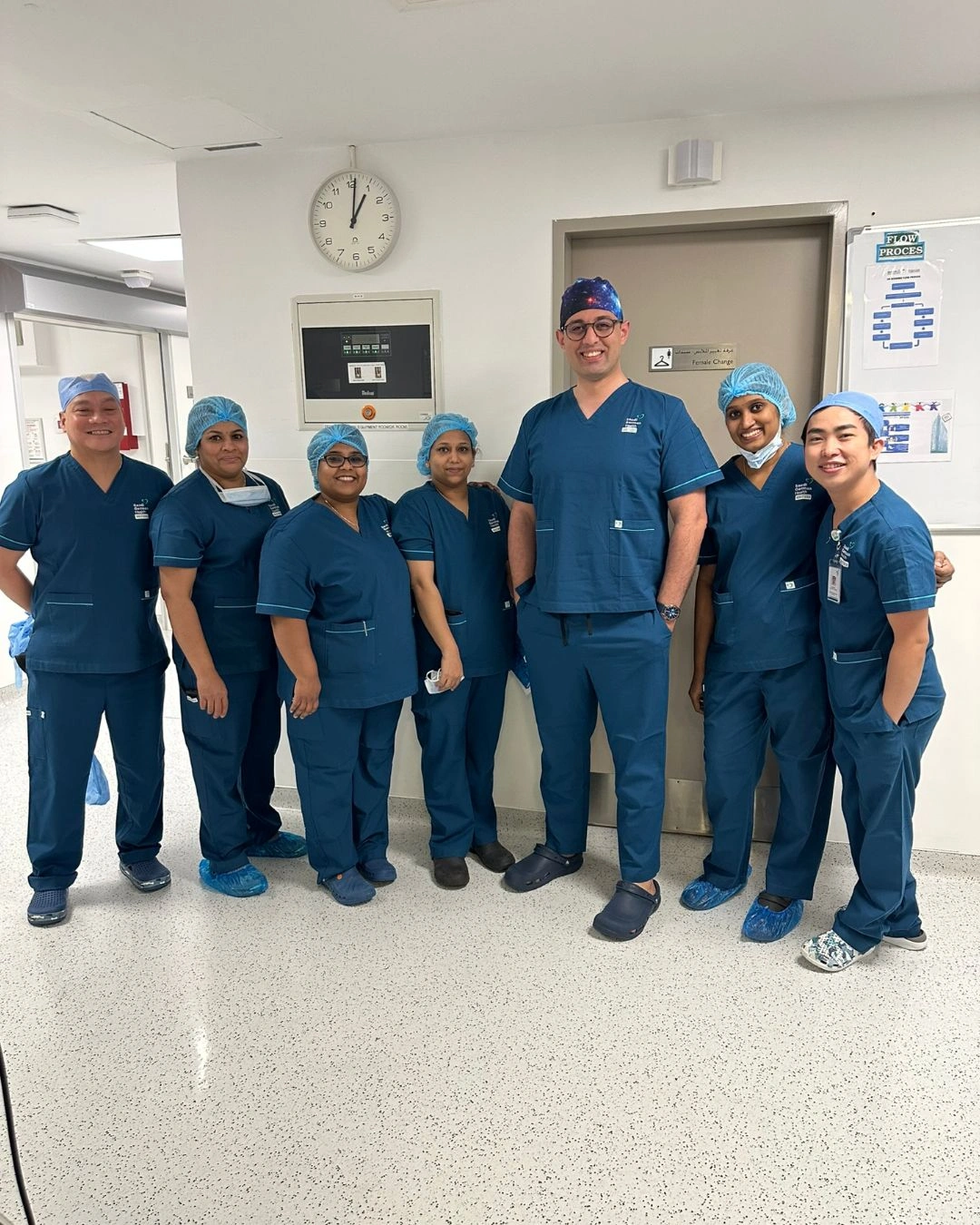
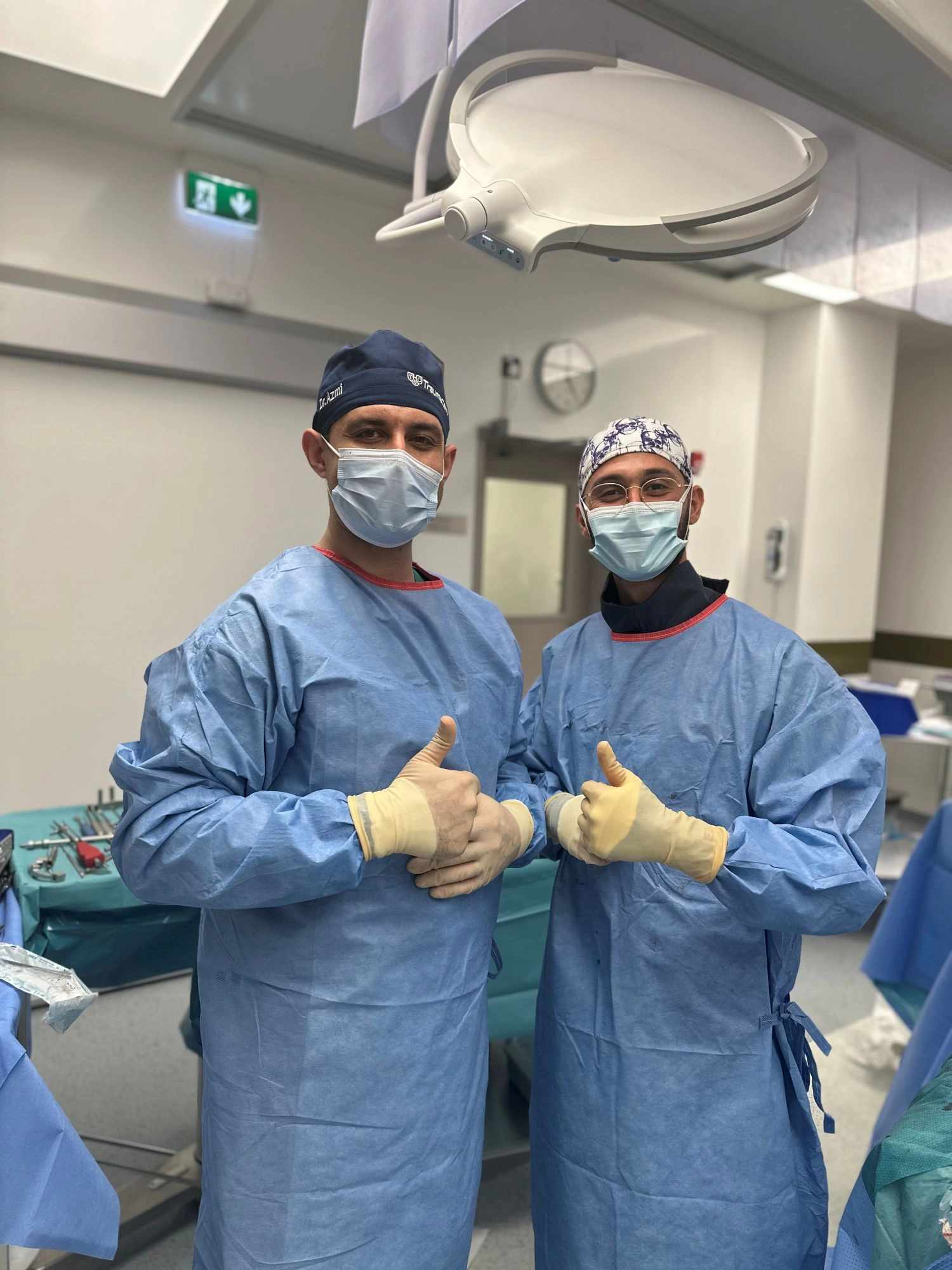
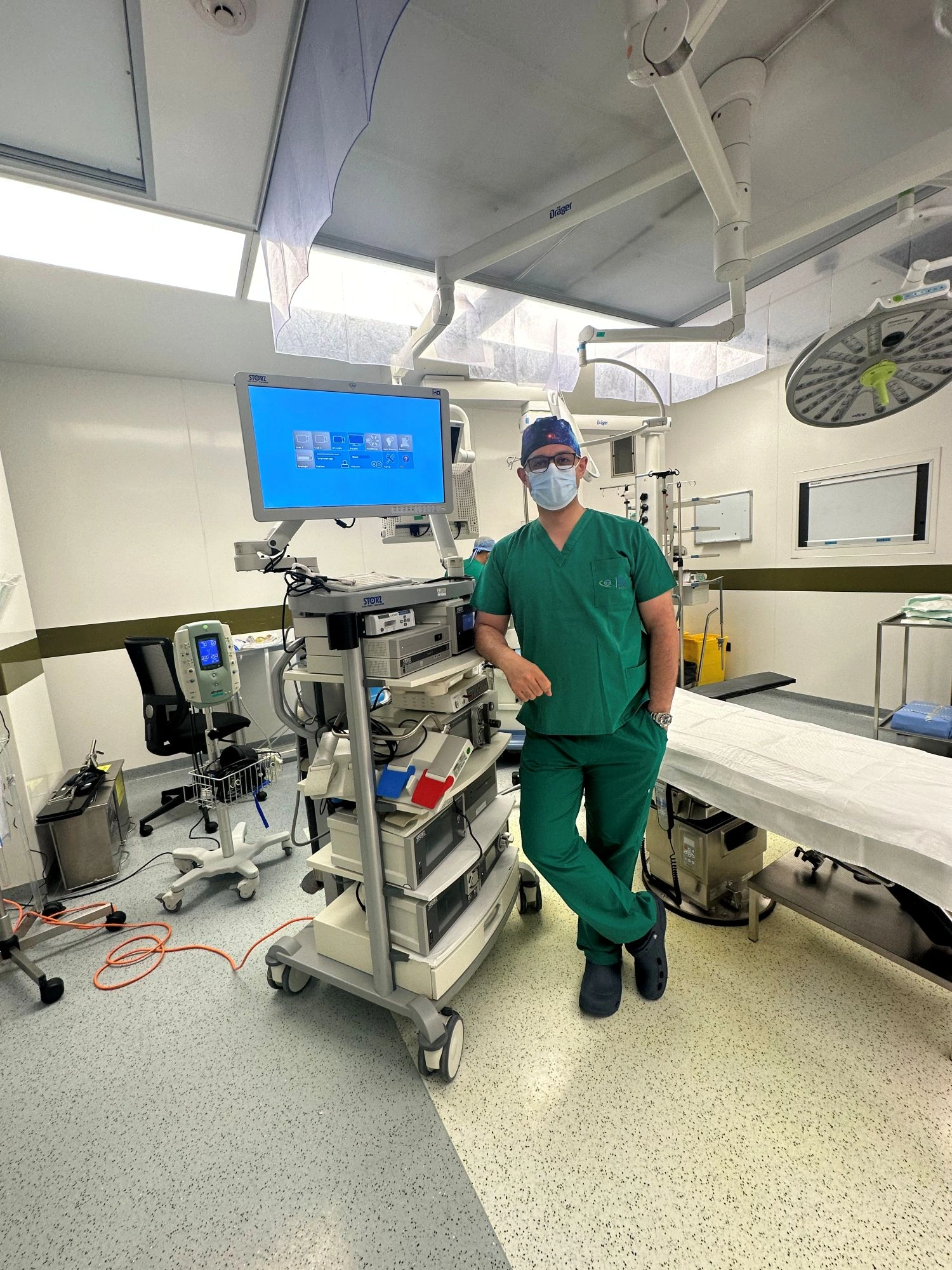
Why Choose Dr. Ahmed Azmy in Sharjah?
Choosing the right specialist is crucial for effective frozen shoulder treatment, especially when stiffness affects daily life and recovery can take months. Dr. Ahmed Azmy offers expert care in Sharjah, combining advanced techniques with a personalized approach to restore shoulder mobility and reduce pain.
Dr. Ahmed Azmy focuses on accurate frozen shoulder diagnosis and stage-based treatment plans tailored to each patient. Whether you are in the early painful phase or dealing with long-standing stiffness, his approach combines physiotherapy, targeted injections, and advanced procedures when needed.
With expertise in shoulder arthroscopy and structured frozen shoulder rehab protocols, patients receive comprehensive care designed to improve mobility, reduce frozen shoulder pain, and shorten overall frozen shoulder recovery time.
- Fellowship-trained in Germany (arthroscopy & joint reconstruction)
- Specialist in minimally invasive shoulder procedures
- Expert in frozen shoulder rehabilitation and pain management
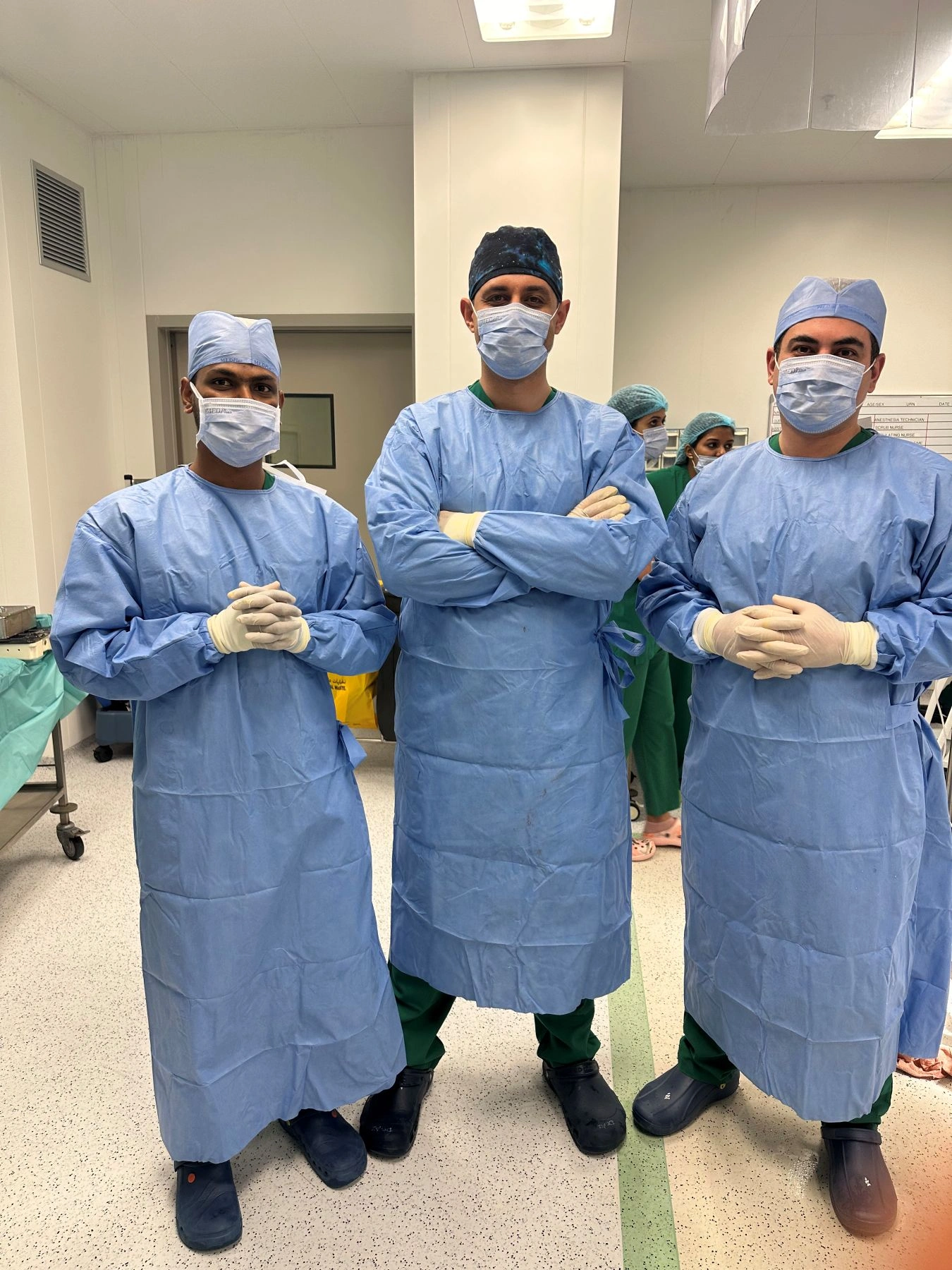
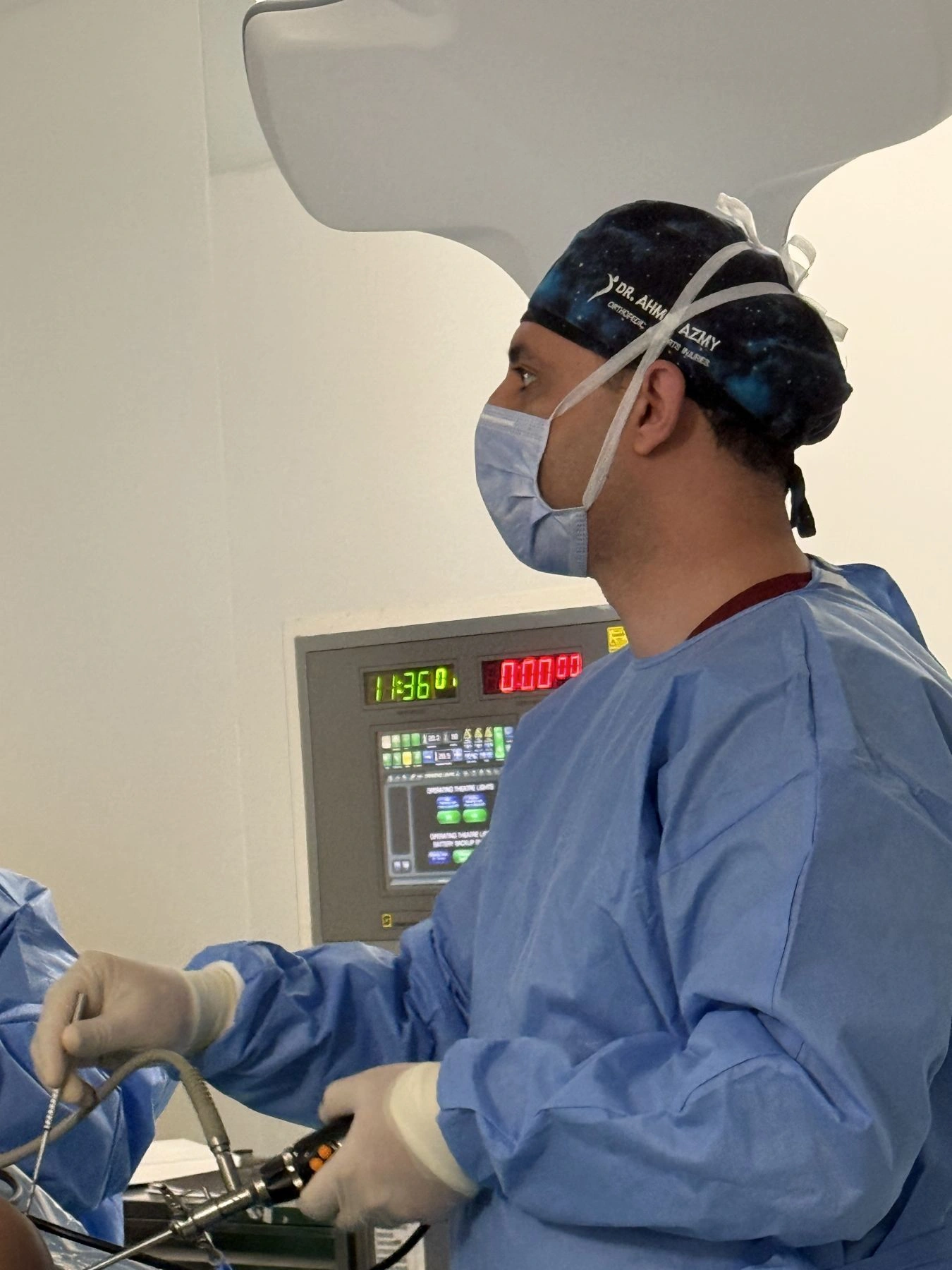
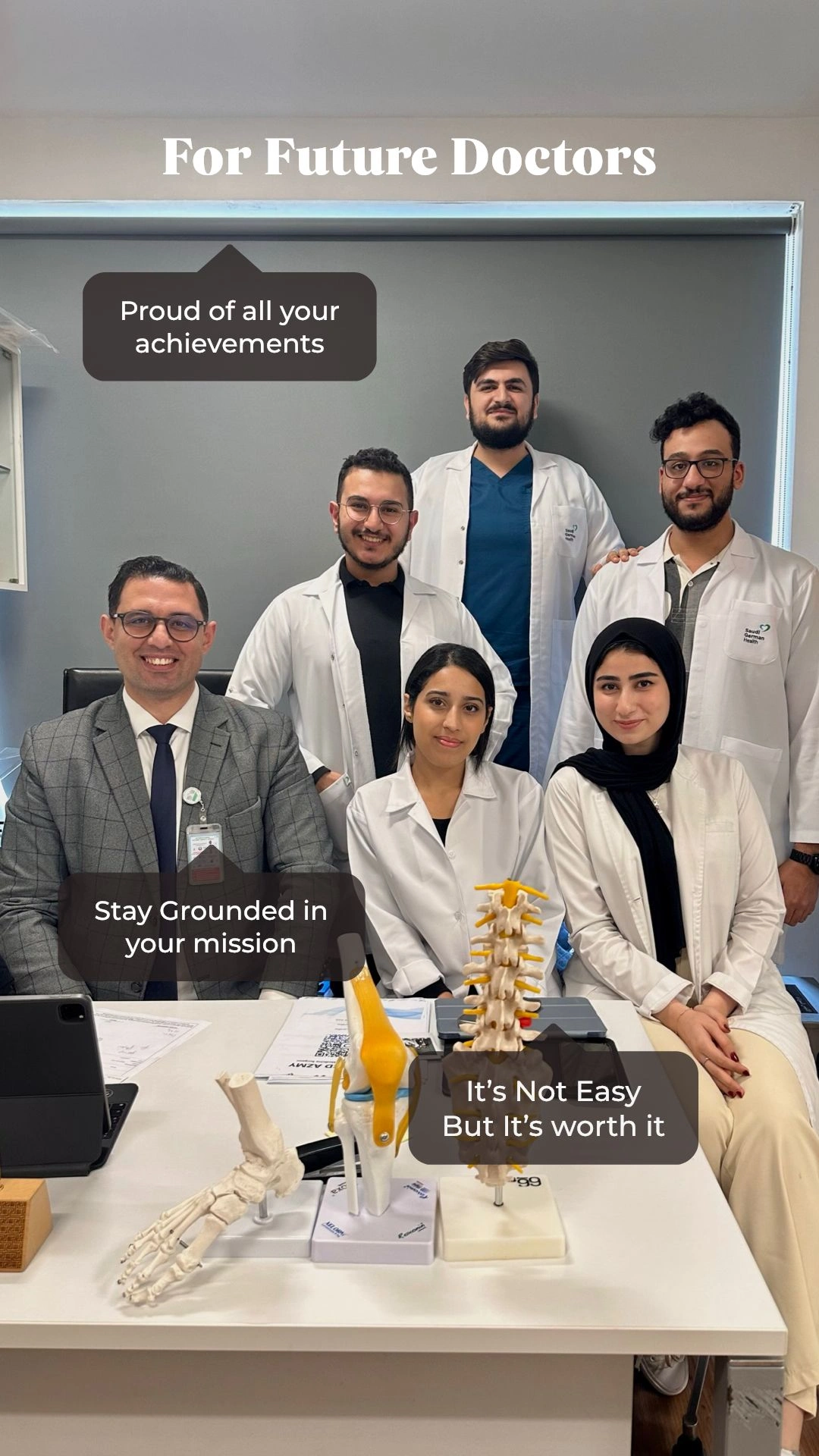
Dr. Ahmed Azmy
Orthopedic & Joint Specialist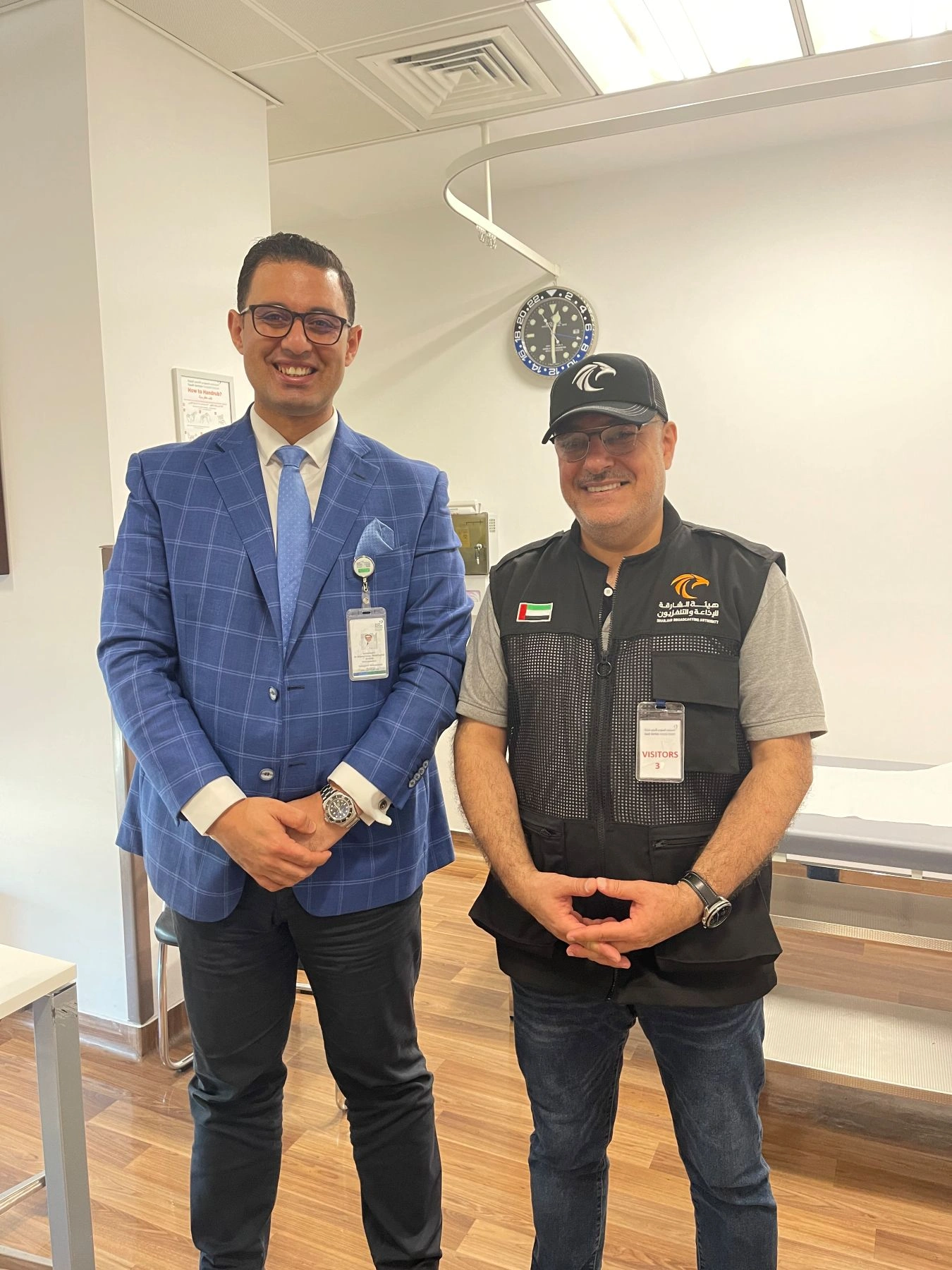

What Our Patients Say About Dr. Azmy
Real recovery stories from patients who underwent successful shoulder dislocation treatments, surgeries, and rehabilitation programs under the care of Dr. Azmy.
Mohammed Al-Otaibi
Anterior Dislocation"Dr. Azmy is incredibly professional. He performed my shoulder reduction instantly after a sports injury, and the recovery plan was flawless."
John Smith
Fracture Dislocation"I had a complex fracture dislocation from a car accident. Dr. Azmy’s surgical expertise saved my arm mobility. I highly recommend his clinic."
Ahmed Mansour
Recurrent Instability"My shoulder used to slip out frequently. After Dr. Azmy’s arthroscopic stabilization, my shoulder feels solid and stable again."
Rania Khan
Shoulder Separation"Excellent clinical approach. Diagnosed my AC joint separation clinically without rushing me into unnecessary surgeries. Very honest doctor."
Youssef Fahmy
Sports Rehabilitation"As an athlete, I thought my career was over after the dislocation. Dr. Azmy’s rehabilitation guide got me back on the field safely."
Sarah Davies
Frozen Shoulder"Exceptional care and deep medical knowledge. The chronic dislocated pain is completely gone thanks to Dr. Azmy’s persistent follow-ups."
Ali Al-Shammari
Posterior Dislocation"My diagnosis was complicated, but Dr. Azmy caught the posterior displacement via radiology instantly. A truly brilliant diagnostic mind."
Elena Miller
Arthroscopy Surgery"Had a successful shoulder arthroscopy with Dr. Azmy. Minimal scarring, almost zero postoperative pain, and excellent recovery tracking."
Hassan Al-Baluoshi
Subluxation Therapy"I suffered from partial dislocations for months. The tailored strengthening exercises provided by Dr. Azmy fixed the joint laxity perfectly."
Mariam Kamal
Emergency Reduction"Brought my son to Dr. Azmy with an acute shoulder dislocation. The doctor was calm, reassuring, and popped it back under precise control."
David Lee
Ligament Tear"Detailed MRI analysis and honest counseling. Dr. Azmy explained my shoulder ligament options transparently. Trustworthy specialist."
Nasser Al-Ahmad
Chronic Instability"After visiting three different orthopedics, Dr. Azmy was the only one who provided a permanent solution for my chronic joint dislocation."
FAQ
How do I know if I need shoulder arthroscopy instead of physiotherapy?
Shoulder arthroscopy is usually considered when non-surgical treatments like physiotherapy, medications, or injections fail to improve symptoms. If you continue to experience pain, weakness, instability, or limited movement despite consistent treatment, it may indicate structural damage inside the joint. Conditions such as tendon tears, labral injuries, or cartilage damage often require surgical intervention. A proper evaluation, including imaging like MRI, helps determine whether shoulder arthroscopy is the most effective solution for restoring function and preventing further joint damage.
Is shoulder arthroscopy a major surgery?
Although it is a surgical procedure, shoulder arthroscopy is not considered major surgery in the traditional sense because it is minimally invasive. It is performed using small incisions and specialized instruments, which significantly reduces trauma to surrounding tissues. Most procedures are done on an outpatient basis, allowing patients to return home the same day. Compared to open surgery, it involves less pain, smaller scars, and faster recovery. However, it still requires proper preparation and a structured rehabilitation plan for optimal results.
How long does the shoulder arthroscopy procedure take?
The duration of a shoulder arthroscopy procedure depends on the complexity of the condition being treated. On average, it can take between 30 minutes to 2 hours. Simple procedures such as removing inflamed tissue may take less time, while more complex repairs like rotator cuff reconstruction or labral repair may take longer. The surgical team ensures that every step is performed carefully to achieve the best outcome. Patients are usually monitored for a short time after surgery before being discharged the same day.
Will I need to stay overnight in the hospital?
In most cases, shoulder arthroscopy in Sharjah is performed as a day procedure, meaning you can go home on the same day. After surgery, you will be observed for a few hours to ensure there are no immediate complications. Once stable, you will be discharged with instructions for home care, medications, and follow-up visits. Overnight stays are rarely required unless the procedure is complex or if the patient has specific medical conditions that require monitoring.
When can I return to work after shoulder arthroscopy?
The time to return to work after shoulder arthroscopy depends on the type of job and the procedure performed. Patients with desk jobs may return within 1–2 weeks, while those with physically demanding roles may need several weeks to months. Recovery also depends on how well the rehabilitation program is followed. Returning too early to heavy activities can delay healing, so it is important to follow your surgeon’s guidance for a safe return to work.
Will I need to wear a sling after the procedure?
Yes, most patients are advised to wear a sling after shoulder arthroscopy to protect the joint and allow proper healing. The duration depends on the type of procedure performed. For minor procedures, the sling may be used for a short period, while more complex repairs may require longer immobilization. The sling helps reduce strain on the shoulder and prevents accidental movements that could affect recovery. Your doctor will guide you on when and how to gradually stop using it.
Can shoulder arthroscopy improve long-term shoulder health?
Yes, shoulder arthroscopy not only treats current problems but also helps improve long-term shoulder function. By repairing damaged tissues and stabilizing the joint, it prevents further deterioration and reduces the risk of chronic pain or repeated injuries. When combined with proper rehabilitation, the procedure can restore strength, flexibility, and stability. This allows patients to return to normal activities and maintain better joint health over time.
What type of anesthesia is used for shoulder arthroscopy?
Shoulder arthroscopy can be performed using different types of anesthesia depending on the procedure and patient needs. Common options include general anesthesia or regional anesthesia (nerve block), which numbs the shoulder area. Regional anesthesia is often preferred as it reduces post-operative pain and allows faster recovery after surgery. The anesthesiologist will choose the safest and most suitable option based on your medical history and the complexity of the procedure.
Are there activity restrictions after shoulder arthroscopy?
Yes, activity restrictions are an important part of recovery after shoulder arthroscopy. Patients are usually advised to avoid lifting, pushing, or overhead movements in the early stages of healing. Gradual return to activity is guided by physiotherapy and medical advice. Ignoring these restrictions can increase the risk of complications or re-injury. Following a structured rehab protocol ensures safe recovery and helps restore full shoulder function over time.
Can shoulder arthroscopy be performed on both shoulders if needed?
Yes, shoulder arthroscopy can be performed on either shoulder, depending on the condition. If both shoulders require treatment, the procedures are usually done separately to allow proper recovery for each side. Treating one shoulder at a time ensures better rehabilitation and reduces the risk of complications. Your surgeon will recommend the best treatment plan based on your condition, lifestyle, and recovery capacity.
Related Conditions & Procedures
Explore related shoulder conditions, surgical procedures, and useful next steps to learn more about treatment options and booking your consultation.