Assess your pain
Sports Injury Care · Sharjah

Overuse Injuries Treatment in Sharjah

Expert diagnosis and treatment for repetitive stress injuries, helping athletes and active individuals recover safely and return to peak performance.

Overuse injuries develop when repetitive stress is placed on muscles, tendons, bones or joints without adequate time for recovery. Unlike sudden traumatic injuries, symptoms usually develop gradually and may worsen as training or repetitive activity continues.
Accurate Diagnosis Identify the affected tissue and injury stage.
Load Management Reduce repetitive stress while preserving fitness.
Movement Correction Address technique, biomechanics and muscle imbalance.
Return to Sport Rebuild performance through controlled progression.
Dr. Ahmed Azmy orthopedic and sports injuries specialist in Sharjah
Orthopedic & Sports Injuries Specialist Dr. Ahmed Azmy Overuse & sports injury care · Sharjah, UAE
Clinical Overview

What Are Overuse Injuries?

Overuse injuries occur when repetitive stress is applied to a specific part of the body faster than the tissues can recover and adapt.

Over time, small amounts of tissue damage can accumulate and lead to pain, inflammation, weakness and reduced function. Tendons, muscles, bones, cartilage and joints may all be affected.

Athlete with knee pain caused by repetitive stress
Repetitive Stress Small repeated loads
can become injury

Symptoms often begin during activity, then return more quickly and can eventually interfere with training and daily movement.

Imaging review for an overuse injury
01 Imaging Review
Clinical rehabilitation assessment for sports overuse injury
02 Movement Assessment
+
Clinical Perspective

An overuse injury is more than temporary soreness

Specialists assess tissue involvement, training load, symptom progression, biomechanics and recovery capacity before deciding how activity and rehabilitation should be progressed.

01 Training Load

Has intensity, duration or frequency increased too quickly?

02 Recovery Capacity

Are tissues getting enough time to repair and adapt?

03 Biomechanics

Are movement patterns repeatedly overloading one structure?

Common Overuse Injury Patterns

From early irritation to chronic tissue damage

Repetitive stress may affect different tissues and present at different levels of severity. Early recognition can help prevent progression.

01

Mild Overuse Injury

Early tendinitis and mild muscle strain with symptoms mainly during or after activity.

02

Moderate Overuse Injury

Runner's knee, tennis elbow and shin splints with recurring activity-related symptoms.

03

Advanced Overuse Injury

Stress fractures and chronic tendon degeneration with longer-lasting limitations.

04

Sports-Related Overuse

Repetitive sports loading may affect the knee, shoulder, elbow, lower leg or other regions.

05

Activity-Linked Symptoms

Pain may initially settle with rest, then begin earlier and persist longer as loading continues.

06

Progressive Functional Loss

Persistent symptoms can reduce strength, endurance, movement quality and athletic performance.

!
Why early assessment matters

Without appropriate treatment, overuse injuries may progress and lead to chronic symptoms, prolonged recovery and reduced athletic performance.

Injury Patterns

Types of Overuse Injuries

Overuse injuries can affect tendons, muscles, bones and joints. Identifying the specific condition is important because treatment recommendations and recovery timelines may vary.

Scroll or drag to explore
Tendinitis overuse injury
01
Tendon

Tendinitis

Inflammation and irritation of a tendon caused by repetitive stress and excessive loading.
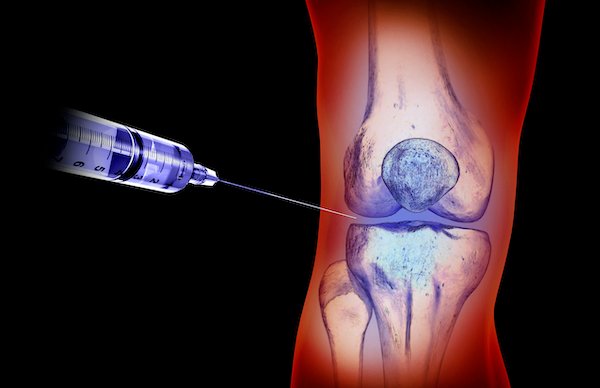
Stress fracture from repetitive impact
02
Bone

Stress Fractures

Small cracks in a bone that develop from repetitive impact and insufficient recovery.

Runner's knee overuse injury
03
Knee

Runner's Knee

One of the most common forms of knee overuse injury, causing pain around the kneecap during activity.

Running-related shin splints
04
Lower Leg

Shin Splints

Pain along the shin bone caused by repetitive running, jumping or impact activities.

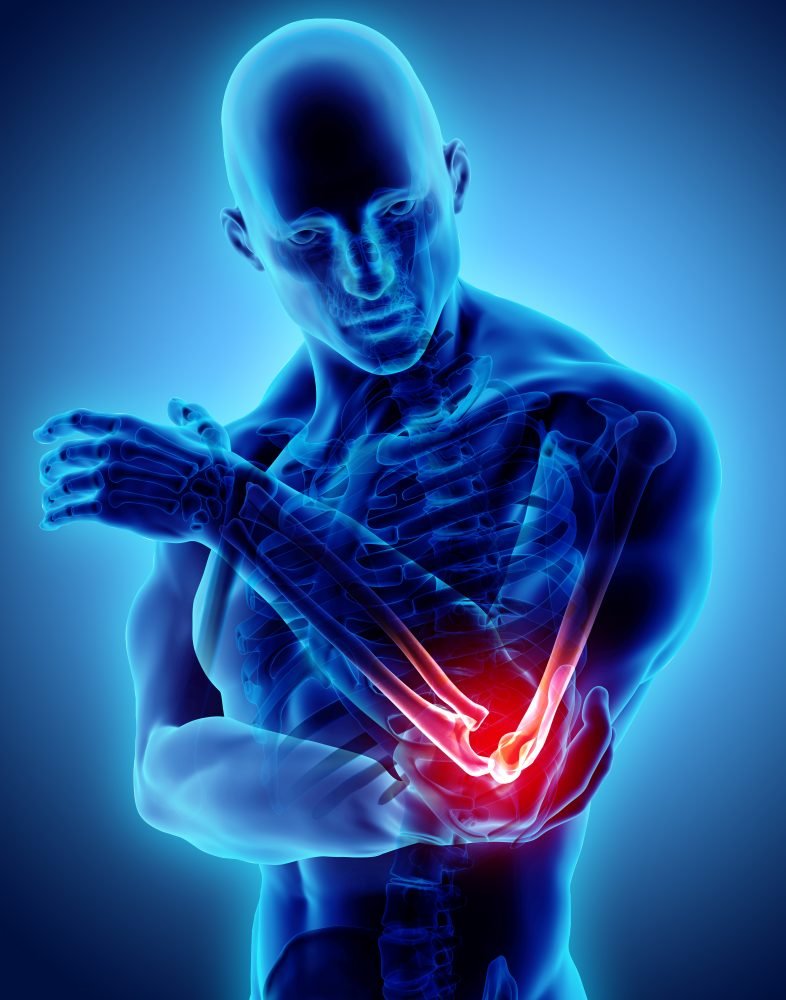
Tennis elbow caused by repetitive arm movement
05
Elbow

Tennis Elbow

Overuse injury affecting the tendons on the outside of the elbow due to repetitive arm movements.
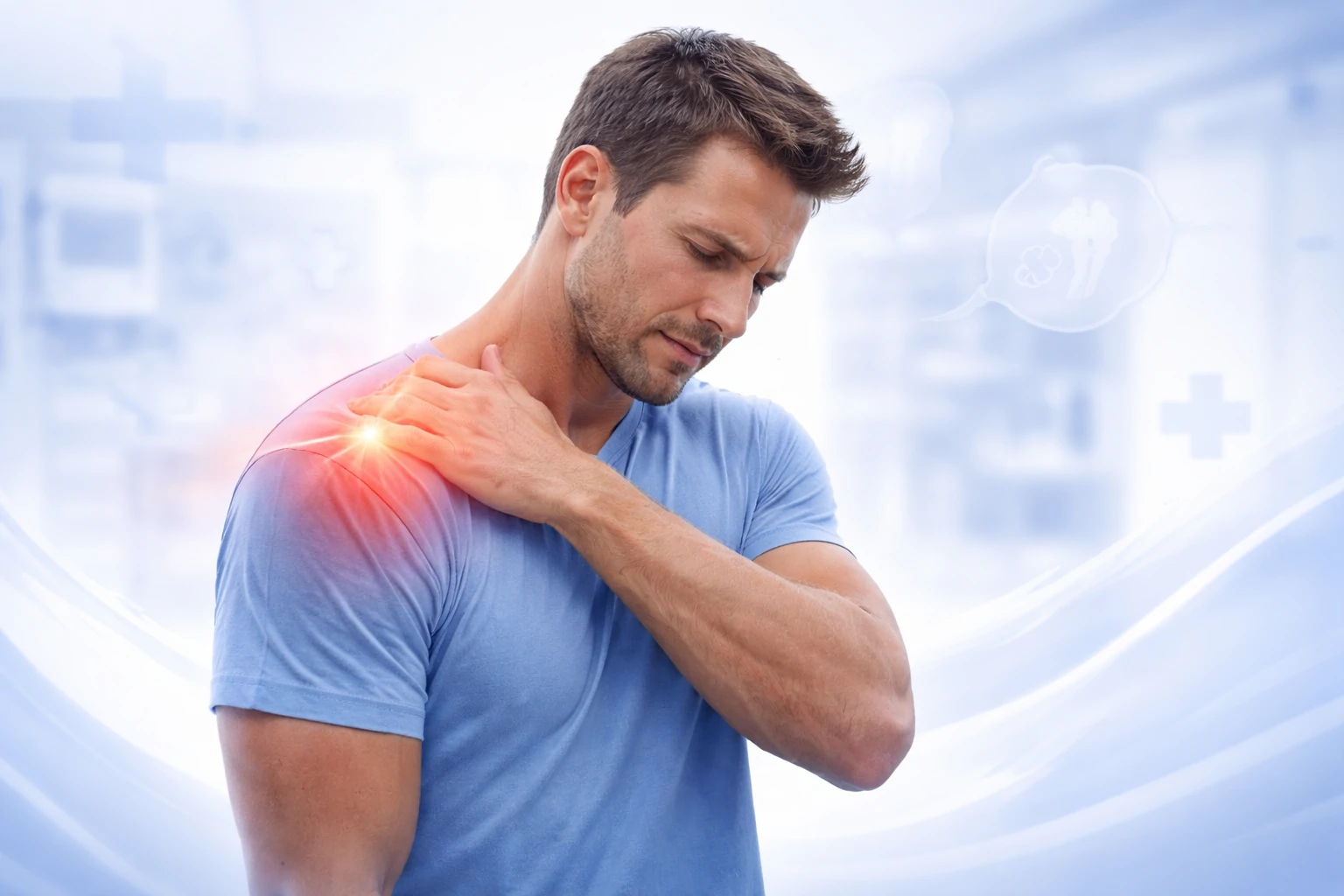
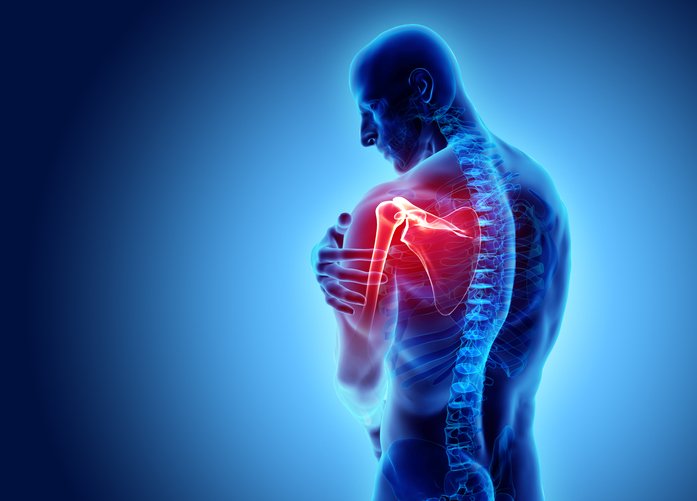
Rotator cuff overuse injury
06
Shoulder

Rotator Cuff Overuse

Repetitive shoulder activity causing pain, weakness and reduced shoulder function.

Iliotibial band syndrome in runners
07
Running

Iliotibial Band Syndrome

Repetitive friction of the IT band causing pain on the outside of the knee.

01
Soft Tissue

Tendon & Muscle Overuse

  • Tendinitis
  • Tennis elbow
  • Rotator cuff overuse injury
  • Chronic tendon degeneration
02
Running & Impact

Lower Limb Overuse

  • Runner's knee
  • Shin splints
  • Iliotibial band syndrome
  • Stress-related bone pain
03
Bone Stress

Stress Injuries

  • Stress reaction
  • Stress fracture
  • Repetitive impact loading
  • Insufficient recovery
Recognise the Signs

Overuse Injuries Symptoms

Overuse injuries often develop gradually, making early symptoms easy to overlook. Unlike acute injuries that occur suddenly, symptoms typically worsen over time as repetitive stress continues to affect the body's tissues.
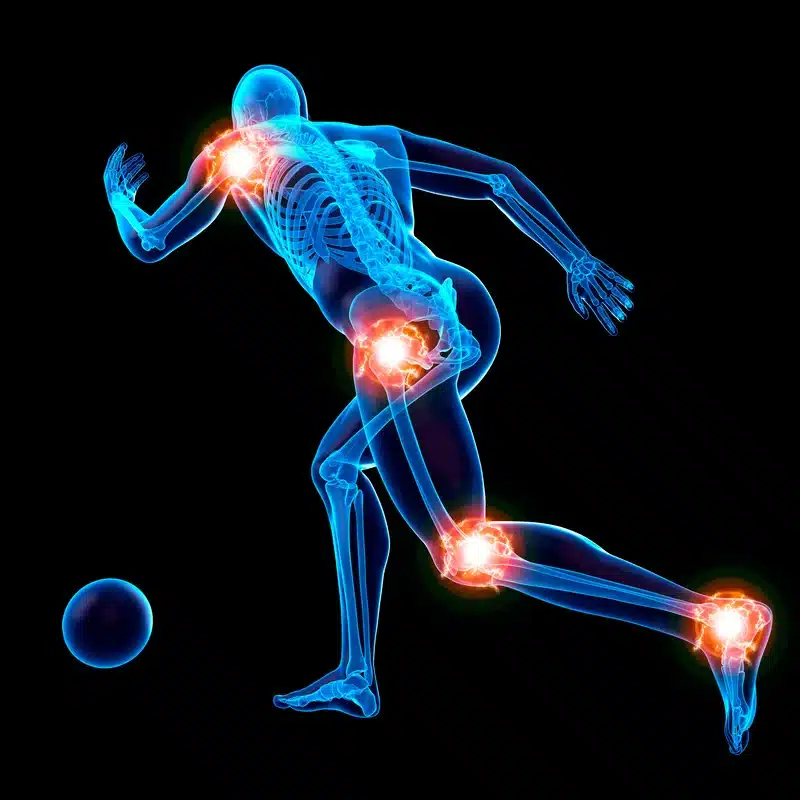
Pain During Activity · Recurring Symptoms · Stiffness · Swelling · Performance Change
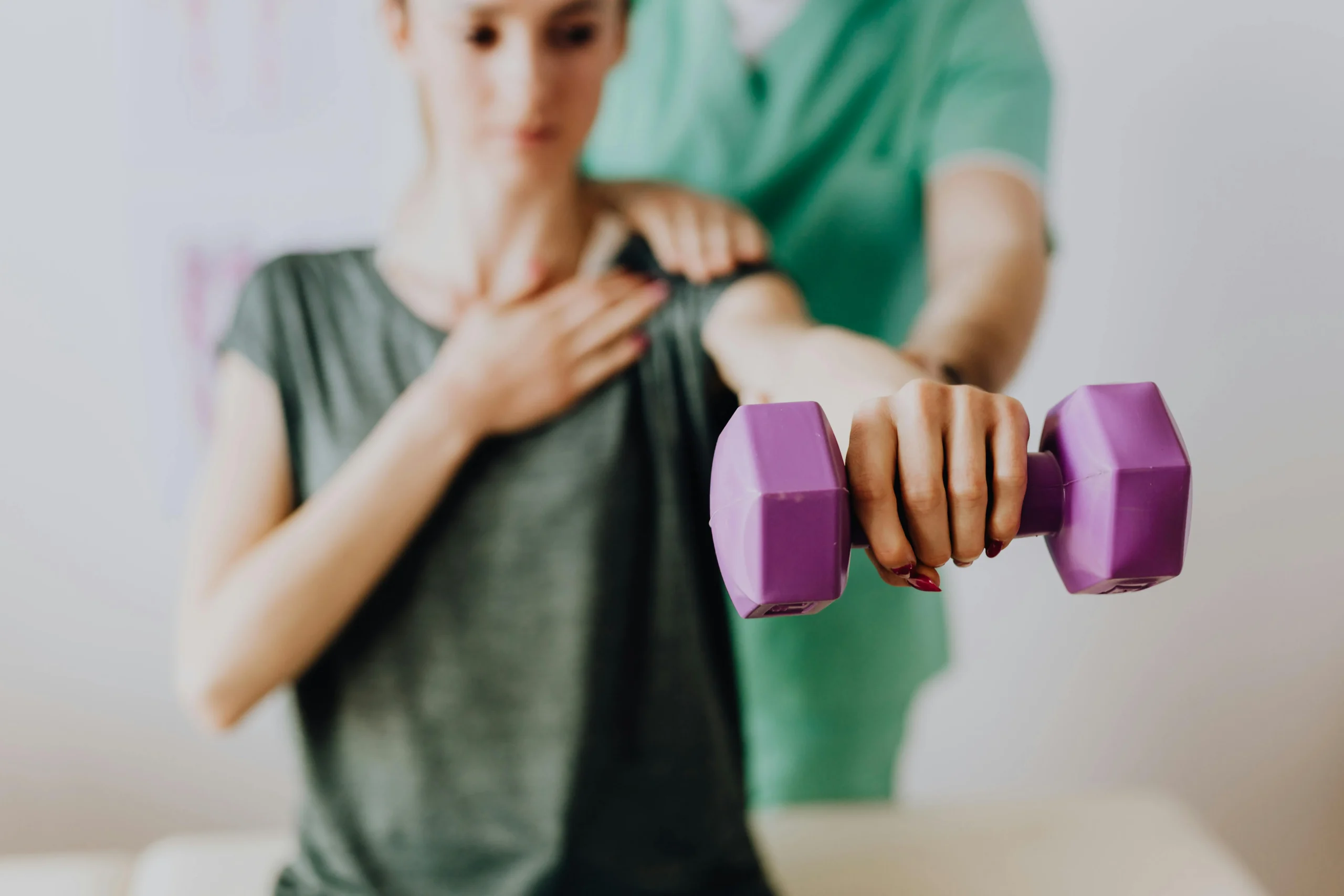
Athlete receiving rehabilitation for an overuse injury
01 Primary Symptom Cluster
Most Common Early Pattern

Activity-Related
Pain

Pain often develops during training or sports participation, improves with rest, and returns when activity resumes.

Clinical Signal Symptoms become more noticeable as training volume increases
Quick Symptom Scan Common early warning signs
01 Pain during training
02 Improves with rest
03 Returns after workouts
04 Progressive stiffness
05 Localised tenderness
06 Reduced training tolerance
02
Recurring Pattern

Symptoms That Return After Activity

Pain repeatedly returns after workouts or competitions.

  • Pain repeatedly returns after workouts or competitions
  • Temporary improvement followed by recurring symptoms
  • Recovery periods become progressively longer
03
Mobility Response

Progressive Stiffness

Tightness and reduced flexibility become more noticeable around activity.

  • Tightness around the affected area after exercise
  • Reduced flexibility during movement
  • Difficulty loosening up before activity
04
Local Tissue Response

Localised Swelling & Tenderness

Repetitive loading may lead to mild swelling, tenderness and recurrent irritation.

  • Mild swelling around the affected tissue
  • Tenderness when pressure is applied
  • Recurrent irritation following repetitive activity
05
Training Capacity

Declining Training Tolerance

Normal training becomes harder to maintain as symptoms progress.

  • Difficulty maintaining normal training intensity
  • Reduced endurance during exercise
  • Increased discomfort during activities that were previously comfortable
Training tolerance is progressively declining
Why It Develops

Common Causes of Overuse Injuries

Overuse injuries occur when the body's tissues are repeatedly stressed without sufficient time to recover and adapt. Multiple factors may contribute to the development of these conditions.

01

Repetitive Movements

Performing the same movement repeatedly places ongoing stress on muscles, tendons, bones, and joints.

02

Training Errors

Sudden increases in training intensity, duration, or frequency can overload tissues before they adapt.

03

Inadequate Recovery

Insufficient rest between workouts prevents proper tissue healing and increases injury risk.

04

Poor Technique

Incorrect movement patterns can place excessive stress on specific joints and soft tissues.

05

Muscle Imbalances

Weakness or tightness in certain muscle groups may alter biomechanics and increase tissue strain.

06

Improper Equipment

Inappropriate footwear, sports equipment, or training surfaces can contribute to repetitive stress injuries.

FootballCyclingBasketballGymnasticsCombat SportsSkiing

Many overuse injuries in sports result from a combination of training load, recovery habits, biomechanics, and movement technique.

Clinical Progression

Stages of Overuse Injuries

Overuse injuries typically develop gradually rather than occurring suddenly. Understanding the progression of symptoms can help athletes seek treatment before the condition becomes more severe.

01
Stage 1

Early Overuse Injury

  • Mild discomfort during or after activity.
  • Performance is usually unaffected.
  • Symptoms often improve with short periods of rest.
  • Minimal tissue damage is present.
  • Early intervention often leads to rapid recovery.
02
Stage 2

Progressive Overuse Injury

  • Symptoms become more frequent and noticeable during training.
  • Athletic performance begins to decline.
  • Recovery between training sessions becomes slower.
  • Repetitive stress leads to ongoing tissue irritation.
  • Structured rehabilitation is usually required.
03
Stage 3

Chronic Overuse Injury

  • Persistent pain may occur during both activity and rest.
  • Significant limitations affect sports and daily activities.
  • Symptoms persist despite temporary rest.
  • Chronic tissue degeneration and prolonged inflammation may develop.
  • Recovery may take several months and require advanced treatment.
Precision Before Treatment

Overuse Injuries Diagnosis

Accurate diagnosis is essential for identifying the affected tissues, determining the severity of the condition, and developing an effective treatment plan. Because overuse injuries often develop gradually, early assessment can help prevent progression and reduce recovery time.

Clinical assessment for overuse injuries
Clinical Assessment
X-ray imaging used to assess stress-related bone changes
X-Ray
MRI and advanced imaging for soft-tissue and stress injuries
MRI / Advanced Imaging
01

Medical History Assessment

  • Training routines and activity levels
  • Recent increases in exercise intensity
  • Symptom duration and progression
  • Previous sports injuries

Why it matters: Identifies potential causes of repetitive stress · Helps determine contributing training factors · Guides the diagnostic process.

02

Physical Examination

  • Pain location
  • Swelling and tenderness
  • Muscle strength
  • Joint mobility

Why it matters: Identifies affected tissues · Assesses severity of symptoms · Helps differentiate between various overuse injuries.

03

Range of Motion Testing

  • Joint flexibility
  • Movement restrictions
  • Functional mobility

Why it matters: Detects stiffness and movement limitations · Identifies functional deficits · Helps monitor recovery progress.

04

Functional & Orthopaedic Testing

  • Movement patterns
  • Muscle balance
  • Sport-specific activities

Why it matters: Identifies biomechanical problems · Detects movement-related stress factors · Helps guide rehabilitation planning.

05

X-Ray Imaging

  • Bone structure
  • Joint alignment
  • Stress-related bone changes

Why it matters: Rules out fractures and structural abnormalities · Assesses chronic stress-related bone conditions · Provides additional diagnostic information.

06

MRI & Advanced Imaging

  • Tendons
  • Cartilage
  • Muscles
  • Ligaments
  • Stress injuries

Why it matters: Identifies tissue damage not visible on X-rays · Detects early stress injuries · Helps determine the most appropriate treatment strategy.

Clinical AssessmentHistory, pain location, strength, mobility and movement patterns.
X-RayBone structure, joint alignment and stress-related bone changes.
MRI / Advanced ImagingTendons, cartilage, muscles, ligaments and early stress injuries.
When to Seek Help

When Should You See a Doctor?

Many athletes continue training despite early symptoms, assuming the problem will resolve on its own. However, untreated overuse injuries may worsen over time and become more difficult to treat.

Persistent Pain · Performance Decline · Swelling · Functional Limitation
Immediate Clinical Assessment

Persistent symptoms should not be ignored.

You should seek medical attention if you experience:

01 Persistent Pain Pain lasting or recurring
02 Performance Speed, strength or endurance decline
03 Inflammation Swelling or tenderness returns
04 Function Daily or sports activity becomes limited
01
Persistent Symptoms

Persistent Pain

Pain lasting more than a few days.Symptoms that worsen with continued exercise.Pain that interferes with sleep.Recurring symptoms after returning to activity.Symptoms that no longer improve with rest.Sudden worsening of a long-standing condition.
02
Performance Change

Performance Decline

Reduced speed, strength, or endurance.Decreased athletic performanceIncreased fatigue during routine workouts.Difficulty maintaining training volume.Inability to perform sport-specific movements comfortably.Progressive loss of strength or coordination
03
Inflammatory Signs

Swelling & Inflammation

Swelling that repeatedly returns after activityPersistent tenderness around joints or tendons.Ongoing inflammation despite rest.Symptoms affecting multiple training sessions.Increasing discomfort after exercise.Swelling accompanied by increasing pain.
04
Functional Impact

Functional Limitation

Difficulty performing normal training sessions.Difficulty performing daily activities.Reduced mobility and flexibility.Difficulty climbing stairs, walking, or lifting.Functional limitations affecting work or sports.Significant impact on quality of life.
Reduce Repetitive Stress · Restore Capacity

Overuse Injuries Treatment Options

Effective overuse injuries treatment focuses on reducing repetitive stress, correcting contributing factors, promoting tissue recovery, and preventing recurrence. Successful treatment not only addresses symptoms but also identifies why the injury developed in the first place.

Physiotherapy and rehabilitation for an overuse injury
01
Conservative Reduce load, restore movement quality and rebuild tissue capacity
First-line treatment for most cases

Most overuse injuries improve successfully with non-surgical treatment when addressed early.

Training Load Management Adjust training volume and intensity to allow tissues adequate time to recover while maintaining fitness.
Physiotherapy & Rehabilitation A structured rehabilitation programme helps restore movement quality, improve strength and endurance, reduce pain, and address underlying dysfunction.
Biomechanical Correction Movement assessments help identify technique errors, muscle imbalances, and abnormal loading patterns that may contribute to recurring injuries.
Recovery Optimisation Improving sleep quality, recovery strategies, and training schedules can significantly reduce stress on affected tissues and support healing.
Return-to-Sport Planning Athletes follow a gradual progression programme designed to restore performance while minimising the risk of recurrence.
Selected persistent or chronic cases

Advanced treatment may be considered when symptoms persist despite comprehensive rehabilitation or when chronic tissue damage limits recovery.

PRP Therapy Platelet-Rich Plasma (PRP) therapy may support tissue healing in selected chronic overuse injuries and repetitive stress conditions.
Sports Arthroscopy Minimally invasive procedures may be recommended when structural abnormalities contribute to ongoing symptoms.
Injection Therapy Targeted injection treatments may be used as part of a comprehensive treatment plan for persistent pain and inflammation.
Functional Recovery

Recovery Timeline & Functional Phases

Recovery from overuse injuries depends on the affected tissue, the severity of the condition, how long symptoms have been present, and how closely rehabilitation recommendations are followed. Early intervention often leads to faster recovery, while chronic conditions may require a more extended rehabilitation period.

2–6 Weeks

Early Overuse Injury

Phase 1: Symptom Control & Tissue Protection — reduce stress, manage pain, control inflammation, and prevent further tissue irritation.

6–12 Weeks

Moderate Overuse Injury

Phase 2: Tissue Recovery & Mobility Restoration — improve flexibility, movement quality, and tissue healing through structured rehabilitation.

2–4 Months

Progressive Overuse Injury

Phase 3: Strength & Functional Recovery — restore strength, endurance, coordination, and correct movement deficiencies.

3–6 Months

Chronic Overuse Injury

Advanced Recovery Phase — target long-standing tissue dysfunction, persistent symptoms, and performance limitations.

Variable

Return to Competitive Sports

Phase 4: Return to Sport & Performance — progressive return to training, sport-specific activities, and performance optimisation while reducing recurrence risk.

Phase 1

Symptom Control & Tissue Protection

  • Reduce repetitive stress
  • Manage pain and inflammation
  • Protect irritated tissues
Phase 2

Tissue Recovery & Mobility

  • Restore flexibility
  • Improve movement quality
  • Progress structured rehabilitation
Phase 3

Strength & Functional Recovery

  • Restore strength and endurance
  • Improve coordination
  • Correct movement deficiencies
Phase 4

Return to Sport & Performance

  • Progress sport-specific activity
  • Rebuild training tolerance
  • Reduce recurrence risk
Condition Factors
  • Severity of tissue damage
  • Duration of symptoms before treatment
  • Age and overall health
Training & Recovery Factors
  • Training volume and activity level
  • Rehabilitation compliance
  • Recovery habits and sleep quality
Movement & History Factors
  • Biomechanical factors
  • Previous injury history
Clinical Distinction

Overuse Injuries vs. Acute Sports Injuries

Athletes often confuse overuse injuries with acute sports injuries because both can affect performance and cause pain. However, they develop differently and often require different treatment strategies.

Cause · Onset · Symptoms · Tissue Response · Recovery Focus
Gradual Development Overuse Injury

Repetitive stress accumulates over time

Overuse injuries develop progressively as repeated loading creates micro-damage faster than the tissue can recover.

Recovery Focus Load management & rehabilitation
VS Different Mechanisms
Sudden Event Acute Sports Injury

Trauma causes immediate tissue damage

Acute sports injuries occur suddenly after trauma or an accident and may produce immediate pain, swelling or loss of function.

Recovery Focus Injury-specific treatment & recovery
01

Repetitive stress over time

Cause
01

Sudden trauma or accident

02

Gradual development

Onset
02

Immediate occurrence

03

Progressive pain and discomfort

Symptoms
03

Sudden pain, swelling, or loss of function

04

Runner's Knee, Shin Splints, Tennis Elbow

Common Examples
04

ACL Tear, Shoulder Dislocation, Fractures

05

Repetitive micro-damage

Tissue Response
05

Acute structural damage

06

Load management and rehabilitation

Recovery Focus
06

Injury-specific treatment and recovery

07

Training modification and recovery optimisation

Prevention
07

Injury prevention techniques and protective measures

Which Is More Common in Athletes?

Overuse injuries often develop silently over weeks or months.

Overuse injuries in sports are extremely common because repetitive training, competition schedules, and inadequate recovery can place continuous stress on muscles, tendons, bones, and joints. Early recognition of symptoms is one of the most effective ways to prevent long-term sports-related injuries.

01 Recognise early symptoms
02 Modify training load
03 Protect long-term performance
Why Early Treatment Matters

Complications if Overuse Injuries Are Left Untreated

Without proper diagnosis and treatment, overuse injuries may progress and begin to affect athletic performance, daily activities, and long-term musculoskeletal health.

01

Chronic Pain

  • Persistent discomfort during activity.
  • Symptoms continue despite rest.
  • Reduced quality of life.
02

Reduced Sports Performance

  • Declining strength and endurance.
  • Difficulty maintaining training intensity.
  • Reduced competitive performance.
03

Tendon Degeneration

  • Progressive weakening of tendons.
  • Increased susceptibility to tearing.
  • Long-term tissue dysfunction.
04

Stress Fractures

  • Repetitive loading may cause small bone fractures.
  • Increased pain during activity.
  • Extended recovery requirements.
05

Joint Dysfunction

  • Reduced mobility and flexibility.
  • Altered movement patterns.
  • Increased stress on surrounding structures.
06

Long-Term Activity Limitations

  • Difficulty participating in sports.
  • Reduced physical activity levels.
  • Ongoing functional restrictions.
Patient Success Stories

What Our Patients Say About Dr. Ahmed Azmy

Real experiences from patients who underwent ACL reconstruction and advanced knee treatments in Sharjah, restoring their lifestyle, mobility, and confidence.

★★★★★

"Dr. Ahmed Azmy is the best ACL surgeon in Sharjah. I returned to football just 7 months after my arthroscopic reconstruction surgery. Incredible care!"

- Tareq Al-Shamsi
★★★★★

"Highly professional doctor. He diagnosed my partial ACL tear accurately using MRI and saved me from an unnecessary operation with great physiotherapy."

- Sarah Michael
★★★★★

"After my sports injury, my knee was giving way completely. Dr. Azmy performed an excellent repair. Stability is now 100% perfect."

- Firas El-Din
★★★★★

"Excellent experience at the clinic in Sharjah. The care protocol before and after my ACL reconstruction surgery was structured and highly reassuring."

- Amna Al-Mansoori
★★★★★

"Dr. Ahmed is very patient and knowledgeable. He explained my graft options clearly and built a personalized rehab plan for my athletic goals."

- John Fletcher
★★★★★

"I traveled from Ajman to see Dr. Azmy for my chronic knee instability. His advanced minimally invasive approach made my recovery time very fast."

- Khalid Omar
★★★★★

"The gold standard of knee care in the UAE. His team is extremely professional and the post-operative follow-up is exceptionally detailed."

- Mustafa Reda
★★★★★

"Incredible results with PRP therapy combined with focused neuromuscular training. My knee swelling disappeared entirely in a few weeks."

- Elena Rostova
★★★★★

"Dr. Ahmed Azmy is the best ACL surgeon in Sharjah. I returned to football just 7 months after my arthroscopic reconstruction surgery. Incredible care!"

- Tareq Al-Shamsi
★★★★★

"Highly professional doctor. He diagnosed my partial ACL tear accurately using MRI and saved me from an unnecessary operation with great physiotherapy."

- Sarah Michael
★★★★★

"After my sports injury, my knee was giving way completely. Dr. Azmy performed an excellent repair. Stability is now 100% perfect."

- Firas El-Din
★★★★★

"Excellent experience at the clinic in Sharjah. The care protocol before and after my ACL reconstruction surgery was structured and highly reassuring."

- Amna Al-Mansoori
★★★★★

"Dr. Ahmed is very patient and knowledgeable. He explained my graft options clearly and built a personalized rehab plan for my athletic goals."

- John Fletcher
★★★★★

"I traveled from Ajman to see Dr. Azmy for my chronic knee instability. His advanced minimally invasive approach made my recovery time very fast."

- Khalid Omar
★★★★★

"The gold standard of knee care in the UAE. His team is extremely professional and the post-operative follow-up is exceptionally detailed."

- Mustafa Reda
★★★★★

"Incredible results with PRP therapy combined with focused neuromuscular training. My knee swelling disappeared entirely in a few weeks."

- Elena Rostova
★★★★★

"Outstanding orthopedic surgeon. My complete ACL tear plus meniscus damage was treated with high precision via arthroscopy. Highly recommended!"

- Saeed Al-Hajri
★★★★★

"Dr. Azmy gave me my life back. The intense pain when walking and knee catching sensations are completely gone after his treatment protocol."

- Maria Santos
★★★★★

"Brilliant experience. Functional testing and strict rehabilitation milestones guided by Dr. Ahmed helped me return to basketball safely."

- Youssef Karim
★★★★★

"A master of knee preservation. His conservative management plan for my acute strain was highly effective. No pain, full motion restored."

- Fatima Al-Ali
★★★★★

"If you want accurate diagnosis and a clear recovery roadmap for knee instability, Dr. Ahmed Azmy is absolutely the right choice."

- Arthur Pendelton
★★★★★

"The arthroscopic surgery was seamless. Minimal pain post-op, and my range of motion is improving faster than expected in physical therapy."

- Naser Hamad
★★★★★

"Very trustworthy specialist. He won't recommend surgery unless it is strictly necessary. His ethical approach is highly appreciated."

- Dr. Robert Cole
★★★★★

"Dr. Ahmed's expertise in treating high-impact sports injuries gave me the confidence to push through my ACL recovery phases safely."

- Ziad El-Mallah
★★★★★

"Outstanding orthopedic surgeon. My complete ACL tear plus meniscus damage was treated with high precision via arthroscopy. Highly recommended!"

- Saeed Al-Hajri
★★★★★

"Dr. Azmy gave me my life back. The intense pain when walking and knee catching sensations are completely gone after his treatment protocol."

- Maria Santos
★★★★★

"Brilliant experience. Functional testing and strict rehabilitation milestones guided by Dr. Ahmed helped me return to basketball safely."

- Youssef Karim
★★★★★

"A master of knee preservation. His conservative management plan for my acute strain was highly effective. No pain, full motion restored."

- Fatima Al-Ali
★★★★★

"If you want accurate diagnosis and a clear recovery roadmap for knee instability, Dr. Ahmed Azmy is absolutely the right choice."

- Arthur Pendelton
★★★★★

"The arthroscopic surgery was seamless. Minimal pain post-op, and my range of motion is improving faster than expected in physical therapy."

- Naser Hamad
★★★★★

"Very trustworthy specialist. He won't recommend surgery unless it is strictly necessary. His ethical approach is highly appreciated."

- Dr. Robert Cole
★★★★★

"Dr. Ahmed's expertise in treating high-impact sports injuries gave me the confidence to push through my ACL recovery phases safely."

- Ziad El-Mallah

FAQ

You should see an overuse injury specialist in Sharjah if pain, stiffness, swelling, or reduced performance continues despite rest and activity modification. Overuse injuries often begin gradually and may initially seem minor, but persistent symptoms can indicate ongoing tissue damage. Early assessment helps identify the cause of the problem and allows treatment to begin before the condition progresses. Seeking professional evaluation is particularly important if symptoms interfere with sports participation, work, or daily activities.

Overuse injuries develop gradually because they result from repetitive stress that accumulates over time rather than a single traumatic event. Small amounts of tissue damage occur during training and physical activity, but when recovery is insufficient, the body cannot fully repair itself between sessions. As this cycle continues, symptoms slowly become more noticeable. Many athletes initially ignore mild discomfort because performance is not immediately affected. However, continued stress can eventually lead to pain, reduced function, and longer recovery periods if the underlying issue is not addressed.

Athletes, runners, gym enthusiasts, and individuals who perform repetitive physical tasks are at the highest risk of developing overuse injuries. Risk increases when activity levels rise too quickly, recovery is inadequate, or movement mechanics place excessive stress on specific tissues. Young athletes participating in year-round sports and adults returning to exercise after long periods of inactivity may also be more vulnerable. Understanding personal risk factors helps individuals make training adjustments before symptoms become significant.

Yes, some sports have a higher risk of overuse injuries because they involve repetitive movements performed thousands of times during training and competition. Running is commonly associated with shin splints and runner’s knee, while tennis may contribute to tennis elbow and shoulder overuse problems. Swimming, cycling, football, basketball, and weightlifting can also create repetitive stress on joints, muscles, and tendons. The specific injury often depends on movement patterns, training intensity, and recovery habits.

Poor recovery is one of the most important contributors to overuse injuries. During recovery, the body repairs tissues and adapts to training demands. When athletes train too frequently, sleep poorly, or fail to allow adequate rest between sessions, tissues may not recover completely before being stressed again. Over time, this increases the likelihood of pain, inflammation, and tissue breakdown. Recovery strategies such as proper sleep, nutrition, hydration, and scheduled rest days play an important role in injury prevention.

The earliest warning signs often include mild pain during activity, stiffness after exercise, localised tenderness, and symptoms that repeatedly return after training sessions. Some athletes notice a gradual decline in performance or feel that a particular movement has become uncomfortable. Because these symptoms are often mild, they are frequently ignored until they become more severe. Recognising and addressing early warning signs can help prevent a minor issue from developing into a chronic injury.

Yes, overuse injuries are increasingly common in young athletes, particularly those who participate in intensive training programmes or specialise in a single sport at an early age. Growing bones, muscles, and joints may be more vulnerable to repetitive stress, especially when training volume exceeds recovery capacity. Early recognition of symptoms, appropriate training schedules, and balanced athletic development are important for reducing injury risk and supporting long-term performance.

Recurring overuse injuries often occur when the underlying cause has not been fully addressed. While symptoms may temporarily improve, factors such as poor movement mechanics, muscle imbalances, training errors, inadequate recovery, or premature return to sport can continue placing stress on the affected tissues. Effective treatment focuses not only on symptom relief but also on correcting the factors responsible for the injury. Addressing these root causes helps reduce recurrence and supports long-term recovery.

Absolutely. Although sports overuse injuries are common, repetitive stress injuries can also affect individuals who perform repetitive movements at work or during daily activities. Occupations involving lifting, typing, prolonged standing, repetitive arm movements, or manual labour may place continuous stress on muscles, tendons, and joints. Overuse injuries can develop whenever the body’s tissues are repeatedly loaded without adequate recovery, regardless of whether the individual participates in organised sports.

Dr. Ahmed Azmy provides comprehensive overuse injuries treatment in Sharjah using a personalised, evidence-based approach focused on both recovery and prevention. With more than 15 years of orthopedic and sports medicine experience, he helps athletes and active individuals identify the root causes of repetitive stress injuries and develop effective treatment plans. His approach combines accurate diagnosis, structured rehabilitation, movement correction, and advanced treatment options when necessary to support long-term recovery and performance.

Movement & Rehabilitation

Exercises for Overuse Injuries

Targeted exercises can help improve flexibility, strength, movement quality, and recovery while reducing the risk of future injury.

01

Stretching Exercises

Gentle stretching helps improve flexibility, reduce muscle tightness, and maintain normal movement patterns.

02

Low-Impact Aerobic Exercise

Activities such as walking, cycling, or swimming help maintain fitness while reducing stress on injured tissues.

03

Resistance Band Strengthening

Controlled strengthening exercises improve muscle support and help reduce excessive stress on joints and tendons.

04

Balance & Stability Training

Exercises designed to improve coordination, body control, and movement efficiency during sports and daily activities.

05

Mobility Exercises

Targeted mobility work helps restore normal joint movement and reduce stiffness associated with overuse conditions.

06

Functional Movement Training

Sport-specific and activity-specific exercises help prepare the body for a safe return to exercise and athletic performance.

Specialist Sports Injury Care

Why Choose Dr. Ahmed Azmy in Sharjah?

Overuse injuries can significantly affect athletic performance, training consistency, and long-term joint health. Dr. Ahmed Azmy provides comprehensive assessment and treatment for athletes and active individuals in Sharjah, Ajman, and across the UAE experiencing repetitive stress injuries.

Dr. Ahmed Azmy Orthopedic and Sports Injuries Specialist
Dr. Ahmed Azmy

Orthopedic & Sports Injuries Specialist

Personalised assessment and recovery planning for athletes and active individuals from Sharjah, Ajman and across the UAE.

15+Years of orthopedic and sports injury experience
40K+Patients successfully treated
2,500+Advanced orthopedic procedures performed
Fellowship-trained in GermanyArthroscopy & joint reconstruction, minimally invasive orthopedic procedures, sports injury rehabilitation and performance recovery.

A Performance-Focused Recovery Pathway

Accurate EvaluationIdentify the specific overuse injury, severity, and contributing movement or training factors.
Root-Cause TreatmentAddress training errors, movement deficiencies, recovery limitations and biomechanical factors.
Personalised RehabilitationRestore strength, movement quality and tissue capacity with a structured recovery strategy.
Safe Return to SportProgress activity safely while reducing recurrence risk and supporting long-term performance.
Struggling with Overuse Injuries?

Reduce Pain. Restore Performance. Return to Activity.

Get expert evaluation and personalised treatment from Dr. Ahmed Azmy. Overuse Injuries Specialist in Sharjah.

Patient Connection Hub