Assess your pain
Dr. Ahmed Azmy
Advanced Orthopaedic Care in Sharjah

Tendon Injury Treatment in Sharjah by Dr. Ahmed Azmy

Expert tendon injury treatment in Sharjah by Dr. Ahmed Azmy, helping you restore movement, reduce pain, and return to pain-free daily activities.

Personalized treatment plans
Early diagnosis and recovery
Movement-focused care
Tendon Health & Recovery

What Is a Tendon Injury?

Tendons are powerful connective structures that transfer force from muscles to bones, allowing the body to move smoothly, efficiently, and with control.

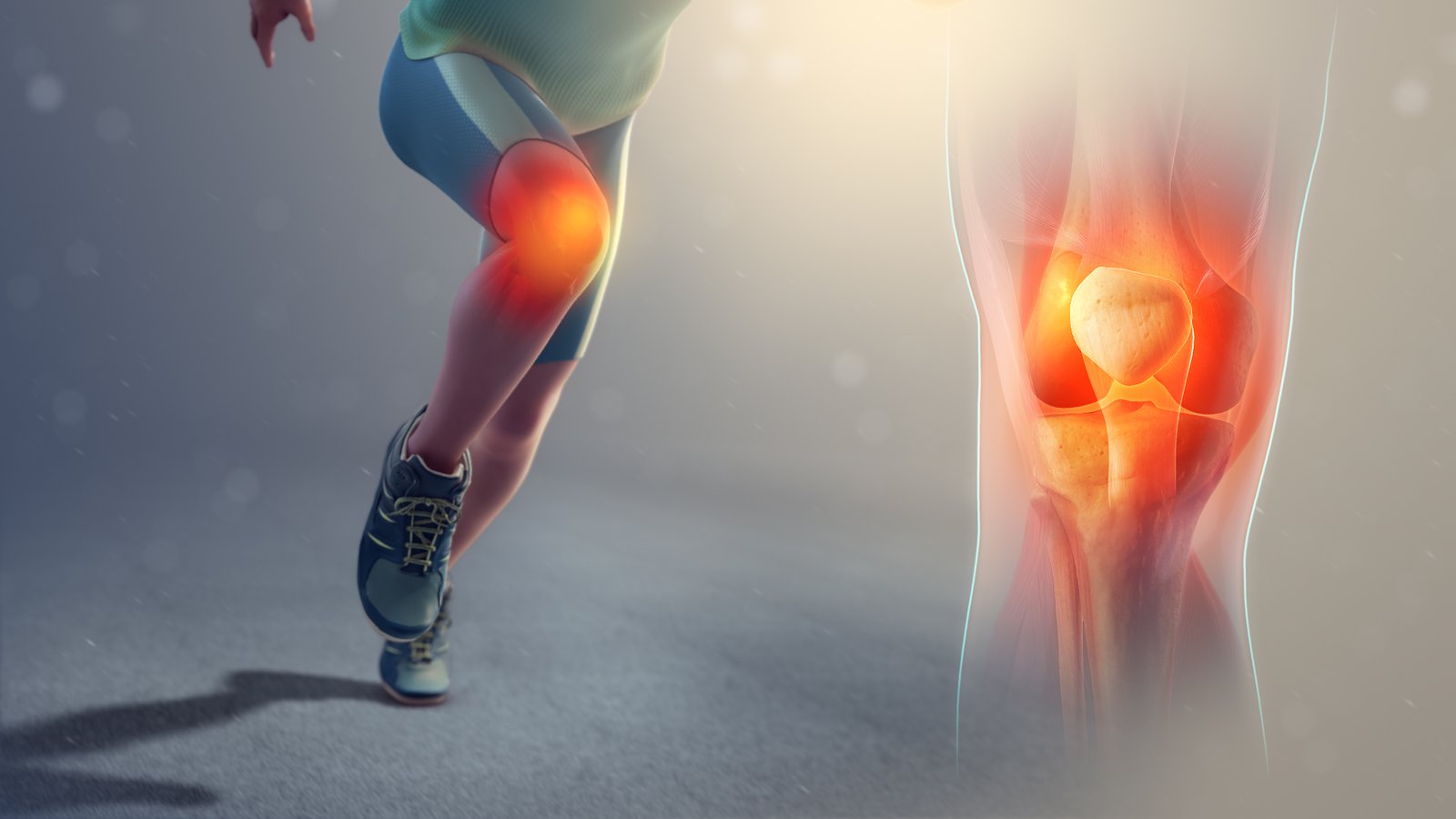
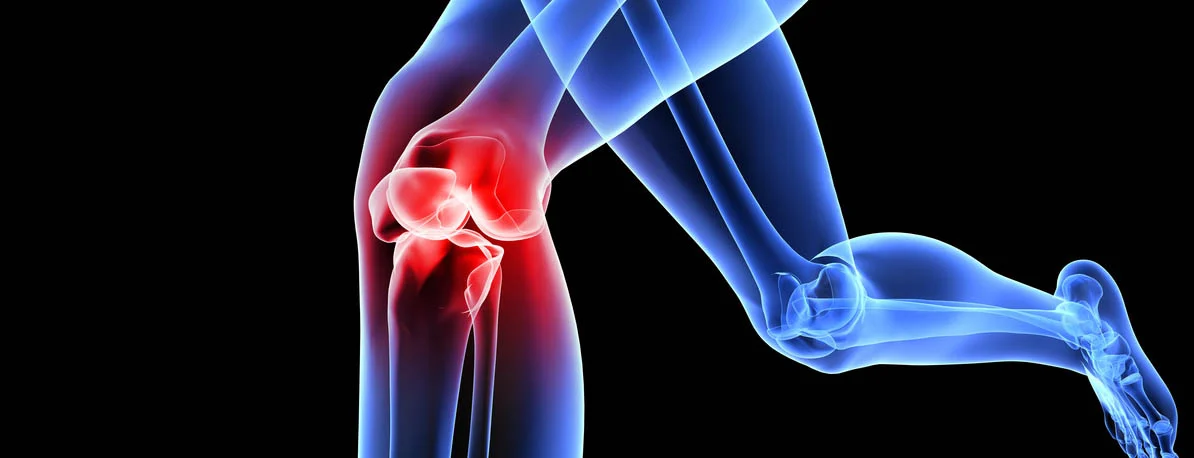
Medical imaging related to a tendon and knee injury
Movement depends on healthy tendons
01

How tendons support movement

A tendon is a strong band of connective tissue that connects muscle to bone. Tendons play an essential role in movement by transmitting force from muscles to joints, allowing the body to perform activities such as walking, lifting, running, and reaching.

Causes & severity

A tendon injury occurs when a tendon becomes irritated, inflamed, weakened, or torn due to overuse, repetitive strain, sports activities, aging, or sudden trauma.

Depending on the severity of the damage, tendon injuries may range from mild inflammation to a complete tendon rupture.

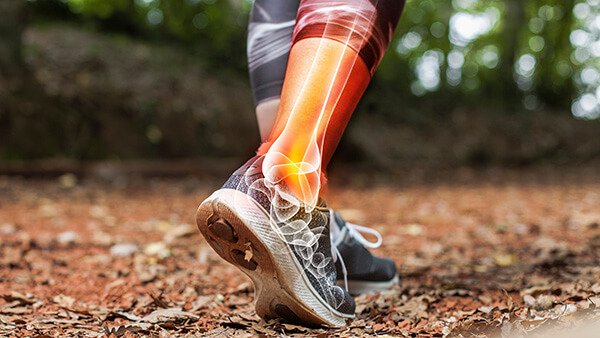
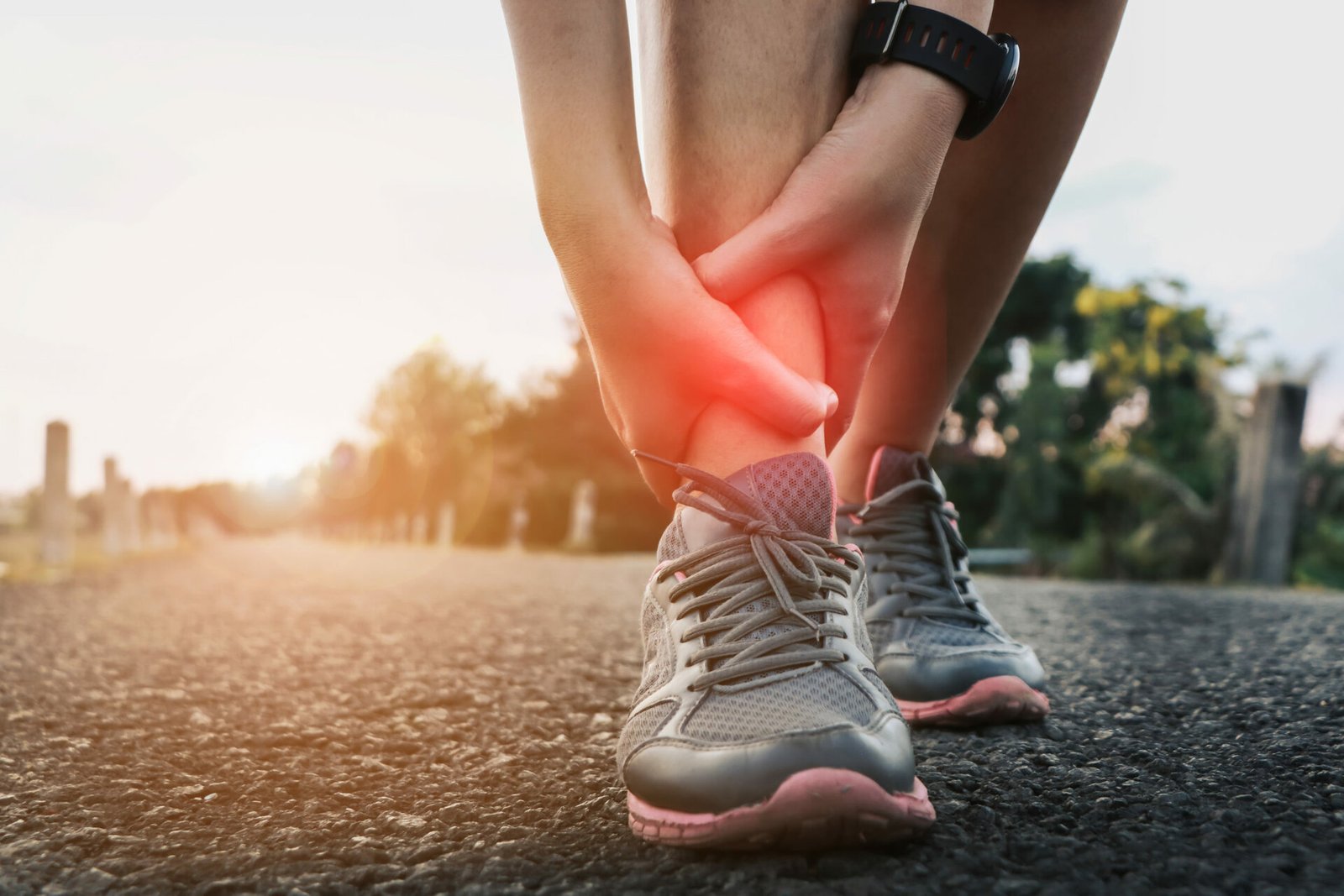
Ankle pain caused by a sports injury
Sports & trauma

Sudden Injuries

Forceful movements and sporting accidents can cause partial or complete tendon tears.

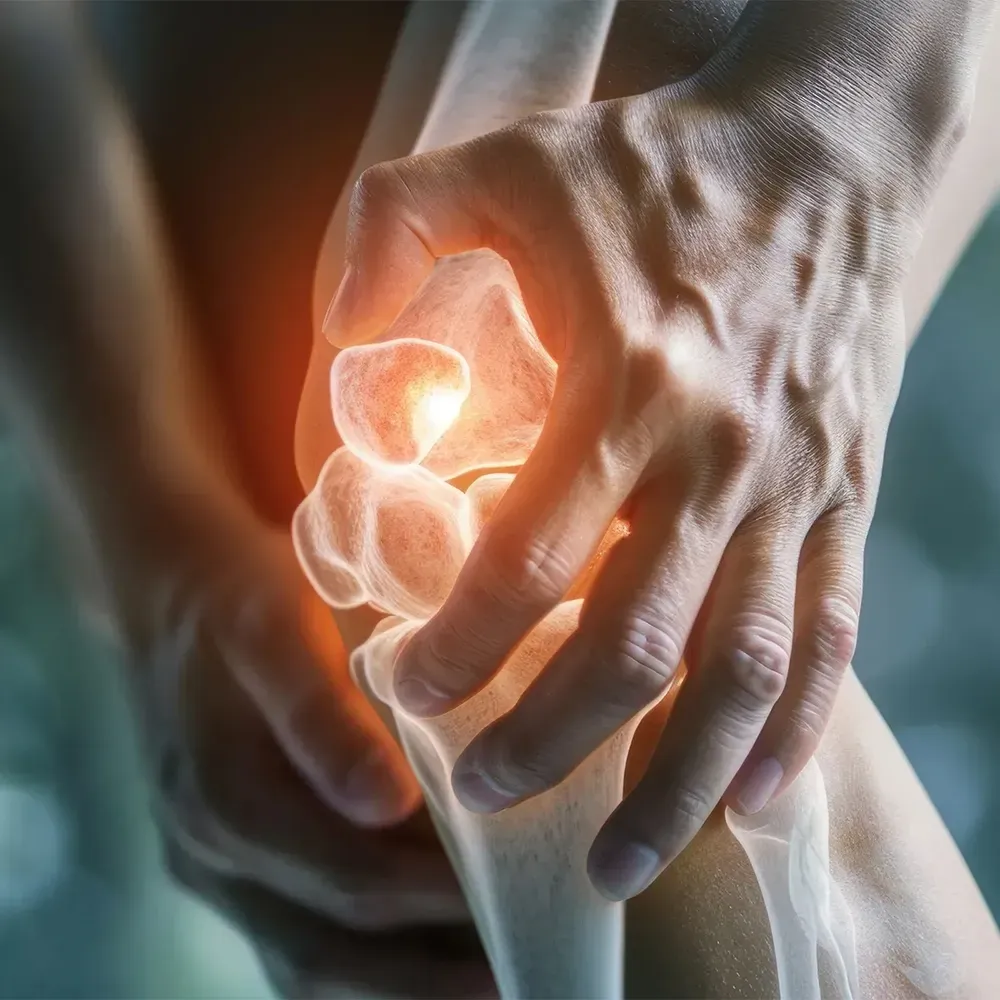
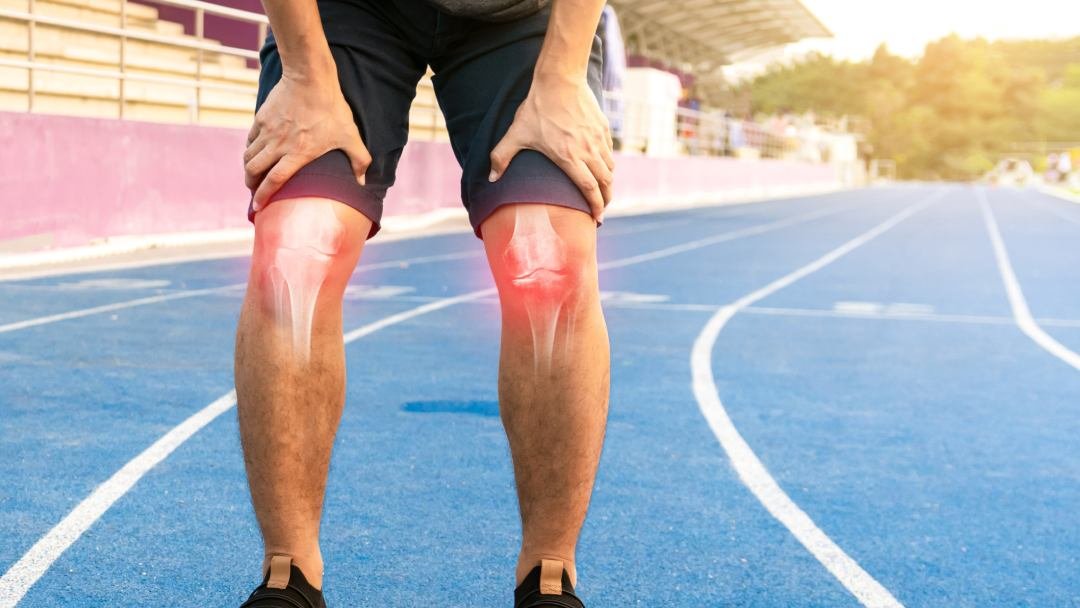
Orthopaedic assessment and tendon examination
Overuse & strain

Gradual Injuries

Repetitive activity can slowly irritate and weaken tendon tissue over time.

Commonly affected tendons

Common Tendon Injuries

01 Rotator cuff tendon injuries
02 Achilles tendon injuries
03 Patellar tendon injuries
04 Biceps tendon injuries
05 Triceps tendon injuries
Treatment goals

Restoring strength, mobility, and confidence

Tendon injury treatment focuses on reducing pain, promoting healing, restoring strength, improving mobility, and helping patients return safely to normal activities and sports.

Reduce pain
Support healing
Restore strength
Improve mobility
Tendon Injury Classification

Types of Tendon Injuries

Tendon injuries can vary significantly in severity and underlying cause. Understanding the type of tendon injury helps determine the most appropriate treatment approach and expected recovery timeline.

01
Sudden trauma

Acute Tendon Tear

Occurs when a tendon is suddenly stretched beyond its capacity, causing a partial or complete tear. It is often associated with sports injuries or traumatic events.

02
Acute inflammation

Tendinitis

A short-term inflammatory condition caused by repetitive strain, overuse, or sudden increases in activity. Pain and tenderness are usually the primary symptoms.

03
Chronic degeneration

Tendinosis

A long-standing degenerative condition where tendon fibres gradually weaken due to repeated stress and poor healing. It often causes persistent pain and reduced performance.

04
Fibre damage

Partial Tendon Tear

Involves damage to a portion of the tendon fibres while maintaining some structural continuity. It may cause weakness, pain, and functional limitations.

06
Upper-arm injury

Triceps Tendon Injury

A specific tendon injury affecting the tendon at the back of the upper arm, commonly caused by forceful pushing movements, weightlifting, or sports-related trauma.

Why classification matters

Different tendon injuries require different treatment strategies.

Injury severity Tendon location Activity level Recovery goals
Early warning signs

Tendon Injury Symptoms

Tendon injury symptoms vary depending on the tendon involved, the severity of the damage, and how long the condition has been present. Recognising symptoms early can help prevent worsening damage, prolonged recovery, and loss of function.

Common symptoms Select a symptom
01 / 06
Symptom analysis Active overview
Pain response

Persistent Pain During Movement

Pain can become more noticeable when the affected tendon is placed under load or used repeatedly.

Pain when using the affected muscle or joint
Discomfort during exercise, lifting, walking, or reaching
Pain that may worsen with repetitive activity
Potential functional impact High
Signs of a more severe tendon injury

Sudden sharp pain, a popping sensation, or immediate weakness should not be ignored.

These symptoms may indicate a partial or complete tendon tear and may require prompt orthopaedic assessment.

Sudden sharp pain
Popping sensation
Immediate loss of strength
Understanding injury triggers

Tendon Injury Causes

Tendon injuries can occur suddenly following trauma or develop gradually due to repetitive strain and overuse. Understanding the underlying cause helps guide treatment and reduce the risk of recurrence.

Common causes

Select a cause to explore

Selected 01 / 06
Selected cause Gradual onset
Accumulated tendon stress

Overuse & Repetitive Activity

Repeated stress on a tendon can cause microscopic damage that accumulates over time, leading to inflammation, degeneration, and pain.

This is common in athletes, manual workers, and individuals who perform repetitive movements.

Preventing recurrence

Effective treatment should address the cause, not only the painful tendon.

Movement patterns, training load, strength, flexibility, previous injuries, and recovery habits may all need to be considered.

Correct movement patterns Build strength gradually Manage training load
Tendon Damage Progression

Tendon Injury Stages & Grades

Tendon injuries often progress gradually. Understanding the stage of tendon damage helps determine the most appropriate treatment plan, expected recovery time, and whether surgical intervention may be required.

Mild inflammation Injury progression Major fibre disruption
Stage 01
Mild
Acute inflammation

Early Tendinitis

Acute irritation and inflammation of the tendon. Pain usually occurs during activity and improves with rest.

  • Mild swelling and local tenderness
  • Symptoms improve with rest
  • Early treatment supports faster recovery
Typical recovery Several weeks
Stage 02
Moderate
Chronic degeneration

Tendinosis

Progressive degeneration caused by repetitive stress and poor tendon healing. Pain may persist during activity and everyday movement.

  • Tendon becomes weaker and less flexible
  • Increased vulnerability to tearing
  • Structured rehabilitation is required
Typical recovery Weeks to months
Stage 03
Severe
Major fibre disruption

Partial or Complete Tendon Tear

Significant disruption of tendon fibres caused by acute trauma or advanced degeneration, often producing severe pain, weakness, and loss of function.

  • Partial tears reduce strength
  • Complete rupture may cause major functional loss
  • Advanced treatment or surgery may be required
Typical recovery Several months
Preventing injury progression

Early diagnosis can help stop mild tendon inflammation from progressing into more severe structural damage.

Timely intervention may improve healing, reduce recovery time, protect tendon strength, and improve long-term function.

Step 01 Identify the stage
Step 02 Select the right treatment
Step 03 Restore function safely
Accurate Orthopaedic Assessment

Tendon Injury Diagnosis

Accurate diagnosis is essential for identifying the type, severity, and location of a tendon injury. Many tendon injuries share symptoms with ligament injuries, joint conditions, muscle strains, and cartilage damage, making a thorough evaluation important for developing the most effective treatment plan.

Diagnostic Step 01 Clinical information
Patient background and injury timeline

Medical History Assessment

What It Evaluates

  • Mechanism of injury
  • Duration of symptoms
  • Previous tendon injuries
  • Sports and activity history

Why It Is Important

  • Helps identify the likely cause of the tendon injury
  • Provides information about severity and progression
  • Guides further examination and imaging decisions
Diagnostic Step 02 Clinical examination
Hands-on tendon and joint assessment

Physical Examination

What It Evaluates

  • Pain location
  • Swelling and tenderness
  • Muscle strength
  • Functional limitations

Why It Is Important

  • Identifies the affected tendon
  • Assesses the impact on movement and function
  • Helps determine the severity of the injury
Diagnostic Step 03 Movement assessment
Joint flexibility and movement quality

Range of Motion Testing

What It Evaluates

  • Active movement
  • Passive movement
  • Joint flexibility

Why It Is Important

  • Detects movement restrictions
  • Evaluates stiffness and functional limitations
  • Helps monitor the extent of tendon involvement
Diagnostic Step 04 Targeted testing
Condition-specific clinical manoeuvres

Special Orthopaedic Tests

What It Evaluates

  • Tendon integrity
  • Muscle function
  • Pain reproduction during specific movements

Why It Is Important

  • Helps confirm tendon involvement
  • Differentiates tendon injuries from ligament, muscle, or joint conditions
  • Supports accurate diagnosis and treatment planning
Diagnostic Step 05 Bone imaging
Bone structure and joint alignment

X-Ray Imaging

What It Evaluates

  • Bone structure
  • Joint alignment
  • Associated abnormalities

Why It Is Important

  • Rules out fractures and bone-related causes of pain
  • Identifies calcification or chronic changes near tendon attachments
  • Provides additional diagnostic information
Diagnostic Step 06 Advanced imaging
Detailed tendon fibre assessment

MRI & Ultrasound Imaging

What It Evaluates

  • Tendon fibres
  • Partial tears
  • Complete ruptures
  • Inflammation and degeneration

Why It Is Important

  • Provides detailed assessment of tendon health
  • Confirms the location and severity of tendon damage
  • Helps determine whether conservative or surgical treatment is required
Clinical value

How Diagnosis Helps

A structured diagnostic process provides the information needed to choose the safest and most effective treatment pathway.

Confirms the presence of a tendon injury
Identifies the specific tendon involved
Determines the severity of damage
Rules out ligament, cartilage, and bone injuries
Guides the most effective treatment plan
Provides a realistic recovery timeline
Helps prevent long-term complications
Recognise when assessment is needed

When Should You See a Doctor?

Many tendon injuries begin with mild discomfort and gradually worsen over time. Seeking medical attention early can help prevent chronic pain, tendon degeneration, and more serious injuries such as tendon rupture.

Medical attention may be recommended when Symptoms persist, worsen, reduce strength, or interfere with normal movement.
Monitor
Book an assessment
Seek prompt care
01
Pain warning signs

Persistent Pain

Pain lasting more than a few days
Pain that worsens with movement or exercise
Pain that interferes with sleep
Recurring pain during activity
Sudden sharp pain during exercise or sports
A popping sensation at the time of injury
02
Strength warning signs

Loss of Strength

Difficulty lifting, pushing, pulling, or walking
Noticeable reduction in muscle strength
Weakness during routine movements
Loss of endurance and performance
Difficulty using the affected limb normally
Inability to perform normal movements
03
Tissue warning signs

Swelling & Tenderness

Persistent swelling around the tendon
Increasing tenderness when touching the area
Symptoms that continue despite rest
Swelling that repeatedly returns
Rapid inflammation following injury
Symptoms that continue despite home care
04
Daily function warning signs

Functional Limitation

Difficulty performing daily activities
Reduced ability to work, exercise, or participate in sports
Difficulty climbing stairs, reaching, or carrying objects
Progressive reduction in mobility
Increasing limitations in movement
Significant impact on daily function and quality of life
Seek prompt medical assessment

Sudden pain, a popping sensation, major weakness, or loss of movement may indicate a serious tendon tear.

These symptoms should not be ignored, particularly when they begin immediately after a fall, sports injury, forceful movement, or direct trauma.

Red flag Sudden severe pain
Red flag Pop or snap sensation
Red flag Immediate loss of function
Why early assessment matters

Ignoring these symptoms may increase recovery time, worsen tendon damage, and increase the risk of a partial or complete tendon rupture.

Personalised treatment pathways

Tendon Injury Treatment Options

Effective tendon injury treatment depends on the severity of the damage, the tendon involved, and the patient’s activity level. The primary goals are to relieve pain, restore function, improve strength, and support a safe return to daily activities and sports.

Treatment pathway comparison

Conservative vs Surgical Treatment

Treatment selected according to injury severity
Pathway 01

Non-Surgical Treatment

  • Physiotherapy & Rehabilitation
  • Activity Modification
  • Tendon Strengthening Exercises
  • PRP Therapy
  • Pain & Inflammation Management
  • Progressive Return-to-Activity Programmes
Pathway 02

Surgical Treatment

  • Tendon Repair Surgery
  • Arthroscopic Tendon Procedures
  • Tendon Reconstruction
  • Repair of Complete Tendon Tears
  • Advanced Sports Injury Surgery
  • Treatment for Severe or Failed Conservative Cases
Explore treatment pathways

Select a treatment approach

Conservative care

Non-Surgical Treatment

Most tendon injuries can be successfully managed without surgery, particularly when diagnosed early and treated with a structured rehabilitation plan.

Clinical suitability

Recommended For

Tendinitis and early tendon injuries
Tendinosis without significant tearing
Mild to moderate tendon damage
Patients with preserved strength and function
01
Movement restoration

Physiotherapy & Rehabilitation

A structured rehabilitation programme helps restore movement and progressively rebuild tendon function.

  • Restore movement
  • Improve tendon loading capacity
  • Reduce pain
  • Rebuild strength and flexibility
02
Load reduction

Activity Modification

Temporary reduction of aggravating activities allows the tendon to recover while maintaining safe levels of movement.

Controlled activity
04
Progressive tendon loading

Progressive Strengthening

Gradual loading exercises improve tendon resilience, restore strength, and reduce the risk of recurrence.

Final rehabilitation phase

Progressive Return-to-Activity Programme

1 Pain control 2 Restore mobility 3 Build strength 4 Functional training 5 Return to activity
Advanced tendon care

Surgical Treatment

Surgery may be considered for complete tendon tears or severe injuries that fail to respond to conservative treatment. The goal is to restore tendon strength, function, and movement.

Surgical indications

Considered When

Complete tendon rupture
Significant loss of strength
Persistent symptoms despite rehabilitation
High-demand athletes requiring full recovery
Severe tendon degeneration with structural damage
01
Structural repair

Tendon Repair Surgery

The damaged tendon is repaired and reattached to restore normal function, movement, and strength.

  • Repair damaged tendon fibres
  • Restore tendon attachment
  • Improve mechanical strength
03
Advanced reconstruction

Tendon Reconstruction

Reconstruction may be considered when the tendon is severely damaged, retracted, or unsuitable for direct repair.

Structural complexity
04
Recovery and rehabilitation

Post-Surgical Rehabilitation

Rehabilitation after surgery protects the repair while gradually restoring mobility, strength, and functional confidence.

  • Protect the surgical repair
  • Restore mobility
  • Rebuild strength
  • Return safely to sport and daily activity
Post-operative pathway

Protected Surgical Recovery

1 Protect repair 2 Controlled mobility 3 Progressive loading 4 Strength recovery 5 Functional return
Shared treatment objectives

Every treatment plan is designed around safe, sustainable recovery.

Whether treatment is conservative or surgical, the objective is to protect tendon health and restore confident movement.

Relieve pain
Restore movement
Rebuild strength
Protect the tendon
Return to activity
Reduce recurrence
Understanding the recovery journey

Recovery Time How Long Does It Take?

Recovery from a tendon injury depends on the severity of the damage, the tendon involved, and how consistently rehabilitation is followed. Mild injuries may improve within a few weeks, while advanced injuries and tendon tears can require several months of treatment and rehabilitation.

Orthopaedic tendon injury treatment and recovery
Recovery objective Restore strength, movement, and confidence safely
Estimated recovery spectrum

From early healing to full return

Individual timelines vary
Early injury 2–6 Weeks
Complete repair 4–12 Months

Early diagnosis, appropriate treatment, and adherence to a structured recovery programme are essential for achieving the best possible outcome.

Recovery timeline & phases

Five stages of tendon recovery

Early healing Rehabilitation Functional return
01
Stage of condition

Early Tendinitis

Estimated time 2–6 Weeks
Phase 1
Pain Control & Protection

Focus on reducing inflammation, managing pain, protecting the tendon, and maintaining gentle movement without excessive loading.

Reduce inflammation Protect the tendon Maintain gentle movement
02
Stage of condition

Moderate Tendon Injury

Estimated time 6–12 Weeks
Phase 2
Tissue Healing & Mobility Restoration

Gradual improvement in flexibility, mobility, and tendon function. Controlled exercises and physiotherapy become increasingly important.

Restore mobility Controlled exercise Guided physiotherapy
03
Stage of condition

Tendinosis

Estimated time 2–6 Months
Phase 3
Strength & Functional Recovery

Rehabilitation focuses on rebuilding tendon strength, improving endurance, correcting movement patterns, and restoring normal activity levels.

Rebuild strength Improve endurance Correct movement patterns
04
Stage of condition

Partial Tendon Tear

Estimated time 3–6 Months
Advanced Phase
Progressive Strength & Capacity

Progressive strengthening and functional rehabilitation help restore tendon capacity while reducing the risk of re-injury.

Progressive loading Functional rehabilitation Reduce re-injury risk
05
Stage of condition

Post-Surgical Recovery / Complete Tendon Repair

Estimated time 4–12 Months
Phase 4
Return to Sport & Activity

Structured rehabilitation focuses on restoring full strength, movement, sport-specific function, and long-term tendon health.

Restore full strength Sport-specific training Long-term tendon health
Individual recovery variables

Factors That Can Affect Recovery Time

Healing speed is influenced by injury severity, general health, lifestyle, and consistency with rehabilitation.

Severity of tendon damage
Type of tendon involved
Age and overall health
Smoking
Diabetes
Previous injuries
Activity level
Rehabilitation compliance
Extent of tendon degeneration
Improving recovery outcomes

Consistent rehabilitation and early treatment can significantly improve tendon recovery.

Following the recommended treatment plan can improve strength, support safe progression, and reduce the likelihood of long-term tendon problems.

Start treatment early Follow rehabilitation consistently Progress activity gradually
Understanding connective tissue injuries

Tendon Injury vs Ligament Injury

Tendon and ligament injuries are often confused because both affect connective tissues and can cause pain, swelling, and reduced function. However, they involve different structures, serve different purposes, and often require different treatment approaches.

01
Connective structure

Tendon

Connects Muscle to Bone

Tendons transfer force from muscles to bones, allowing the body to move efficiently.

Key VS Difference
02
Connective structure

Ligament

Connects Bone to Bone

Ligaments stabilise joints and help prevent excessive or abnormal movement.

Movement system Tendon Injury
Key Differences
Stability system Ligament Injury
  • Movement production
  • Force transmission
  • Joint control during activity
Comparison 01 Primary Role
  • Joint stability
  • Alignment control
  • Mechanical support
  • Pain during movement
  • Localised tenderness
  • Muscle weakness
  • Reduced athletic performance
Comparison 02 Common Symptoms
  • Joint instability
  • Swelling
  • Giving-way sensation
  • Reduced confidence during movement
  • Repetitive overuse
  • Sudden increases in activity
  • Sports injuries
  • Degenerative changes
Comparison 03 Common Causes
  • Twisting injuries
  • Direct trauma
  • Sudden changes in direction
  • Sports-related accidents
  • Rotator cuff tendon injury
  • Achilles tendon injury
  • Patellar tendon injury
  • Triceps tendon injury
Comparison 04 Common Examples
  • ACL tear
  • PCL injury
  • MCL ligament injury
  • Ankle ligament sprain
Quick clinical distinction

Pain with muscle-driven movement often suggests tendon involvement, while instability may suggest ligament injury.

Symptoms can overlap, so a clinical examination and appropriate imaging may be required to confirm the injured structure.

Tendon clue Pain with loading or muscle contraction
Ligament clue Instability or giving-way sensation
Best next step Accurate orthopaedic assessment
Risks of delaying tendon treatment

Complications if a Tendon Injury Is Left Untreated

Without proper diagnosis and treatment, a tendon injury can gradually worsen over time. Delayed care may lead to persistent symptoms, reduced function, and a longer recovery process.

Possible progression

What begins as discomfort may progress into structural tendon damage.

01
Early persistent complication

Chronic Pain

Risk level
Persistent discomfort during movement and activity
Pain that interferes with work, exercise, and daily life
Ongoing irritation of the affected tendon
02
Progressive movement restriction

Persistent Stiffness

Risk level
Reduced flexibility around the affected joint
Difficulty performing normal movements
Progressive tightness caused by limited use
03
Functional movement decline

Reduced Range of Motion

Risk level
Restricted movement during daily activities
Difficulty reaching, lifting, walking, or exercising
Loss of normal joint function over time
04
Declining muscular support

Muscle Weakness & Atrophy

Risk level
Reduced strength caused by pain and inactivity
Loss of muscle mass around the affected area
Declining athletic performance and endurance
05
Major structural complication
Severe tendon damage

Complete Tendon Rupture

Risk level
Increased risk of a partial tear progressing to complete rupture
Sudden loss of strength and function
Greater likelihood of requiring surgical treatment
06
Long-term recovery impact

Prolonged Recovery & Functional Limitation

Recovery impact
Longer rehabilitation timelines
Delayed return to work, sports, and normal activities
Reduced quality of life due to ongoing symptoms
Cumulative effect

Delayed care can affect pain, movement, strength, and long-term tendon integrity.

01 Persistent pain
02 Reduced mobility
03 Loss of strength
04 Rupture risk
Early intervention matters

Treating tendon symptoms early may help prevent progression into chronic degeneration or complete rupture.

Persistent pain, increasing weakness, recurrent swelling, and reduced movement should be assessed before the injury causes more significant structural or functional damage.

Step 01 Identify the injury
Step 02 Begin appropriate treatment
Step 03 Restore tendon function
Clinical rehabilitation programme

Tendon Injury Exercises

Targeted rehabilitation exercises play an important role in tendon injury recovery. A structured exercise programme helps improve tendon strength, restore mobility, reduce pain, and support a safe return to normal activities.

Rehabilitation principle

Exercise should progress from controlled activation to functional tendon loading.

01

Control Manage pain

02

Restore Improve mobility

03

Build Increase strength

04

Return Restore function

01
Controlled tendon loading

Eccentric Tendon Loading Exercise

Strength phase

Slowly lengthen the muscle while maintaining controlled tension through the tendon.

  • Helps stimulate tendon healing and improve strength
  • Commonly used for Achilles, patellar, and other overuse tendon injuries
  • Movement should remain slow and controlled
Movement pattern Slow lowering
Start Lower

Controlled tension is maintained while the muscle gradually lengthens.

02
Lower-leg flexibility

Calf Stretch

Mobility phase

Gently stretches the muscles and tendons of the lower leg using a comfortable sustained position.

  • Improves flexibility
  • Reduces tendon and calf tightness
  • Particularly beneficial for Achilles tendon injuries
Exercise focus Gentle sustained stretch
Stretch

Keep the rear heel controlled and avoid bouncing into the stretch.

03
Progressive resistance

Resistance Band Strengthening

Loading phase

Uses controlled resistance to progressively improve tendon and muscle strength.

  • Helps restore function
  • Supports long-term recovery
  • Resistance progresses gradually as symptoms improve
Loading method Progressive resistance
Low load
Progressed load
04
Shoulder mobility

Wall Slide Exercise

Mobility phase

Performed by sliding the arm upward along a wall in a slow and controlled manner.

  • Helps restore shoulder mobility
  • Improves flexibility
  • Commonly used in shoulder tendon rehabilitation
Movement direction Controlled upward slide

Move only through a comfortable range without forcing the shoulder.

05
Movement-pattern rehabilitation

Controlled Functional Movement Training

Functional phase

Focuses on restoring normal movement patterns and preparing the body for daily and sporting demands.

  • Improves coordination
  • Improves joint control
  • Prepares patients for daily activities and sports participation
Movement progression Control before speed
Position
Control
Function

Functional demand increases only after strength and control have improved.

06
Static tendon activation

Isometric Tendon Strengthening Exercise

Early rehabilitation

Involves muscle contraction without visible movement at the joint.

  • Helps reduce pain
  • Maintains tendon and muscle strength
  • Often used during the early stages of rehabilitation
Contraction type Static hold
Muscle active Joint remains still
Professional exercise guidance

Exercises should be matched to the tendon involved, the severity of the injury, and the current stage of healing.

Exercises should be performed under professional guidance to ensure safe progression and avoid excessive stress on the healing tendon.

Load Progress resistance gradually
Response Monitor pain and swelling
Technique Maintain controlled movement
Specialist orthopaedic care in Sharjah

Why Choose Dr. Ahmed Azmy?

Expert tendon injury care focused on accurate diagnosis, personalised treatment, and safe long-term recovery.

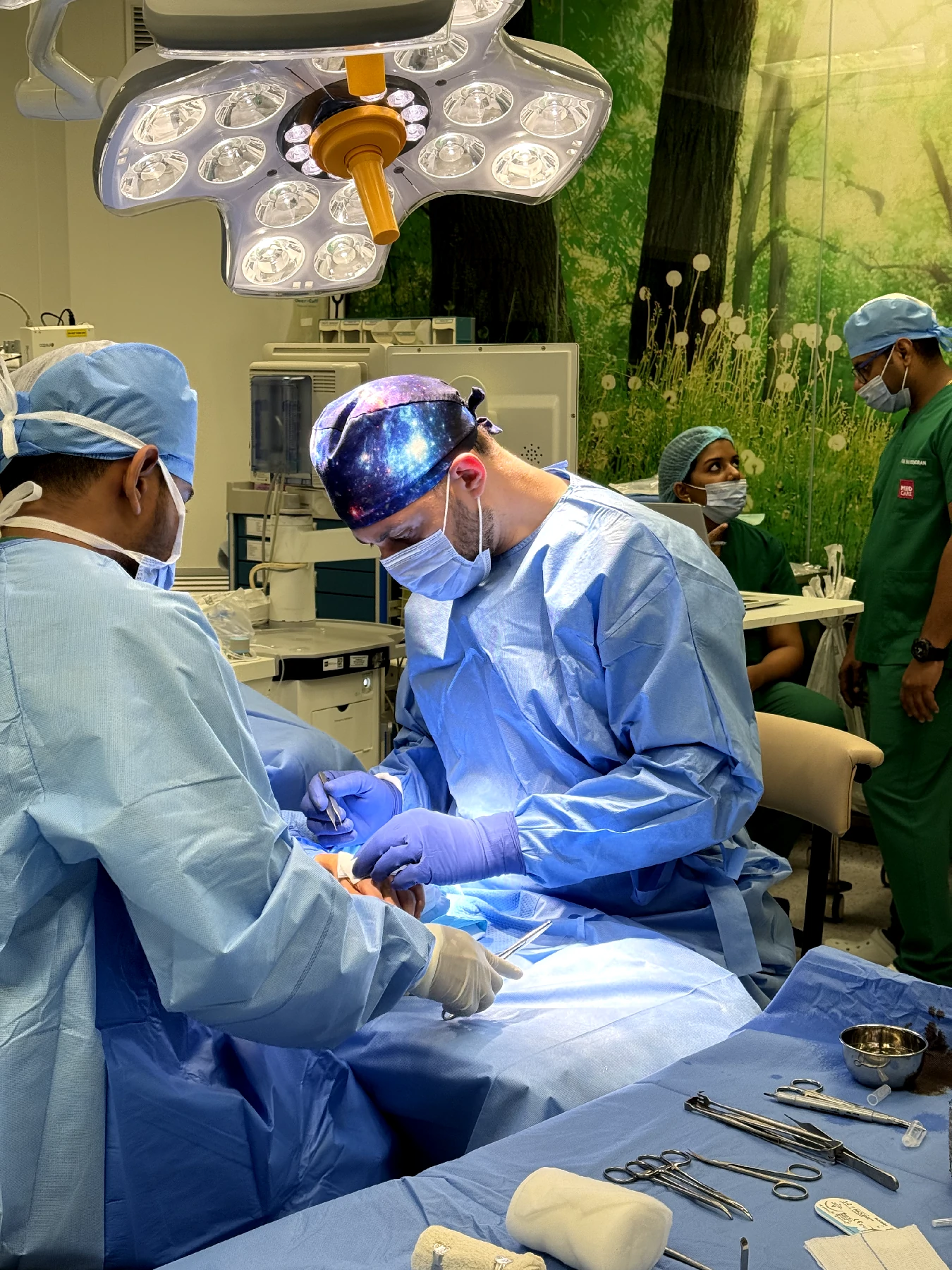
Dr. Ahmed Azmy, orthopaedic and sports injury specialist in Sharjah
Orthopaedic & Sports Injury Specialist Dr. Ahmed Azmy Sharjah, UAE
Fellowship trained Germany

Specialist care designed around the injury, the patient, and the recovery goal.

Choosing the right specialist is essential for effective tendon injury treatment, especially when pain, weakness, or reduced movement begins to affect daily activities and sports performance.

Dr. Ahmed Azmy provides expert care in Sharjah, combining accurate diagnosis with personalised treatment plans designed to restore function and support long-term recovery.

Whether you are dealing with tendinitis, tendinosis, a partial tendon tear, or a sports-related tendon injury, treatment is tailored to the severity of the condition and your individual recovery goals.

Step 01 Accurate diagnosis

Step 02 Personalised treatment

Step 03 Safe functional return

Rehabilitation Structured tendon recovery
Regenerative care Selected biological therapies
Advanced procedures Minimally invasive treatment

15+ Years of experience Orthopaedics and sports injury care
40,000+ Patients treated Across orthopaedic and sports conditions
2,500+ Advanced procedures Orthopaedic and minimally invasive care
Professional profile

Professional Highlights

Advanced training and extensive clinical experience across tendon injuries, sports medicine, arthroscopy, and joint reconstruction.

Clinical experience 15+ years of orthopaedic and sports injury experience
Patient care 40,000+ patients successfully treated
Procedural experience 2,500+ advanced orthopaedic procedures performed
International training Fellowship-trained in Germany in arthroscopy and joint reconstruction
Advanced surgery Specialist in minimally invasive orthopaedic procedures
Sports rehabilitation Expert in sports injury rehabilitation and tendon injury management
Comprehensive clinical expertise

Treatment focused on pain relief, strength, mobility, and confident return to activity.

With expertise in sports injuries, arthroscopy, and tendon rehabilitation, patients receive comprehensive care designed to support both short-term recovery and long-term tendon health.

Reduce pain
Restore strength
Improve mobility
Return to sport
Book a specialist consultation in Sharjah

Get a personalised assessment for your tendon injury.

Schedule an appointment with Dr. Ahmed Azmy to discuss your symptoms, diagnosis, and most appropriate treatment options.

Book an Appointment with Dr. Ahmed Azmy in Sharjah
Tendon injury patient guide

Frequently Asked Questions

Clear answers about tendon injury symptoms, diagnosis, treatment, rehabilitation, PRP therapy, and when to seek specialist care in Sharjah.

Specialist guidance Answers based on common tendon injury concerns
Topics covered Diagnosis, treatment, recovery, exercise and prevention
Location Tendon injury specialist care in Sharjah
01 Specialist assessment When should I see a tendon injury specialist in Sharjah?

You should see a tendon injury specialist in Sharjah if you experience persistent pain, swelling, weakness, or difficulty moving a joint after physical activity or injury. Symptoms that continue for more than a few days, worsen over time, or interfere with daily activities should not be ignored.

A tendon injury may begin as mild discomfort but gradually progress into chronic degeneration or a tendon tear. Early diagnosis helps identify the severity of the condition and allows treatment to begin before significant tendon damage occurs.

Early assessment may improve recovery outcomes and reduce the risk of long-term complications.
02 Treatment planning What is the best treatment for a tendon injury?

The best tendon injury treatment depends on the severity of the damage, the tendon involved, and the patient’s activity level. Mild tendon injuries often improve with physiotherapy, activity modification, and structured strengthening exercises.

More advanced conditions such as tendinosis may benefit from regenerative treatments including PRP therapy. Partial or complete tendon tears may require surgical repair when significant weakness or loss of function is present.

Physiotherapy Strengthening PRP therapy Surgical repair
03 Understanding the condition What is the difference between tendinitis and tendinosis?

Although the terms are often used interchangeably, tendinitis and tendinosis are different conditions.

Tendinitis Acute inflammation

Usually associated with a recent increase in activity or repetitive strain.

Tendinosis Chronic degeneration

Develops when repeated stress continues and the tendon fails to heal properly.

Chronic tendon degeneration usually requires a more structured and progressive rehabilitation programme than acute inflammation.

04 Injury progression Can a tendon injury become a tendon tear if left untreated?

Yes. An untreated tendon injury can gradually worsen and increase the risk of a partial or complete tendon tear. Repeated stress on a weakened tendon may cause ongoing degeneration, reducing its ability to tolerate normal movement and physical activity.

Mild irritation
Degeneration
Tendon tear

Early treatment, activity modification, and appropriate rehabilitation can help prevent further deterioration and reduce the likelihood of a rupture requiring surgery.

05 Symptoms and diagnosis How do I know if my tendon is torn or simply inflamed?

An inflamed tendon typically causes pain, tenderness, and discomfort during movement while still allowing the joint and muscle to function relatively normally.

A tendon tear may cause more significant symptoms, including sudden pain, weakness, loss of strength, difficulty using the affected limb, and sometimes a popping sensation at the time of injury.

Clinical examination Strength and movement testing
Ultrasound Dynamic tendon assessment
MRI Detailed structural imaging
06 Recovery and healing Why do tendon injuries take longer to heal than muscle injuries?

Tendon injuries often heal more slowly than muscle injuries because tendons have a relatively limited blood supply. Blood circulation helps deliver nutrients and healing factors to damaged tissue.

Muscles typically receive more blood flow and may therefore recover more quickly. Tendons also experience continuous stress during daily movement, which can delay healing if rehabilitation is not carefully managed.

Protection Avoid excessive loading
Loading Stimulate tissue recovery
07 Exercise safety Is it safe to exercise with a tendon injury?

In many cases, exercise remains an important part of tendon injury treatment, but the type and intensity must be carefully controlled. Complete rest is not always recommended because tendons respond positively to progressive loading when performed correctly.

Continuing high-impact activity or exercising through significant pain may worsen the condition. A personalised rehabilitation programme helps ensure that exercise supports recovery rather than delaying it.

Controlled loading Gradual progression Avoid significant pain
08 Regenerative treatment Is PRP therapy effective for tendon injuries?

PRP therapy may be beneficial for selected tendon injuries, particularly chronic tendon conditions that have not responded adequately to conventional treatment.

The procedure uses a concentrated portion of the patient’s own blood containing growth factors that may support tissue healing and recovery. PRP is commonly considered for tendinosis, chronic overuse injuries, and selected partial tendon tears.

Not every patient is a suitable candidate. PRP should form part of a comprehensive treatment and rehabilitation programme.
09 Specialist care in Sharjah Why choose Dr. Ahmed Azmy for tendon injury treatment in Sharjah?

Dr. Ahmed Azmy provides comprehensive tendon injury treatment in Sharjah using a personalised, evidence-based approach tailored to each patient’s needs.

With more than 15 years of orthopaedic and sports injury experience, over 40,000 patients treated, and advanced training in arthroscopy and joint reconstruction, he provides care for both acute and chronic tendon injuries.

15+ Years of experience
40,000+ Patients treated
2,500+ Advanced procedures

Treatment plans are designed to reduce pain, improve mobility, restore strength, and support long-term recovery.

Struggling with a tendon injury?

Restore Strength. Regain Confidence. Return to Life.

Get expert evaluation and personalised tendon injury treatment from Dr. Ahmed Azmy in Sharjah.

Tendon Injury Specialist in Sharjah Book Your Consultation Today
Book an Appointment with Dr. Ahmed Azmy
Dr. Ahmed Azmy Orthopedic & Sports Injuries logo.

Redefining Orthopedic Excellence in the UAE. Dr. Ahmed Azmy known as The Best Ortho Surgeon in Sharjah offers world-class, compassionate, and personalized treatments for sports injuries and advanced joint reconstruction.

Contact Us

Powered By ICONCLY Medical © 2026 . All rights reserved.

Patient Connection Hub