
Meniscus Surgery in Sharjah: Restore Knee Function & Relieve Locking Pain
Minimally Invasive Arthroscopic Meniscus Surgery | Same-Day Procedure | Faster Recovery
Experiencing persistent knee pain, locking, or swelling from a torn meniscus? Meniscus surgery performed by an experienced orthopedic surgeon in Sharjah and Ajman, UAE can relieve mechanical symptoms, protect joint cartilage, and restore smooth knee movement. Advanced arthroscopic surgery for meniscus tear allows precise treatment with faster recovery time after meniscus surgery and reduced downtime.
Dr. Ahmed Azmy, an Orthopedic Surgeon in Sharjah, UAE, performs advanced arthroscopic knee surgery for meniscus tear using minimally invasive techniques that preserve healthy cartilage whenever possible. Whether you require meniscus tear repair surgery or partial removal, treatment is tailored to your tear type, activity level, and recovery goals, with a focus on improving recovery after meniscus surgery and long-term knee function.
What Is Meniscus Surgery?
Meniscus surgery is a minimally invasive procedure designed to treat symptomatic meniscus tears that do not respond to conservative treatment. Also referred to as torn meniscus surgery or knee meniscus surgery, the procedure aims to repair or remove damaged cartilage while preserving as much healthy tissue as possible.
Arthroscopic knee surgery for meniscus tear involves inserting a small camera and specialized instruments through tiny incisions. The surgeon evaluates the tear pattern, vascular zone, and cartilage condition before deciding between repair or partial meniscectomy.
Modern meniscus tear repair surgery focuses on preserving meniscal tissue to reduce long-term arthritis risk.
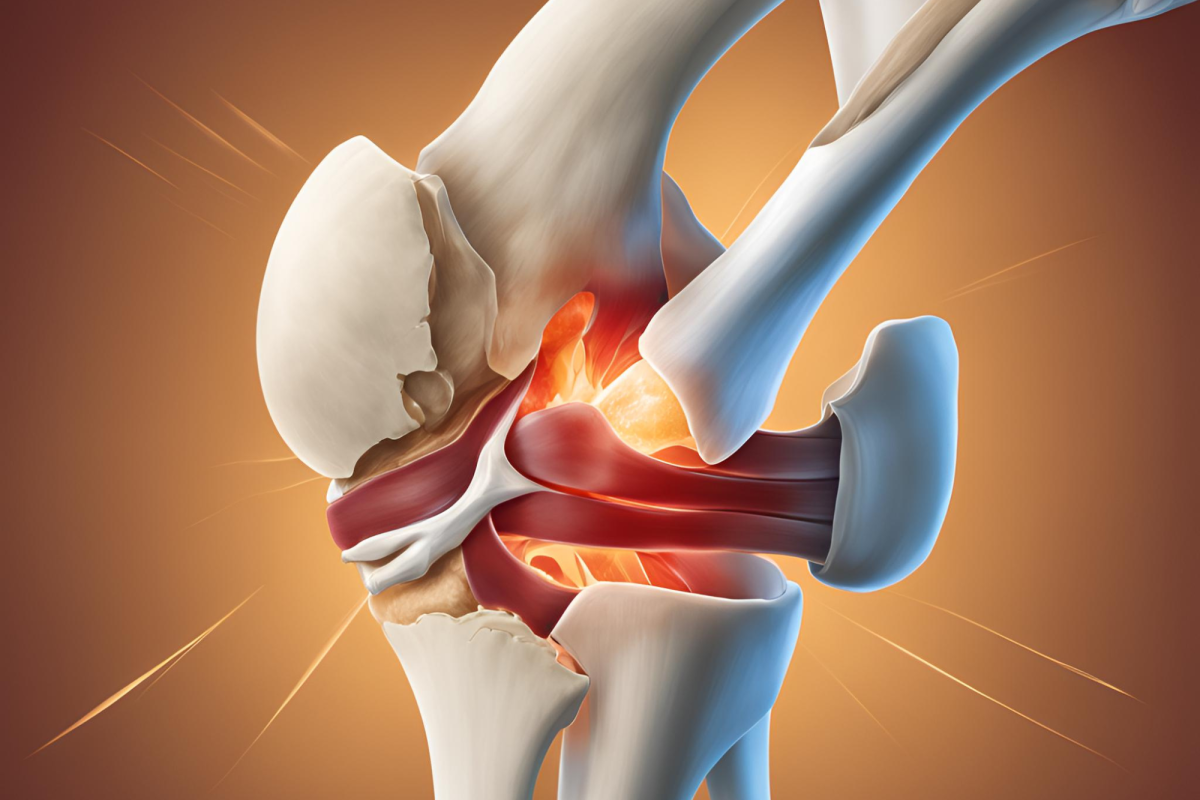
When Is Meniscus Surgery Needed?
Meniscus tear surgery is recommended when symptoms persist or worsen despite conservative treatment, especially in cases that may require knee meniscus surgery or arthroscopic surgery for meniscus tear in Sharjah, UAE.
| Indication | Clinical Scenario |
|---|---|
| Persistent Pain | Symptoms continue despite rehab, which may indicate the need for meniscus tear surgery and structured recovery time after meniscus surgery. |
| Knee Locking or Sticking | The knee gets stuck and cannot fully bend or straighten, a common sign of a torn meniscus that may require arthroscopic knee surgery in Sharjah, UAE. |
| Failed Conservative Care | 4–8 weeks without improvement, even after exercises after meniscus surgery protocols or non-surgical treatment approaches. |
| Severe or Unstable Tear | The tear is large or unstable, affecting normal knee movement and often requiring advanced meniscus surgery techniques. |
| Combined Injury | The meniscus tear occurs along with another injury, such as an ACL tear, requiring combined treatment including knee meniscus surgery for full joint recovery. |
Early intervention may prevent cartilage damage and improve long-term joint health, especially when timely meniscus surgery is performed in Sharjah with a structured plan for recovery after meniscus surgery.
Preparation Before Meniscus Surgery
Proper preparation improves surgical outcomes, especially for patients undergoing meniscus surgery in Sharjah. Preparation includes steps that help optimize recovery time after meniscus surgery and reduce complications.
Detailed Clinical Evaluation
MRI confirms tear type (lateral meniscus tear surgery cases, repair candidates, etc.), helping determine the most appropriate treatment. Accurate diagnosis supports effective knee meniscus surgery in Sharjah and improves recovery after meniscus surgery.
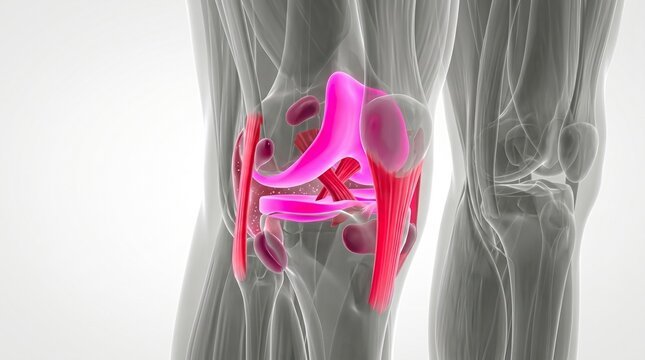
Prehabilitation
Strengthening and swelling control optimize recovery. Pre-surgery physiotherapy improves muscle support, enhances joint stability, and prepares patients for faster recovery time after meniscus surgery and better outcomes after arthroscopic knee surgery.
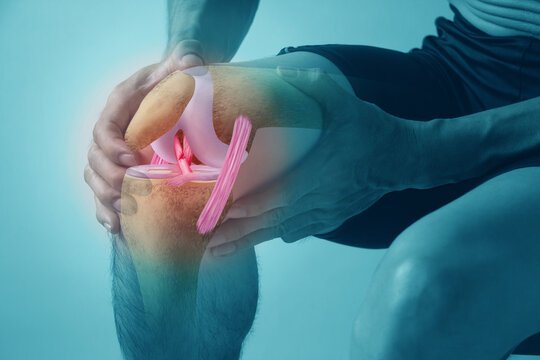
Medication Review
Blood thinners and supplements are assessed to reduce surgical risks. Proper medication management supports safe meniscus surgery, minimizes complications, and ensures smoother recovery after meniscus surgery in Sharjah.
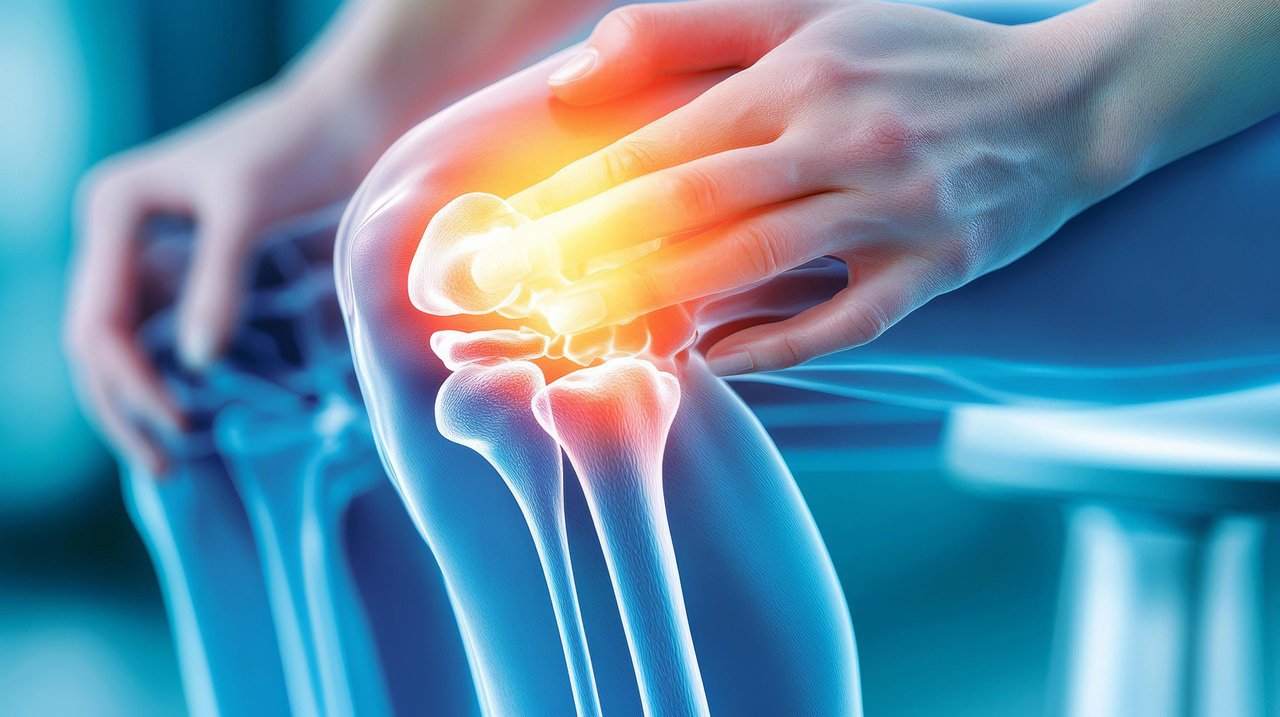
Preoperative Instructions
Fasting guidelines and anesthesia planning provided. Patients are also guided on knee brace after meniscus surgery, mobility expectations, and how long after meniscus surgery they can walk or resume daily activities.
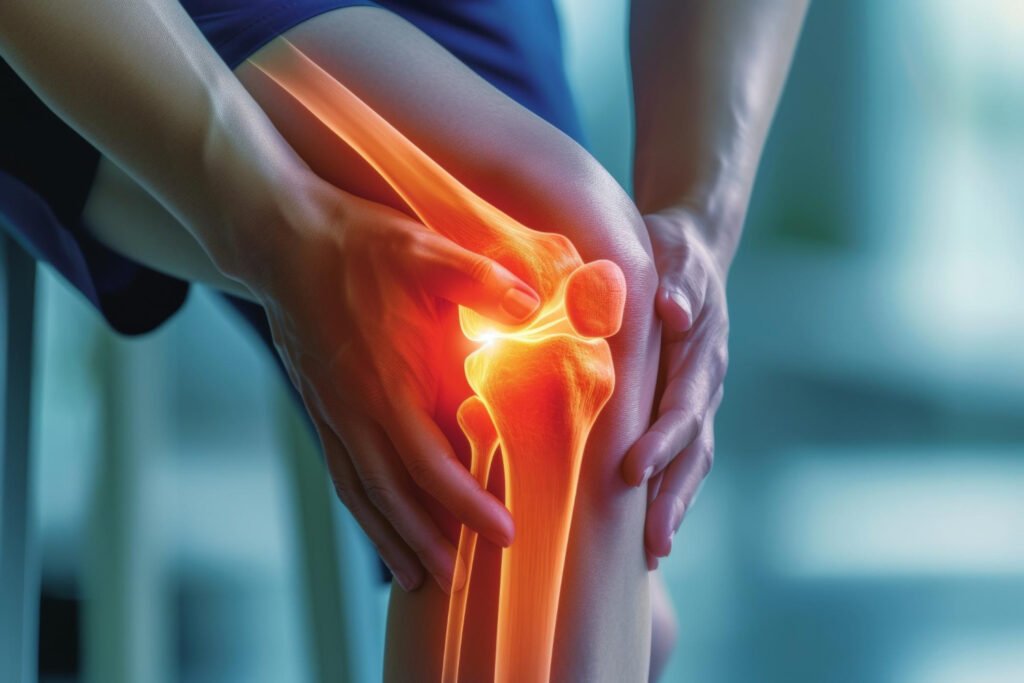
Arthroscopic Meniscus Surgery
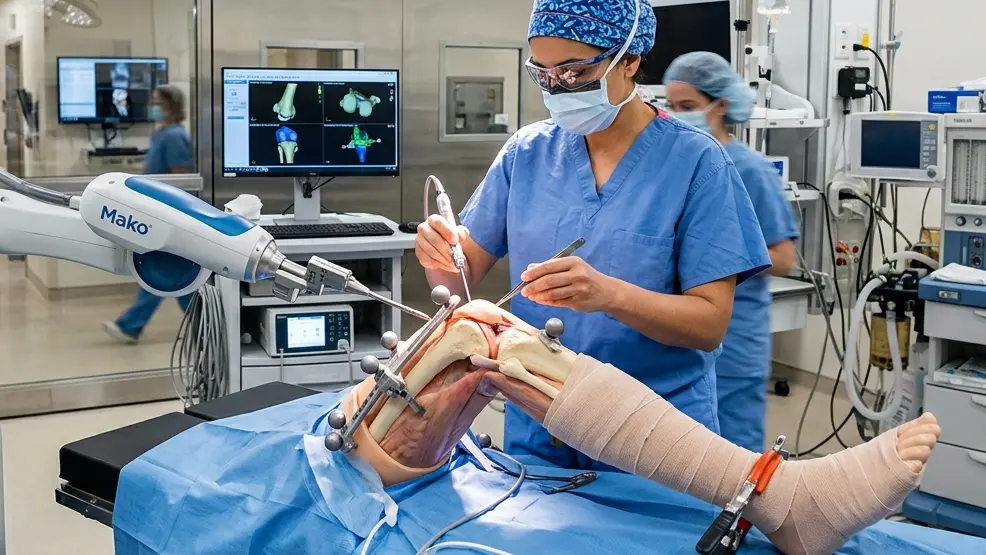
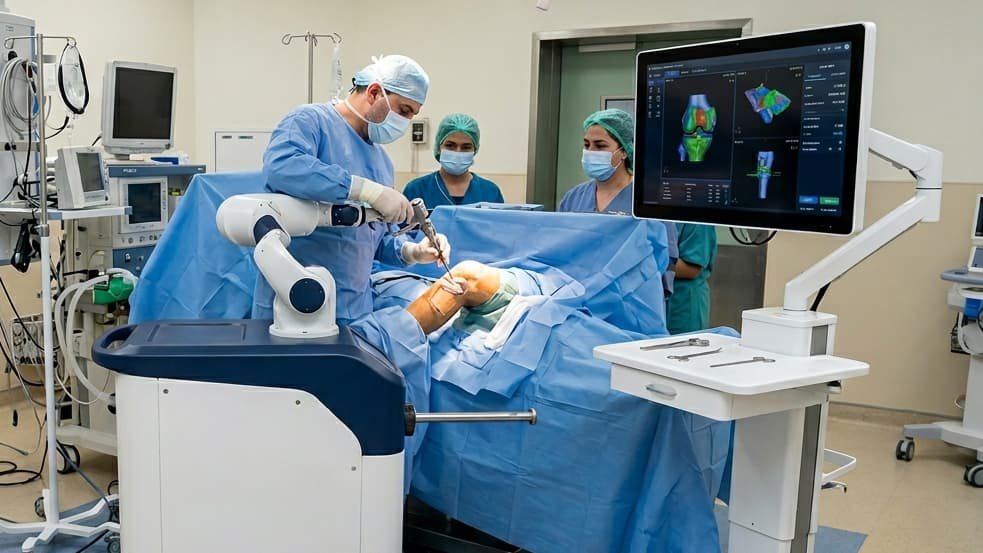
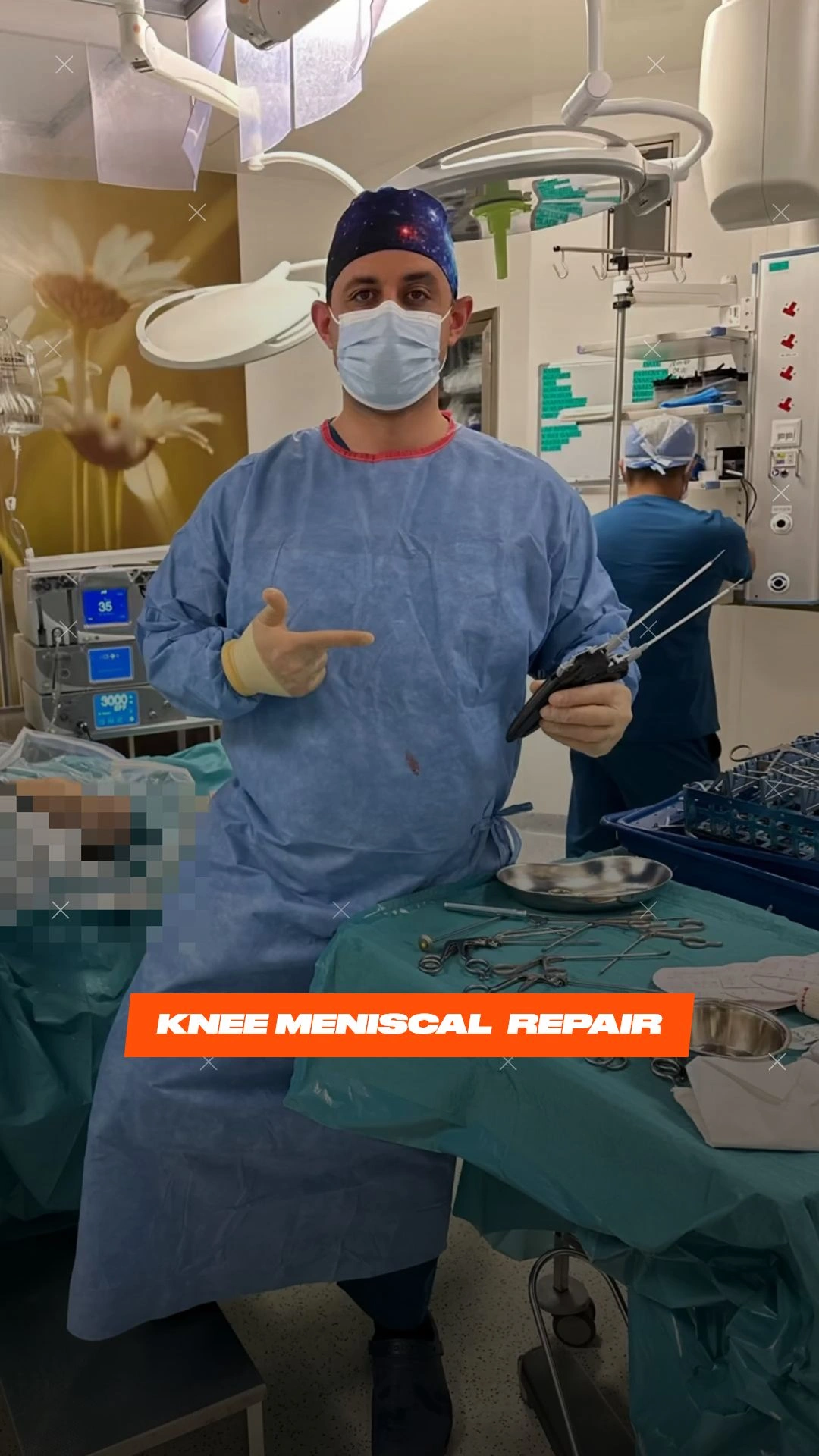
Arthroscopic surgery for meniscus tear is a minimally invasive procedure performed through two or three small incisions around the knee. A high-definition camera (arthroscope) is inserted into the joint, allowing the surgeon to clearly visualize the torn meniscus and surrounding cartilage structures on a monitor.
Using specialized instruments, the damaged portion of the meniscus is either repaired or carefully trimmed while preserving as much healthy cartilage as possible. This precision-based approach improves outcomes and protects long-term knee function.
Most meniscus surgery procedures take approximately 30–60 minutes, depending on whether a meniscus tear repair surgery or partial removal is performed.
Learn more about knee arthroscopyLess tissue trauma
Small incisions reduce muscle and soft tissue disruption during precision surgery.
Reduced pain
Minimally invasive techniques decrease inflammation and immediate discomfort.
Faster early recovery
Patients begin gentle, structured movement soon after the procedure is finished.
Go home same day
Most procedures are completed safely as efficient outpatient clinic surgery.
Less tissue trauma
Small incisions reduce muscle and soft tissue disruption during precision surgery.
Reduced pain
Minimally invasive techniques decrease inflammation and immediate discomfort.
Faster early recovery
Patients begin gentle, structured movement soon after the procedure is finished.
Go home same day
Most procedures are completed safely as efficient outpatient clinic surgery.
Types of Meniscus Surgery
There are several types of meniscus surgery in Sharjah depending on tear type, location, and patient activity level, as well as expected recovery time after meniscus surgery:
Meniscus Repair
The tear is stitched to allow natural healing when blood supply is good. Best for preserving cartilage and supporting better long-term recovery after meniscus surgery.
Partial Meniscectomy
The damaged part of the meniscus is carefully removed to relieve pain and locking, helping improve mobility and reduce pain after meniscus surgery.
Lateral Meniscus Tear Surgery
Treats tears on the outer side of the knee using repair or trimming depending on damage, commonly performed as part of knee meniscus surgery in Sharjah.
Complex Tear Management
Used for large or multi-directional tears that affect knee movement and stability, often requiring advanced techniques to optimize recovery after meniscus surgery.
The choice depends on tear location and patient activity level, as well as factors like how long after meniscus surgery patients can walk, return to activity, and overall recovery expectations.
Meniscus Surgery Steps
Meniscus surgery in Sharjah is performed using minimally invasive arthroscopic techniques to restore smooth knee movement and relieve mechanical symptoms. Each step of the procedure is carefully planned to preserve as much healthy cartilage as possible while addressing the torn area.
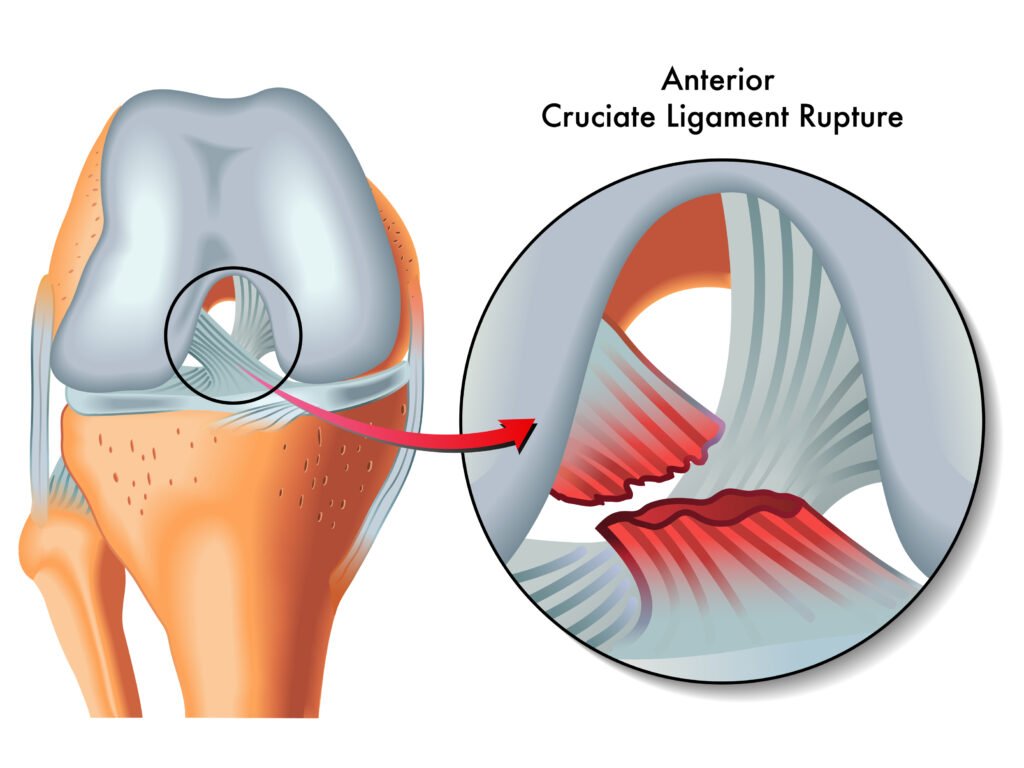
Arthroscopic evaluation of the knee joint
A small camera is inserted through tiny incisions to examine the torn meniscus, cartilage surfaces, and surrounding knee structures with high precision.
Benefits of Meniscus Surgery
Meniscus surgery helps relieve symptoms and restore smooth knee movement. Successful treatment allows patients to move comfortably and return to daily activities with confidence.
Relieves knee locking & catching
Restores smooth joint movement and effectively reduces immediate mechanical blockage.
Reduces pain & swelling
Minimally invasive techniques directly help decrease inflammation and discomfort.
Improves stability & function
Enhances balance and builds deep confidence during complex daily activities.
Relieves knee locking & catching
Restores smooth joint movement and effectively reduces immediate mechanical blockage.
Reduces pain & swelling
Minimally invasive techniques directly help decrease inflammation and discomfort.
Improves stability & function
Enhances balance and builds deep confidence during complex daily activities.
Faster return to normal
Supports safe, rapid progression back to professional work and light athletic exercise.
Protects cartilage health
Prevents further abrasive damage that may otherwise lead to early joint arthritis.
Improves biomechanics
Preserves healthy meniscal tissue to properly support natural joint load distribution.
Faster return to normal
Supports safe, rapid progression back to professional work and light athletic exercise.
Protects cartilage health
Prevents further abrasive damage that may otherwise lead to early joint arthritis.
Improves biomechanics
Preserves healthy meniscal tissue to properly support natural joint load distribution.
Meniscus Surgery Rehabilitation Protocol
Rehabilitation after meniscus surgery in Sharjah progresses in structured phases to support healing, restore knee function, and improve recovery time after meniscus surgery. Following a guided plan with appropriate exercises after meniscus surgery helps reduce pain, improve mobility, and ensure safe return to daily activities.
Swelling Control
Timeline: 0–2 weeksReduce swelling, manage pain after meniscus surgery, and begin safe range-of-motion exercises while protecting the knee and using support such as a knee brace after meniscus surgery if needed.
Strength & Mobility
Timeline: 2–6 weeksImprove quadriceps strength, balance, and normal walking pattern as patients gradually increase activity and reduce dependence on crutches after meniscus surgery.
Functional Training
Timeline: 6–12 weeksAdvance strengthening, coordination, and controlled knee stability to support better recovery after meniscus surgery and improved joint performance.
Return-to-Sport
Timeline: 3–6 monthsGradual return to higher-impact activities and sport-specific training based on individual recovery progress and overall knee condition.
Exercises after meniscus surgery are guided to protect the repair, improve mobility, and support long-term knee health, especially when following a structured rehabilitation plan in Sharjah.
Meniscus surgery is considered a safe and commonly performed procedure. Complication rates are low, and most patients experience significant improvement in pain and knee function when rehabilitation guidelines are followed.
While meniscus surgery is generally safe, potential risks include:
Infection
Rare complication (<1%) minimized with sterile surgical techniques and preventive antibiotics.
Knee stiffness
Temporary stiffness may occur but usually improves with early movement and guided rehabilitation.
Persistent Pain or Re-Tear
Pain after meniscus surgery or re-tear risk may occur, especially if activity is resumed too quickly.
Blood clots (rare)
Uncommon risk reduced through early mobilization and preventive measures.
Why Choose Dr. Ahmed Azmy for Meniscus Surgery in Sharjah?
Backed by 15+ years of experience, global training, and over 2,500 successful procedures, Dr. Ahmed Azmy is a leading orthopedic surgeon in Sharjah, UAE, specializing in advanced meniscus surgery and knee preservation techniques. His approach combines precision, evidence-based care, and personalized treatment planning to achieve faster recovery and long-term joint health for patients across Sharjah, Ajman, and the UAE.
Advanced expertise in meniscus surgery and complex knee injuries.
Precision-driven minimally invasive techniques that support faster recovery time.
Focus on preserving healthy cartilage for long-term knee performance.
Customized rehabilitation plans based on activity level, lifestyle, and recovery goals.
Preferred by athletes and active individuals in Sharjah and nearby Ajman.
Over 15 years of dedicated experience in orthopedic and sports injury care across the UAE.
Trusted by tens of thousands of patients seeking advanced knee treatments in Sharjah.
Extensive track record in performing high-volume, precision-based meniscus procedures.
International fellowship training in Germany with a focus on arthroscopy and joint reconstruction.
Recognized expertise in ligament injuries, knee stability, and meniscus preservation techniques.


How long is meniscus surgery?
Meniscus surgery time typically ranges between 30 and 60 minutes, depending on whether repair or removal is performed. Arthroscopic knee surgery for meniscus tear is usually completed as a same-day procedure.
How long after meniscus surgery can I walk?
Many patients begin walking with support within a few days. Crutches after meniscus surgery may be required temporarily, especially after repair.
What is meniscus tear surgery recovery time?
Meniscus tear surgery recovery time depends on whether the procedure involved partial removal or repair of the torn cartilage. For partial meniscectomy (removal of damaged tissue), most patients recover within 4–8 weeks and can return to normal daily activities relatively quickly. However, if a meniscus repair is performed, recovery typically takes 3–6 months because the tissue must biologically heal. Knee meniscus tear surgery recovery time also varies based on age, overall health, and commitment to rehabilitation. Following a structured physiotherapy program significantly improves healing and long-term knee stability.
What exercises are done after meniscus surgery?
Exercises after meniscus surgery focus on reducing swelling, restoring range of motion, and gradually rebuilding strength. In the early phase, gentle movements such as ankle pumps, straight-leg raises, and controlled knee bending are introduced to prevent stiffness. As healing progresses, quadriceps strengthening, hamstring activation, and balance exercises are added to improve stability. If a meniscus repair was performed, weight-bearing and deep bending may be limited initially to protect the repair. A structured rehabilitation program ensures safe progression and reduces the risk of re-injury while supporting full recovery.
Is meniscus surgery painful?
Mild to moderate pain after meniscus surgery is expected, especially during the first few days. However, discomfort is usually well controlled with prescribed medication, icing, elevation, and early guided movement. Because arthroscopic surgery uses small incisions, tissue trauma is minimized compared to traditional open surgery. Pain levels often improve steadily as swelling decreases and mobility returns. Most patients notice significant relief from the original locking or catching symptoms that prompted surgery. Following postoperative instructions and attending physiotherapy sessions helps manage discomfort and support a smoother recovery process.
How to sleep after meniscus surgery?
After meniscus surgery, sleeping comfortably is important for reducing swelling and supporting healing. Elevating the operated leg on pillows helps improve circulation and minimize inflammation, especially during the first few weeks. It is usually recommended to sleep on your back with the leg slightly elevated and supported under the calf, not directly under the knee, to maintain proper alignment. If side sleeping is preferred, placing a pillow between the legs can reduce pressure on the knee. Following your surgeon’s advice regarding brace use and positioning will further enhance comfort and protect the surgical repair.
Do I need physiotherapy after meniscus surgery in Sharjah?
Yes, physiotherapy is a crucial part of recovery after meniscus surgery in Sharjah. A structured rehabilitation program helps restore knee strength, improve flexibility, and prevent stiffness or re-injury. Most patients begin guided physiotherapy within days after surgery, depending on the procedure type (repair vs. partial removal). In Sharjah, personalized rehab plans are typically designed based on your activity level and recovery goals. Consistent physiotherapy also improves long-term knee stability and function, allowing patients to safely return to daily activities, work, or sports with reduced risk of complications.
When can I drive after meniscus surgery in Sharjah?
The timeline for driving after meniscus surgery in Sharjah depends on which knee was operated on and your recovery progress. For minor procedures, patients may resume driving within 1–2 weeks, while more complex repairs may require 3–4 weeks or longer. You must have full control of your knee, minimal pain, and no reliance on strong pain medications before driving. Doctors in Sharjah usually assess your reaction time and mobility before giving clearance. Following medical advice ensures safety and helps prevent unnecessary strain on the healing knee.
What activities should I avoid after meniscus surgery?
After meniscus surgery, patients should avoid high-impact activities such as running, jumping, deep squatting, and sudden twisting movements during the early recovery phase. These actions can place excessive stress on the healing meniscus and increase the risk of re-injury. Even daily activities like climbing stairs or prolonged standing should be gradually reintroduced. In Sharjah, surgeons typically provide clear guidelines based on your surgery type and recovery stage. Following these restrictions carefully supports proper healing and ensures a smoother, safer return to normal movement.
Can meniscus tears come back after surgery?
While meniscus surgery in Sharjah is highly effective, there is still a small risk of re-tear, especially if the knee is exposed to excessive stress too early. Factors such as returning to sports too quickly, poor rehabilitation, or underlying knee instability can increase this risk. However, with proper surgical technique, structured rehabilitation, and adherence to recovery guidelines, most patients achieve long-term success. In Sharjah, specialists focus on both surgical precision and post-operative care to minimize recurrence and help patients maintain strong, stable knee function.
contact us today and start your journey to optimal health and performance.
Location
Sharjah, UAE
Phone
Working Hours
Saturday – Thursday: 9AM – 7PM
Friday : OFF
Thank you — your message was sent.