Patient Connection Hub Assess your pain

Knee Arthroscopy surgery in Sharjah : Restore Knee Function with Minimally Invasive Surgery

Persistent knee pain, swelling, or limited motion may indicate underlying joint damage. Knee arthroscopy surgery, performed by Dr. Ahmed Azmy, offers a precise, minimally invasive solution to diagnose and treat knee conditions, including meniscus injuries, ligament tears, and cartilage problems. This outpatient procedure minimizes tissue trauma, accelerates healing, and helps patients return to daily activities and sports safely.

What is Knee Arthroscopy?

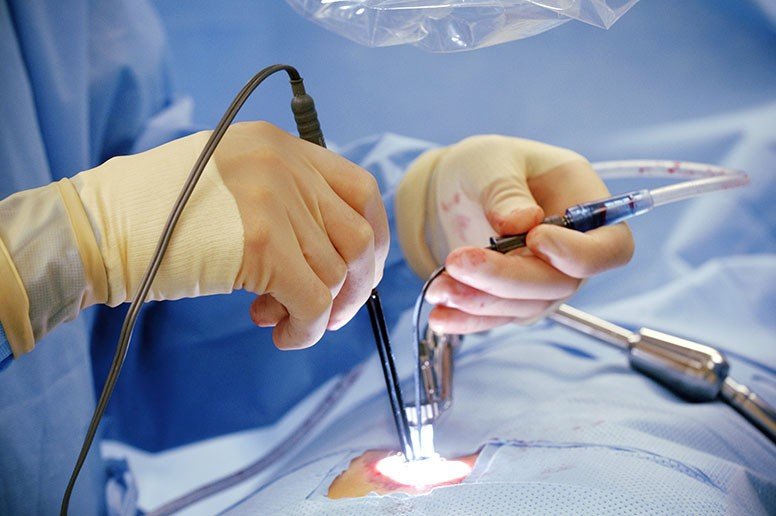
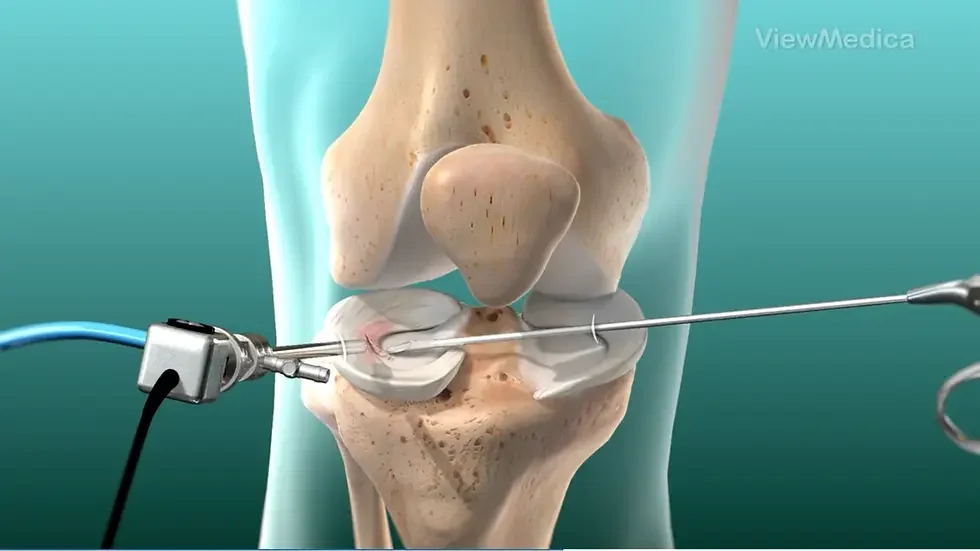
Knee arthroscopy is a surgical technique that allows orthopedic surgeons to examine, diagnose, and treat knee joint issues using a small camera and instruments inserted through tiny incisions.

Key Points:

  • Enables precise evaluation of cartilage, ligaments, and meniscus
  • Minimally invasive, reducing pain and promoting quicker recovery
  • Can repair or remove damaged tissue depending on injury severity

When Is Knee Arthroscopy Needed?

Knee arthroscopy is indicated when non-surgical treatments fail or when structural damage requires surgical intervention.

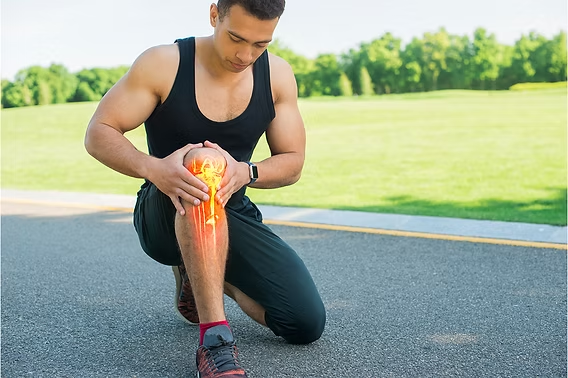
Persistent Pain

Pain continues despite conservative therapy like physical therapy or medication.

Joint Locking

Knee locks, catches, or is unable to fully straighten during movement.

Tears

Ligament or Meniscus Tear confirmed by MRI, causing instability or giving way.

Cartilage

Deterioration or loose fragments (loose bodies) affecting joint function.

Combined

Complex injuries, like a Meniscus tear with ACL or other ligament injury.

Knee Arthroscopy Recovery Time

Recovery after knee arthroscopy is a gradual process that focuses on restoring mobility, strength, and overall knee function. The timeline varies depending on the procedure performed.
Early Movement

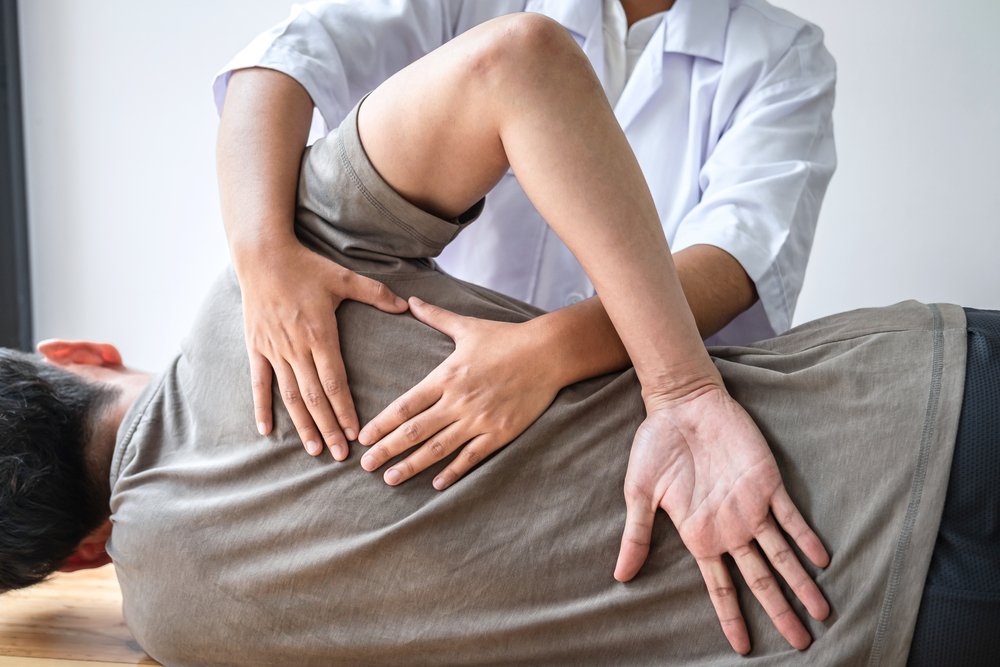
Early Movement

Gentle motion starts within days to prevent stiffness and promote early circulation.

Pain Management

Pain Management

Use prescribed medication, ice, and elevation to effectively reduce discomfort.
Rehabilitation

Rehabilitation

Guided physiotherapy plays a crucial role in improving strength, stability, and long-term joint health.
Partial Meniscectomy

Partial Meniscectomy

Most patients return to their normal daily activities within 4–6 weeks.
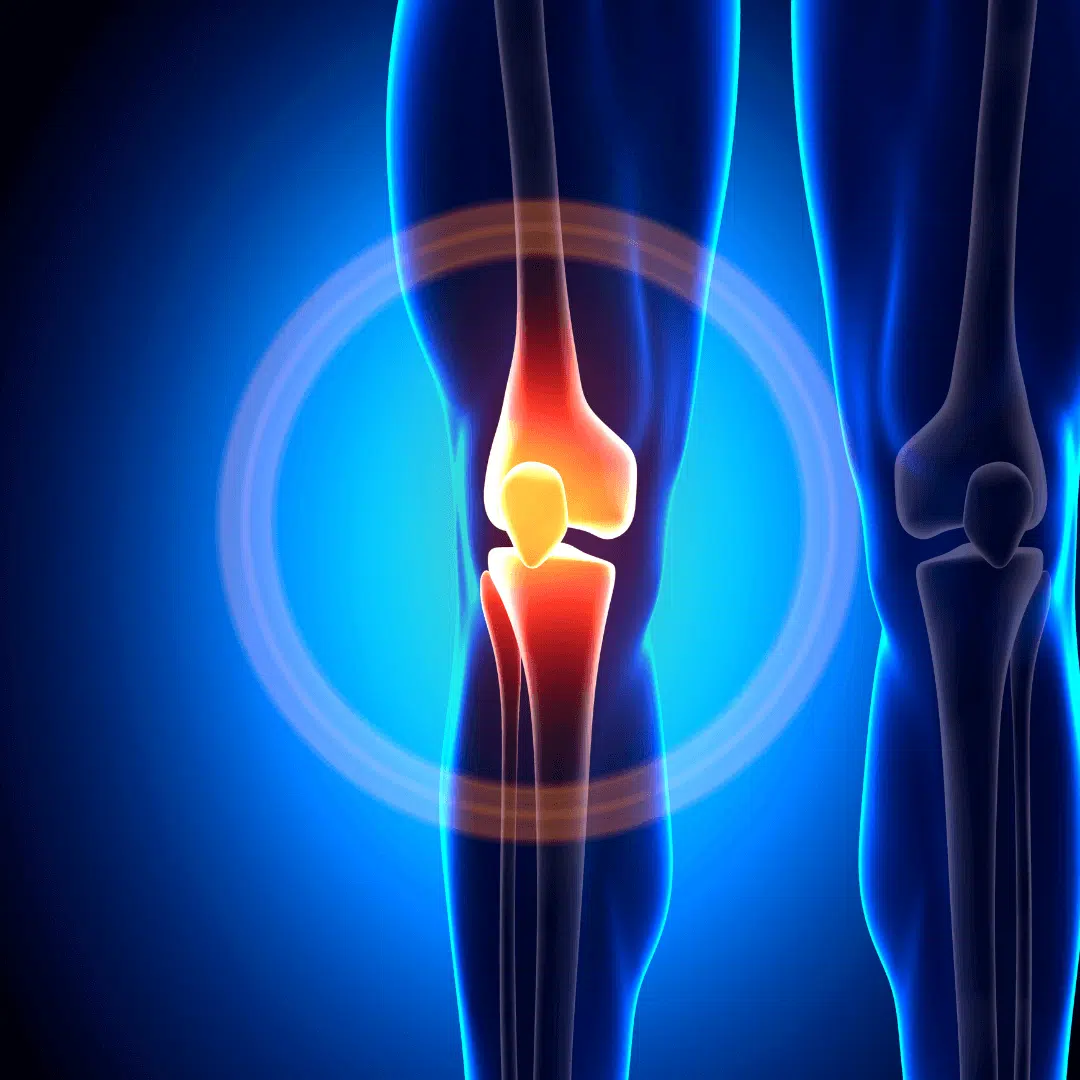
Patient Factors

Patient Factors

Age, injury severity, and strict adherence to exercises heavily influence your recovery speed.
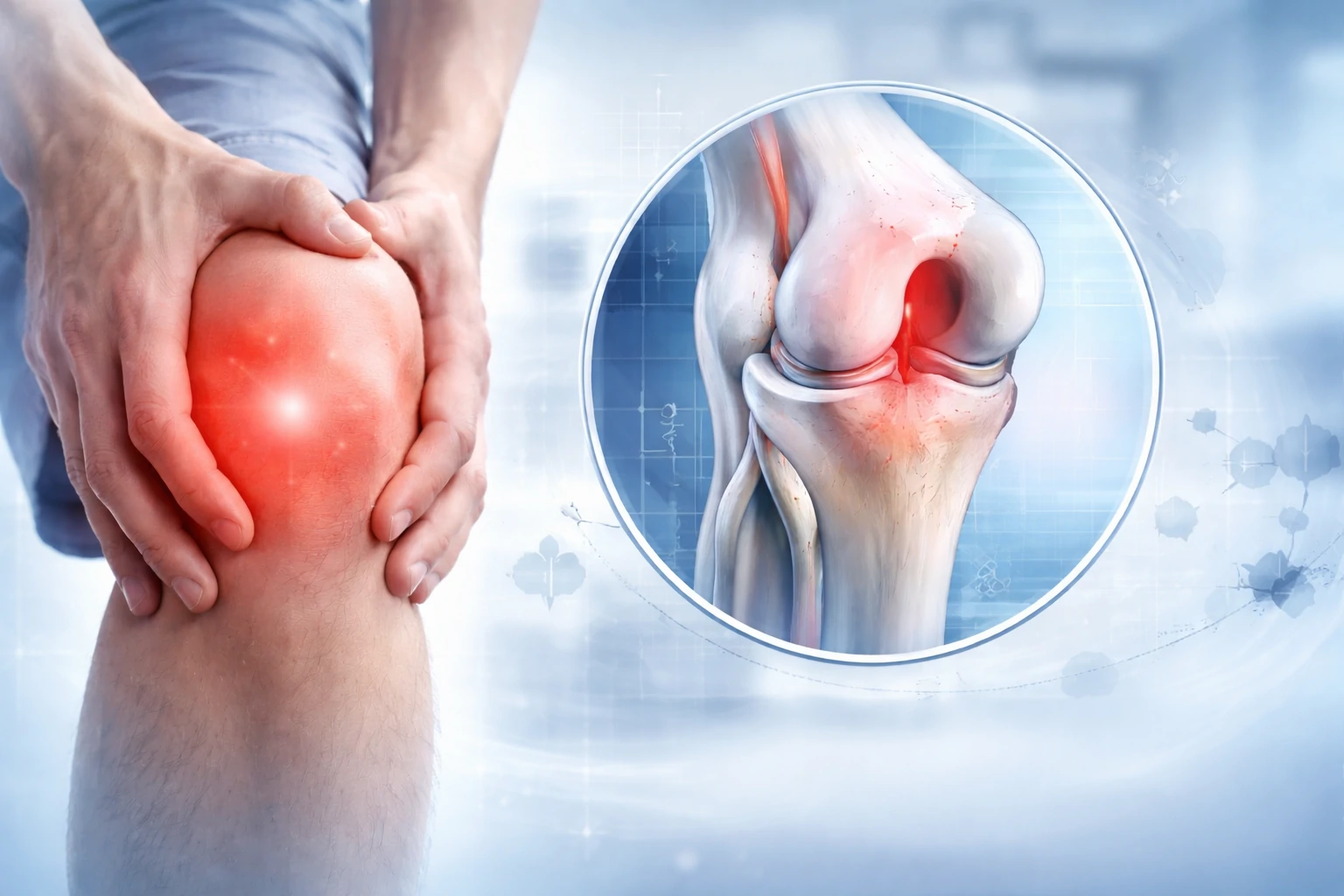
Repair Procedures

Repair Procedures

Meniscus or ligament repairs are delicate and generally require 3–6 months for full tissue healing and clearance for sports.

Preparing for Knee Arthroscopy

Proper preparation is the cornerstone of a successful surgery and a seamless recovery journey. By following these essential preoperative steps, you ensure the best possible environment for your knee to heal.

01

Preoperative Evaluation

Clinical Assessment:

A physical examination to evaluate the knee's stability and range of motion.

Diagnostic Imaging:

Reviewing MRI scans to confirm the exact location and extent of the joint damage, allowing for a tailored surgical plan.

02

Health & Medication

Medical History Review:

Managing any co-existing conditions (like hypertension or diabetes) to minimize surgical risks.

Medication Management:

Guidance on adjusting or temporarily pausing specific medications, such as blood thinners or anti-inflammatory drugs, prior to the procedure.

03

Prehabilitation

Muscle Conditioning:

Targeted exercises to strengthen the quadriceps and hamstrings, which provide vital support to the knee joint.

Restoring Flexibility:

Low-impact movements designed to reduce joint stiffness, making your post-surgical physical therapy much more effective.

04

Surgery Planning

Procedural Briefing:

A clear discussion regarding anesthesia options and the specific steps of your arthroscopy, and post-op care.

Benefits of Knee Arthroscopy

Knee arthroscopy offers multiple advantages by addressing joint damage with minimally invasive techniques. Patients experience reduced pain and swelling, faster recovery, and improved knee function.

Reduces Pain & Swelling

Minimally invasive procedure helps decrease discomfort, inflammation, and mechanical symptoms in the knee.

Preserves Healthy Tissue

Arthroscopic techniques focus on maintaining healthy cartilage and ligaments for long-term joint function.

Faster Return to Activities

Patients can resume work, sports, and daily tasks sooner compared to traditional open surgery.

Minimally Invasive

Small incisions minimize scarring, reduce post-operative discomfort, and promote quicker recovery.
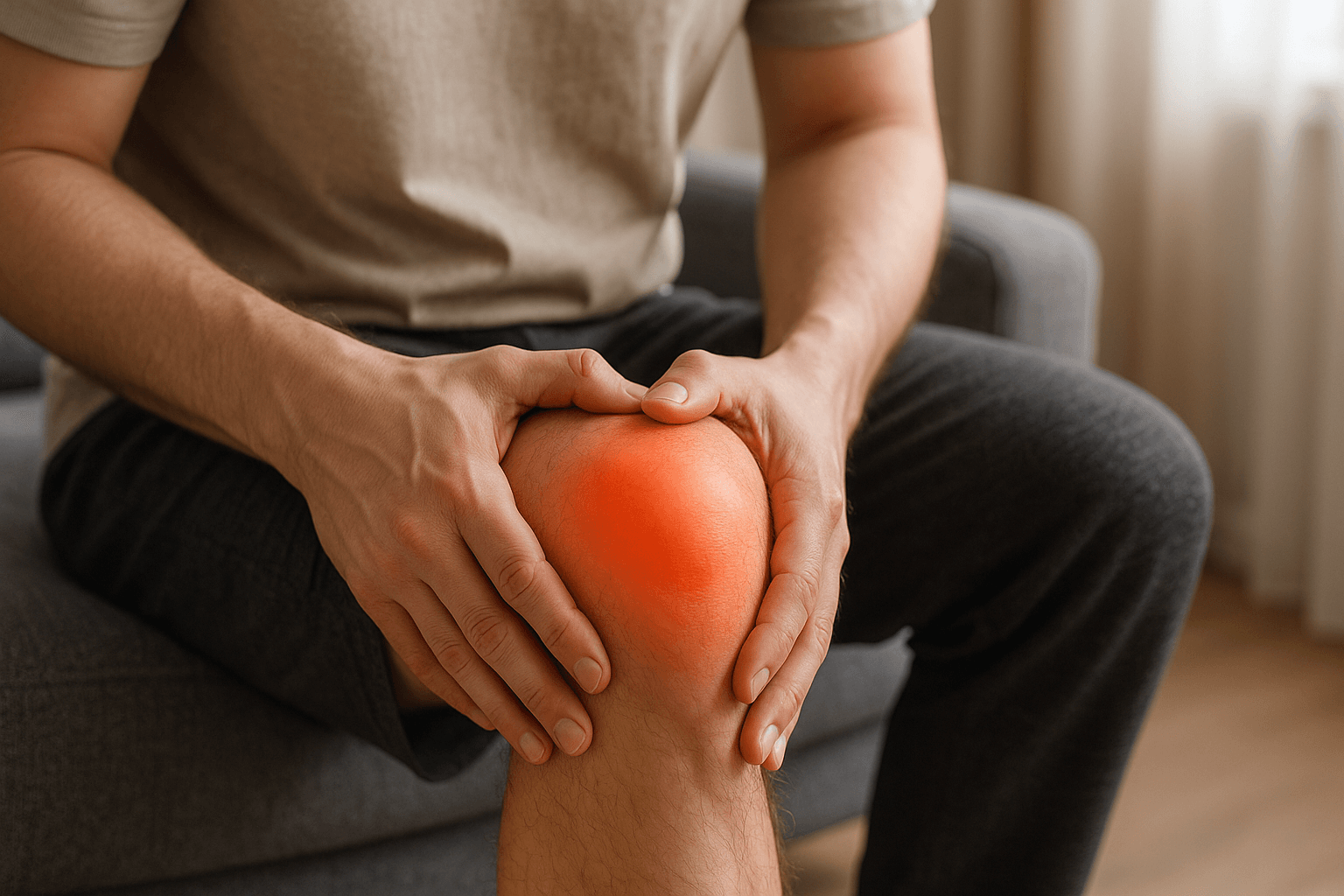
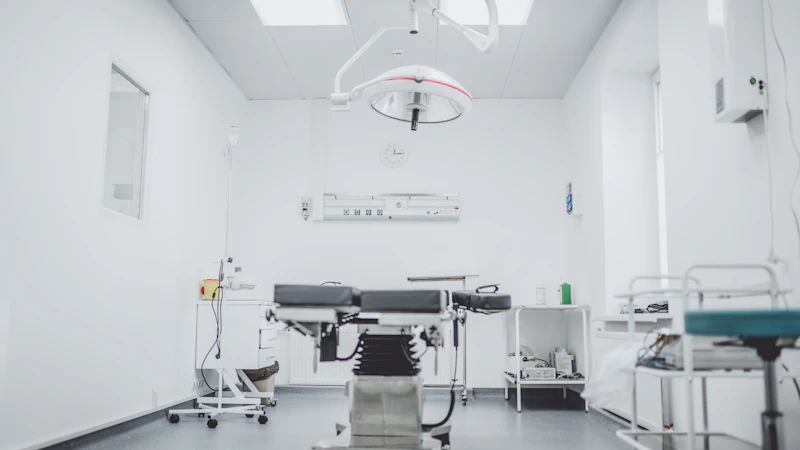
Reduces Pain Preserves Tissue Return to Activities Minimally Invasive

Types of Knee Arthroscopy

Different arthroscopic procedures are used to treat specific knee injuries, ranging from meniscus repair to ligament reconstruction and cartilage smoothing.

01

Meniscus Repair

Stitch torn meniscus to heal naturally without removing healthy tissue.

02

Partial Meniscectomy

Remove damaged meniscus portion for immediate pain relief and mobility.

03

Ligament Repair

Repair ACL, PCL, or other ligament injuries to restore full joint stability.

04

Cartilage Smoothing

Debridement to smooth damaged cartilage for better, friction-free joint function.

05

Targeted Arthroscopy

Focused intervention specifically designed for right knee pathology.

Real Patients, Real Results

Knee Arthroscopy Surgery Steps

Knee arthroscopy is performed through a series of precise steps to ensure effective treatment while minimizing tissue damage.

1 STEP
Step 1

Joint Inspection

Arthroscope is inserted through a small incision to examine the knee joint, assess cartilage, ligaments, and meniscus damage.

Step 2

Tear Identification

The surgeon identifies the type, size, and exact location of the injury to plan the appropriate repair or removal.

Step 3

Tissue Preparation

Damaged tissue edges are carefully cleaned and prepared to allow for secure repair or safe removal of the injured area.

Step 4

Repair or Removal

The torn meniscus or damaged tissue is stitched or trimmed while preserving healthy cartilage for optimal joint function.

Step 5

Movement Assessment

After repair, the knee is gently moved to check stability, ensure smooth motion, and confirm proper alignment.

Step 6

Closure

Instruments are removed, small incisions are closed with sutures or adhesive, and a sterile dressing is applied.

Risks & Outcomes

Knee arthroscopy is generally safe, but like all surgical procedures, it carries some risks. Understanding potential complications helps patients make informed decisions.
Infection Risk

Infection

+

Rare risk (<1%) due to minimally invasive technique; prevented with sterile instruments and antibiotics.

Knee Stiffness

Knee Stiffness

+

Temporary stiffness can occur but usually improves with early motion exercises and guided rehab.

Persistent Pain

Persistent Pain

+

Some patients may experience pain or partial re-tear, especially if activity is resumed too soon.

Blood Clots

Blood Clots

+

Rare occurrence; risk is significantly minimized with early mobilization and adherence to post-op instructions.

Rehabilitation Protocol

A structured rehabilitation protocol is essential after knee arthroscopy to restore strength, mobility, and stability. Following a phased program helps patients safely regain full function.

Phase 1
0–2 weeks

Focus on reducing swelling and performing gentle range-of-motion exercises.

Phase 2
2–6 weeks

Begin strengthening exercises for quadriceps, hamstrings, and core stability.

Phase 3
6–12 weeks

Advance functional training, balance, and controlled knee stability exercises.

Phase 4
3–6 months

Gradual return to higher-impact activities and sport-specific training.

Why Choose Dr. Ahmed Azmy?

Trusted by Athletes Across UAE

  • Over 20 years of orthopedic practice with thousands of successful knee arthroscopy procedures. 
  • Specializes in advanced arthroscopic techniques to preserve healthy tissue and minimize recovery time. 
  • Tailored treatment plans and recovery strategies designed to meet each patient’s activity level and goals. 
  • Evidence-based physiotherapy protocols ensure safe, efficient recovery and restore full knee function.

Frequently Asked Questions About Knee Injury Treatment

 Knee arthroscopy can address current joint issues, such as meniscus tears, loose cartilage, or ligament damage, which, if untreated, might lead to long-term complications like arthritis. While it does not stop aging-related changes, repairing damaged tissue helps maintain joint alignment and function. Early intervention reduces the risk of progressive wear and supports healthier knee mechanics, especially for active patients or athletes. Regular follow-up and adherence to rehabilitation exercises further enhance long-term joint health.

 Not always. Knee arthroscopy can be performed under general anesthesia, regional anesthesia (spinal or epidural), or local anesthesia with sedation. The choice depends on the complexity of the procedure, patient comfort, and medical history. Local or regional anesthesia often allows faster recovery and reduces post-operative nausea, while general anesthesia is preferred for more extensive repairs. Your surgeon will recommend the safest option tailored to your needs.

 Yes. Age alone is not a contraindication for knee arthroscopy. Surgeons assess overall health, comorbidities, and joint condition before recommending surgery. Older patients may benefit from minimally invasive techniques, which reduce recovery time and surgical stress. Prehabilitation and careful post-operative monitoring are crucial to ensure safety, manage pain, and restore mobility efficiently.

 Driving is usually not recommended until the patient can control the leg comfortably and is no longer taking sedating pain medications. For partial meniscectomy, many patients resume driving in 1–3 weeks, while ligament repairs or complex procedures may require 6–8 weeks. Always follow your surgeon’s guidance to ensure safety and prevent complications.

 Knee arthroscopy is not a primary treatment for advanced osteoarthritis. However, it can relieve symptoms in early-stage arthritis or for specific issues like loose fragments, cartilage tears, or mild meniscus degeneration. It is most effective when combined with rehabilitation and lifestyle modifications, aiming to reduce pain and improve mobility without replacing the joint.

 Depending on the type of repair, a knee brace may be recommended temporarily. Meniscus or ligament repairs often require a supportive brace to limit movement, protect healing tissue, and promote stability. Partial meniscectomy usually does not require bracing. Your surgeon will provide instructions based on your procedure and recovery plan.

 Yes, with guidance. Early exercises after knee arthroscopy​ like ankle pumps and gentle leg lifts can be performed at home. However, structured physiotherapy sessions are important to ensure correct form, progression, and safety. A combination of supervised therapy and home exercises maximizes recovery while preventing re-injury.

 Patients are closely monitored through post-operative follow-ups, imaging if needed, and regular physiotherapy assessments. Early signs of infection, stiffness, or unusual pain are addressed promptly. Following rehabilitation protocols, keeping incisions clean, and reporting symptoms early reduce the risk of complications and improve overall outcomes.

 In some cases, a second arthroscopic procedure may be necessary if symptoms persist or new injuries occur. Repeat surgery is carefully evaluated, considering prior repairs and joint health. Surgeons use advanced imaging and assessment to determine the safest and most effective approach for a second intervention.

 Maintaining a healthy weight, avoiding high-impact activities during early recovery, and following a balanced diet support tissue healing. Low-impact exercises like swimming or cycling can improve mobility without stressing the knee. Consistent adherence to physiotherapy, avoiding prolonged inactivity, and wearing supportive footwear are crucial for long-term joint health and preventing recurrence.

Take the First Step to Recovery

contact us today and start your journey to optimal health and performance.

Location

Sharjah, UAE

Working Hours

Saturday – Thursday: 9AM – 7PM
Friday : OFF

Contact Form dr