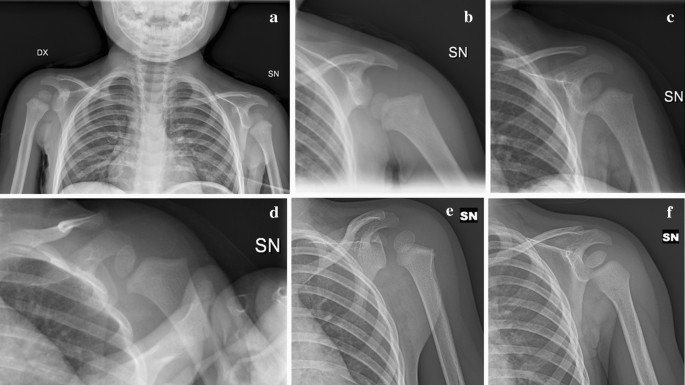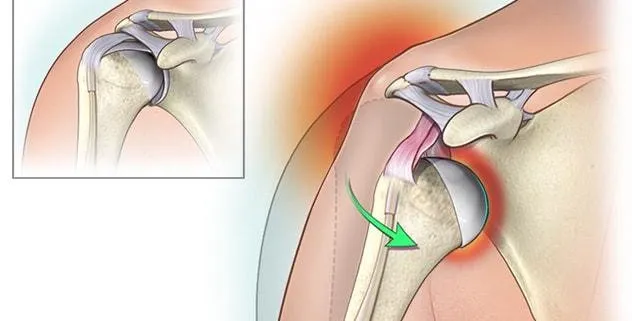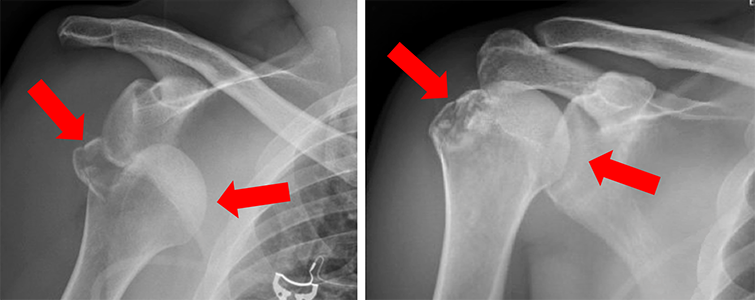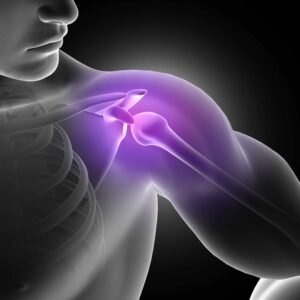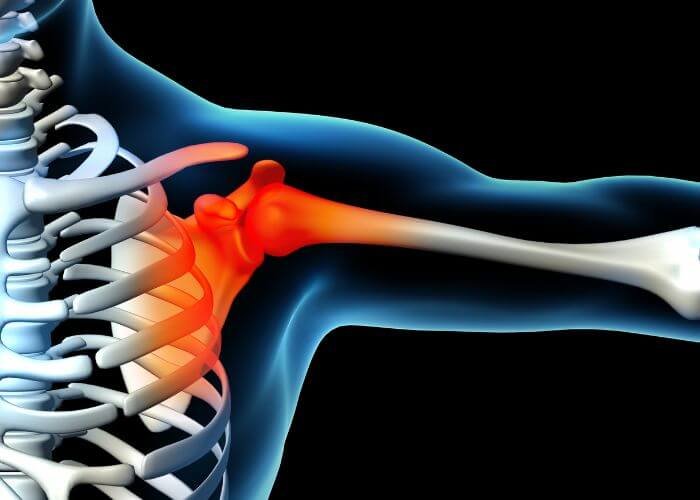
A dislocated shoulder occurs when the upper arm bone is forced out of the shoulder socket, leading to severe pain, instability, and limited movement. This type of shoulder joint dislocation is common in sports injuries, falls, and trauma. Without proper care, it may lead to repeated dislocations and long-term complications. Early shoulder dislocation treatment is essential to restore alignment, prevent recurrence, and ensure full recovery.
A shoulder dislocation occurs when the upper arm bone (humerus) is forced out of the shoulder socket, either partially or completely.
The shoulder is the body’s most mobile joint, relying heavily on soft tissues—ligaments, tendons, and muscles—for stability.
Dislocation often damages these supporting structures, which can lead to chronic instability, weakness, and a higher risk of future occurrences.
Severe cases may involve additional complications such as cartilage damage, ligament tears, or fractures.
Proper treatment and rehabilitation are essential to prevent long-term joint issues and recurring injuries during movement.
Shoulder dislocations are classified based on the direction of displacement and severity. Understanding shoulder dislocation types helps guide proper diagnosis and treatment planning.
01
The most common type, where the arm bone moves forward out of the socket. Often caused by falls or sports injuries.
02
Less common, where the bone moves backward. May occur due to seizures or trauma.
03
A rare type where the arm is forced downward, often associated with severe injury.
04
The joint partially slips out but returns to position. Known as a partially dislocated shoulder.
05
Occurs when a dislocation is combined with a bone fracture, known as fracture dislocation shoulder.
A dislocated shoulder typically causes immediate and noticeable symptoms that require urgent medical attention. Recognizing dislocated shoulder symptoms early helps prevent complications and ensures proper treatment.
Sudden and intense dislocated shoulder pain after injury. Pain increases with any movement.
Shoulder appears out of place or misshapen. Clear sign of shoulder joint dislocation.
Inability to move or lift the arm normally. Severe restriction due to joint displacement.
Inflammation develops around the joint. May worsen within hours after injury.
Nerve irritation may cause numbness in the arm or hand. Requires immediate evaluation.
Feeling that the shoulder may “slip out” again. Common after previous injuries.
Shoulder injuries are often confused. Understanding the difference between shoulder separation vs dislocation is essential for accurate diagnosis and choosing the correct treatment approach.
A shoulder joint dislocation occurs when the upper arm bone comes out of the socket, requiring immediate medical attention.
The shoulder may appear visibly out of place with intense dislocated shoulder pain and inability to move the arm.
Treatment often involves shoulder dislocation reduction to reposition the joint safely.
Diagnosis uses shoulder dislocation radiology, including shoulder dislocation X-ray or MRI to confirm joint displacement.
A separation affects the acromioclavicular (AC) joint, where ligaments are stretched or torn but the joint remains aligned.
Pain is usually localized at the top of the shoulder without major deformity.
Most cases improve with rest, support, and physiotherapy.
Diagnosis is often based on physical exam and symptom location.
A shoulder dislocation usually results from trauma or excessive force applied to the joint. Understanding common shoulder dislocation causes helps reduce risk and prevent recurrence.
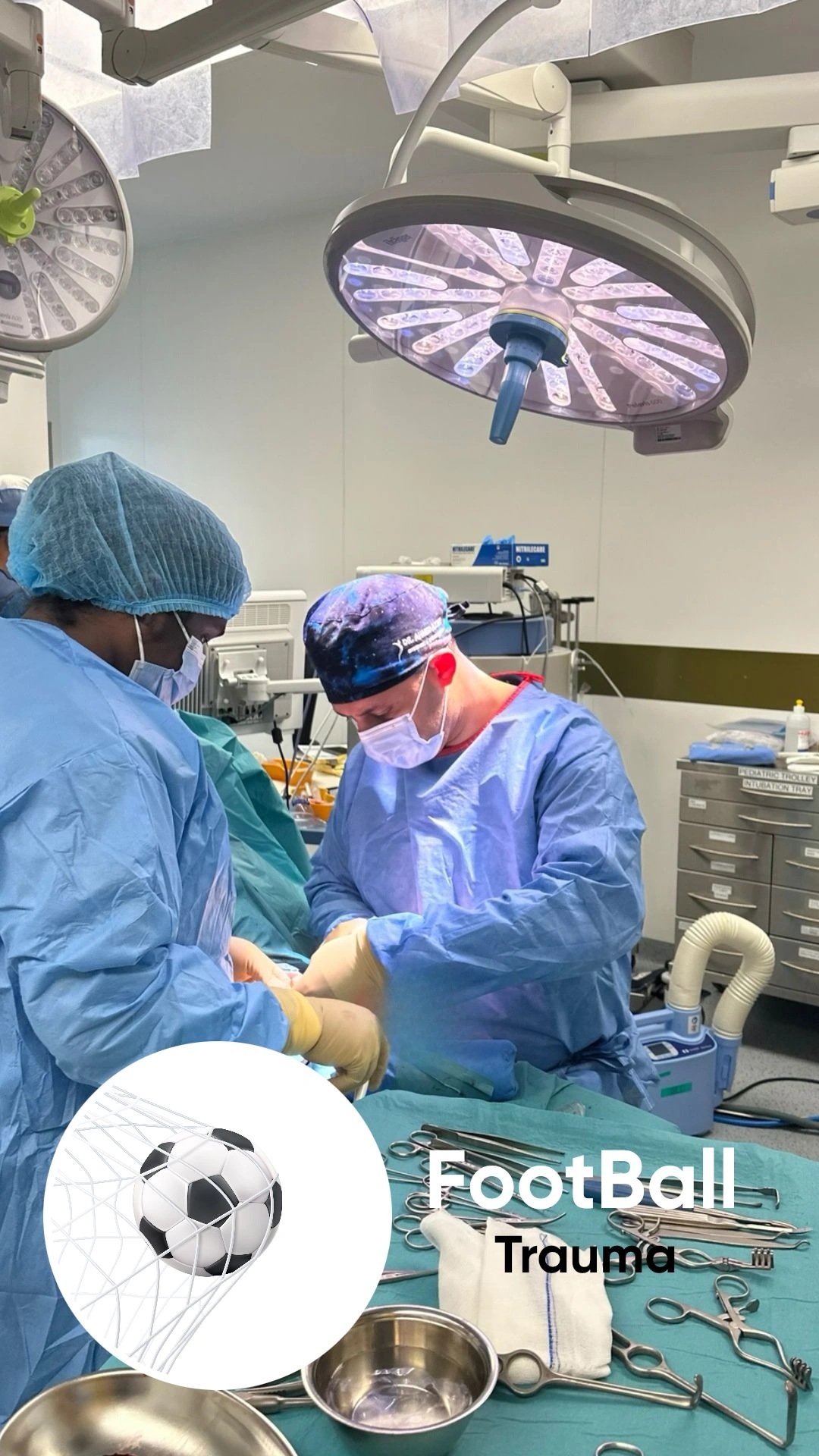
Contact sports such as football, basketball, or rugby, as well as activities involving overhead motion, can place extreme stress on the shoulder joint. A fall or collision can force the arm into an abnormal position.
Falling onto an outstretched hand or directly onto the shoulder is one of the most common causes of shoulder joint dislocation. This can occur during daily activities, workplace accidents, or slips.
A strong pull, twist, or sudden force applied to the arm can dislocate the shoulder. In severe cases, this can lead to a complete dislocation or even a fracture dislocation of the shoulder.
Some individuals naturally have looser or weaker ligaments, making the shoulder less stable. This condition increases the risk of repeated dislocations, even with minor movements.
Once a shoulder has been dislocated, the supporting tissues may not fully regain their original strength. This makes the joint more prone to slipping out again, especially during physical activity.
Accurate shoulder dislocation diagnosis is essential to confirm the type of injury, assess joint damage, and guide the most effective shoulder dislocation treatment.
Assessment of shoulder position, pain level, and range of motion. Visible deformity is a strong indicator of a dislocated shoulder, helping identify instability or recurrent dislocation risk.
Specific clinical maneuvers to assess joint stability. Helps confirm shoulder joint dislocation and detect ligament damage, which is important in evaluating recurrent instability.
First-line imaging using shoulder dislocation X-ray. Confirms joint displacement and rules out fractures, making it essential in emergency diagnosis.
Provides detailed view of soft tissue damage using shoulder dislocation radiology. Detects ligament tears, cartilage injury, and associated conditions for long-term treatment planning.
Used in complex cases such as fracture dislocation shoulder. Provides highly detailed bone structure analysis to ensure precise diagnosis.
Evaluates shoulder movement after reduction. Helps guide shoulder dislocation rehabilitation and recovery planning to prevent recurrence.
Get diagnosed by clinical experts using advanced orthopedic procedures.
Recognizing when to seek medical care is critical after a shoulder dislocation, as delayed treatment can lead to instability, repeated injuries, and long-term complications.
Sudden, intense dislocated shoulder pain after a fall, accident, or sports injury. Shoulder appears out of place or uneven, indicating a possible shoulder joint dislocation requiring urgent care.
Restricted movement or complete loss of function. May indicate ligament damage or a fracture dislocation shoulder requiring immediate evaluation.
Sensation changes due to possible nerve involvement. Needs urgent medical assessment to prevent long-term complications.
Shoulder feels like it may slip out again during movement. Common after previous injuries and may require structured shoulder dislocation rehabilitation.
Sensation changes due to possible nerve involvement. Needs urgent medical assessment to prevent long-term complications.
Shoulder feels like it may slip out again during movement. Common after previous injuries and may require structured shoulder dislocation rehabilitation.
Sudden, intense dislocated shoulder pain after a fall, accident, or sports injury. Shoulder appears out of place or uneven, indicating a possible shoulder joint dislocation requiring urgent care.
Restricted movement or complete loss of function. May indicate ligament damage or a fracture dislocation shoulder requiring immediate evaluation.
Effective shoulder dislocation treatment focuses on safely repositioning the joint, relieving pain, restoring stability, and preventing future dislocations based on the severity of the injury.
Non-surgical care is the first-line approach for most first-time dislocations and mild instability cases.
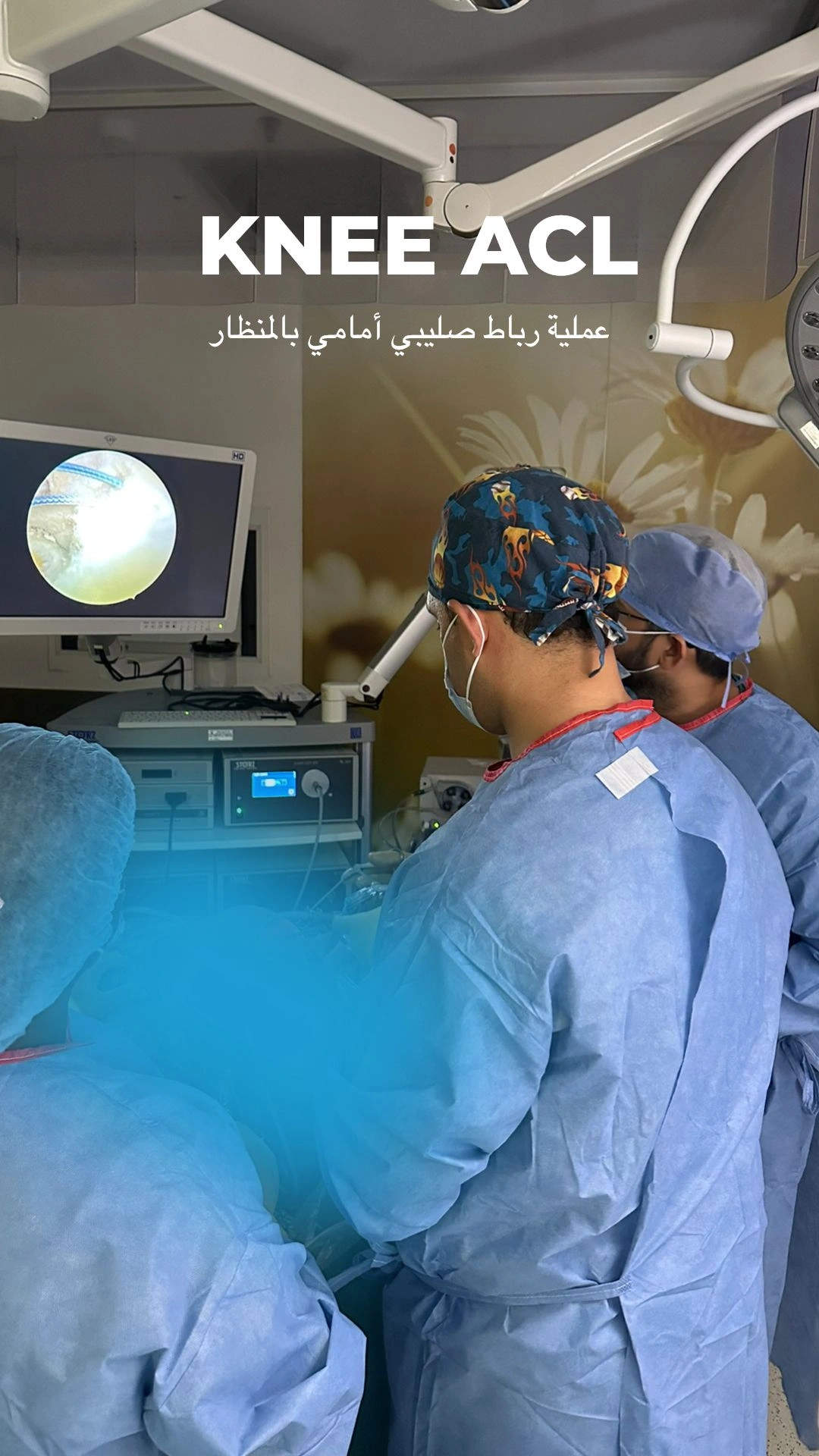
Surgery may be required when the shoulder is unstable or dislocations occur repeatedly to restore joint integrity, especially in active individuals or athletes.
Consult with our orthopedic specialists for advanced treatment planning.
Recovery after a dislocated shoulder depends on the severity of the injury, type of treatment, and how well rehabilitation is followed. A structured program is essential to restore stability and prevent recurrence.
Immobilization using a sling, pain control, and reduction of inflammation after shoulder dislocation reduction.
Gentle movement begins to restore range of motion and prevent stiffness after a partially dislocated shoulder.
Gradual strengthening through shoulder dislocation physiotherapy to improve joint stability and prevent recurrence.
Controlled return to sports and daily activities following shoulder dislocation surgery or stabilization procedures.
Rehabilitation exercises are a key part of recovery, helping restore strength, stability, and normal movement. These exercises should always be performed under professional guidance.
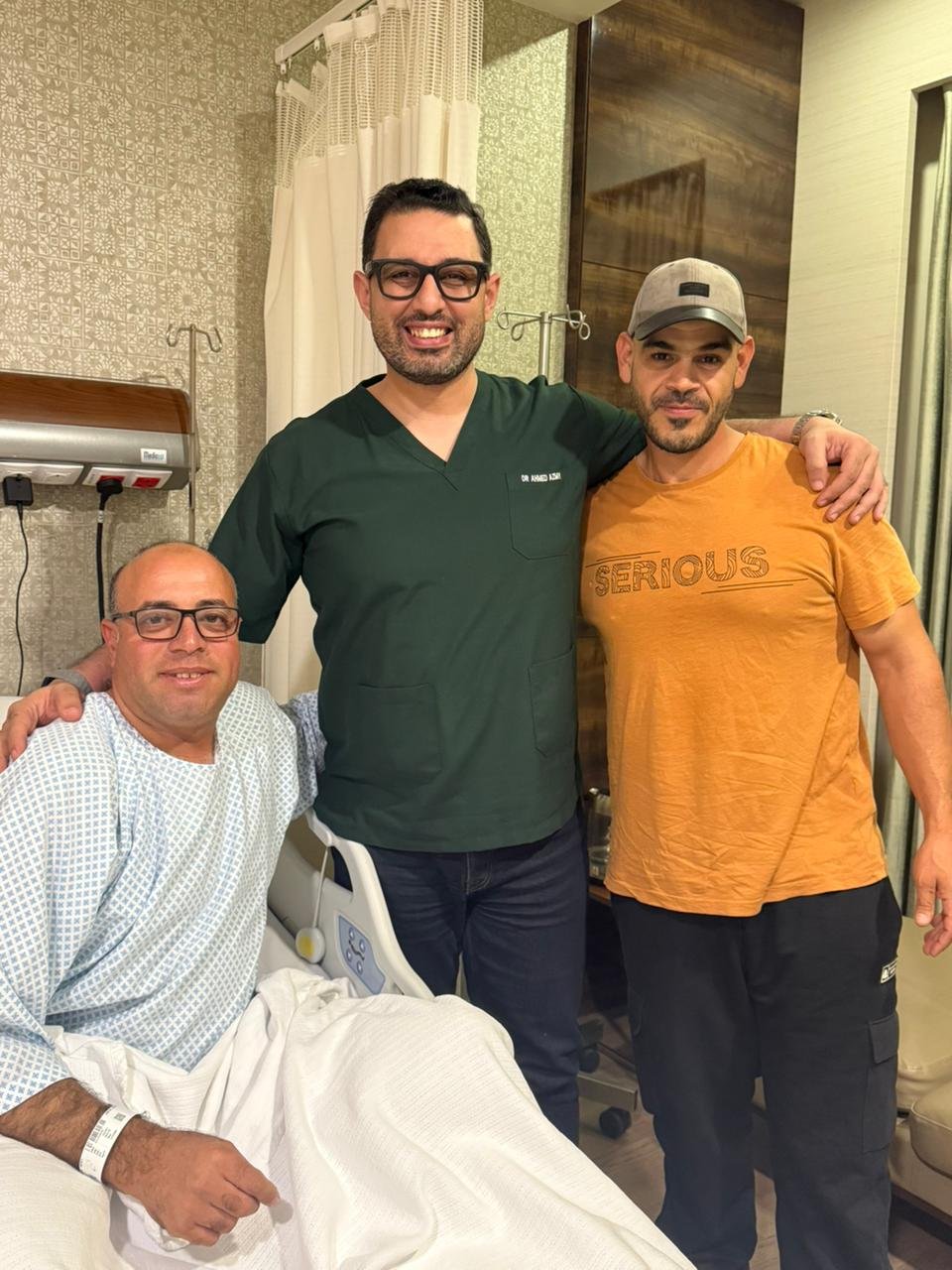
Choosing the right specialist is essential for successful shoulder dislocation treatment. Dr. Ahmed Azmy offers expert care in Sharjah, combining advanced German techniques with a personalized approach.


Real recovery stories from patients who underwent successful shoulder dislocation treatments, surgeries, and rehabilitation programs under the care of Dr. Azmy.
"Dr. Azmy is incredibly professional. He performed my shoulder reduction instantly after a sports injury, and the recovery plan was flawless."
"I had a complex fracture dislocation from a car accident. Dr. Azmy’s surgical expertise saved my arm mobility. I highly recommend his clinic."
"My shoulder used to slip out frequently. After Dr. Azmy’s arthroscopic stabilization, my shoulder feels solid and stable again."
"Excellent clinical approach. Diagnosed my AC joint separation clinically without rushing me into unnecessary surgeries. Very honest doctor."
"As an athlete, I thought my career was over after the dislocation. Dr. Azmy’s rehabilitation guide got me back on the field safely."
"Exceptional care and deep medical knowledge. The chronic dislocated pain is completely gone thanks to Dr. Azmy’s persistent follow-ups."
"My diagnosis was complicated, but Dr. Azmy caught the posterior displacement via radiology instantly. A truly brilliant diagnostic mind."
"Had a successful shoulder arthroscopy with Dr. Azmy. Minimal scarring, almost zero postoperative pain, and excellent recovery tracking."
"I suffered from partial dislocations for months. The tailored strengthening exercises provided by Dr. Azmy fixed the joint laxity perfectly."
"Brought my son to Dr. Azmy with an acute shoulder dislocation. The doctor was calm, reassuring, and popped it back under precise control."
"Detailed MRI analysis and honest counseling. Dr. Azmy explained my shoulder ligament options transparently. Trustworthy specialist."
"After visiting three different orthopedics, Dr. Azmy was the only one who provided a permanent solution for my chronic joint dislocation."
The dislocated shoulder recovery time varies depending on the severity of the injury and treatment method. Mild cases may recover within 2–6 weeks with proper rest and shoulder dislocation rehab, while more complex injuries or surgical cases can take 3–6 months. Full healing also depends on how well the patient follows physiotherapy and strengthening exercises. Even after pain subsides, continued shoulder dislocation rehabilitation is important to restore stability and prevent recurrence.
In some cases, a dislocated shoulder may appear to move back into place spontaneously, especially in partial dislocations. However, this does not mean the joint is fully stable or healed. Underlying damage to ligaments or soft tissues may still be present. Attempting to self-correct a shoulder joint dislocation can be dangerous and may worsen the injury. Medical evaluation is always recommended to ensure proper alignment and prevent complications.
After a shoulder dislocation, it is important to keep the arm still and avoid attempting to move or reposition it. Applying ice can help reduce swelling and pain. The next step is to seek urgent medical care for proper shoulder dislocation reduction. Delayed treatment can increase the risk of complications such as nerve damage or recurrent instability. Early care also improves recovery outcomes and reduces long-term joint issues.
Yes, once a dislocated shoulder occurs, the risk of recurrence increases, especially in younger or active individuals. This is because the ligaments and soft tissues may not fully regain their original strength. Repeated injuries can lead to chronic instability, requiring advanced shoulder dislocation treatment such as stabilization surgery. Following a structured shoulder dislocation rehab program significantly reduces the risk of recurrence.
Yes, athletes are at a higher risk of shoulder joint dislocation, particularly those involved in contact sports or activities with overhead movements. Sudden impacts, falls, or rapid arm movements can force the joint out of position. Repetitive stress can also weaken the joint over time. Preventive strengthening and proper technique are important to reduce the risk of a dislocated shoulder, especially in competitive sports.
If not properly treated, a dislocated shoulder can lead to long-term complications such as chronic instability, weakness, and reduced range of motion. Repeated dislocations may damage cartilage and increase the risk of arthritis. Early shoulder dislocation diagnosis and appropriate treatment are essential to avoid these issues. Rehabilitation plays a key role in restoring joint stability and preventing future problems.
Not all cases require surgery. Many first-time shoulder dislocation treatment cases can be managed with reduction, immobilization, and physiotherapy. However, surgery may be necessary for recurrent dislocations, severe ligament damage, or instability that does not improve with conservative care. Procedures like shoulder stabilization surgery help restore joint function and prevent further dislocations in such cases.
A dislocated shoulder is considered one of the more painful joint injuries. The pain is usually sudden and intense, often accompanied by visible deformity and inability to move the arm. The severity of dislocated shoulder pain depends on the extent of tissue damage and associated injuries. Prompt medical treatment helps relieve pain quickly and prevents further complications.
Physiotherapy can be highly effective in improving stability after a shoulder joint dislocation, especially in mild to moderate cases. Strengthening exercises help support the joint and reduce the risk of recurrence. However, in cases of severe instability or repeated dislocations, physiotherapy alone may not be enough, and surgical intervention may be required. A proper shoulder dislocation rehabilitation plan is essential for long-term success.
Returning to sports after a dislocated shoulder is possible, but only after full recovery and proper rehabilitation. The shoulder must regain strength, stability, and range of motion before resuming high-impact activities. Premature return can increase the risk of reinjury. A guided shoulder dislocation rehab program and medical clearance are important to ensure a safe return to sports.
Saturday – Thursday: 9AM – 7PM
Friday : OFF
Thank you — your message was sent.
World-class orthopedic treatments. Compassionate, personalized care. Proven outcomes trusted by 40,000+ patients.
Powered By ICONCLY Medical © 2026 . All rights reserved.