
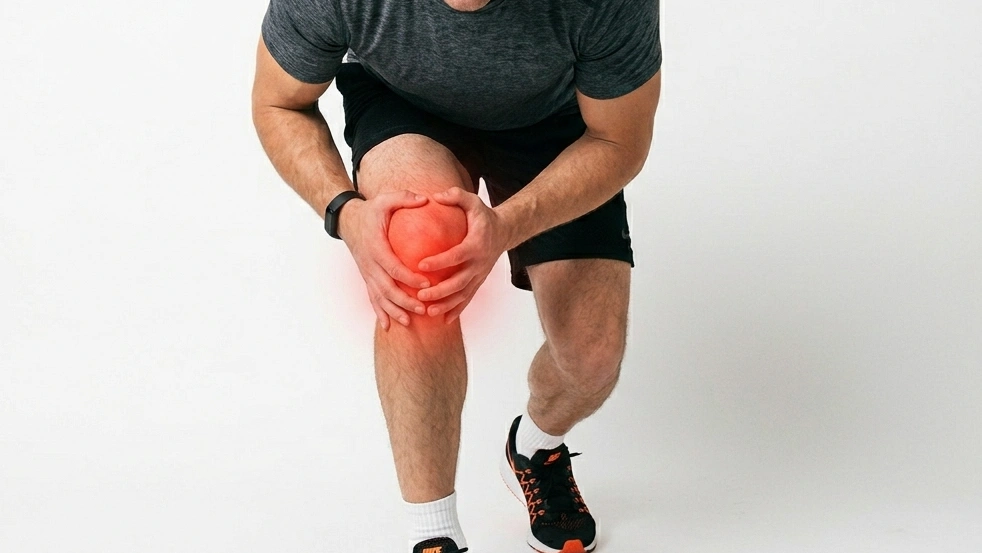
In this guide, we will explore everything about knee pain from the biological structure of your joints to advanced medical interventions, helping you navigate the journey toward mobility and comfort.
Brief structure of the knee
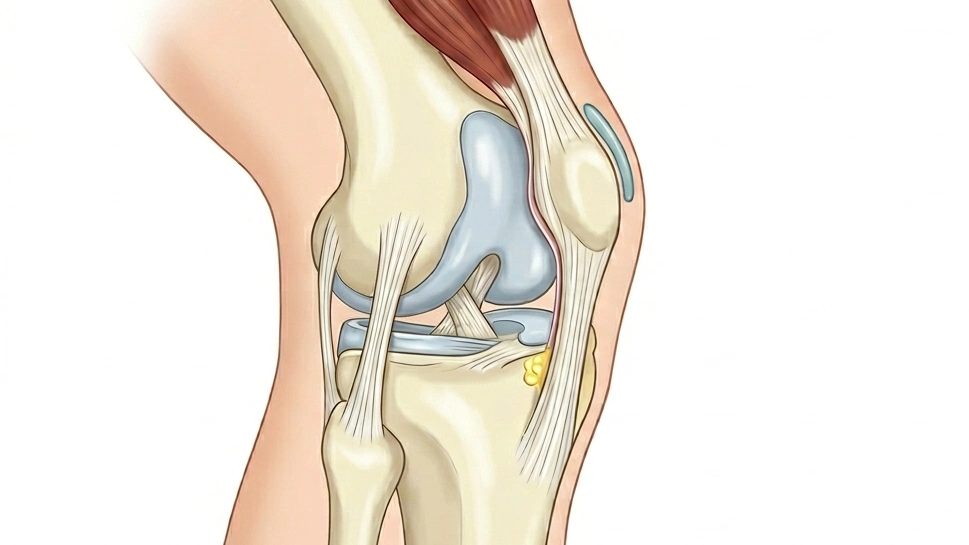
To understand knee pain, one must first appreciate the complexity of the knee joint. It is the largest and arguably the most stressed joint in the human body. It functions as a hinge that allows you to sit, stand, lift, and run.
The knee consists of:
- Bones: The femur (thigh bone), tibia (shin bone), and patella (kneecap).
- Cartilage: The meniscus acts as a shock absorber, while articular cartilage ensures smooth bone movement.
- Ligaments: Tough, fibrous bands (ACL, PCL, MCL, and LCL) that connect bones to other bones and provide stability.
- Tendons: These connect muscles to the bones, allowing the joint to move.
When any of these components are injured or succumb to wear and tear, the result is the physical discomfort we recognize as knee pain.
What is knee pain?
Knee pain is a subjective sensation of discomfort in or around the knee joint. It can be acute, appearing suddenly after an injury, or chronic, developing slowly over months or years due to underlying conditions like arthritis. For many in Sharjah, lifestyle factors, such as high-impact sports or prolonged standing, can exacerbate these sensations.
Symptoms That Often Accompany Knee Pain
Rarely does knee pain travel alone. Depending on the cause, you might experience several associated symptoms:
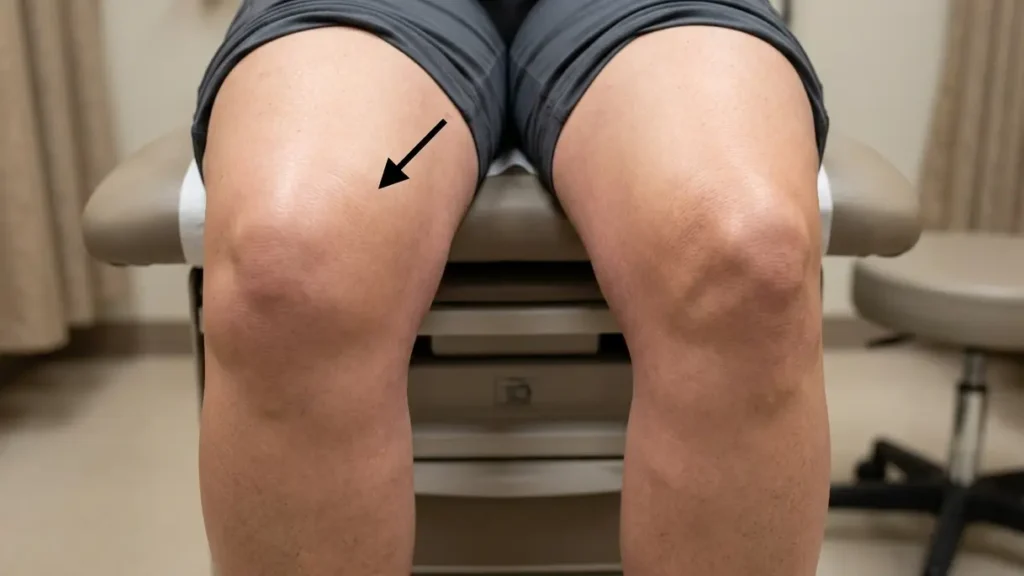
- Swelling and Stiffness: Often visible to the eye and warm to the touch.
- Redness: An indication of inflammation within the joint.
- Instability or “Giving Way”: The feeling that your knee cannot support your weight.
- Popping or Crunching Noises: Known as crepitus, which may indicate cartilage issues.
- Inability to Fully Straighten the Knee: A common sign of mechanical blockage or severe inflammation.
If you are experiencing any of these symptoms, don’t wait and contact us now so we can quickly examine you and discover the real cause together.
Common Knee Pain Causes
Identifying the “why” behind your discomfort is essential for effective knee pain treatment. The causes generally fall into three categories:
1. Acute Injuries
- ACL Injuries: A tear in the anterior cruciate ligament, common in athletes.
- Fractures: Often resulting from falls or vehicular accidents.
- Torn Meniscus: Damage to the tough, rubbery cartilage that acts as a shock absorber.
2. Mechanical Problems
- Loose Body: Sometimes injury or degeneration causes a piece of bone or cartilage to break off and float in the joint space.
- Iliotibial Band Syndrome: Common in runners, where the band of tissue becomes tight and rubs against the femur.
- Dislocated Kneecap: When the patella slips out of place.
3. Types of Arthritis
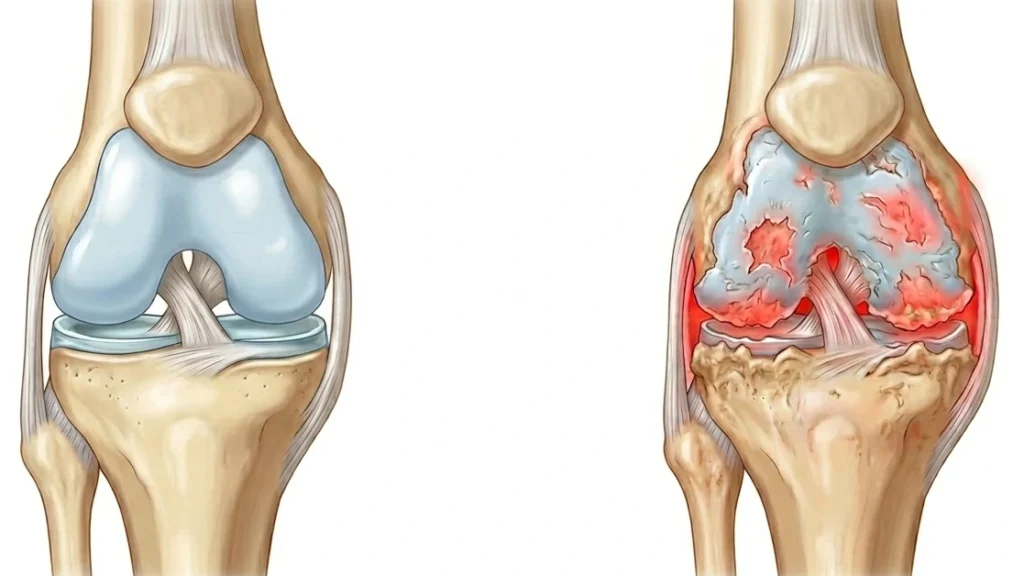
- Osteoarthritis: The “wear and tear” variety common as we age.
- Rheumatoid Arthritis: An autoimmune condition affecting the joint lining.
- Gout: Caused by the buildup of uric acid crystals in the joint.
Risk Factors for Knee Pain
Several factors can increase your likelihood of developing joint issues:
- Excess Weight: Being overweight puts increased stress on the knees, even during ordinary activities.
- Lack of Muscle Flexibility or Strength: Weak muscles provide less support for the joint.
- Specific Sports or Occupations: Jobs that require repetitive kneeling or high-impact sports like football or basketball.
- Previous Injury: An old injury increases the chance of future knee problems.
Read also about knee injuries and its symptoms, causes, and treatment options.
Complications of Untreated Knee Pain
Ignoring the pain is never a viable strategy. If left unaddressed, minor issues can evolve into:
- Chronic Pain: A permanent state of discomfort that affects sleep and mental health.
- Joint Deformity: Permanent changes to the alignment of your legs.
- Secondary Injuries: Adjusting your gait to compensate for knee pain can lead to hip or back problems.
- Disability: A significant reduction in mobility that can hinder your career and social life.
When to Seek Medical Attention
You should consult a specialist if you experience:
- An inability to bear weight on the knee.
- Marked swelling that does not subside with rest.
- A fever accompanied by redness and pain (this may indicate an infection).
- A visible deformity in the leg or knee.
- Severe pain that is present even when you are resting.
Read also about knee swelling and when is it a sign of a serious injury.
Dr. Ahmed Azmy’s Approach to Diagnosing Knee Pain
Effective treatment begins with an accurate diagnosis. Dr. Ahmed Azmy employs a patient-centric approach that combines clinical expertise with advanced diagnostic technology.
The diagnostic process typically involves:
- Comprehensive History: Understanding when the pain started and what triggers it.
- Physical Examination: Checking for range of motion, stability, and areas of tenderness.
- Imaging: Utilizing X-rays, MRIs, or Ultrasounds to visualize the internal structures of the knee.
- Aspiration (if necessary): Drawing fluid from the joint to test for infection or gout.
Knee Pain Treatment Options
There is no “one-size-fits-all” solution. Depending on your diagnosis, treatment may include:
- Physical Therapy: Strengthening the muscles around the knee to provide better stability.
- Injections: Corticosteroids for inflammation or Hyaluronic acid to provide lubrication to the joint.
- Surgical Interventions: In cases of severe damage, arthroscopic surgery or total knee replacement may be recommended to restore quality of life.
Understanding Knee Pain Medicine
Pharmacological intervention is often a key part of management. Knee pain medicine can range from over-the-counter NSAIDs (like ibuprofen) to prescribed analgesics. For localized relief, a knee pain ointment containing anti-inflammatory agents can be highly effective for surface-level discomfort without the systemic side effects of oral medication.
Self-Care and Home Remedies
For mild discomfort, home care can provide significant knee pain relief. The “R.I.C.E.” protocol is a gold standard:
- Rest: Avoid activities that exacerbate the pain.
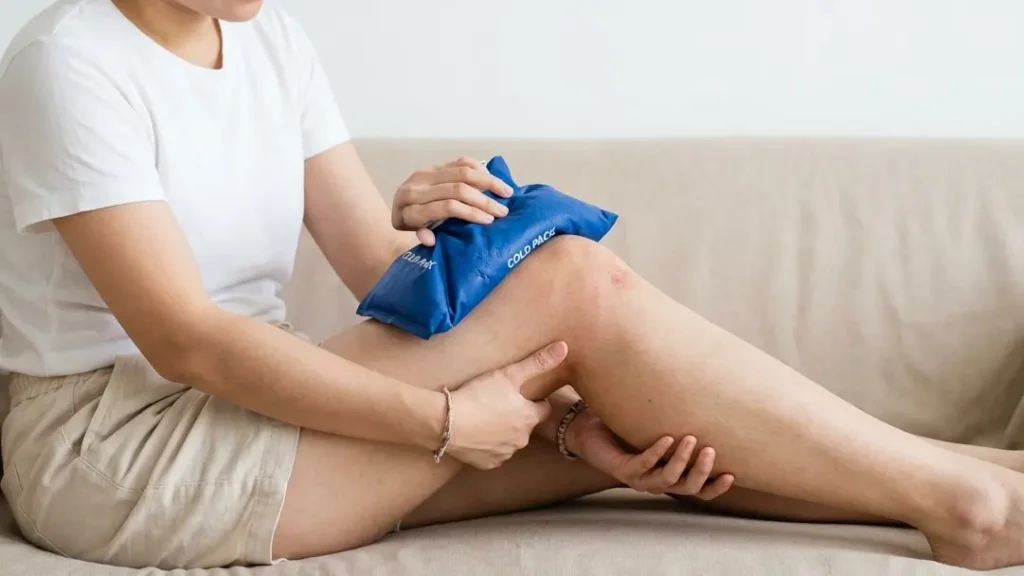
- Ice: Apply cold packs for 15–20 minutes several times a day.
- Compression: Use a compression bandage to prevent fluid buildup.
- Elevation: Keep the knee raised above the level of your heart.
Additionally, performing gentle knee pain exercises can maintain flexibility. Focus on low-impact movements like leg raises and hamstring stretches, ensuring you never “push through” sharp pain.
Learn more about knee arthroscopy and treatments offered by Dr. Ahmed Azmy and his previously successful cases.
Why Choose Dr. Ahmed Azmy for Your Knee Care?
When searching for the highest standard of orthopedic care in Sharjah, Dr. Ahmed Azmy stands out for several reasons:
- Expertise in Modern Orthopedics: Utilizing the latest techniques in joint preservation and minimally invasive surgery.
- Patient-First Philosophy: Every treatment plan is tailored to the individual’s lifestyle, whether they are a professional athlete or a retiree.
- State-of-the-Art Facilities: Access to advanced diagnostic and therapeutic equipment.
- Proven Results: A track record of helping patients return to their daily activities without pain.
If you are ready to reclaim your mobility, Dr. Ahmed Azmy is here to guide you through every step of your recovery.
How to Prevent Knee Joint Pain
Prevention is always better than cure. To keep your knees healthy:
- Maintain a Healthy Weight: Reducing even a few kilograms can significantly decrease the load on your joints.
- Choose the Right Footwear: Wear shoes that provide proper arch support and cushioning.
- Warm Up: Never jump into intense physical activity without a proper warm-up.
- Listen to Your Body: If an activity causes pain, stop and assess the cause rather than ignoring it.
FAQs about knee pain
How to get rid of knee pain fast?
For immediate relief, follow the R.I.C.E. method (Rest, Ice, Compression, Elevation) and consider over-the-counter anti-inflammatory medications. However, “fast” relief is often temporary; a consultation with a specialist like Dr. Ahmed Azmy is necessary for a long-term solution.
What are four causes of knee pain?
The most common causes include Osteoarthritis (wear and tear), Ligament tears (like the ACL), Meniscus tears, and Tendonitis (inflammation of the tendons).
What exercise is best for knee pain?
Low-impact exercises are best. Swimming and cycling are excellent because they strengthen the supporting muscles without placing heavy pressure on the joint. Straight-leg raises are also highly recommended for building quad strength.
How to avoid knee pain?
Maintain a healthy weight, stay active to keep your muscles strong, and always wear supportive footwear. Avoiding sudden increases in exercise intensity can also prevent overuse injuries.
What foods reduce knee pain?
Anti-inflammatory foods such as fatty fish (rich in Omega-3), turmeric, ginger, berries, and leafy greens can help manage the inflammation associated with joint pain.
What is deep relief for knee pain?
Deep relief usually refers to a combination of clinical treatments, such as targeted physical therapy and medical-grade topical or oral treatments, aimed at reaching the source of the pain rather than just masking the symptoms.
Conclusion
Knee pain does not have to be a permanent part of your life. By understanding the causes and seeking professional care early, you can prevent complications and return to the activities you love. Whether you require lifestyle adjustments, physical therapy, or advanced medical intervention, Dr. Ahmed Azmy provides the comprehensive care needed to get you back on your feet.
Contact Dr. Ahmed Azmy today!
schedule your consultation and take the first step toward a pain-free life.