Whether you are an elite athlete training in Sharjah, a weekend football enthusiast playing at the local park, or someone who loves staying active along the Al Majaz Waterfront, physical activity is essential for a healthy lifestyle. However, moving your body always comes with an inherent risk of physical accidents. When a sudden twist or overuse occurs, understanding the different types of sport injuries is the first step toward a safe, effective recovery.
An orthopedic issue can completely disrupt your daily routine, turning a passion for fitness into a stressful journey through pain and physical limitation. Fortunately, navigating the most common sports injuries does not have to be an overwhelming process. With the right education, timely diagnosis, and access to a specialized sports injury clinic, you can safely overcome physical setbacks and protect your long-term mobility.
When joint or muscle pain strikes, seeking advice from an experienced sports injury specialist ensures you receive a personalized plan for targeted sports injury treatment. In this comprehensive guide, we will break down the underlying mechanics of musculoskeletal damage, explore how to identify warning signs early, and introduce you to advanced recovery strategies that can help you confidently get back on your feet.
What Is a Sports Injury?
At its core, a sports injury refers to any form of damage to the musculoskeletal system—including bones, muscles, tendons, ligaments, and cartilage—that occurs during exercise, athletic training, or recreational sports. While physical activity strengthens the body, pushing your physical limits without proper preparation or technique can overload these structural tissues.
Musculoskeletal damage typically falls into two broad categories based on how the trauma occurs: macro-trauma, which involves a single, sudden impact, and micro-trauma, which results from repetitive, small-scale stress over an extended period. Understanding this distinction is key to choosing the correct treatment path.

Common Causes of Sports Injury
Musculoskeletal damage rarely happens without an underlying reason. In most cases, a combination of environmental, physical, and behavioral factors triggers the structural breakdown of tissue:
- Improper Training Mechanics: Using incorrect form while lifting weights, running, or changing directions places abnormal, uneven force on your joints.
- Structural Overload (Overtraining): Failing to allow adequate rest periods between intense training sessions causes muscles and tendons to break down faster than they can naturally repair.
- Inadequate Warm-up Protocols: Skipping a dynamic warm-up leaves muscles stiff, rigid, and highly susceptible to acute tears when sudden force is applied.
- Poor Equipment and Footwear: Wearing worn-out athletic shoes that lack proper arch support or shock absorption alters your natural biomechanics, straining the ankles and knees.
- Environmental Factors: Playing on uneven pitches, hard concrete surfaces, or training outdoors during peak summer heat without adequate hydration can compromise muscle function and coordination.
What Are Common Sports Injury Symptoms?
The body possesses a highly sophisticated warning system. Recognizing these common clinical signs early can prevent a minor strain from developing into a severe, long-term structural issue:
- Sudden or Grudging Pain: This can present as a sharp, intense ache during movement or a dull, throbbing pain that persists even while at rest.
- Localized Swelling and Inflammation: This is the body’s natural defense mechanism, caused by an immediate rush of fluid and inflammatory cells to the site of tissue damage.
- Joint Instability: A unsettling sensation that a joint, such as the knee or ankle, is giving way or cannot support your body weight.
- Visible Deformity: In severe cases like complete bone fractures or joint dislocations, the affected limb may look visibly misaligned.
- Reduced Range of Motion: An inability to fully bend, straighten, or rotate a limb due to localized structural blockages or severe muscle guarding.
- Warmth and Redness: The skin overlying the affected area may feel hot to the touch due to increased localized blood flow.

Which Body Parts Get Injured the Most in Sports?
While any component of the musculoskeletal system can sustain damage, certain highly mobile, weight-bearing joints bear the brunt of athletic stress:
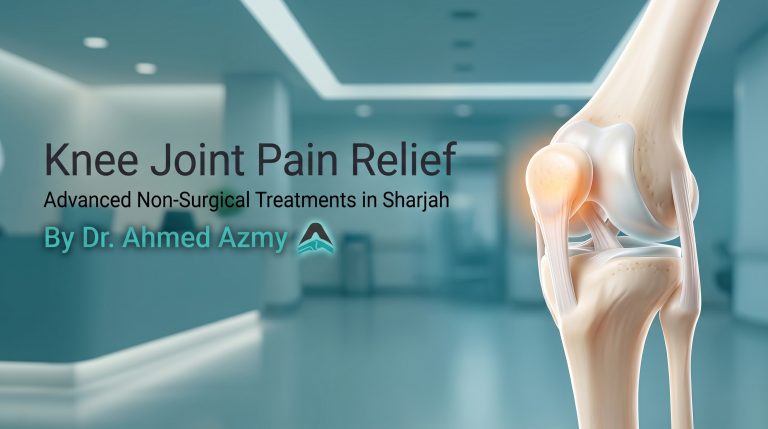
- The Knee Joint: Because it absorbs up to four times your body weight during running and jumping, the knee is highly vulnerable to knee ligament tears (such as the ACL) and meniscus damage.
- The Ankle Joint: Sudden lateral shifts often force the ankle to roll outward, stretching or tearing the stabilizing outer ligaments.
- The Shoulder Girdle: As a complex, highly mobile ball-and-socket joint, it is uniquely prone to rotator cuff strains, impingement syndrome, and dislocations from overhead sports like tennis or swimming.
- The Lower Back (Lumbar Spine): Repetitive twisting, heavy lifting, or poor core stabilization frequently causes acute muscular strains or spinal disc herniations.
Now that we have a basic understanding of sports injuries, let’s discuss the different types of sport injuries and find out which ones are most common.
Comprehensive Overview of the Types of Sport Injuries
To effectively treat a physical problem, medical experts categorize musculoskeletal damage based on the onset, duration, and severity of the structural tissue trauma. Here are the common types of sport injuries:
1. Acute Injuries
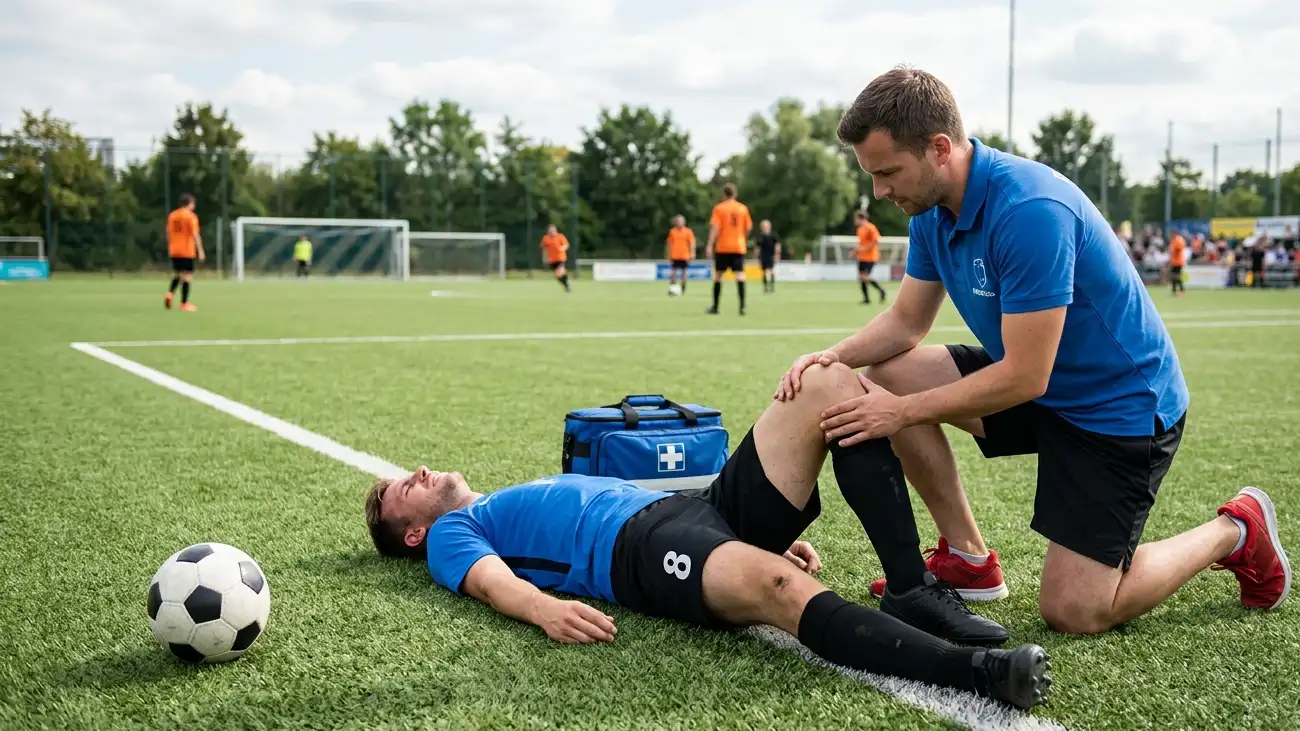
An acute injury happens instantaneously. It is characterized by a sudden, sharp pain resulting from a specific, identifiable traumatic event, such as a hard collision, a fall, or an abrupt change of direction while running.
- Sprains (Ligament Damage): Ligaments are tough bands of fibrous tissue that connect bone to bone. A sprain occurs when these bands are stretched beyond their natural capacity, resulting in microscopic or complete tears. The classic example is an ankle sprain or an Anterior Cruciate Ligament (ACL) tear in the knee.
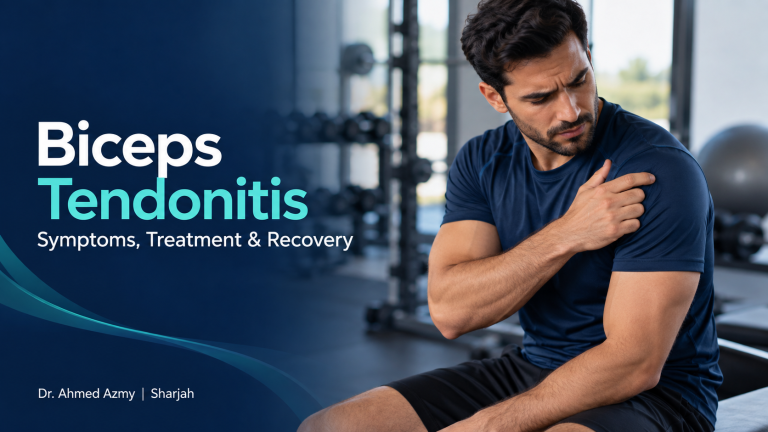
- Strains (Muscle or Tendon Damage): Often referred to as a “pulled muscle,” a strain involves damage to the muscle fibers or the tendons that attach those muscles to bone. This typically occurs during explosive movements, like sprinting or jumping.
- Fractures (Bone Breaks): High-impact forces can cause a bone to crack or break completely. Acute fractures cause immediate, severe pain, rapid swelling, and an absolute inability to bear weight.
- Dislocations: This occurs when the ends of two connected bones are violently forced out of their normal position within a joint capsule, requiring immediate emergency medical alignment.
Acute injuries are the most common types of sport injuries because they result from a sudden accident. In contrast, chronic injuries occur over a longer period of time as a result of continued stress on the body without allowing it to recover.
2. Chronic Injuries
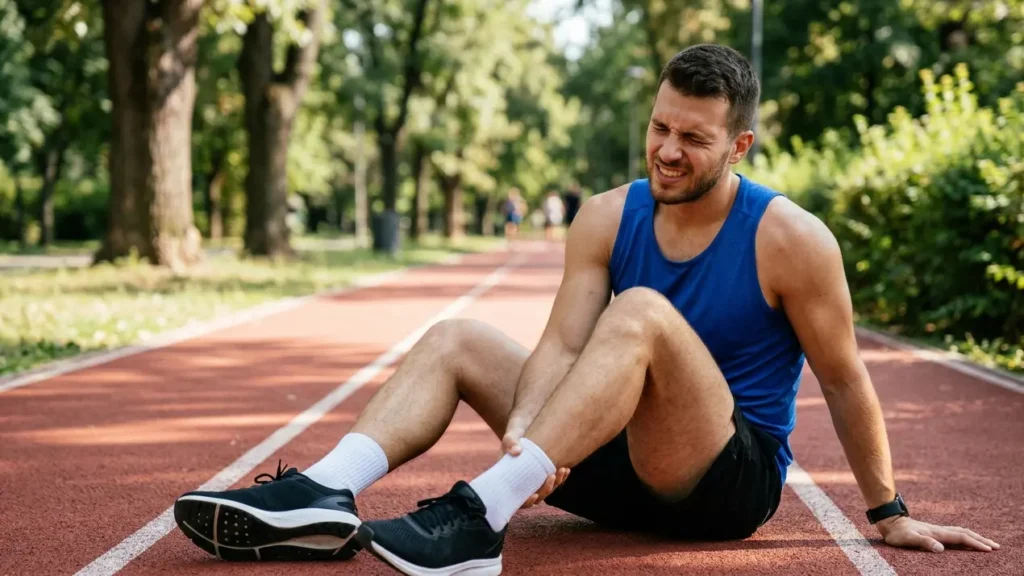
Unlike sudden trauma, chronic conditions develop slowly over weeks, months, or even years. They are typically caused by structural micro-trauma resulting from continuous, repetitive stress without sufficient recovery time.
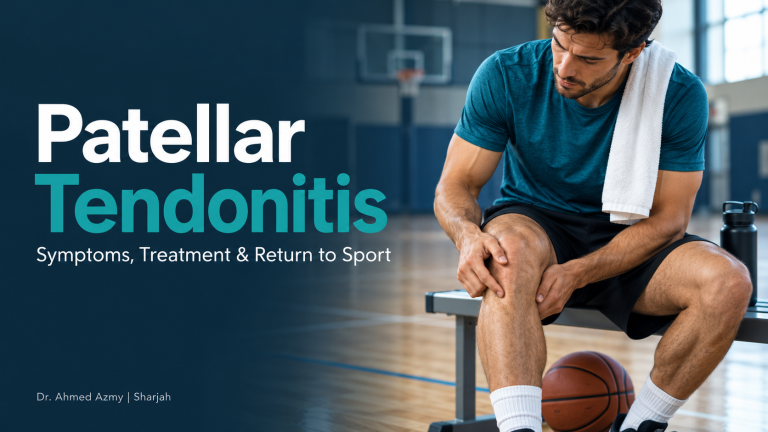
- Tendinitis (Tendon Inflammation): Repetitive stress leads to irritation and painful inflammation of a tendon. Common examples include Patellar Tendinitis (Jumper’s Knee) and Achilles Tendinitis.
- Stress Fractures: These are tiny, microscopic cracks in the bone surface caused by repetitive impact loading, frequently seen in long-distance runners who rapidly increase their training mileage.
- Bursitis: This involves inflammation of the bursa, small fluid-filled sacs that cushion the friction points between bones, tendons, and muscles near your joints.
- Shin Splints (Medial Tibial Stress Syndrome): Pain that develops along the inner border of the shinbone (tibia), typically caused by repetitive running on hard surfaces or wearing unsupportive footwear.

Professional Diagnosis of Musculoskeletal Damage
An accurate, timely diagnosis is foundational to successful recovery. Attempting to self-diagnose or push through severe pain can worsen tissue damage, turning a straightforward strain into a chronic issue.
A specialized clinical assessment typically involves:
- Comprehensive Clinical Evaluation: A detailed review of your athletic history, the exact mechanism of injury, and a careful physical palpation to check for localized tenderness and joint stability.
- Digital X-Ray Imaging: Used as an initial screening tool to rule out acute bone fractures, structural misalignments, or degenerative joint changes.
- High-Resolution MRI (Magnetic Resonance Imaging): The gold standard for visualizing soft tissues. An MRI provides clear, detailed views of ligament tears, meniscus damage, muscle ruptures, and deep bone bruising.
- Diagnostic Musculoskeletal Ultrasound: Allows for a dynamic, real-time assessment of moving tendons and muscles, helping identify fluid accumulation and tissue inflammation.
Discover more about sports injury conditions and treatment techniques by Dr Ahmed Azmy.
Advanced Treatment Options for Sports Injuries
Modern orthopedics uses a tiered approach to treatment, focusing on conservative, non-invasive therapies before considering surgical options.
Conservative Management
For mild to moderate soft tissue injuries, initial care focuses on reducing inflammation and protecting the tissue to support natural healing:
- The PRICE Protocol: Protect the injured area with a brace, Rest from aggravating activities, Ice to constrict blood vessels and reduce swelling, Compress with an elastic bandage, and Elevate the limb above heart level.
- Targeted Physical Therapy: A structured rehabilitation program designed to restore full joint range of motion, strengthen surrounding muscle groups, and correct faulty movement patterns.
- Advanced Regenerative Injections: Modern options like Platelet-Rich Plasma (PRP) therapy or localized hyaluronic acid injections can help accelerate the body’s natural healing process in chronic tendon conditions.
Visit the gallery of Dr Azmy and take a visual tour of his practice
Surgical Intervention
When conservative treatments do not provide relief of certain types of sport injureis as when an athlete sustains a complete ligament rupture (such as a full ACL tear) or an unstable fracture, surgery becomes necessary:
- Minimally Invasive Arthroscopy: Using tiny incisions and a specialized camera, an orthopedic surgeon can repair torn ligaments, clean damaged cartilage, or trim a torn meniscus with minimal disruption to the surrounding tissues.
- Open Structural Reconstruction: Required for complex, displaced bone fractures or multi-ligament joint trauma, ensuring proper anatomical alignment and long-term joint stability.

Actionable Tips to Prevent Sports Injuries
While you cannot eliminate every risk, incorporating these proactive strategies into your training routine can significantly lower your chances of sustaining an injury:
- Never Skip a Dynamic Warm-Up: Spend 10 to 15 minutes doing active movements like lunges, high knees, and leg swings to increase blood flow and improve muscle elasticity before training.
- Progress Gradually: Follow the “10% Rule”—never increase your training intensity, duration, or weight by more than 10% per week.
- Prioritize Rest and Muscle Recovery: Allow at least one to two days of rest each week to give your muscles, tendons, and bones time to repair and rebuild.
- Incorporate Cross-Training: Mix up your routine by combining running with low-impact activities like swimming or cycling to avoid overworking the same muscle groups.
- Focus on Core and Stability Exercises: A strong core improves overall balance, stabilizes the pelvis, and reduces extra stress on your knees and lower back.
Learn more about your condition and connect with Dr Ahmed Azmy in the patient connection hub.
When Should You Seek a Professional Medical Consultation?
It can be tempting to wait out joint pain, but certain warning signs require immediate assessment by a qualified physician. You should schedule a professional medical consultation right away if you experience:
- An absolute inability to bear weight on the affected leg, ankle, or knee.
- Severe localized swelling that develops within the first few hours of injury.
- A popping or tearing sound accompanied by immediate joint instability.
- Numbness, tingling, or a “pins and needles” sensation spreading down the limb.
- Persistent joint pain that does not improve after 48 to 72 hours of rest and icing.
Discover more about the case studies and treatment results of Dr Ahmed Azmy in Sharjah.

Why Dr. Ahmed Azmy Is Your Premier Destination in Sharjah
If you are dealing with joint instability, persistent pain, or a sudden sports injury, finding the right medical expertise is essential for a safe, successful recovery. Dr. Ahmed Azmy stands out as a leading orthopedic specialist in Sharjah, dedicated to delivering advanced, patient-centered care for athletes and active individuals alike.
With extensive clinical experience and deep expertise in treating complex joint problems, Dr. Ahmed Azmy focuses on accurate diagnosis and customized care plans. Whether your recovery requires targeted physical therapy, advanced regenerative treatments, or minimally invasive keyhole surgery, his primary goal is to address the root cause of your pain, restore joint function, and help you safely return to your active lifestyle.
Take the First Step Toward Pain-Free Mobility
Do not let a painful joint or muscle strain limit your lifestyle or keep you away from the activities you love. A proactive approach to your recovery today can protect your mobility and prevent minor tissue damage from turning into a long-term problem.
Take control of your orthopedic health by scheduling a comprehensive physical evaluation at a state-of-the-art facility. Contact the clinic of Dr. Ahmed Azmy today to book your personalized consultation, receive an accurate diagnosis, and start your journey toward a strong, pain-free recovery.

FAQs about types of sport injuries
What sport gets the most injuries?
Statistically, high-contact team sports like football, rugby, and basketball record the highest number of acute injuries due to frequent collisions, sudden changes of direction, and high-velocity impacts. However, sports that involve repetitive movements, such as long-distance running, cycling, and swimming, generate the highest number of chronic overuse conditions.
What is the most common sports injury?
Ankle sprains are widely recognized as the single most common injury across both recreational and professional sports. This acute injury occurs when a sudden lateral twist stretches or tears the supporting ligaments on the outside of the ankle joint.
What are the top 3 worst sports injuries?
While any severe trauma can be challenging, the three most difficult sports injuries to recover from include complete Anterior Cruciate Ligament (ACL) tears (which alter knee stability and often require surgery), Achilles tendon ruptures (which require long-term immobilization and rehab), and displaced bone fractures or joint dislocations that involve complex nerve or blood vessel damage.
How do I know if my injury is acute or chronic?
Acute conditions happen suddenly from a single event and cause immediate, sharp pain and rapid swelling. Chronic conditions develop gradually over time, causing a dull ache that worsens during or after exercise.
Final words about types of sport injuries
Understanding the various types of sport injuries—from sudden acute sprains to chronic overuse conditions—empowers you to listen to your body, spot early warning signs, and take proactive steps to protect your physical health. By incorporating proper warm-up techniques, avoiding overtraining, and using the correct equipment, you can significantly reduce your risk of injury and keep doing the activities you enjoy.
When pain or joint instability does happen, remember that rest alone isn’t always enough. Seeking professional guidance from a dedicated specialist like Dr. Ahmed Azmy ensures you get a clear, accurate diagnosis and a customized recovery plan. Investing in expert care today is the best way to safeguard your long-term mobility, rebuild your strength, and return to your active lifestyle with confidence.