Patient Connection Hub Assess your pain

knee ligament tear treatment: advanced treatment protocols

← Back to All Blogs
knee ligament tear treatment

Knee ligament injuries are among the most common causes of knee pain, affecting individuals of all ages and activity levels. Whether you are an athlete, an active individual, or someone who has experienced a sudden knee injury, it’s crucial to understand what’s happening within your knee to choose the right knee ligament tear treatment that addresses the problem that occurred. If you’re struggling with knee pain, you’re not alone.  I’m here to guide you through understanding knee ligament tears, their causes, and the advanced treatment options that can get you back on your feet.

Ligaments are the strong bands of tissue that hold the bones in your knee joint together, and when these are damaged, it can cause a lot of instability. If you’re facing this challenge, I want you to know that we can take proactive steps together to help you heal. with both non-surgical and surgical options available, depending on the severity of your injury. Let’s dive into the causes, symptoms, diagnosis, and advanced treatment protocols for knee ligament tears, so you can regain confidence in your knee’s strength and mobility.

Causes of Knee Ligament Tears: Understanding the Triggers

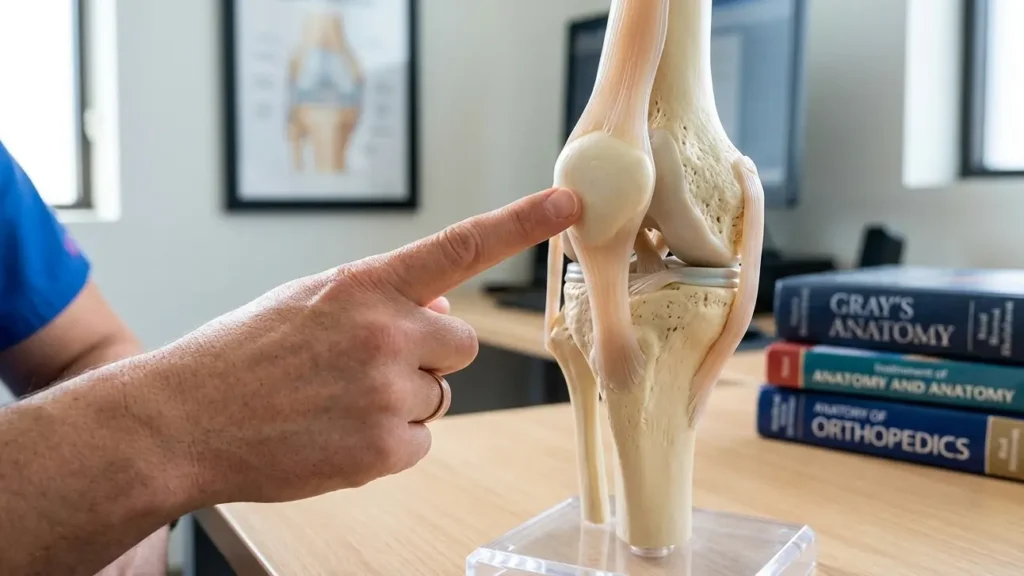
The knee is a remarkably complex joint, with four major ligaments that provide stability and movement control:

  • Anterior Cruciate Ligament (ACL): This ligament controls the rotation and forward movement of the tibia.
  • Posterior Cruciate Ligament (PCL): The PCL prevents the tibia from moving too far backward.
  • Medial Collateral Ligament (MCL): Found on the inner side of the knee, this ligament provides stability and is often injured due to a direct blow.
  • Lateral Collateral Ligament (LCL): This ligament stabilizes the outer part of the knee.

Injuries to these ligaments occur in various ways:

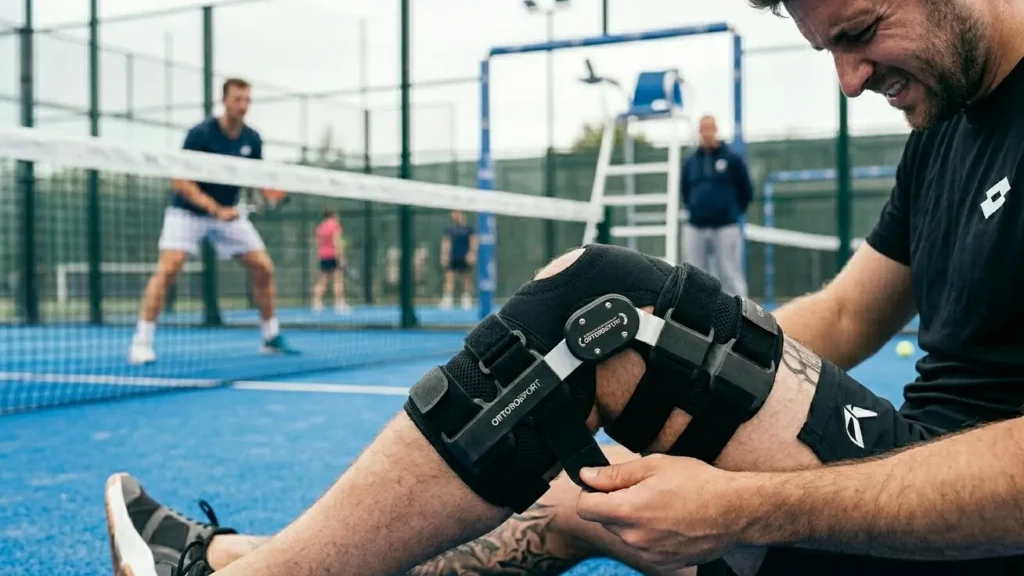
  • Sports-related injuries: These often happen during sudden twists, pivots, or impacts, particularly in sports like soccer, basketball, and skiing.
  • Falls and accidents: Trips, awkward landings, or car accidents can also put strain on the knee ligaments, leading to tears.
  • Twisting or overstretching: Activities that force the knee into an unnatural position can overstretch or tear the ligaments.
knee ligaments

Symptoms: How to Recognize a Knee Ligament Tear

Recognizing the signs of a knee ligament tear is essential for timely treatment. Depending on the severity of the injury, symptoms can vary but typically include:

  • Pain: This often occurs immediately after the injury and can range from mild discomfort to intense, sharp pain.
  • Swelling: Swelling in the knee can occur within hours and can significantly impact your range of motion.
  • Instability: You may feel as if your knee is “giving way,” making it difficult to walk or stand.
  • Reduced range of motion: Bending or straightening your knee may become painful or difficult.

If you experience any of these symptoms following an injury, it’s important to seek medical attention to determine the extent of the damage. Book an appointment with me now, and do not wait till it is too late.

Diagnosis Pathway: My Approach to Diagnosing Knee Ligament Tears

Diagnosing knee ligament injuries requires a thorough evaluation to understand which ligament has been affected and how severe the damage is. As an orthopedic specialist, my approach to diagnosing knee ligament tears includes:

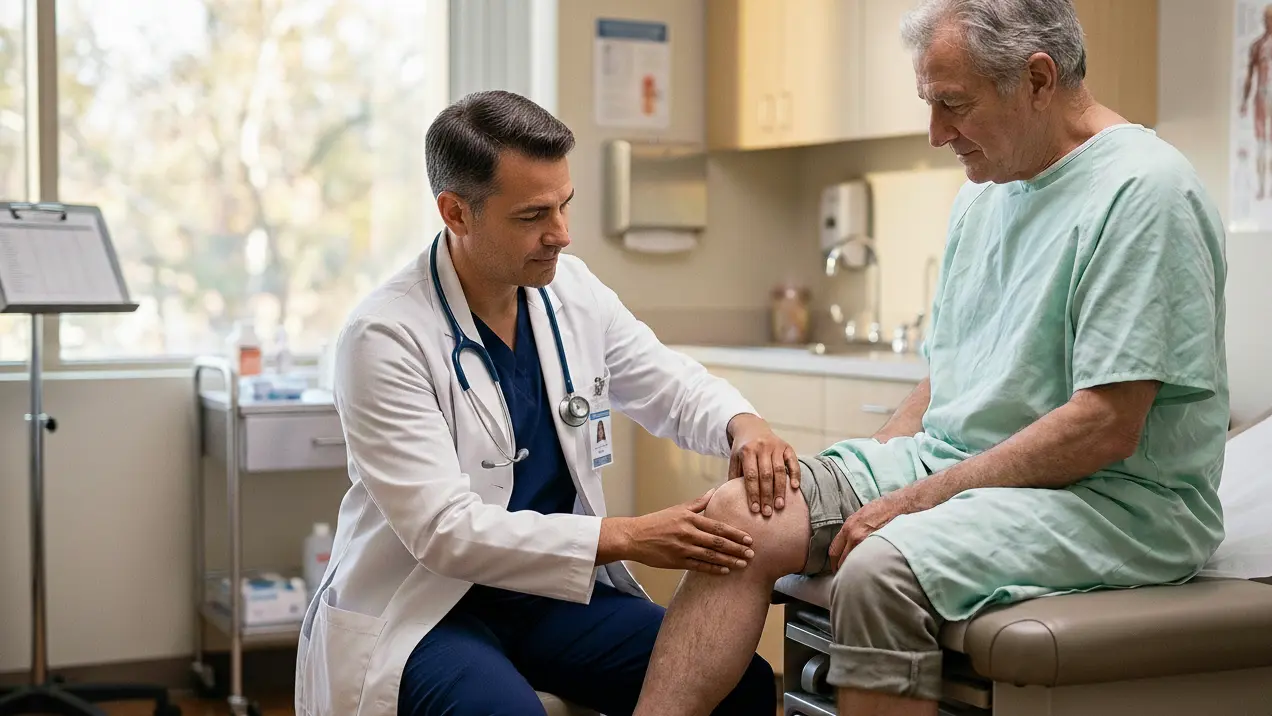
  • Physical Exam: I’ll assess your knee’s swelling, tenderness, and range of motion. I’ll also perform specific tests to check for stability and signs of injury.
  • Imaging: An MRI is often the gold standard for diagnosing knee ligament injuries, as it provides detailed images of both soft tissues (like ligaments) and bones. In some cases, X-rays or ultrasound may be used as well.

I believe in a careful and comprehensive approach to diagnosis to ensure the most effective treatment plan for you.

Knee Ligament Tear Treatment: Conservative to Advanced Approaches

Knee ligament tear treatment can vary based on the severity of the injury. Here’s how I typically approach treatment:

Conservative Treatment

  • R.I.C.E. Protocol (Rest, Ice, Compression, Elevation): This is usually the first step for mild to moderate injuries. By resting the knee, applying ice to reduce swelling, using compression to stabilize, and elevating the leg, we can begin the healing process without immediate surgery.
  • Physical Therapy: A customized rehabilitation program helps strengthen the muscles around the knee, which improves stability and supports the healing of the ligament.
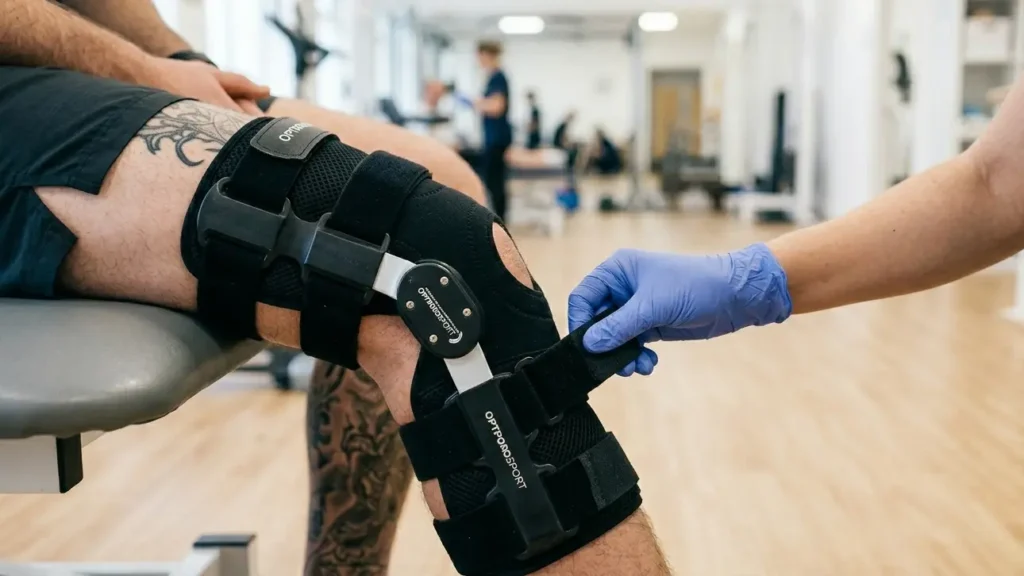
  • Bracing and Activity Modification: For some patients, using a knee brace and modifying activity levels can allow the ligament to heal over time.

Surgical Treatment

In cases where the ligament tear is severe or conservative treatment doesn’t provide relief, surgery might be necessary. The two primary surgical options for ligament tears are:

  • Ligament Repair: This involves suturing the torn ligament back together. It’s a less invasive option but is generally used for specific types of tears.
  • Ligament Reconstruction: This is the more common surgical option, especially for ACL tears. It involves replacing the torn ligament with a tendon graft (either from the patient’s own body or a donor). This provides a long-term solution to the ligament instability.

Visit our official website now – Dr. Ahmed Azmy – see the medical conditions we treat and read customer reviews.

knee brace

Recovery Expectations: What to Expect After Treatment

Recovery from a knee ligament tear, whether you undergo surgery or not, requires patience and consistent rehabilitation. Here’s what you can expect:

  • Conservative Recovery: For minor injuries, recovery can take a few weeks to a few months. Regular physical therapy will help you regain strength and mobility.
  • Surgical Recovery: If surgery is required, the recovery period can take several months. Full recovery typically involves 6 to 12 months of rehabilitation, with a focus on restoring knee strength, flexibility, and stability.

During the recovery process, it’s essential to follow the post-treatment instructions, including physical therapy, rest, and gradually returning to activities.

Prevention Tips: How to Protect Your Knees Moving Forward

As they say “prevention is better than cure”, so it’s wiser to protect and prevent knee joint injuries rather than seeking knee ligament tear treatment after it’s too late. while not every knee ligament tear can be prevented, there are steps you can take to reduce your risk:

  • Strengthen the muscles around your knee: Focusing on strengthening the hamstrings, quadriceps, and calves can help stabilize your knee.
  • Improve flexibility: Stretching exercises can improve your range of motion and reduce your risk of overstretching or twisting your knee.
  • Use proper sports techniques: Whether you’re playing soccer, basketball, or any other sport, using proper techniques can significantly reduce the risk of knee injuries.
  • Wear appropriate footwear: Shoes with proper support can reduce strain on your knees during high-impact activities.

Knee Injuries in the UAE

Living in Sharjah and the wider UAE means we experience a variety of climates and sports activities that can impact our knee health. The hot, dry weather can sometimes cause joint stiffness, and local sports like football, cricket, and even the unique lifestyle of outdoor activities such as hiking and desert sports can increase the risk of knee injuries. Whether you’re an active expat or a family member participating in sports, it’s important to take preventative measures. such as staying hydrated, wearing proper footwear, and practicing stretching exercises to protect your knees.

FAQs about knee ligament treatment

How long does it take to recover from a knee ligament tear?

Recovery time varies. Minor injuries may heal in a few weeks, but more severe tears, particularly ACL tears, can take 6–12 months.

Mild injuries may allow walking with minimal pain. Severe injuries, especially ACL tears, may make walking difficult without support.

Untreated ligament injuries can lead to chronic instability, worsened pain, and potentially early arthritis in the knee.

Rest, ice, compression, elevation (R.I.C.E.), physical therapy, bracing, and activity modification are effective for less severe injuries.

Strengthening the knee muscles, improving flexibility, and using proper techniques during sports can help reduce the risk.

Conclusion

Knee ligament injuries can be daunting, but I want you to know that there are effective treatments and recovery pathways available to you. Whether you’re dealing with a minor sprain or a severe tear, I am here to guide you through every step of your recovery journey. If you’re struggling with pain, you’re not alone. I’m here to help you get back to living your life with full mobility and confidence.

Contact my clinic today to schedule a consultation.
If you’re experiencing knee pain or suspect you have a ligament injury, don’t wait.Together, we’ll find the best treatment plan for you.

Book an Appointment with Dr. Ahmad Azmy

Contact Form dr