Orthopedic Articles

Ligament Tear Symptoms: Identify Them Before It’s Too Late

Knee pain keeping you up at night? As Dr. Ahmed Azmy, your family orthopedic surgeon in Sharjah, I’ve seen how ligament tears...

April 14, 2026 7 min read

Knee pain keeping you up at night? As Dr. Ahmed Azmy, your family orthopedic surgeon in Sharjah, I’ve seen how ligament tears disrupt daily life. from playing with kids to weekend football. Spotting the key symptoms for ligament tear and joint injuries early prevents bigger issues.

Why Ligament Tears Happen Here in Sharjah

Our hot weather and active lifestyles cause knee ligament tear symptoms and common ligament injury symptoms to appear. Sudden twists during football or basketball with friends strain knees. Expat families rushing to school runs twist ankles on uneven paths. Sports like soccer in university leagues cause ACL strains from quick pivots. Car bumps in traffic hit knees, mimicking PCL damage. Weak muscles from desk jobs make ligaments vulnerable. Think of them as family ropes holding your joints steady. overstretch them, and they snap.​


ligament tear causes

Common ligament tear Symptoms & torn ligament signs:: Listen to Your Body's Signals

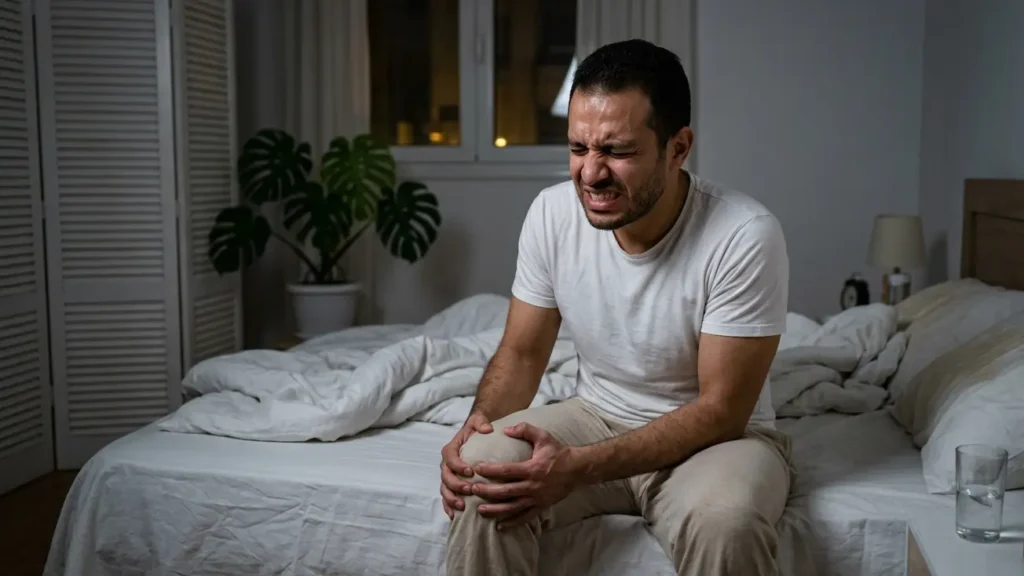
Pain behind the knee at night? That’s often fluid buildup from tears irritating tissues when lying down.

Anterior Cruciate Ligament Tear Symptoms

As one of the most frequent Knee Injuries, an ACL tear often begins with a “pop” during a dodge in cricket. classic sign. Then swelling hits fast, knee buckles like a wobbly table.

  • Sharp pain on twists; instability feels like your knee betrays you mid-step.
  • Complete ACL tear symptoms: can’t straighten leg fully, bruising spreads.​

Collateral and Posterior Cruciate LigamentL Tear symptoms : Key symptoms of ligament tear in knee

Ligament pain behind knee from PCL strain throbs at rest, worse nights in our humid air.​

  • MCL from side tackles: inner knee tender, swells like a balloon.
  • LCL rare but hurts outer side after falls.​

Grade 1: Mild ache, walks okay. Grade 2: Limps, loose feel. Grade 3: Can’t bear weight. (emergency).

Consider a professional medical diagnosis if any of these ligament tear symptoms in knee or joint discomfort are recognised.

Contact me now now to start your personalized Ligament Injury Treatment journey.


Why Night Pain Worries Families Most

As one of the most confusing ligament damage symptoms, “Why does my knee hurt at night?” Patients ask daily. Gravity offloads daytime, but inflammation pools at rest, pressing nerves.

In Sharjah, AC-cooled rooms mask swelling till bedtime. Expat moms carrying groceries feel it after iftar during Ramadan.​


Why does my knee hurt at night

My Diagnosis Approach: Treating You Like Family

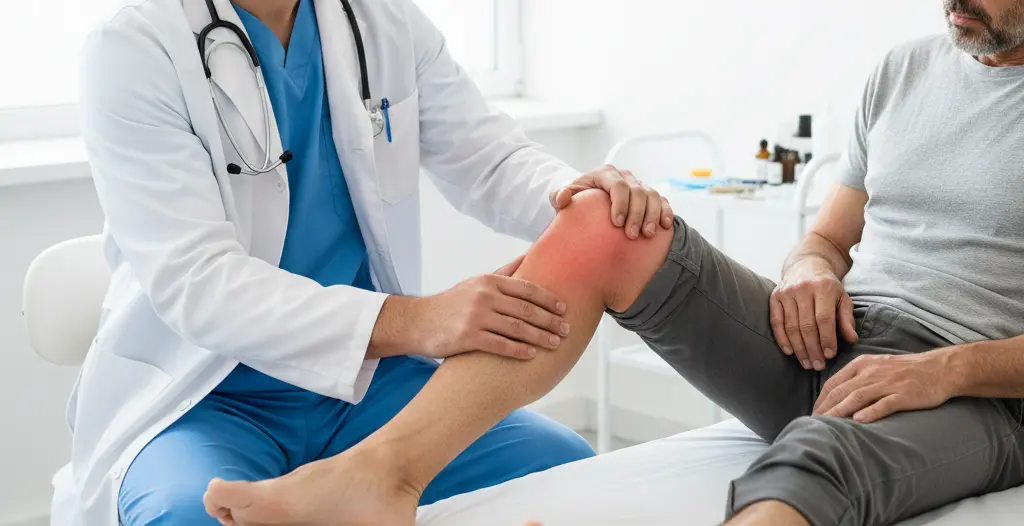
When evaluating complex ligament tear in knee symptoms,  I start with your story. like chatting over karak tea. “Tell me about that football game?” Then hands-on tests for stability.

  • X-rays rule out bones first.
  • MRI shows soft tears clearly—key for ACL.
  • Sometimes arthroscopy for a peek inside.

No rush to scans; I explain like to my own kids. Accurate diagnosis means right path, no wasted time.​

Visit my official website now –Dr Ahmed Azmy– to see successful treated condition by me and my clients reviews.


Conservative Treatments: Heal Without the Knife

For Grade 1-2, we baby the joint. RICE is first: Rest like skipping that gym class, Ice 15 mins hourly, Compress gently, Elevate above heart.

  • NSAIDs ease pain—ibuprofen my go-to, but check allergies.
  • Bracing supports like a hug for wobbly knees.
  • Physio rebuilds strength; think squats tailored safe.

In 4-6 weeks, many walk pain-free. Sharjah’s physios near malls make sessions easy for busy parents.​

When Surgery Saves the Day

Grade 3 or athletes? ACL reconstruction. minimally invasive, using your tendon graft.

  • Arthroscopic: Tiny cuts, quick heal in our climate.
  • Post-op: Crutches 2 weeks, physio ramps up.​
  • Recovery: 6-9 months to soccer fields.

What Recovery Looks Like: Step by Step

  • Week 1-2: Swelling down, gentle bends.
  • Month 1-3: Strength drills—no heroics.
  • Month 4+: Sport-specific, balance work.

Night pain fades as stability returns. Committed families recover best.
Risks if ignored? Arthritis creeps in, like rust on unused hinges.​

Prevention: Keep Your Family Moving Safely

Sharjah life demands prep. Warm-ups before park runs, strong legs via home squats.

  • Proper shoes for dunes or turf.
  • Balance drills cut ACL risk, especially ladies.
  • Braces for high-risk sports.​

Expat tip!
Hydrate extra—dehydration stiffens tissues.​

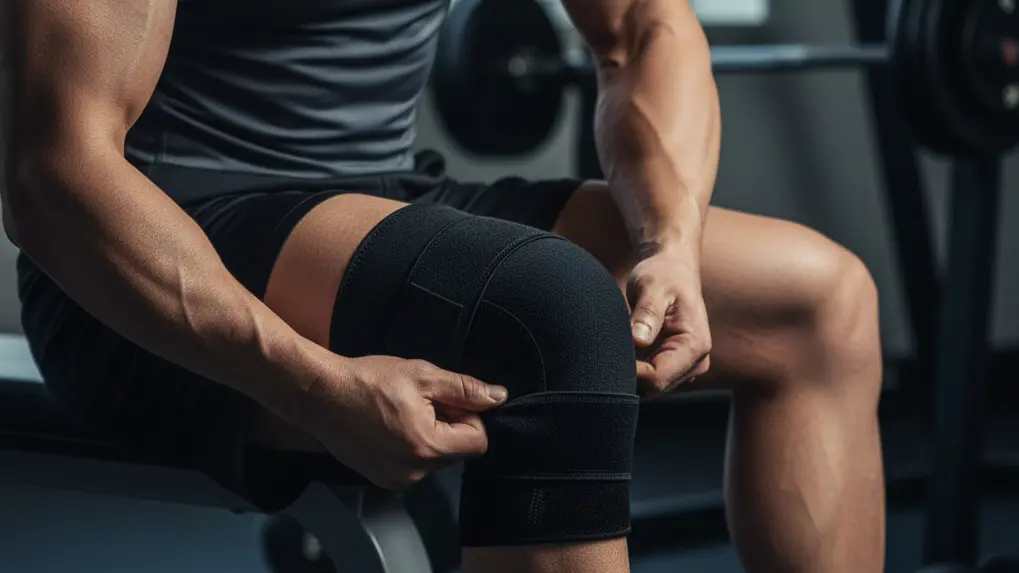
Athlete strapping a black supportive knee brace sleeve in gym for joint stability and pain relief

Frequently Asked Questions

Can ligament tears heal on their own?

Yes, some ligament tears can heal without surgery, especially mild Grade 1 and some Grade 2 injuries. Conservative treatment such as RICE therapy, bracing, pain management, and physical therapy can help restore strength and stability. However, complete Grade 3 tears, especially ACL injuries causing knee instability, often require surgical evaluation.


A noticeable “pop” sound during an injury is a common ACL tear symptom because the ligament may partially or completely rupture during sudden twisting, pivoting, or sports movements. This is often followed by rapid swelling, pain, and a feeling that the knee is unstable or may give way.


Ligament pain behind the knee at night can occur because inflammation and fluid buildup around an injured joint may irritate surrounding tissues when the knee is resting. Many patients notice discomfort more at night because there is less movement to distract from the pain and stiffness.


Recovery after a complete ACL tear depends on whether surgery is required and the patient’s rehabilitation progress. After ACL reconstruction, most patients need around 6–9 months before returning to sports, with gradual strengthening, balance training, and supervised physical therapy during recovery.


You should consider booking an orthopedic evaluation if knee pain at night persists, worsens, or affects your sleep, especially after an injury. A specialist can assess ligament stability, perform clinical tests, and recommend imaging such as an MRI if needed to identify the cause.


A ligament tear is identified through a combination of symptom evaluation, physical examination, and imaging tests. Common signs include a popping sensation during injury, swelling, knee instability, difficulty bearing weight, and pain during twisting movements. An orthopedic specialist may use stability tests, X-rays, and MRI scans to confirm the diagnosis.

Diagnosing a ligament tear involves reviewing the injury history, performing specific knee stability tests, and using imaging when necessary. Tests such as the Lachman test, Anterior Drawer test, Valgus/Varus stress tests, and Posterior Drawer test help assess ligament function, while MRI provides detailed information about soft tissue damage and tear severity.

About Dr. Ahmed Azmy: Your Family Orthopedic in Sharjah

With over 11 years, I’ve headed ortho at Saudi German Hospital Sharjah, mastering ACL repairs treating severe torn ligament symptoms, and sports fixes. Trained globally, I blend advanced arthroscopy with family care. treating you like kin. From expat soccer stars to moms chasing toddlers, I’ve guided hundreds home pain-free.

Ready to ease that knee pain? You’re not alone. book your knee clinic appointment today. Let’s get you back to family adventures.

Last updated: August 26, 2026