
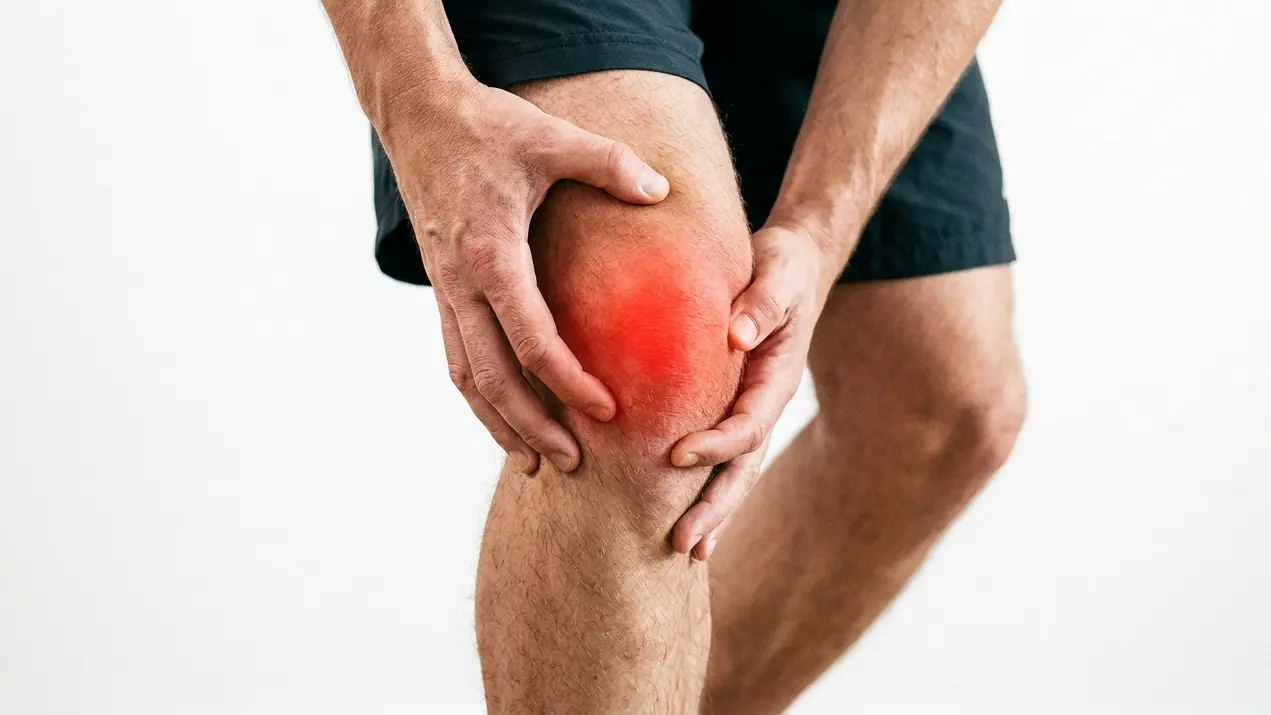
The knee is one of the most complex joints in the human body, acting as the pivot point for almost every movement we make. When you experience a sudden pop or a sharp pain during activity, the road to recovery can feel daunting. Understanding knee ligament injury treatment is the first step toward reclaiming your mobility and returning to the lifestyle you love in the UAE. Whether you are an athlete in Sharjah or someone dealing with a domestic injury, navigating the various treatment modalities, from conservative home care to advanced surgical reconstruction, is essential for long-term joint health.
Understanding the Anatomy of the Knee Ligaments
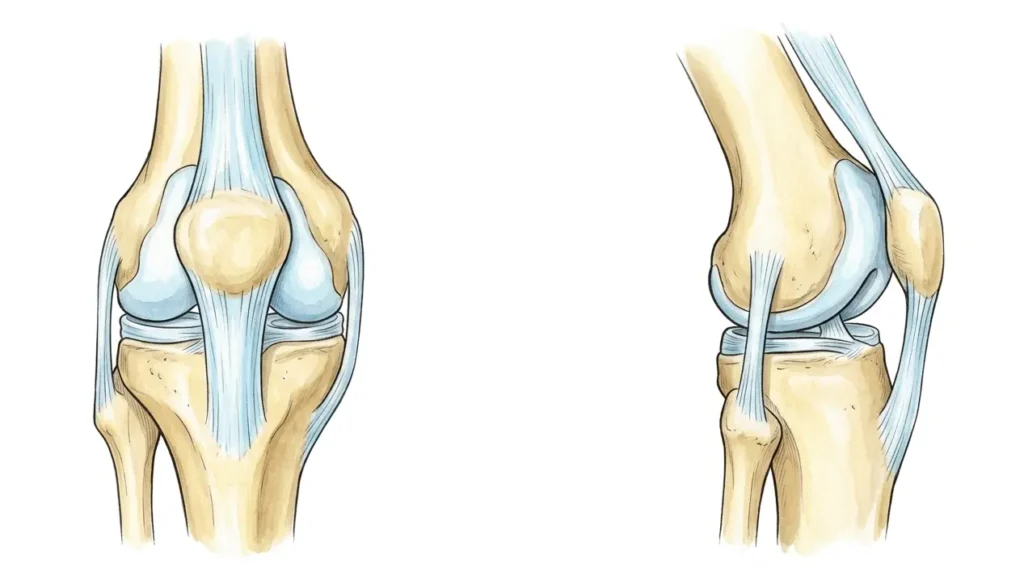
To understand how an injury heals, one must first understand what holds the knee together. The knee joint is stabilized by four primary ligaments, which are tough bands of fibrous tissue connecting the thigh bone (femur) to the shin bone (tibia):
- Anterior Cruciate Ligament (ACL): Located in the center of the knee, it controls rotation and forward movement of the tibia.
- Posterior Cruciate Ligament (PCL): The strongest ligament, located at the back of the knee, it controls the backward movement of the tibia.
- Medial Collateral Ligament (MCL): Situated on the inner side of the knee, it provides stability against forces applied to the outer side.
- Lateral Collateral Ligament (LCL): Located on the outer side, it stabilizes the knee against forces from the inner side.
What is a Knee Ligament Injury?
A knee ligament injury, often referred to as a “sprain,” occurs when these fibrous bands are stretched or torn. Doctors typically grade these injuries to determine the appropriate treatment for ligament tear:
- Grade 1: The ligament is mildly damaged and slightly stretched but still keeps the joint stable.
- Grade 2: Often called a partial tear; the ligament is stretched to the point where it becomes loose.
- Grade 3: A complete tear of the ligament, leading to significant joint instability.
Read also about knee ligament tear treatment and advanced treatment protocols.
Why Does Knee Ligament Injury Occur?
In a vibrant, active community like Sharjah, knee injuries are common due to high-impact sports (like football or padel) and occupational hazards. Common causes include:
- Sudden Pivoting: Changing direction quickly while the foot is firmly planted.
- Direct Impact: A blow to the side of the knee or a collision.
- Hyperextension: Forcing the knee to go beyond its natural straight position.
- Sudden Stops: Abruptly slowing down while running.
Knee Ligament Injury Symptoms
Identifying the signs early can prevent further damage. If you suspect an injury, look for:
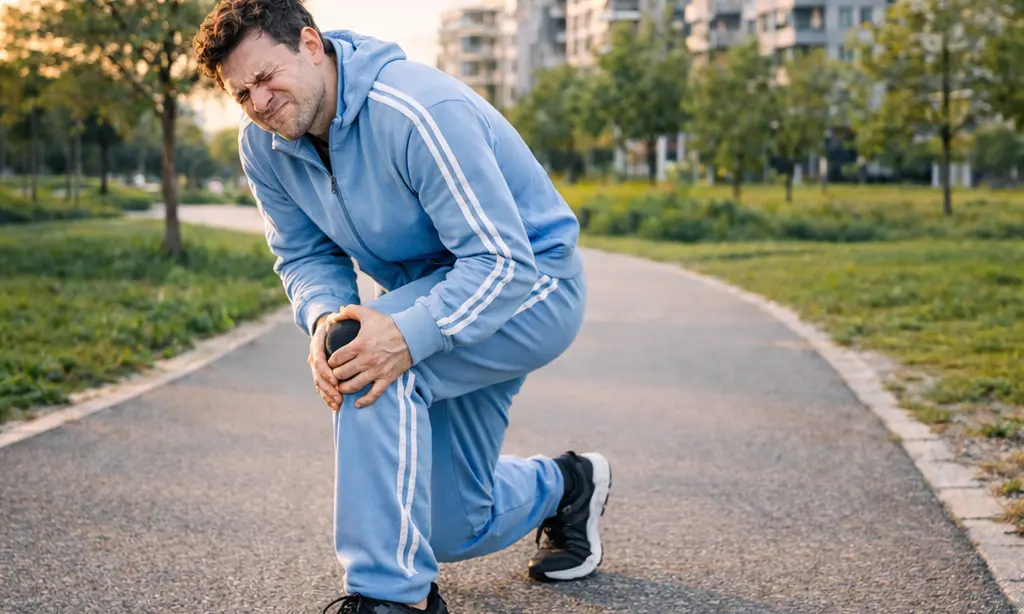
- A loud “pop” or “snap” at the time of injury.
- Immediate and severe pain that prevents continued activity.
- Rapid swelling within the first 24 hours.
- A feeling of “giving way” or instability when weight-bearing.
- Reduced range of motion and difficulty straightening the leg.
Read also about Ligament Tear Symptoms and how to Identify Them Before It’s Too Late.
Knee Ligament Injury Treatment Options
The path for knee ligament injury treatment varies based on the severity of the tear and the patient’s activity level.
Knee Ligament Injury Treatment Without Surgery
For Grade 1 and many Grade 2 tears, conservative management is highly effective. This includes:
- Bracing: Using a functional brace to protect the knee from lateral movement while it heals.
- Physical Therapy: Specialized knee ligament exercises designed to strengthen the quadriceps and hamstrings, which take the pressure off the injured ligament.
- Activity Modification: Avoiding high-impact activities until the joint is stabilized.
Knee Ligament Injury Treatment at Home
Initial care usually follows the R.I.C.E protocol:
- Rest: Avoid putting weight on the affected leg.
- Ice: Apply cold packs for 20 minutes every few hours to reduce swelling.
- Compression: Use an elastic bandage to provide support and limit edema.
- Elevation: Keep the knee raised above the heart level.
Knee Ligament Injury Treatment Medicine
To manage pain and inflammation, your specialist may recommend:
- NSAIDs: Medications like Ibuprofen or Naproxen to reduce swelling.
- Best Ointment for Ligament Tear: Topical gels containing Diclofenac or herbal extracts can provide localized relief for minor strains and “leg ligament injury treatment.”
Knee Ligament Injury Treatment in Ayurveda
Many residents in the UAE seek holistic approaches alongside modern medicine. Ayurvedic treatments often focus on:
- Kizhi: Warm herbal poultices used to reduce inflammation.
- Janu Basti: A treatment where warm medicated oil is pooled over the knee joint to improve lubrication and strengthen tissues.
Note!
These should always be discussed with your primary orthopedic surgeon to ensure they do not interfere with clinical recovery.

What is Knee Ligament Repair or Reconstruction?
When a ligament, particularly the ACL, is completely torn (Grade 3), it cannot simply be sewn back together because there is no blood supply to the tissue. Instead, knee ligament reconstruction is performed. This involves replacing the torn ligament with a graft, usually taken from the patient’s own hamstring or patellar tendon.
Why Do I Need Knee Ligament Reconstruction?
You may require surgery if:
- You are an athlete wanting to return to pivoting sports.
- More than one ligament is injured simultaneously.
- The knee buckles during everyday activities like walking.
- You have a secondary injury to the meniscus.
What are the Risks of Knee Ligament Reconstruction?
As with any surgical procedure, there are potential risks, including:
- Infection at the incision site.
- Knee stiffness or loss of range of motion if physical therapy is neglected.
- Graft failure or stretching over time.
- Numbness in the surgical area.
Explore expert knee treatments & arthroscopy by Dr. Ahmed Azmy
How to Heal Ligament Faster?
Recovery is a marathon, not a sprint, but you can optimize your healing time by:
- Nutritional Support: High protein intake, Vitamin C, and Zinc support collagen synthesis.
- Consistency: Never skip your knee ligament exercises; movement is medicine.
- Hydration: Water is essential for maintaining the elasticity of connective tissues.
- Sleep: Growth hormones released during deep sleep are vital for tissue repair.
Read also about Knee Injuries: Symptoms, Causes, and Treatment Options.
Why You Should Choose Dr. Ahmed Azmy
When dealing with complex joint injuries in Sharjah and the wider UAE, expertise matters. Dr. Ahmed Azmy is widely recognized as a leading destination for orthopedic excellence. With a focus on “humanized” care, Dr. Ahmed Azmy combines advanced surgical techniques with a deep empathy for his patients’ recovery journeys.
Whether you are seeking a second opinion on a chronic “treatment for ligament tear” or need an urgent consultation for a fresh injury, Dr. Ahmed Azmy provides a comprehensive diagnostic approach. By utilizing state-of-the-art imaging and personalized rehabilitation plans, he ensures that every patient receives a treatment path tailored to their specific lifestyle needs.
Take the first step toward a pain-free life!
Contact Dr. Ahmed Azmy today to schedule your consultation and regain your mobility.
FAQ About Knee Ligament Injury Treatment
How to recover from a knee ligament injury?
Recovery involves a combination of rest, focused physical therapy to strengthen supporting muscles, and, in severe cases, surgical reconstruction. Following a structured rehabilitation program is the most critical factor in a full recovery.
How long does it take for a torn ligament in my knee to heal?
A mild sprain (Grade 1) can heal in 2–4 weeks. However, a complete tear requiring surgery can take 6–9 months of dedicated rehabilitation before a patient can return to high-impact sports.
How do I know if my knee injury is serious?
Signs of a serious injury include the inability to bear weight, visible deformity of the joint, rapid and extreme swelling, or a feeling that the knee is “locking” or completely unstable.
How do you relieve ACL pain?
Immediate relief is found through the R.I.C.E. method and anti-inflammatory medications. Long-term pain relief is achieved by reducing the load on the ACL through hamstring and quadriceps strengthening.
Conclusion
Navigating a knee ligament injury treatment plan requires patience, the right information, and expert guidance. From the initial pain of a tear to the final stages of rehabilitation, every step is vital. By combining home care, advanced medicine, and professional physical therapy, most patients can return to their favorite activities. If you are in Sharjah or the UAE and struggling with knee instability, consulting with an expert like Dr. Ahmed Azmy can ensure you are on the fastest and safest path to recovery.