
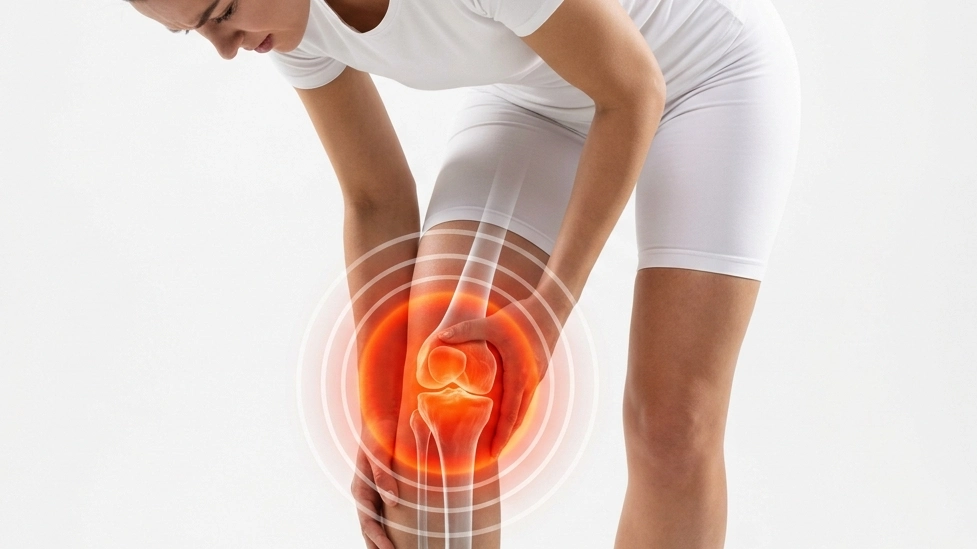
Every step you take, whether walking along the beautiful Sharjah Corniche or climbing the stairs at home, relies on a quiet engineering marvel inside your body. That marvel is your knee cartilage. It acts as a natural cushion that ensures your joints move smoothly, silently, and entirely without pain.
However, when this protective layer breaks down, everyday movements can quickly become a struggle. If you are experiencing stiffness, a deep ache, or a clicking sensation in your joint, you might be dealing with knee cartilage damage.
Ignoring joint discomfort can lead to progressive wear and tear. Finding the right medical care early is the most effective way to protect your long-term mobility. In this comprehensive guide, we will break down everything you need to know about tissue preservation, modern treatment pathways, and how leading experts like Dr Ahmed Azmy can help you return to a pain-free life.
What is Knee Cartilage?
To understand how your joints function, it helps to look at the anatomy of the knee. Cartilage is a tough, flexible, and slippery connective tissue found throughout the human body. Unlike skin or muscle tissue, it does not contain blood vessels, nerves, or a lymphatic system.
Because it lacks a direct blood supply, the articular cartilage knee structures rely on cellular diffusion from the surrounding joint fluid (synovial fluid) to receive nutrients and oxygen. This unique biological trait is highly important: because there is no direct blood flow to deliver healing cells, it is incredibly difficult for the body to repair this tissue naturally once it is compromised.
Function of Knee Cartilage
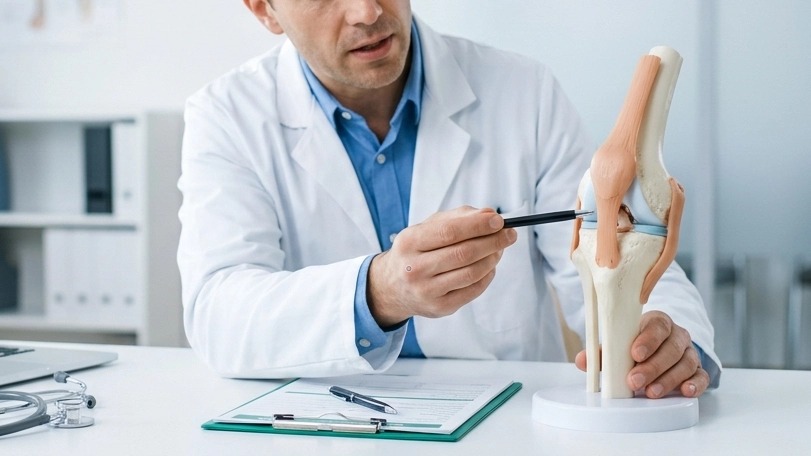
Your knee joint cartilage performs two essential duties that keep you moving smoothly:
- Friction Reduction: It creates a glass-like surface that allows the thigh bone (femur) and shin bone (tibia) to glide against each other seamlessly during movement.
- Shock Absorption: It acts as a built-in shock absorber, evenly distributing structural load across the joint surfaces whenever you run, jump, or walk.
Without this protective barrier, the bones of your joint would rub directly against each other, creating intense friction, inflammation, and bone spurs.
Types of Knee Cartilage
The knee joint actually contains two distinct types of cartilage, each serving a unique structural purpose:
- Articular (Hyaline) Cartilage
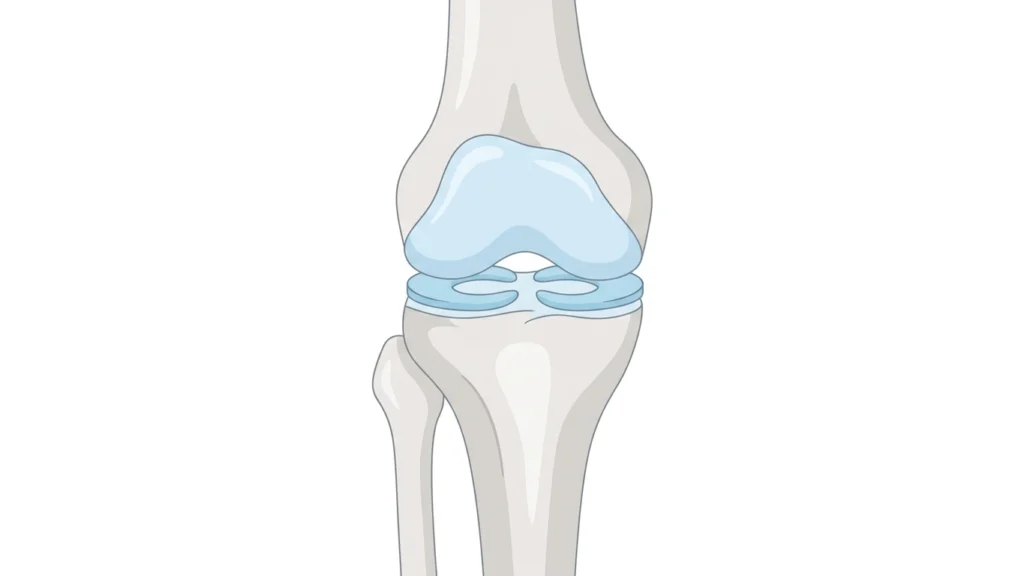
This is the smooth, white tissue that directly caps the ends of your bones. It measures just a few millimeters thick but is incredibly durable, allowing for frictionless joint rotation. - Fibrocartilage (The Menisci)
Unlike hyaline tissue, fibrocartilage forms two crescent-shaped pads known as the medial and lateral menisci. These act as heavy-duty shock absorbers that stabilize the joint and distribute your body weight evenly across the leg.
What is Knee Cartilage Damage?
Knee cartilage damage refers to any structural tearing, fraying, or thinning of these protective layers. Because the tissue lacks nerve endings, early damage itself does not hurt. Instead, the pain you feel comes from the exposed bone beneath, or from inflammation in the surrounding joint lining (synovium).
Left unaddressed, small micro-tears can gradually expand over time, eventually leading to a complete loss of joint space—a condition widely known as osteoarthritis.
Common Causes of Knee Cartilage Damage
Cartilage breakdown rarely happens without a clear underlying cause. The most frequent triggers include:
- Acute Traumatic Injuries: Sudden impact knee injuries, sports-related twists, or ligament tears (like an ACL tear) can shear the cartilage surface right off the bone.
- Chronic Wear and Tear: Gradual degeneration from repetitive, high-impact stress over several years can thin out the protective layer.
- Mechanical Misalignment: Structural issues like being bow-legged or knock-kneed place uneven stress on one specific side of the joint.
- Excess Body Weight: Carrying extra weight increases the constant physical pressure placed on your knee joints during daily activities.

Signs and Symptoms of Knee Cartilage Damage
If your joint health is deteriorating, your body will typically send out clear warning signs. Keep an eye out for these common indications:
- Persistent Joint Pain: A deep, dull ache that worsens when you put weight on the leg or during long periods of inactivity.
- Swelling and Inflammation: The joint space regularly fills with excess fluid, a symptom often referred to as “water on the knee.”
- Mechanical Catching or Locking: Loose pieces of frayed tissue can get physically caught inside the joint mechanism, making it feel stuck.
- Grinding Sensations: A distinct popping, cracking, or grinding feeling (crepitus) during flexion and extension.
Diagnosis of Knee Cartilage Damage
An accurate, early medical evaluation is vital for building an effective recovery plan. A specialist will typically use a multi-step approach:
- Clinical Examination: Evaluating your joint’s range of motion, stability, alignment, and localized tenderness.
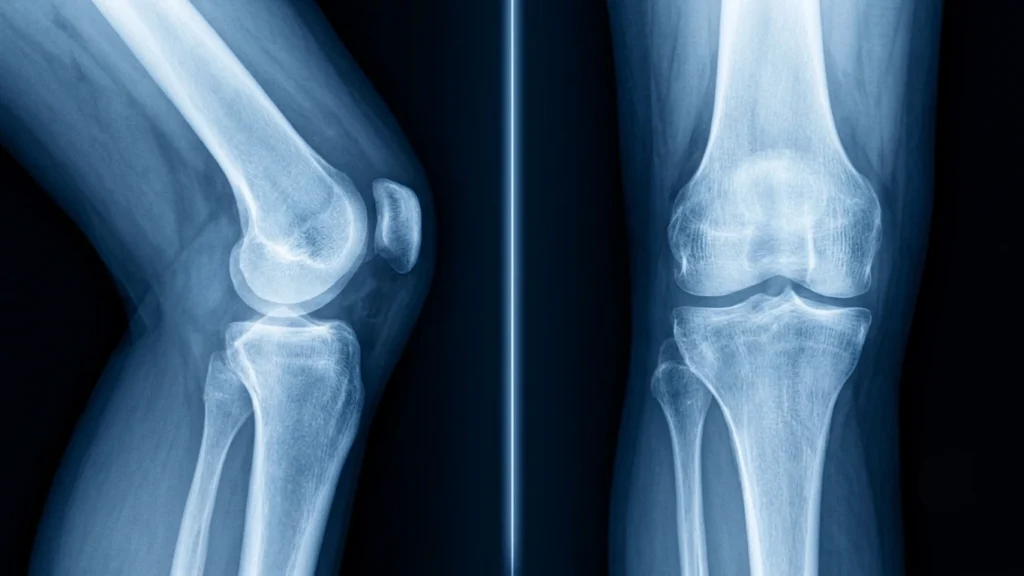
- Weight-Bearing X-Rays: While standard X-rays cannot show soft tissue directly, they reveal narrowing joint spaces that indicate tissue loss.
- Magnetic Resonance Imaging (MRI): The gold standard for joint diagnostics, providing high-resolution images of both articular and meniscal layers.
Can Knee Cartilage Regenerate?
Because the tissue lacks a natural blood supply, spontaneous knee cartilage regeneration is very limited on its own. While the body can sometimes fill tiny defects with a scar-like tissue called fibrocartilage, this material is less durable than the original hyaline surface.
Fortunately, modern regenerative medicine and advanced surgical interventions have changed what is possible, allowing specialists to successfully stimulate and restore healthy tissue surfaces.
Treatment Options for Knee Cartilage Damage
An expert orthopedic care plan is always tailored to the specific size and depth of your tissue injury.
Non-Surgical Management
For mild to moderate wear, initial conservative strategies are highly effective:
- Targeted Physical Therapy: Strengthening the surrounding musculature to reduce structural load on the joint.
- Viscosupplementation: Injections of hyaluronic acid to safely lubricate the joint space.
- Biologic Injections: Using advanced cellular therapies to reduce localized inflammation and protect remaining tissue structures.
Advanced Surgical Interventions
If conservative measures are not enough, modern minimally invasive procedures can help restore the joint:
- Microfracture: Making tiny openings in the underlying bone to stimulate a healing response that creates new coverage tissue.
- Autologous Chondrocyte Implantation (ACI): A two-stage procedure where healthy cartilage cells are harvested, grown in a lab, and replanted into the damaged area.
- Osteochondral Allograft Transplantation: Replacing larger areas of damaged tissue using a healthy graft of bone and cartilage.

Best Supplement for Knee Cartilage
While supplements cannot completely rebuild a heavily damaged joint surface, certain natural compounds provide excellent support for overall joint health:
- Glucosamine and Chondroitin Sulfate: These natural elements provide the foundational building blocks your body needs to maintain cartilage elasticity and structural integrity.
- Type II Collagen: Highly regarded as an effective daily choice, specialized collagen supplements help protect the extracellular matrix of joint tissues.
- Omega-3 Fatty Acids: Found in high-quality fish oils, these powerful nutrients actively lower systemic inflammation inside the joint fluid.
Take a visual tour of Dr Ahmed Azmy’s practice gallery.
How to Build Cartilage in Knee Naturally
Supporting your joint health through everyday lifestyle adjustments can make a significant difference over time:
- Anti-Inflammatory Nutrition: Base your meals around nutrient-dense whole foods. Leafy greens, berries, garlic, and turmeric contain powerful antioxidants that shield joint cells from oxidative stress.
- Consistent Hydration: Cartilage is largely made of water. Staying well-hydrated keeps the tissue lubricated and bouncy.
- Low-Impact Movement: Regular movement circulates synovial fluid, which continuously delivers essential nutrients directly to your joint tissues.
Visit the patient connection hub and learn more about your condition and connect with Dr Ahmed Azmy.

When Should You Visit a Doctor?
You should not wait for severe pain or a total loss of mobility before seeking professional medical advice. Schedule a clinical consultation if you experience:
- Joint swelling or pain that lasts longer than two to three weeks.
- An inability to bear weight on your leg comfortably.
- Frequent clicking, popping, or sudden giving out of the knee.
Early intervention by a specialist can prevent a localized issue from developing into widespread joint degeneration.
Discover more about Dr Ahmed Azmy’s case studies and treatment results in Sharjah.
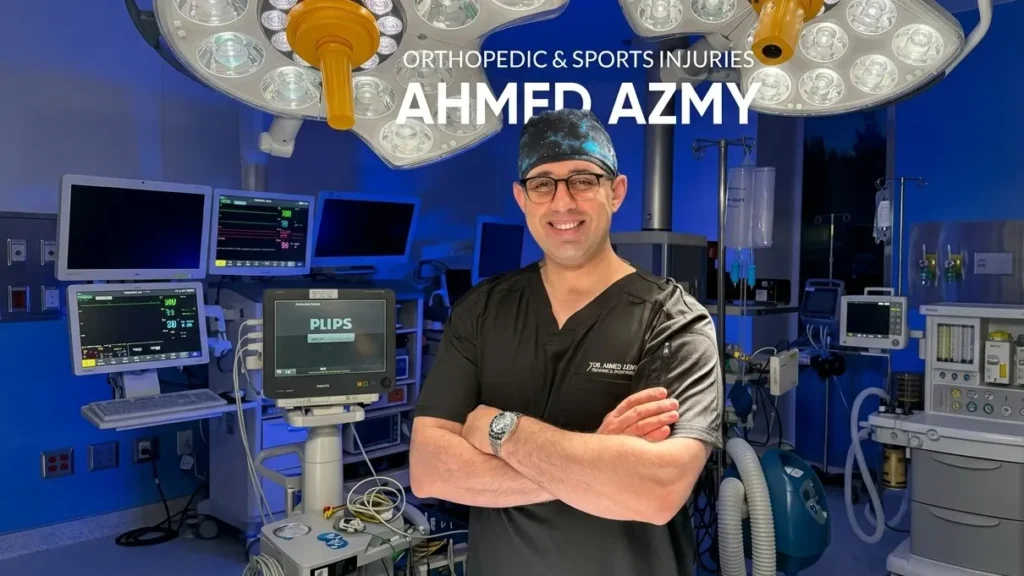
Dr Ahmed Azmy: The Best Knee Surgeon in Sharjah
When it comes to restoring complex joint structures, working with a highly skilled, specialized surgeon is crucial. Dr Ahmed Azmy is widely recognized as a premier destination for advanced orthopedic care and complex knee transformations in Sharjah.
Bringing years of specialized surgical experience, Dr Ahmed Azmy combines advanced minimally invasive arthroscopic techniques with tailored, compassionate patient care. Whether you need an early-stage joint preservation strategy or an advanced cartilage reconstruction, his patient-first approach ensures you receive a precise diagnosis and an optimized pathway to recovery.
Book your Appointment with Dr Ahmed Azmy now!
Do not let joint pain limit your active lifestyle or keep you from enjoying your favorite activities. Protecting your long-term mobility starts with taking a proactive first step.
Take control of your health today. Visit the official website of Dr Ahmed Azmy to explore his specialized treatment options, read inspiring patient success stories, and easily book your consultation. Schedule your appointment with Dr Ahmed Azmy and begin your path toward comfortable, pain-free movement.
FAQs about knee cartilage
How long does knee cartilage heal?
Because cartilage lacks a direct blood supply, it heals much more slowly than other tissues. Minor conservative recoveries can take anywhere from six to twelve weeks. However, recovering from advanced regenerative surgeries or cartilage transplants typically requires six to twelve months of structured physical rehabilitation to fully restore joint strength.
How to improve knee cartilage?
You can optimize your joint environment by drinking plenty of water, eating a clean anti-inflammatory diet, taking targeted joint supplements like glucosamine, and doing low-impact exercises. For structural damage, consulting a specialist for medical options like hyaluronic acid injections or regenerative therapies is the most effective approach.
Is walking good for damaged knee cartilage?
Yes, gentle walking on flat, even surfaces is highly beneficial. Walking compresses and decompresses the joint, which pumps nutrient-rich fluid directly into the tissue. However, if walking triggers sharp pain or increased swelling, shorten your distance and consult an orthopedic specialist to adjust your activity plan.
What foods help cartilage repair?
Foods rich in Vitamin C (like oranges, bell peppers, and broccoli) are excellent for supporting natural collagen production. Additionally, bone broths, wild-caught fish, walnuts, and antioxidant-rich spices like ginger and turmeric help lower inflammation, creating an ideal internal environment for joint preservation.
Final words about knee cartilage
Your knee cartilage is vital for maintaining an active, independent, and pain-free life. While structural damage presents unique biological challenges, you do not have to live with chronic joint stiffness or give up the activities you love. From modern non-surgical therapies to advanced joint preservation techniques, today’s medical field offers highly effective solutions to restore your quality of life.
Partnering with an experienced specialist is the absolute best way to protect your long-term health. Dr Ahmed Azmy and his dedicated team in Sharjah are ready to provide the advanced, authoritative, and compassionate care you deserve. Reach out for an expert medical evaluation today, and take your first definitive step toward a stronger, healthier future.