Living in a vibrant city like Sharjah often means staying active, whether you are enjoying a walk along the Al Majaz Waterfront or managing a busy professional life. However, persistent knee pain can quickly turn these simple pleasures into significant challenges. If conservative treatments like rest and physical therapy haven’t provided the relief you need, knee arthroscopy might be the definitive solution you’ve been seeking.
This advanced, minimally invasive surgical procedure allows orthopedic surgeons to visualize, diagnose, and treat various knee joint issues through tiny incisions. In this comprehensive guide, we will explore everything you need to know about “knee scope” surgery, from the procedure details to the knee arthroscopy recovery time, helping you make an informed decision about your joint health.
What is Knee Arthroscopy?
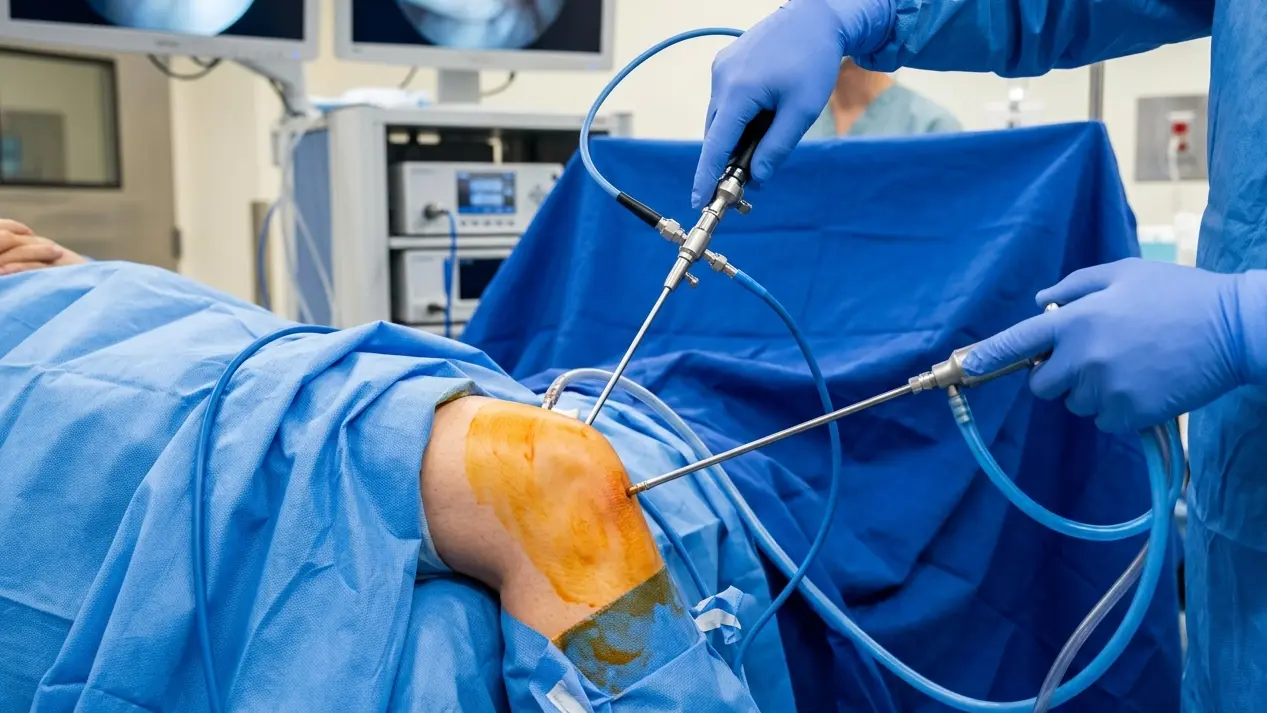
Knee arthroscopy is a modern surgical technique used to treat problems in the knee joint. Unlike traditional “open” surgery that requires a large incision to expose the joint, arthroscopy utilizes an arthroscope, a small, flexible tube equipped with a fiber-optic camera and light.
During the procedure, the surgeon inserts the arthroscope through a small incision (about the size of a buttonhole). The camera transmits high-definition images of the inside of your knee to a monitor, allowing the surgeon to examine the cartilage, ligaments, and tendons in great detail. If repairs are needed, specialized miniature tools are inserted through other small incisions to correct the issue immediately.
Because the incisions are so small, patients generally experience less pain, less joint stiffness, and a faster return to their daily activities compared to traditional surgery.
Common Knee Arthroscopy Indications
Not every instance of knee pain requires surgery. However, when diagnostic imaging (like X-rays or MRIs) and clinical examinations reveal specific internal damage, knee arthroscopy becomes a vital tool. Common reasons for recommending this procedure include:
- Torn Meniscus: The meniscus is the C-shaped cartilage that acts as a shock absorber between your thighbone and shinbone. Tears are common in athletes and older adults alike.
- Anterior Cruciate Ligament (ACL) Tears: Often occurring during sports, a torn ACL can cause significant instability.
- Torn Posterior Cruciate Ligament (PCL): Though less common than ACL tears, these also require surgical intervention for stability.
- Loose Bodies: Sometimes, small fragments of bone or cartilage break off and float within the joint, causing “locking” or pain.
- Synovitis: Inflammation of the synovial lining of the joint, often seen in rheumatoid arthritis.
- Patellar (Kneecap) Issues: Realignment of the kneecap or treating damaged cartilage underneath it.
- Baker’s Cyst: While the cyst itself is at the back of the knee, it is often caused by an internal joint issue that needs arthroscopic treatment.
Knee Arthroscopy Procedure Details
Understanding the technical side of the surgery can help alleviate anxiety. The goal of the procedure is to provide a clear view of the joint and perform precise repairs with minimal trauma to the surrounding tissue.
What Happens Before Knee Scope Surgery?
Preparation is key to a successful outcome. Your surgical team will provide specific instructions, which typically include:
- Pre-operative Testing: Blood tests, EKGs, or chest X-rays to ensure you are fit for surgery.
- Medication Review: You may be asked to stop taking blood thinners or anti-inflammatory medications (like ibuprofen) a week before the procedure.
- Fasting: Usually, you must not eat or drink anything after midnight the night before your surgery.
- Arranging Transport: Since you will be under anesthesia, you will need a friend or family member to drive you home.
What Happens During Arthroscopic Knee Surgery?
Once you are in the operating room, the process follows these general steps:
- Anesthesia: You may receive general anesthesia (asleep), spinal anesthesia (numb from the waist down), or local anesthesia with sedation.
- Inflation: The surgeon will fill the knee joint with a sterile saline solution. This expands the joint and provides a clearer view for the camera.
- The Incisions: Two or three tiny incisions (portals) are made around the knee.
- Inspection and Repair: The surgeon examines the entire joint. Once the problem is identified, they use small tools to trim torn cartilage, smooth out bone spurs, or reconstruct ligaments.
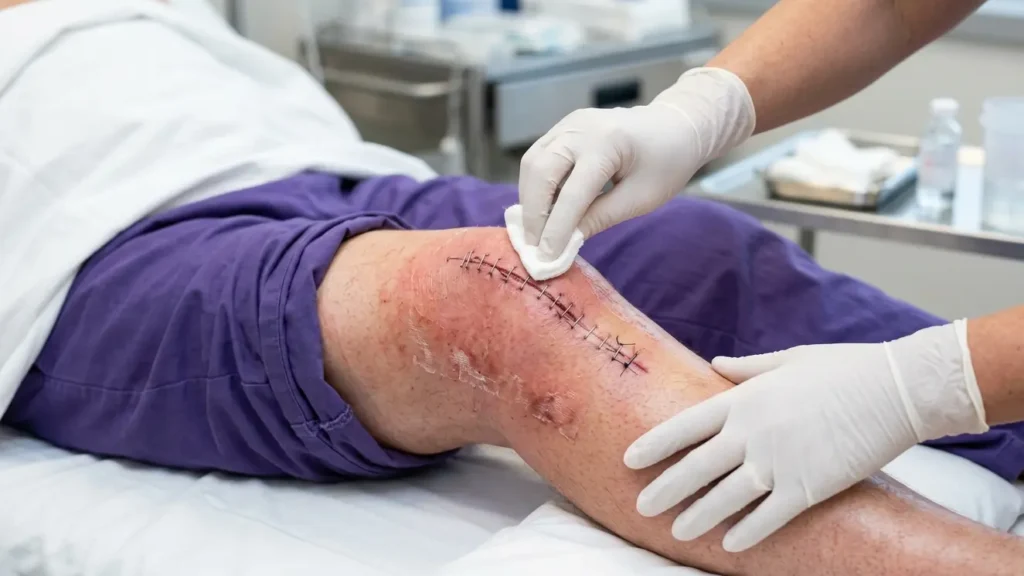
- Closing: The saline is drained, and the incisions are closed with a single stitch or sterile tape strips (Steri-Strips). A bandage or compression wrap is applied.
What Happens After Knee Arthroscopy?
The procedure is typically performed on an outpatient basis, meaning you can go home the same day. You will spend an hour or two in a recovery room while the anesthesia wears off. It is normal to feel some grogginess and localized swelling. You will be given a set of discharge instructions, which include how to care for your bandages and initial exercises after knee arthroscopy to keep the blood flowing.
Understanding the Risks: Knee Arthroscopy Complications
While knee arthroscopy is considered very safe, no surgery is entirely without risk. Potential knee arthroscopy complications are rare but can include:
- Infection: Minimize this risk by keeping your incision sites clean and dry.
- Blood Clots: Deep Vein Thrombosis (DVT) is a concern after any leg surgery; movement and prescribed blood thinners help prevent this.
- Excessive Bleeding: Some bleeding into the joint can cause swelling and pain.
- Nerve Damage: Rare, but can cause localized numbness near the incisions.
- Stiffness: This usually happens if the patient does not follow the recommended physical therapy protocol.
Choosing an experienced surgeon in Sharjah significantly reduces these risks, as technical precision is vital in navigating the delicate structures of the knee.
Knee Arthroscopy Recovery Time
One of the most frequent questions patients ask is: “How long until I am back to normal?” While the knee arthroscopy recovery time varies depending on the complexity of the repair (e.g., a simple cleaning vs. a full ligament reconstruction), most patients follow this general timeline:
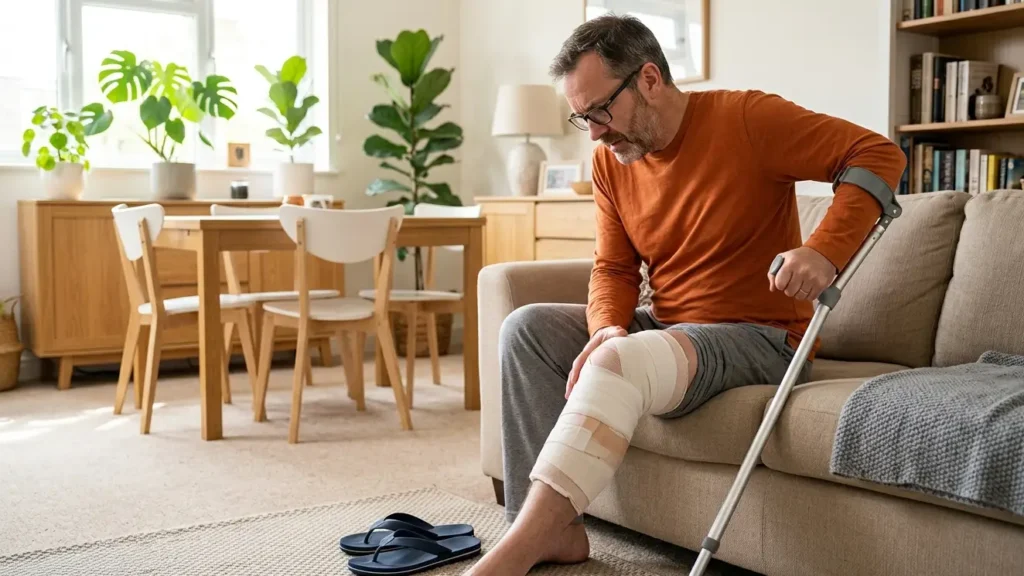
- Week 1: Focus on rest, ice, and elevation. You may need crutches for a few days.
- Weeks 2-4: Most people can return to desk jobs and light driving. Physical therapy becomes the primary focus.
- Weeks 6-8: You may begin low-impact activities like cycling or swimming.
- 3-6 Months: Return to high-impact sports (like football or running) is usually permitted once strength and range of motion are fully restored.
Medication and Pain Management
Managing discomfort is essential for early mobilization. Your doctor will likely prescribe:
- NSAIDs: Medications like naproxen or ibuprofen to reduce swelling and pain.
- Ice Therapy: Applying ice packs for 20 minutes several times a day is the most effective way to manage post-operative inflammation.
- Compression: Wearing a compression stocking or sleeve helps prevent fluid buildup.
Essential Exercises After Knee Arthroscopy
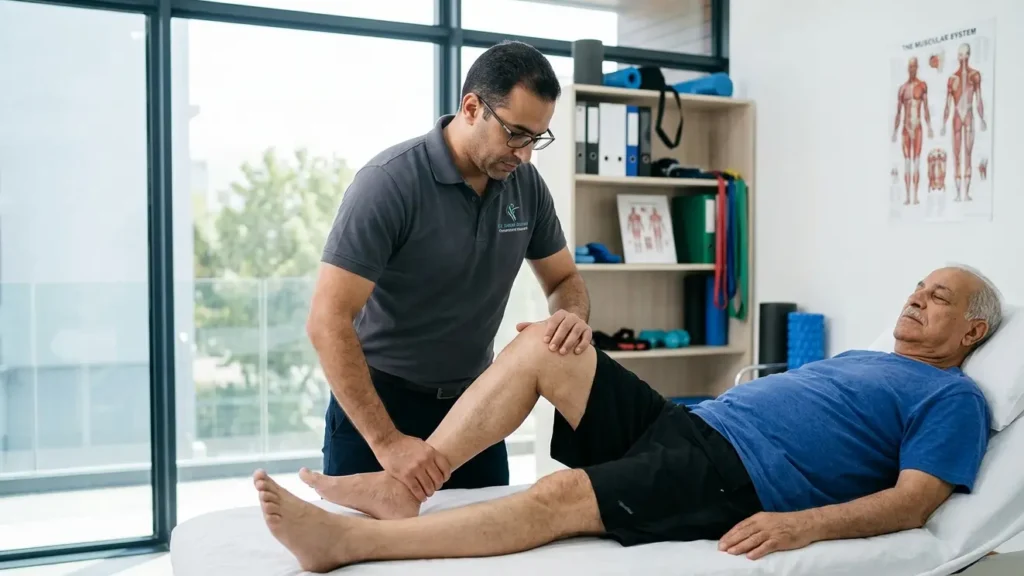
Recovery is an active process. You shouldn’t wait for the pain to disappear completely before you start moving. Early exercises after knee arthroscopy are designed to prevent stiffness and strengthen the quadriceps. Common early movements include:
- Ankle Pumps: Flexing your foot up and down to promote circulation.
- Quadriceps Sets: Tightening the muscle on the top of your thigh while pushing the back of your knee into the bed.
- Straight Leg Raises: Lifting your leg slightly while keeping it straight to build hip and thigh strength.
- Heel Slides: Gently sliding your heel toward your buttocks to regain knee flexion.
Note!
Always perform these under the guidance of your physical therapist to ensure you aren’t putting too much stress on the healing tissues.
When Should I Call My Healthcare Provider?
While minor swelling and discomfort are expected, you should contact your doctor immediately if you notice:
- Fever or chills.
- Persistent redness or warmth around the knee.
- Severe pain that isn’t relieved by medication.
- Shortness of breath or chest pain (which could indicate a blood clot).
- Significant calf pain or swelling.
Knee Arthroscopy Cost in the UAE
The knee arthroscopy cost in Sharjah can vary based on the clinic’s facilities, the surgeon’s expertise, and the specifics of the procedure (diagnostic vs. reconstructive). Most private insurance plans in the UAE cover arthroscopic procedures if they are deemed medically necessary. It is always advisable to get a detailed quote and check with your insurance provider for pre-authorization.
Why Should You Choose Dr. Ahmed Azmy?
When it comes to orthopedic health, expertise and empathy are the two most important factors. Dr. Ahmed Azmy is a leading name in orthopedic surgery in the UAE, known for his precision in minimally invasive joint procedures.
By choosing Dr. Ahmed Azmy, you benefit from:
- Advanced Diagnostic Tools: Ensuring that surgery is only recommended when absolutely necessary.
- Personalized Care: A recovery plan tailored to your specific lifestyle, whether you are an athlete or looking to enjoy pain-free walks with your family.
- Local Expertise: Conveniently located to serve patients in Sharjah and Dubai with world-class standards.
If you are struggling with knee pain and are looking for a permanent solution, don’t let the problem worsen. Reclaiming your mobility starts with an expert consultation.
Contact Dr. Ahmed Azmy today!
schedule your consultation and take the first step toward a life without knee pain.
FAQ About Knee Arthroscopy
How long does it take to recover from knee arthroscopic surgery?
For minor procedures like a meniscectomy (trimming a tear), most people return to full activity within 4 to 6 weeks. However, ligament reconstructions can take 6 months or longer for a complete return to sports.
Can you walk after a knee arthroscopy?
Yes, most patients can put weight on their leg immediately or shortly after surgery. However, you may need crutches for the first few days to provide stability and minimize swelling.
Is knee arthroscopy major surgery?
While it is “surgery,” it is considered a minor or minimally invasive procedure compared to a total knee replacement. It is usually done as an outpatient procedure, meaning you don’t stay in the hospital overnight.
Will I be awake during arthroscopic knee surgery?
It depends on the type of anesthesia you and your surgeon choose. If you have regional or spinal anesthesia, you will be awake but won’t feel anything from the waist down. If you have general anesthesia, you will be completely asleep.
Are the scars visible after the procedure?
The incisions are typically less than 1 cm long. Once healed, the scars are very small and often fade significantly over time, becoming barely noticeable.
Conclusion
Knee pain shouldn’t dictate your quality of life. Whether you are dealing with a sports injury or age-related wear and tear, knee arthroscopy offers a safe, effective, and minimally invasive path to recovery. By understanding the procedure, focusing on your exercises after knee arthroscopy, and choosing an expert like Dr. Ahmed Azmy, you can ensure a smooth transition back to the activities you love.
Remember, the key to a successful outcome is early intervention and a dedicated rehabilitation plan. If your knee is holding you back, reach out to Dr. Ahmed Azmy for a professional evaluation and start your journey toward healing today.