Knee pain is a common complaint that many of us experience at some point in our lives. It can range from a mild nuisance to a debilitating issue that disrupts daily activities. Whether it’s pain behind the knee, sharp discomfort on the outer side, or persistent aching on the inside of the knee, these symptoms can leave you wondering about their cause.
Knee pain can be especially concerning for active individuals and those of us living in the UAE, where outdoor activities and sports are part of the lifestyle. If you’re feeling pain, especially at night, it’s important to understand the potential causes and treatment options available to you.
As your trusted orthopedic surgeon, I want to reassure you that knee pain doesn’t have to hold you back. Together, we will explore what causes knee pain and I will guide you through appropriate treatments, and work toward a pain-free, active life.
what causes knee pain: What’s Happening Inside Your Knee?
The knee is a complex joint, made up of bones, cartilage, ligaments, and tendons. Understanding what causes knee pain can help pinpoint the right course of treatment. Here are some common reasons why your knee may hurt:
- Arthritis: A Common Culprit
Arthritis is one of the leading causes of knee pain. There are different types, but the most common is osteoarthritis, where the cartilage in the knee wears away over time, causing friction and pain. If you experience stiffness and pain, particularly after physical activity or as you age, arthritis might be the cause. - Injuries: Trauma and Overuse
Knee injuries, such as sprains, strains, or ligament tears, can happen during sports or from sudden, awkward movements. Torn meniscus, ACL injuries, and patellar tendinitis are frequent causes. These injuries often require rest, physical therapy, and sometimes surgical intervention. - Bursitis: Inflammation of Fluid-filled Sacs
Bursae are small sacs of fluid that cushion the knee joint. Inflammation in these sacs can lead to knee bursitis, causing pain, swelling, and tenderness. It’s common in people who kneel frequently or engage in repetitive motions. - Patellofemoral Pain Syndrome (Runner’s Knee)
This condition, often associated with overuse, affects the cartilage beneath the kneecap. It’s especially common in runners, cyclists, or athletes who engage in activities that involve a lot of squatting or jumping. Pain may be felt on the front of the knee, particularly when climbing stairs or running downhill. - Tendonitis: Overuse or Sudden Strain
Tendonitis, an inflammation of the tendons, is another reason for knee pain. Patellar tendonitis (also known as jumper’s knee) occurs from repetitive jumping or running activities. People in sports like basketball or soccer are particularly at risk. - Osteochondritis Dissecans
This condition involves the breakdown of cartilage and bone within the knee joint, causing pain, swelling, and a decreased range of motion. It’s typically seen in young athletes but can affect adults as well. - Gout: Uric Acid Buildup
Gout is a type of arthritis caused by an accumulation of uric acid crystals in the joint. This condition often affects the big toe, but it can also cause pain in the knee, particularly if left untreated. - Septic Arthritis: Infection in the Knee
Infections can cause the knee joint to swell and become red, hot, and painful. Septic arthritis is a serious condition that requires immediate medical attention to prevent joint damage. - Dislocated Kneecap
When the patella (kneecap) moves out of its normal position, it causes intense pain and instability. A dislocated kneecap often occurs after a sudden impact or twisting motion, commonly in sports like soccer or basketball. - Iliotibial Band Syndrome (ITBS)
ITBS occurs when the band of tissue that runs down the outside of the thigh becomes tight and rubs against the knee. It’s common in runners and cyclists, causing pain on the outer side of the knee.
Symptoms of Knee Pain: Identifying the Red Flags
Knee pain doesn’t always have the same pattern, and the symptoms you experience can vary based on what causes knee pain. Common signs include:
- Swelling and stiffness
- Redness or warmth around the knee
- Weakness or instability (feeling like the knee might give way)
- Popping, crunching, or grating sounds
- Inability to straighten the knee fully
If you experience any of these symptoms, especially alongside an injury, you must let me examine you so we can determine the cause together and treat it before it’s too late.
Read more about my knee treatment arthroscopy service to know about its role in the treatment of knee pain.
Dr. Ahmed Azmy’s Approach to Knee Pain Diagnosis and Treatment
When you come to me with knee pain, my first goal is to understand exactly what’s happening with your knee and how it’s affecting your quality of life. Here’s how I approach knee pain:
- Comprehensive Evaluation: I’ll start by listening to your concerns and asking detailed questions about the pain’s onset, location, and any associated symptoms. This will help me understand the specific issue you’re facing.
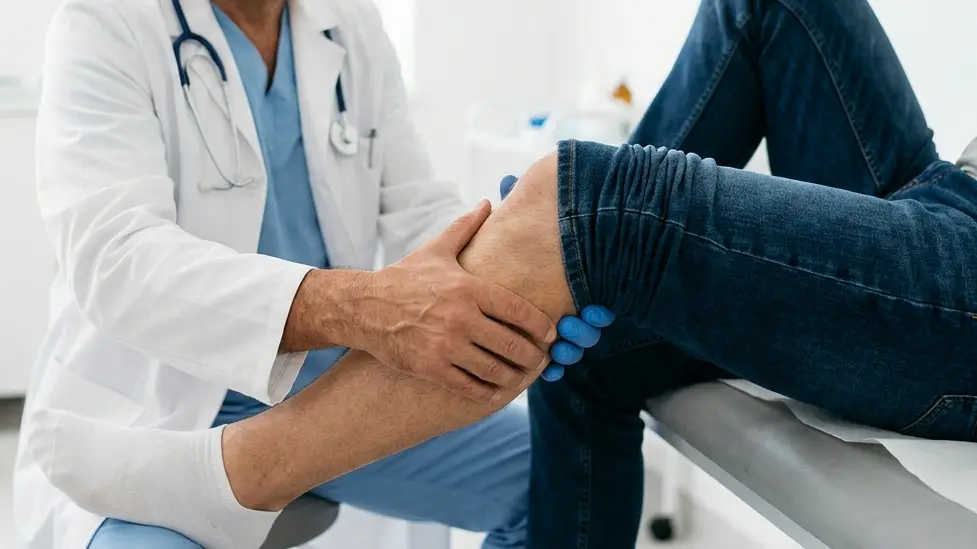
- Physical Examination: Next, I’ll perform a physical exam, which may include checking the range of motion, strength, and stability of your knee joint. I’ll also assess how the pain impacts your movement.
- Imaging Tests: Depending on your symptoms, I may recommend X-rays, MRIs, or CT scans to get a detailed view of the bone, cartilage, and soft tissues around your knee. This helps me pinpoint the exact cause of your knee pain.
- Personalized Treatment Plan: Once I have a clear diagnosis, I’ll work with you to create a treatment plan tailored to your needs. Whether it’s physical therapy, medications, injections, or surgery, my focus is on helping you get back to living a pain-free life.
Treatment Options for Knee Pain: Exploring Conservative and Surgical Solutions
Now that we have identified the symptoms and knew what causes knee pain, we can proceed to explore proposed solutions for treating the pain and improving knee function and strength.
Conservative Treatments
- Rest and Ice: The first line of treatment for knee pain often includes rest and applying ice to reduce swelling.
- Physical Therapy: Exercises that strengthen the muscles around the knee can help reduce pain and improve mobility. It’s one of the most effective treatments for many knee conditions.
- Pain Relief Medications: Over-the-counter pain medications such as ibuprofen can help manage the discomfort.
- Knee Braces or Support: Wearing a knee brace may provide stability and reduce pressure on the knee joint.
Surgical Treatment Options
For more severe knee pain, surgery may be necessary. Some options include:
- Arthroscopy: A minimally invasive procedure to remove damaged tissue or repair injuries inside the knee.
- Knee Replacement: In cases of severe arthritis, total knee replacement may be recommended to replace the damaged joint with a prosthetic.
- Ligament or Tendon Repair: In cases of severe tears, surgical repair may be required to restore knee function.
Book your consultation through the website – drazmyclinic.com – and let us end your feelings of despair.
Recovery and Rehabilitation: What to Expect
Recovery from knee pain depends on the severity and treatment method used. With conservative treatments, you may experience relief within weeks, but more severe conditions might require several months of rehabilitation. Post-surgery, physical therapy plays a key role in regaining strength and mobility.
Read also about knee swelling and when it is a sign of a serious injury.
knee pain & injuries prevention: Keeping Your Knees Healthy
While some knee pain may be unavoidable, there are steps you can take to reduce your risk:
- Maintain a Healthy Weight: Extra weight adds stress on the knee joints, increasing the risk of arthritis and injury.
- Strengthen Your Muscles: Focus on building muscle strength in the thighs, hips, and calves to support your knees.
- Warm-Up and Stretch: Before engaging in physical activity, make sure to stretch and warm up your muscles.
- Wear Proper Footwear: Proper shoes can help reduce stress on your knees, especially if you have flat feet or are prone to injury.
Don’t ignore the pain and let it affect your life!!
Start your journey to effective treatment and end your pain now. Contact me now.
FAQs About what causes knee pain
what causes knee pain at night?
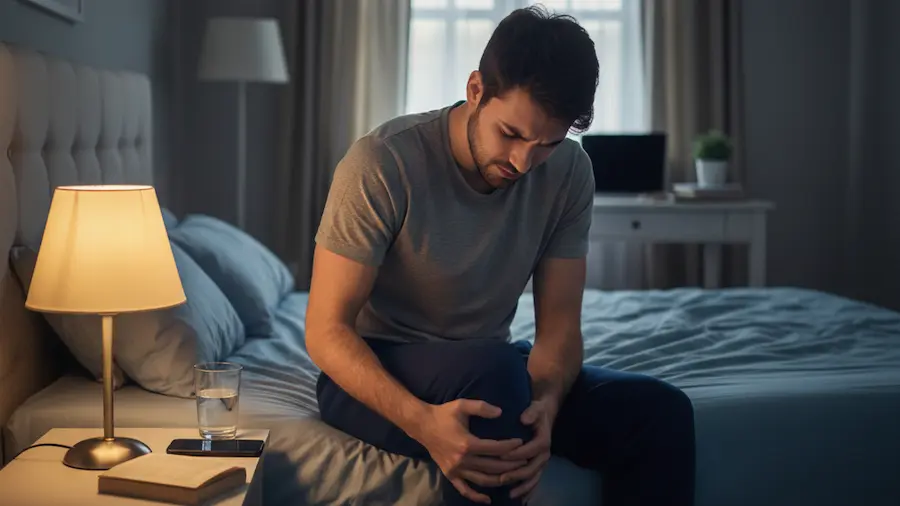
Nighttime knee pain is common, especially in conditions like osteoarthritis, where the inflammation increases when you’re lying down and resting. It can also occur if you’ve been active during the day.
Can I exercise with knee pain?
Light, low-impact exercises like swimming or cycling can help strengthen your knee. However, it’s essential to avoid activities that cause sharp pain.
When should I see a doctor for knee pain?
If the pain is persistent, affects your mobility, or is accompanied by swelling, redness, or instability, it’s best to see a healthcare provider.
Are knee injections safe?
Yes, corticosteroid injections can help reduce inflammation and provide pain relief, especially in cases of arthritis. However, they’re not a permanent solution and should be used cautiously.
Will I need surgery for knee pain?
Surgery is usually a last resort. Many knee conditions can be treated conservatively with physical therapy and medications. Surgery may be necessary if other treatments fail or if you have significant joint damage.
Conclusion: You Don’t Have to Live with Knee Pain
Knee pain can be challenging, but with the awareness of what causes knee pain, right care and treatment, you don’t have to let it control your life. If you’re struggling with knee pain, whether it’s a recent injury or a chronic condition, I’m here to help. Together, we can find the best treatment plan for your needs and help you get back to doing the things you love.
Book an appointment with me today!
let’s get started on your journey to knee pain relief. You’re not alone, and you deserve to feel better.