Assess your pain
Dr. Ahmed Azmy

Total Knee Replacement: Procedure, Recovery & Success Rates

← Back to All Blogs
total knee replacement

Living with chronic knee pain can feel like your world is constantly shrinking. Tasks that once seemed effortless, strolling through Al Majaz Waterfront, shopping at Sahara Centre, or even performing daily prayers, can become sources of immense physical and emotional strain. When conservative treatments like injections and physical therapy no longer provide relief, total knee replacement (TKR) offers a scientifically proven path back to an active, pain-free life.

In this guide, we will explore everything you need to know about total knee replacement surgery, from the latest technological advancements in implants to the recovery milestones that will get you back on your feet.

What is Total Knee Replacement?

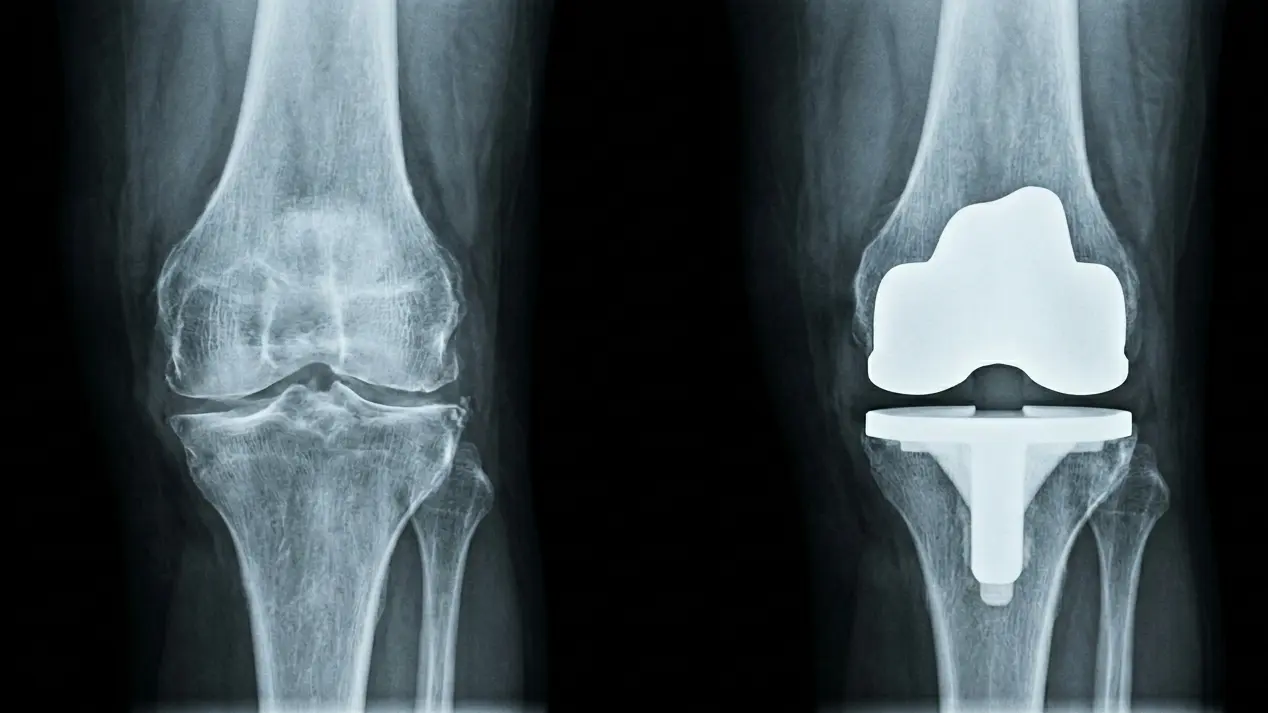
Total knee replacement, also known as knee arthroplasty, is a surgical procedure where a damaged, worn-out, or diseased knee joint is replaced with an artificial joint (prosthesis). Despite the name, the surgeon does not remove the entire knee. Instead, they “resurface” the ends of the bones that form the joint.

The procedure involves three main components:

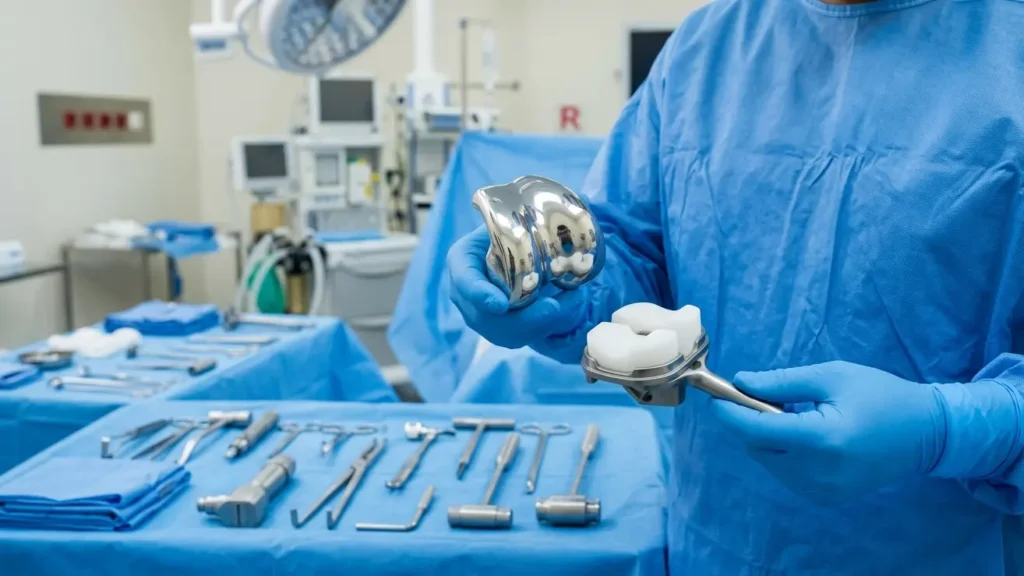
  1. Femoral Component: A metal piece (often made of cobalt-chrome or titanium knee replacement alloys) that covers the end of the thigh bone.
  2. Tibial Component: A flat metal plate attached to the top of the shin bone, topped with a medical-grade plastic spacer to ensure smooth gliding.
  3. Patellar Component: A plastic button that replaces the underside of the kneecap if it has been damaged by friction.

By removing the damaged cartilage and bone, the surgery eliminates the “bone-on-bone” friction that causes the debilitating total knee replacement pain many patients experience.

What is Total Knee Replacement

Benefits of Total Knee Replacement

The primary goal of a TKR is to improve your quality of life. For residents in Sharjah seeking specialized care, the benefits extend far beyond simple pain relief:

  • Significant Pain Reduction: Most patients experience a near-total elimination of arthritic pain.
  • Restored Mobility: You can return to walking, swimming, cycling, and driving without the constant “locking” or instability of a failing joint.
  • Correction of Deformities: Surgery can correct “bow-legged” or “knock-kneed” alignments caused by advanced joint erosion.
  • Enhanced Sleep Quality: Chronic knee pain often disrupts sleep; a successful replacement allows for restful nights.

When Total Knee Replacement Surgery is Indicated

Surgery is rarely the first step. However, total knee replacement surgery becomes the recommended course of action when:

  • Knee pain limits everyday activities, such as walking or bending.
  • Moderate or severe knee pain continues while resting, either day or night.
  • Chronic knee inflammation and swelling do not improve with rest or medications.
  • Knee deformity, a bowing in or out of your knee.
  • Failure to substantially improve with other treatments such as anti-inflammatory medications, cortisone injections, lubricant injections, or physical therapy.

Explore my knee treatments and arthroscopy, and see what conditions it serves now!

Knee Replacement Surgery Indication

How Long Does the Artificial Knee Last?

One of the most common questions regarding total knee replacement is the longevity of the prosthesis. Modern materials and surgical techniques have significantly extended the lifespan of these joints.

Research indicates that more than 90% of modern total knee replacements are still functioning well 15 years after surgery, and many last 20 to 25 years. Factors influencing longevity include your activity level, weight, and the surgical precision of the initial placement. Opting for high-quality materials, such as those used in a titanium knee replacement, can also contribute to the durability and biocompatibility of the joint.

Complications of Knee Replacement Surgery

While TKR has a very high success rate, as with any major surgery, it is important to be aware of potential risks:

  • Infection: This can occur in the wound or around the prosthesis.
  • Blood Clots: Surgeons use blood thinners and compression stockings to prevent clots in the leg veins.
  • Implant Issues: Over time, the implant may wear down or loosen.
  • Stiffness: Some patients may experience a buildup of scar tissue that limits the range of motion.

Working with a highly skilled orthopedic surgeon in Sharjah significantly minimizes these risks through meticulous surgical protocols and personalized aftercare.

Knee Replacement Surgery complications

Preparing for the Surgery

Preparation is the key to a smooth total knee replacement recovery time. Before your surgery, you will undergo a comprehensive medical evaluation:

  1. Medical Clearance: Blood tests, an EKG, and chest X-rays to ensure your heart and lungs are healthy for anesthesia.
  2. Home Optimization: Arrange for a “recovery station” on the ground floor. Remove tripping hazards like rugs and ensure you have a stable chair with a firm seat and back.
  3. Physical Pre-habilitation: Strengthening your upper body and your non-operated leg can make using crutches or a walker much easier post-op.

What to Expect During the Surgery

On the day of the procedure, you will be given either general anesthesia or a spinal block (which numbs you from the waist down).

The surgeon will:

  • Make an incision over the front of the knee.
  • Remove the damaged bone surfaces.
  • Precisely fit the metal and plastic components to restore the joint’s alignment and function.
  • Test the movement of the new joint to ensure stability.

How Long Does the Surgery Take?

Typically, the procedure lasts between 60 to 90 minutes. However, you will spend additional time in the recovery room as the anesthesia wears off and the medical team monitors your vital signs.

About the Pain During the Surgery

You will not feel any pain during the surgery itself. Modern anesthesia and nerve blocks ensure that the immediate post-operative period is also manageable. Most patients are surprised to find that the “surgical pain” is different, and often more tolerable, than the “arthritic pain” they lived with for years.

Knee Replacement Surgery pain

Medication and Pain Management After the Surgery

Effective pain management is critical for early movement. Your care plan will likely include:

  • Nerve Blocks: Localized numbing that can last for 12–24 hours post-op.
  • Oral Medications: A combination of NSAIDs, acetaminophen, and, if necessary, short-term opioids.
  • Cryotherapy: Using specialized cooling pads to reduce internal swelling and inflammation.

Tips for Success After Your Surgery

Your recovery doesn’t end when you leave the hospital. To ensure the best results:

  • Follow the Exercise Plan: Total knee replacement physiotherapy is the most important factor in regaining your range of motion.
  • Weight Management: Keeping your weight within a healthy range reduces the stress on your new implant.
  • Avoid High-Impact Activities: While walking and swimming are encouraged, avoid jumping or high-impact running to prevent premature wear of the plastic spacer.
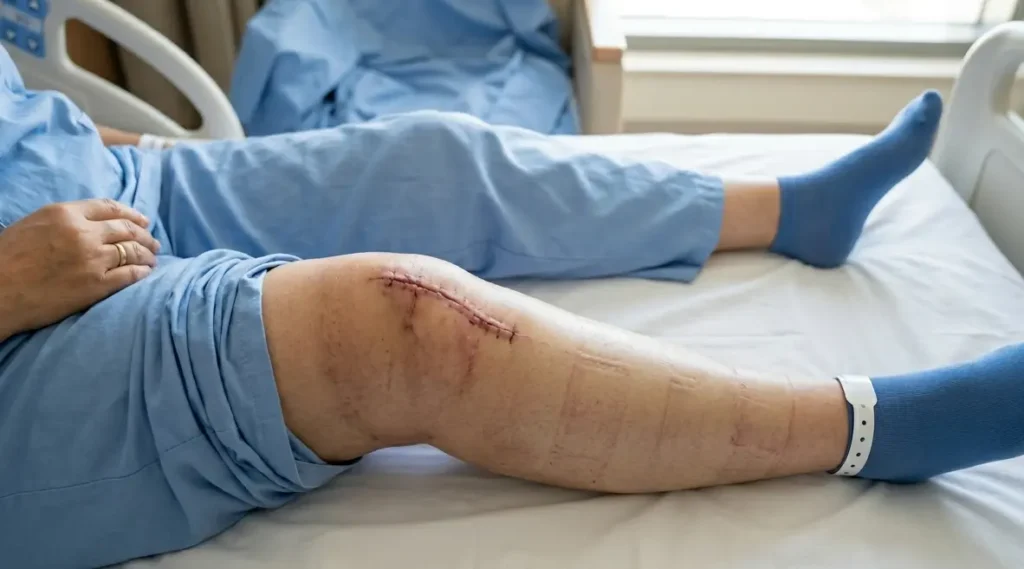
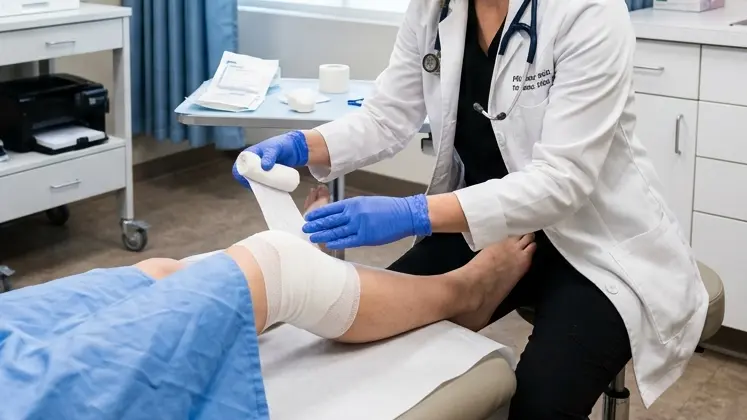
  • Monitor the Incision: Keep the area clean and dry, and report any redness or unusual discharge to your doctor immediately.

Who is the Best Knee Surgeon in Sharjah?

When it comes to a procedure as life-changing as a total knee replacement, experience and precision are non-negotiable. Residents of Sharjah and the wider UAE have a premier destination for orthopedic excellence.

Dr. Ahmed Azmy is widely recognized for his expertise in complex joint reconstructions. By combining international surgical standards with a deep understanding of the local community’s needs, Dr. Ahmed Azmy ensures that every patient receives a personalized treatment plan designed for maximum mobility. Whether you are concerned about the total knee replacement cost or the specific materials like a titanium knee replacement, Dr. Ahmed Azmy provides the authoritative and empathetic guidance needed to make an informed decision.

If you are tired of knee pain dictating your life, it is time to consult with a specialist who prioritizes your long-term health.

Contact Dr. Ahmed Azmy today!
schedule your consultation and take the first step toward a pain-free future.

FAQ About Total Knee Replacement

How long does it take to walk normally after total knee replacement?

Most patients can begin walking with the help of a walker or crutches within 24 hours of surgery. You can typically expect to walk independently and return to most normal daily activities within 6 to 12 weeks.

A “knee replacement” is a general term. A “total” knee replacement means all three compartments of the knee (medial, lateral, and patellofemoral) are resurfaced. A “partial” knee replacement is only performed if the damage is limited to just one area of the knee.

Generally, days 3 through 5 are considered the most challenging. This is when the hospital nerve blocks wear off and your body begins the inflammatory phase of healing. However, with consistent medication and movement, this discomfort subsides quickly.

Yes, it is considered a major surgical procedure. However, because it is so common and the techniques have been refined over decades, it is also one of the most successful and predictable surgeries in all of medicine.

Conclusion

A total knee replacement is more than just a surgery; it is an investment in your independence. While the journey involves a period of intensive total knee replacement physiotherapy and recovery, the result, living without the constant shadow of pain, is life-changing.

By choosing an expert like Dr. Ahmed Azmy, you are ensuring that your procedure is backed by precision, care, and a commitment to getting you back to the activities you love in Sharjah. Don’t let knee pain hold you back any longer; the technology and expertise are available right here to help you walk with confidence again.

References

  1. Cleveland Clinic: Knee Arthroplasty Procedures
  2. American Academy of Orthopaedic Surgeons (AAOS): Total Knee Replacement Information
  3. Johns Hopkins Medicine: Minimally Invasive Knee Surgery
  4. Emirates Health Services: Orthopedic Standards in the UAE

Book an Appointment with Dr. Ahmad Azmy

Contact Form dr
Dr. Ahmed Azmy Orthopedic & Sports Injuries logo.

Redefining Orthopedic Excellence in the UAE. Dr. Ahmed Azmy known as The Best Ortho Surgeon in Sharjah offers world-class, compassionate, and personalized treatments for sports injuries and advanced joint reconstruction.

Contact Us

Powered By ICONCLY Medical © 2026 . All rights reserved.

Patient Connection Hub