Assess your pain
Dr. Ahmed Azmy

Stop your shoulder pain From sleeping with Dr Ahmed Azmy now

← Back to All Blogs
shoulder pain from sleeping

The golden hours of rest in the UAE’s busy lifestyle, whether you are commuting from Sharjah to Dubai or managing a household, should be a time for recovery. However, for many, the morning starts with a sharp, throbbing ache that makes even reaching for a cup of coffee difficult. Shoulder pain from sleeping is a remarkably common complaint that can turn a night of rest into a cycle of discomfort.

If you find yourself frequently adjusting your position or waking up with a stiff joint, you aren’t alone. Understanding why this happens and how to fix it is the first step toward reclaiming your sleep and your mobility.

Understanding the Problem of Shoulder Pain From Sleeping

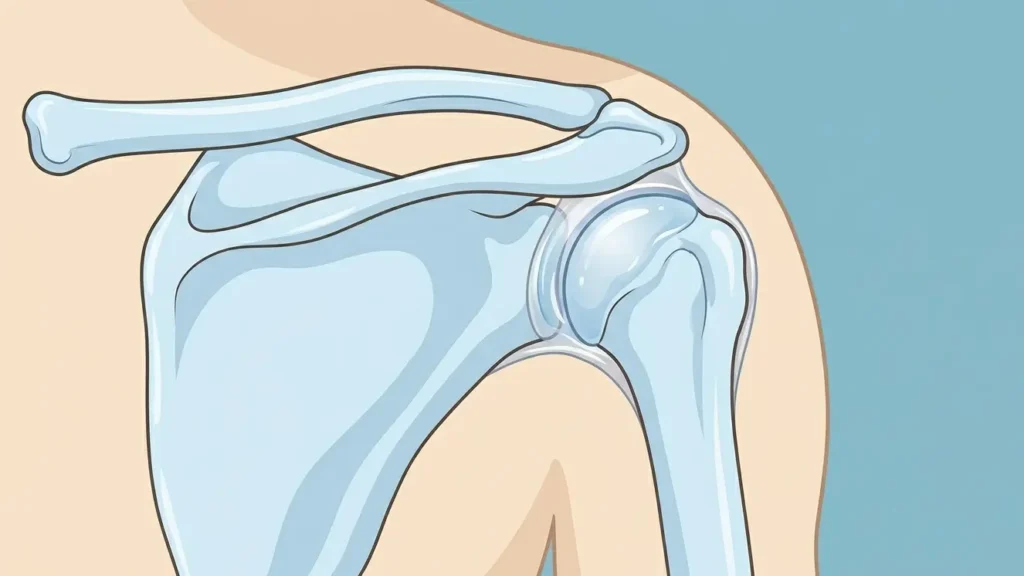
The shoulder is the most mobile joint in the human body, a complex “ball and socket” mechanism held together by a group of muscles and tendons known as the rotator cuff. Because it is so mobile, it is also incredibly susceptible to pressure.

When we sleep, we often remain in one position for hours. If that position puts uneven mechanical stress on the shoulder joint, it can lead to inflammation of the bursa (small fluid-filled sacs) or impingement of the tendons. In Sharjah, where many professionals lead active lives or spend long hours at desks, these nocturnal micro-traumas can quickly escalate into chronic conditions.

shoulder blade pain from sleeping

Can the Way You Sleep Be the Cause of Pain in Your Shoulders?

In short: Yes. Your sleep posture is often the primary culprit behind morning stiffness. While we think of sleep as “passive,” the weight of your torso pressing down on your humerus (upper arm bone) for six to eight hours is significant.

Shoulder Pain From Sleeping on Side

This is the most frequent cause of nocturnal discomfort. Side sleeping can compress the subacromial space in the shoulder, “pinching” the tendons. If you already have a minor injury, solutions to shoulder pain from sleeping on side often involve redistributing your body weight so the shoulder isn’t bearing the brunt of your mass.

Neck and Shoulder Pain From Sleeping on Side

Often, the pain isn’t isolated. If your neck is tilted at an awkward angle because your pillow is too thin or too thick, it can strain the trapezius and levator scapulae muscles. This results in neck and shoulder pain from sleeping on side, where the pain radiates from the base of the skull down into the shoulder blade.

Shoulder Pain From Sleeping on Stomach

Sleeping on your stomach is widely considered the worst position for musculoskeletal health. To breathe, you must turn your head to one side, which overstretches the neck muscles. Simultaneously, many stomach sleepers place their arms overhead or under the pillow, putting the shoulder in a position of “extreme external rotation.” This leads to shoulder pain from sleeping on stomach that often feels like a deep, dull ache in the front of the joint.

Common Other Causes of Shoulder Pain at Night

While your mattress and posture are important, sometimes the pain is a symptom of an underlying medical issue that becomes more apparent when the body is at rest.

  1. Rotator Cuff Tendonitis: Inflammation of the tendons that connect your muscles to the shoulder bones.
  2. Bursitis: The “cushions” in your shoulder become inflamed, often causing shoulder pain at night but not during the day because the gravity-neutral position of lying down allows fluid to pool in the joint.
  3. Frozen Shoulder (Adhesive Capsulitis): Characterized by stiffness and pain that gradually worsens, making it nearly impossible to find a comfortable sleeping position.
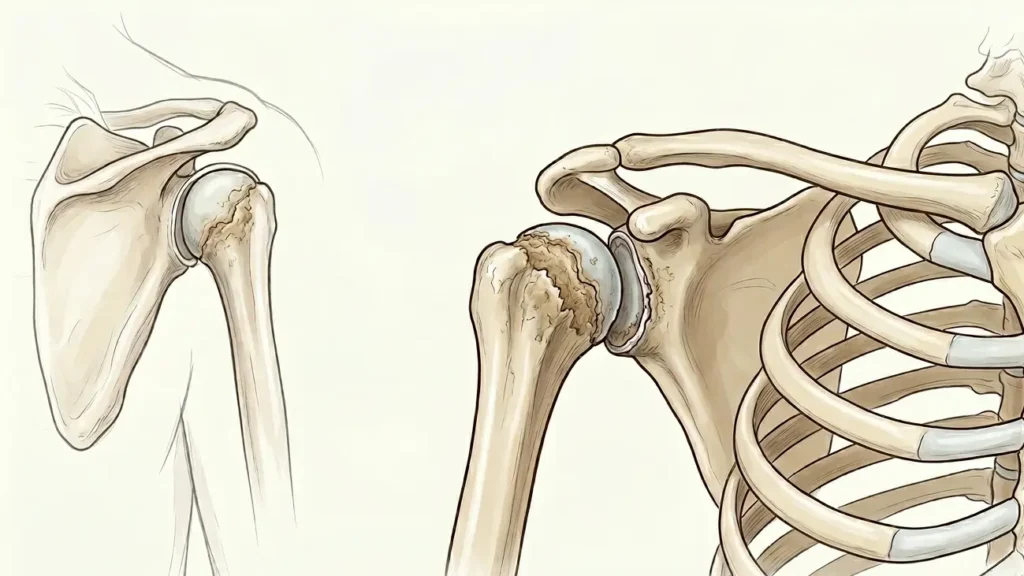
  4. Osteoarthritis: The wear and tear of cartilage, which often feels worse after periods of inactivity (like sleep).
causes of shoulder pain from sleeping

Serious Symptoms to Watch For

It is important to differentiate between a simple “crick” in the neck and a clinical issue. You should seek a professional consultation if you experience:

  • A “locking” sensation in the joint.
  • Inability to lift your arm to brush your hair or reach behind your back.
  • Persistent numbness or tingling in the fingers.
  • Pain that prevents you from falling asleep for more than three consecutive nights.

If you are experiencing any of these symptoms, don’t wait and contact us now before it’s too late, and let us check on you quickly.

Arm Pain in the Morning and Heart Attacks

It is a common fear: Is this shoulder pain a sign of a heart attack? While referred pain from the heart can manifest in the left shoulder or arm, “sleep-related” pain is usually musculoskeletal.

Red Flags for Cardiac Concern!
If your shoulder pain is accompanied by chest pressure, shortness of breath, nausea, or sweating, seek emergency medical care immediately. If the pain is strictly “positional”, meaning it gets worse when you move your arm or lie on it, it is likely an orthopedic issue.

arm pain and heart attack

Diagnosis Pathway: Dr. Ahmed Azmy’s Approach

When home remedies aren’t enough, a clinical diagnosis is necessary to prevent long-term damage. Dr. Ahmed Azmy utilizes a comprehensive diagnostic pathway to identify the root cause of your discomfort.

  • Physical Examination: Assessing range of motion and identifying specific trigger points.
  • Medical History: Analyzing your daily activities, desk ergonomics, and previous injuries.
  • Advanced Imaging: If necessary, utilizing X-rays or MRI to visualize the soft tissues and bone structures of the shoulder.

By visiting a specialist like Dr. Ahmed Azmy, patients in Sharjah receive a tailored plan that moves beyond just “taking painkillers” to actually fixing the mechanical dysfunction.

Treatment Options for shoulder blade pain

Depending on the diagnosis, treatment may include:

  • Physical Therapy: Strengthening the scapular stabilizers to take the load off the joint.
  • Corticosteroid Injections: To reduce acute inflammation in cases of bursitis.
  • Regenerative Medicine: Modern techniques to help heal tendon tears.
  • Surgical Intervention: Only reserved for severe cases like complete rotator cuff tears or advanced arthritis.

Learn about the shoulder conditions we treat and the latest advanced shoulder treatments & arthroscopy offered by Dr. Ahmed Azmy

treatment options for shoulder pain from sleeping

Importance of Stretching for shoulder pain

Movement is medicine for the shoulder. Incorporating shoulder pain from sleeping stretches into your daily routine helps keep the joint lubricated.

  • Cross-Body Stretch: Gently pull one arm across your chest to stretch the posterior capsule.
  • Doorway Stretch: Place your arms on a door frame and lean forward to open the chest and anterior shoulder.
  • Stretches for neck and shoulder pain from sleeping: Simple chin tucks and lateral neck stretches can relieve the tension that builds up in the cervical spine and radiates to the shoulder.

Home Solutions Before You See the Doctor

If your pain is mild, you can start making changes tonight:

  1. Switch Your Pillow: A shoulder pain from sleeping pillow should be contoured to fill the gap between your neck and the mattress, keeping your spine neutral.
  2. The “Hug” Method: If you are a side sleeper, try hugging a thick pillow. This prevents your top shoulder from collapsing forward and straining the joint.
  3. Heat vs. Ice: Use ice for 15 minutes before bed if the pain feels “sharp” (inflammation). Use heat in the morning to loosen up a “stiff” joint.
home treatments for shoulder pain

Recovery Expectations

How long does it take to get better? Most positional shoulder pain improves within 1 to 2 weeks of changing sleep habits and starting a stretching regimen. However, if the issue is a rotator cuff tear or frozen shoulder, recovery can take several months of guided therapy. Consistent follow-ups with Dr. Ahmed Azmy ensure that your progress is tracked and your treatment is adjusted as you heal.

How Can I Avoid Waking Up With Shoulder Pain Again?

Prevention is about consistency.

  • Optimize your workspace: Ensure your computer screen is at eye level to prevent “tech neck” that contributes to shoulder strain.
  • Stay Hydrated: Cartilage and tendons require hydration to remain elastic.
  • Sleep on your back: This is the most recommended position for shoulder health as it distributes weight evenly across the spine and shoulders.

If you are struggling to find relief, don’t let a “bad night’s sleep” turn into a permanent injury. For expert orthopedic care tailored to the Sharjah community, scheduling a consultation with Dr. Ahmed Azmy is the most effective way to identify the cause of your pain and get back to living a pain-free life.

FAQs about shoulder pain from sleeping

How do you fix shoulder pain from sleeping?

Fixing it requires a multi-pronged approach: change your sleeping position (ideally to your back), use a supportive pillow that maintains neck alignment, and perform daily mobility exercises to strengthen the rotator cuff.

While “curing” depends on the cause, you can find fast relief by using anti-inflammatory medication (under medical advice), applying ice packs to the area, and avoiding any heavy lifting or overhead reaching for 48 hours.

Typically, a simple strain from a “wrong” position lasts between 3 to 7 days. If the pain persists beyond a week, it may indicate an underlying condition like bursitis or a minor tear.

Pain in both shoulders often suggests a systemic issue or a sleep posture that affects both sides, such as sleeping on the stomach with arms tucked under the head. It could also be related to cervical spine (neck) issues.

Red flags include pain that is accompanied by chest pressure, unexplained weight loss, night sweats, or a complete inability to move the arm. These require immediate medical evaluation.

Absolutely. If a pillow is too soft, your head sinks, causing your shoulder to “shrug” upward all night. If it’s too firm, it creates pressure points. A medium-firm orthopedic pillow is usually best.

Concluding Thoughts about shoulder pain from sleeping

Shoulder pain from sleeping is more than just an inconvenience; it is your body’s way of signaling that something is out of alignment. Whether it’s a simple change in posture, a new pillow, or a targeted stretching routine, relief is possible. By understanding the mechanics of your movement and seeking professional guidance from Dr. Ahmed Azmy, you can ensure that your nights are restful and your mornings are pain-free.

Ready to wake up without pain? Book an appointment with Dr. Ahmed Azmy today for a comprehensive evaluation and a personalized path to recovery.

Book an Appointment with Dr. Ahmad Azmy

Contact Form dr
Dr. Ahmed Azmy Orthopedic & Sports Injuries logo.

Redefining Orthopedic Excellence in the UAE. Dr. Ahmed Azmy known as The Best Ortho Surgeon in Sharjah offers world-class, compassionate, and personalized treatments for sports injuries and advanced joint reconstruction.

Contact Us

Powered By ICONCLY Medical © 2026 . All rights reserved.

Patient Connection Hub