Top 10 Most Common Sports Injuries: Causes, Symptoms & Treatment Guide
Medically Reviewed by Dr. Ahmed Azmy | Orthopedic Surgeon & Sports Injury Specialist in Sharjah Staying active is essential for maintaining strength,...
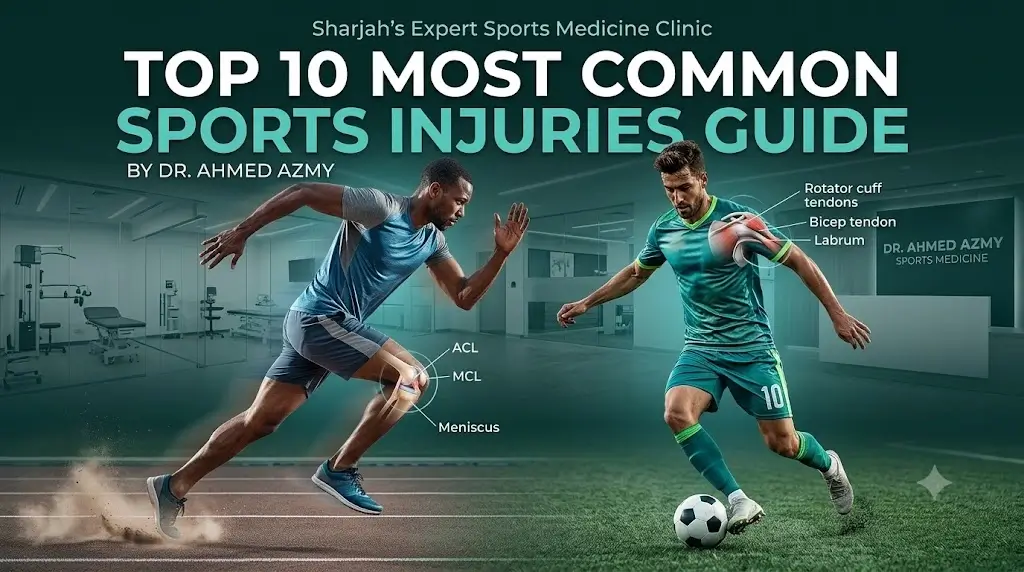
Medically Reviewed by Dr. Ahmed Azmy | Orthopedic Surgeon & Sports Injury Specialist in Sharjah
Staying active is essential for maintaining strength, mobility, cardiovascular health, and overall well-being. Across Sharjah and the UAE, more people are participating in sports, fitness training, running, football, cycling, swimming, and recreational activities than ever before. However, increased physical activity also means a higher chance of experiencing injuries, especially when training intensity, technique, or recovery are not properly managed.
Whether you are a professional athlete, a weekend sports enthusiast, or someone who enjoys regular exercise, understanding common sports injuries can help you recognize problems early and seek the right treatment. Some injuries occur suddenly due to falls, collisions, or awkward movements, while others develop gradually because of repetitive stress on muscles, tendons, and joints.
At Dr. Ahmed Azmy’s Orthopedic & Sports Medicine Clinic in Sharjah, athletes and active individuals receive expert evaluation and personalized treatment plans focused on safe recovery, restoring function, and helping patients return to their desired activities. Early diagnosis and appropriate rehabilitation can significantly improve recovery outcomes and reduce the risk of recurring injuries.
Top 10 Most Common Sports Injuries Explained
1. Ankle Sprains
Ankle sprains are among the top 10 most common sports injuries, affecting athletes involved in running, football, basketball, tennis, and other activities that require quick changes in direction.
An ankle sprain occurs when the ligaments supporting the ankle joint are stretched or torn. This usually happens when the foot twists, rolls inward or outward, or lands incorrectly after jumping.
Common causes:
- Sudden changes in direction
- Landing awkwardly after a jump
- Uneven playing surfaces
- Previous ankle injuries causing reduced stability
- Weak supporting muscles around the ankle
Symptoms:
- Pain around the ankle joint
- Swelling and bruising
- Difficulty walking or bearing weight
- Limited ankle movement
- Tenderness around the injured ligament
Initial management:
Mild ankle sprains often improve with rest, ice, compression, and elevation (RICE). Rehabilitation exercises may be needed to restore strength and prevent repeated ankle injuries.
2. ACL Tears & Ligament Sprain
The anterior cruciate ligament (ACL) is one of the major ligaments responsible for knee stability. ACL injuries are especially common in sports involving sudden stopping, jumping, and pivoting, such as football, basketball, and skiing.
Ligament injuries can range from mild stretching to complete tears that affect knee stability.
Common causes:
- Sudden twisting movements
- Incorrect landing technique
- Direct impact to the knee
- Rapid changes in speed or direction
Symptoms:
- A popping sound or sensation at the time of injury
- Rapid swelling of the knee
- Feeling that the knee is unstable or “giving way”
- Difficulty continuing sports activity
- Reduced range of motion
Treatment depends on the severity of the injury, the patient’s activity level, and future sports goals. Some ligament injuries respond well to structured rehabilitation, while complete ACL tears in active athletes may require surgical reconstruction.
Patients looking for specialized care can explore expert ligament injury treatments in Sharjah for accurate diagnosis and personalized management.
3. Rotator Cuff Injuries & Shoulder Dislocation
Shoulder injuries are common among athletes who perform repetitive overhead movements, including swimmers, tennis players, weightlifters, and throwing athletes.
The rotator cuff is a group of muscles and tendons that stabilize the shoulder and allow smooth arm movement. Damage to these structures can affect strength and mobility.
Common causes:
- Repetitive overhead activity
- Sports-related falls
- Shoulder collisions
- Tendon wear and degeneration
Symptoms:
- Shoulder pain during movement
- Weakness when lifting the arm
- Difficulty reaching overhead
- Clicking or catching sensations
- Reduced shoulder flexibility
Mild injuries may improve with physical therapy and activity modification. However, significant tendon tears or persistent symptoms may require surgical evaluation.
Modern orthopedic approaches include advanced rotator cuff repair options designed to restore shoulder function and help patients return to active lifestyles.
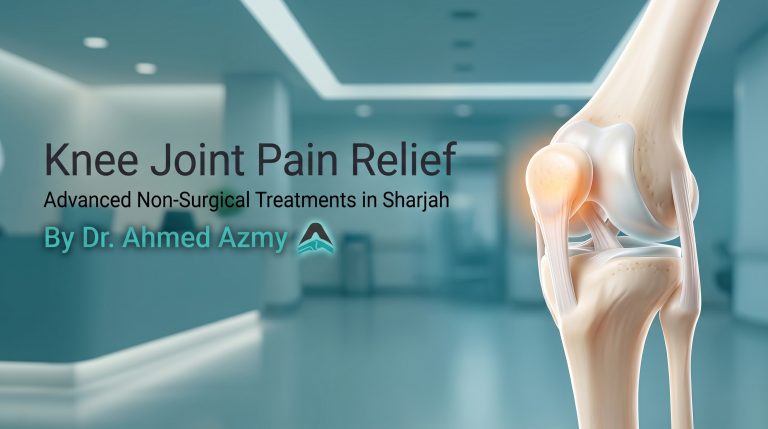
4. Meniscus Tears & Knee Cartilage Damage
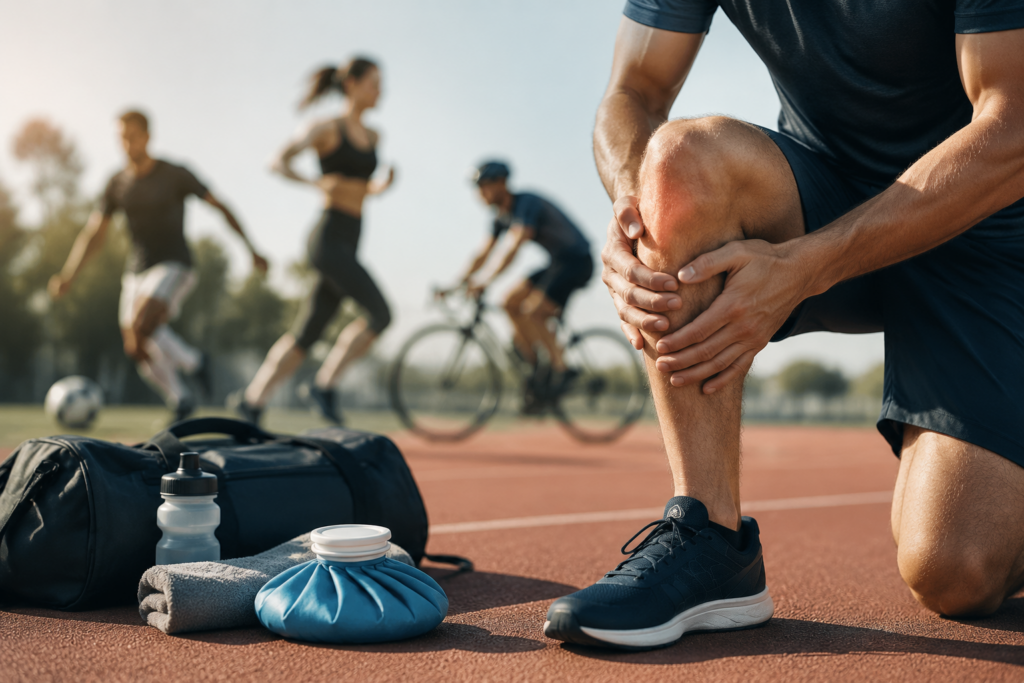
The meniscus is a cartilage structure inside the knee that provides cushioning and stability between the thigh bone and shin bone. A tear can occur when the knee twists while carrying weight.
Common causes:
- Sudden pivoting movements
- Contact sports injuries
- Deep squatting movements
- Degenerative changes over time
Symptoms:
- Knee pain and swelling
- Clicking or locking sensation
- Difficulty bending or straightening the knee
- Feeling of instability
Treatment depends on the size and location of the tear. Options may include physical therapy, medication, injections, or minimally invasive arthroscopic procedures.
5. Shin Splints
Shin splints are a common overuse injury affecting runners and athletes who increase their training intensity too quickly. The condition causes pain along the front or inner edge of the shin bone.
Common causes:
- Sudden increase in running distance
- Training on hard surfaces
- Poor footwear
- Muscle imbalance
- Improper running mechanics
Symptoms:
- Pain along the shin bone
- Tenderness when pressing the area
- Aching discomfort during or after exercise
Initial management:
Treatment usually includes reducing high-impact activities, improving footwear, stretching, strengthening exercises, and gradually returning to training.
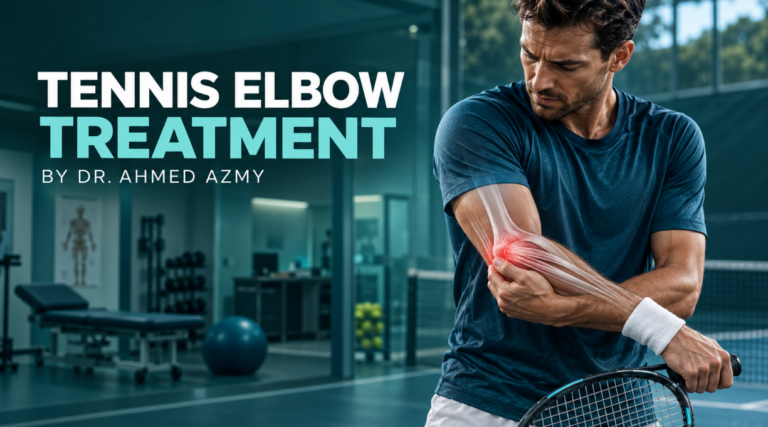
6. Tennis Elbow & Golfer’s Elbow
Despite their names, tennis elbow and golfer’s elbow can affect anyone performing repetitive arm movements. These conditions involve irritation of the tendons around the elbow.
Common causes:
- Repetitive gripping activities
- Incorrect sports technique
- Excessive training without adequate recovery
Symptoms:
- Outer or inner elbow pain
- Weak grip strength
- Pain during lifting or gripping objects
- Tenderness around the elbow
Treatment may include rest, physical therapy, strengthening exercises, and techniques aimed at improving tendon healing.
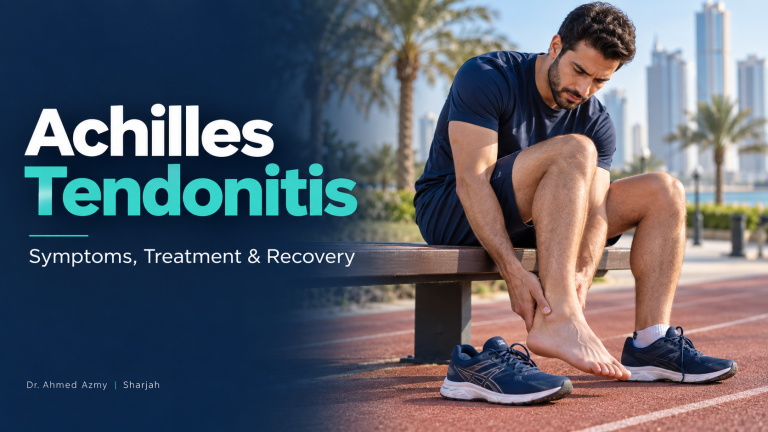
7. Achilles Tendonitis
The Achilles tendon connects the calf muscles to the heel bone and plays a major role in walking, running, and jumping. Achilles tendonitis occurs when the tendon becomes irritated or inflamed due to repetitive stress.
Common causes:
- Overtraining
- Sudden changes in exercise intensity
- Tight calf muscles
- Poor training progression
Symptoms:
- Pain above the heel
- Morning stiffness
- Swelling or tenderness around the tendon
- Discomfort during running or jumping
Early treatment can prevent progression to more serious tendon problems.
8. Muscle Strains (Hamstring & Groin Pulls)
Muscle strains occur when muscle fibers are overstretched or torn. They commonly affect the hamstrings, groin, quadriceps, and calf muscles.
Common causes:
- Insufficient warm-up
- Sudden acceleration or sprinting
- Muscle fatigue
- Lack of flexibility
Symptoms:
- Sudden sharp pain
- Muscle weakness
- Swelling or bruising
- Difficulty using the affected muscle
Recovery usually involves rest, rehabilitation exercises, gradual strengthening, and a controlled return-to-sport program.
9. Patellofemoral Pain Syndrome (Runner’s Knee)
Patellofemoral pain syndrome, commonly known as runner’s knee, causes pain around or behind the kneecap. It is common among runners, cyclists, and athletes involved in repetitive knee movements.
Common causes:
- Muscle imbalance
- Poor movement mechanics
- Overuse
- Incorrect training progression
Symptoms:
- Pain at the front of the knee
- Discomfort when climbing stairs
- Pain after sitting for long periods
- Grinding or clicking sensations
Treatment focuses on correcting contributing factors through strengthening exercises, flexibility training, and movement correction.
10. Fractures and Dislocations
Fractures and joint dislocations are serious sports injuries that require immediate medical assessment. They usually occur following high-impact trauma, falls, or collisions.
Common causes:
- Direct impact during sports
- Falls
- High-energy accidents
- Contact sports injuries
Symptoms:
- Severe pain
- Visible deformity
- Rapid swelling
- Loss of movement
- Inability to use the injured area
Prompt orthopedic evaluation is important to ensure proper healing and prevent long-term complications.
When Should You See an Orthopedic Specialist in Sharjah?
Not every sports injury requires immediate medical intervention, but certain warning signs indicate that professional evaluation is necessary.
You should consult an orthopedic specialist if you experience:
- Inability to bear weight on the injured limb
- Severe swelling or significant bruising
- Joint instability or repeated giving way
- A sudden popping sound during injury
- Persistent pain that does not improve with rest
- Loss of strength or normal movement
- Symptoms that interfere with sports performance or daily activities
A proper orthopedic assessment can identify the exact cause of pain and determine the most suitable treatment approach.
Modern Treatment Options for Athletic Recovery
Sports injury treatment has advanced significantly, allowing many athletes to recover faster with personalized approaches.
Conservative Treatment
Many injuries can improve without surgery through:
- Physical therapy
- Strength and flexibility training
- Activity modification
- Pain management strategies
- Sports-specific rehabilitation programs
The goal is not only to reduce pain but also to restore strength, movement quality, and injury prevention.
Minimally Invasive Treatment
For certain joint injuries, minimally invasive procedures such as arthroscopy may be recommended. Arthroscopy allows surgeons to diagnose and treat problems through small incisions, often leading to reduced tissue damage and faster recovery.
Regenerative Treatment Options
Some athletes may benefit from regenerative medicine approaches designed to support the body’s natural healing processes. Depending on the injury type and patient condition, treatments such as PRP therapy for sports injuries may be considered as part of a comprehensive recovery plan.
Conclusion
Sports injuries should not be ignored, especially when pain persists or affects your ability to perform daily activities or exercise. Early diagnosis and expert treatment can help prevent complications and support a safer return to sports.
If you are experiencing pain, swelling, instability, or reduced athletic performance, book a consultation with Dr. Ahmed Azmy in Sharjah for specialized sports injury evaluation and a personalized rehabilitation plan designed around your goals.
Medical Disclaimer: This article is intended for educational purposes only and does not replace professional medical advice, diagnosis, or treatment. Always consult a qualified orthopedic specialist for proper evaluation and individualized treatment recommendations.
Frequently Asked Questions About Common Sports Injuries
1. What are the most common sports injuries among athletes?
The most common sports injuries include ankle sprains, ligament tears such as ACL injuries, muscle strains, tendon injuries, shoulder problems, meniscus tears, and stress-related conditions like shin splints. These injuries can happen during professional sports, recreational activities, or regular exercise. The risk increases with repetitive movements, sudden changes in intensity, poor technique, inadequate warm-up, or insufficient recovery time. Understanding early symptoms such as pain, swelling, weakness, or reduced movement can help athletes seek timely medical attention and prevent minor injuries from developing into more serious problems.
2. How can I prevent common sports injuries?
Preventing sports injuries requires a combination of proper preparation, safe training habits, and listening to your body. Always begin workouts with an appropriate warm-up to prepare muscles and joints for activity. Strength training, flexibility exercises, and balance training can improve stability and reduce injury risk. Wearing suitable protective equipment and using proper sports techniques are also important. Athletes should gradually increase training intensity instead of making sudden changes. Adequate rest, hydration, and recovery periods allow the body to repair tissues and reduce the chance of overuse injuries.
3. When should I see an orthopedic specialist for a sports injury?
You should consult an orthopedic specialist if your pain does not improve with rest, affects your daily activities, or prevents you from participating in sports. Immediate evaluation is recommended if you experience severe swelling, inability to bear weight, joint instability, visible deformity, or a popping sound at the time of injury. Persistent discomfort may indicate a more significant problem, such as a ligament tear, cartilage injury, or tendon damage. Early diagnosis allows for appropriate treatment and can help prevent long-term complications or recurring injuries.
4. Can sports injuries heal without surgery?
Yes, many sports injuries can heal successfully without surgery, depending on the type and severity of the injury. Conservative treatments such as physical therapy, activity modification, medications, rehabilitation exercises, and targeted injections can often restore strength and function. However, some injuries, including complete ligament tears, severe cartilage damage, or certain fractures, may require surgical intervention to achieve optimal recovery. An orthopedic specialist evaluates factors such as the injury pattern, age, activity level, and athletic goals before recommending the most appropriate treatment approach.
5. How long does it take to recover from a sports injury?
The recovery time for a sports injury varies depending on the type of injury, severity, treatment method, and individual healing ability. Minor injuries such as mild sprains or muscle strains may improve within a few weeks with proper care and rehabilitation. More complex injuries, including ACL tears, major tendon injuries, or fractures, may require several months of recovery. Following a structured rehabilitation program, avoiding premature return to sports, and attending follow-up appointments can help ensure safer recovery and reduce the risk of reinjury.
6. What is the best treatment for ligament injuries like ACL tears?
Treatment for ligament injuries depends on the extent of damage and the patient’s lifestyle goals. Mild ligament sprains may improve with rest, physical therapy, and strengthening exercises. However, complete ACL tears, especially in athletes who participate in high-demand sports, may require surgical reconstruction followed by rehabilitation. The goal of treatment is to restore knee stability, improve function, and allow a safe return to activity. An orthopedic sports injury specialist can assess the injury using clinical examination and imaging to determine the most suitable treatment plan.
7. Are PRP injections effective for sports injuries?
PRP (platelet-rich plasma) therapy is a regenerative treatment that uses concentrated platelets from the patient’s own blood to support the body’s natural healing processes. It may be considered for certain sports injuries, including some tendon problems, muscle injuries, and soft tissue conditions. The effectiveness of PRP depends on the specific injury, severity, and individual patient factors. It is not suitable for every condition, and a specialist evaluation is necessary to determine whether PRP therapy is an appropriate option as part of a comprehensive treatment plan.
8. What happens if I continue playing sports with an injury?
Continuing sports activity without properly treating an injury can worsen the condition and increase recovery time. For example, playing with an unstable knee after a ligament injury may lead to additional cartilage damage, while ignoring tendon pain can contribute to chronic problems. The body often sends warning signals through pain, swelling, or reduced performance. Resting appropriately and receiving professional evaluation when needed can prevent complications and help athletes return to sports safely with improved strength and confidence.
9. Are sports injuries only common in professional athletes?
No, sports injuries affect people at all activity levels, including professional athletes, fitness enthusiasts, and individuals who exercise occasionally. Recreational athletes may actually have a higher risk when they suddenly increase activity without proper conditioning or technique. Common examples include ankle sprains during weekend sports, shoulder injuries from gym exercises, and muscle strains from sudden movements. Regardless of athletic level, proper training, gradual progression, and injury awareness are important for maintaining joint health and preventing avoidable injuries.
10. How can I safely return to sports after an injury?
Returning to sports after an injury should be a gradual process based on recovery progress rather than simply the absence of pain. A safe return-to-sport plan usually includes restoring flexibility, strength, balance, coordination, and sport-specific movements. Rehabilitation exercises help rebuild confidence and reduce the chance of reinjury. Athletes should avoid returning to full activity too quickly, as the injured tissues may still be vulnerable. An orthopedic specialist and rehabilitation team can guide the recovery process and create a personalized plan based on the athlete’s goals and condition.