Orthopedic PRP Injections: The Complete Guide to Non-Surgical Joint & Tissue Healing
Orthopedic PRP injections use platelet-rich plasma, a concentrated preparation made from your own blood, to support healing in injured or degenerating joints,...
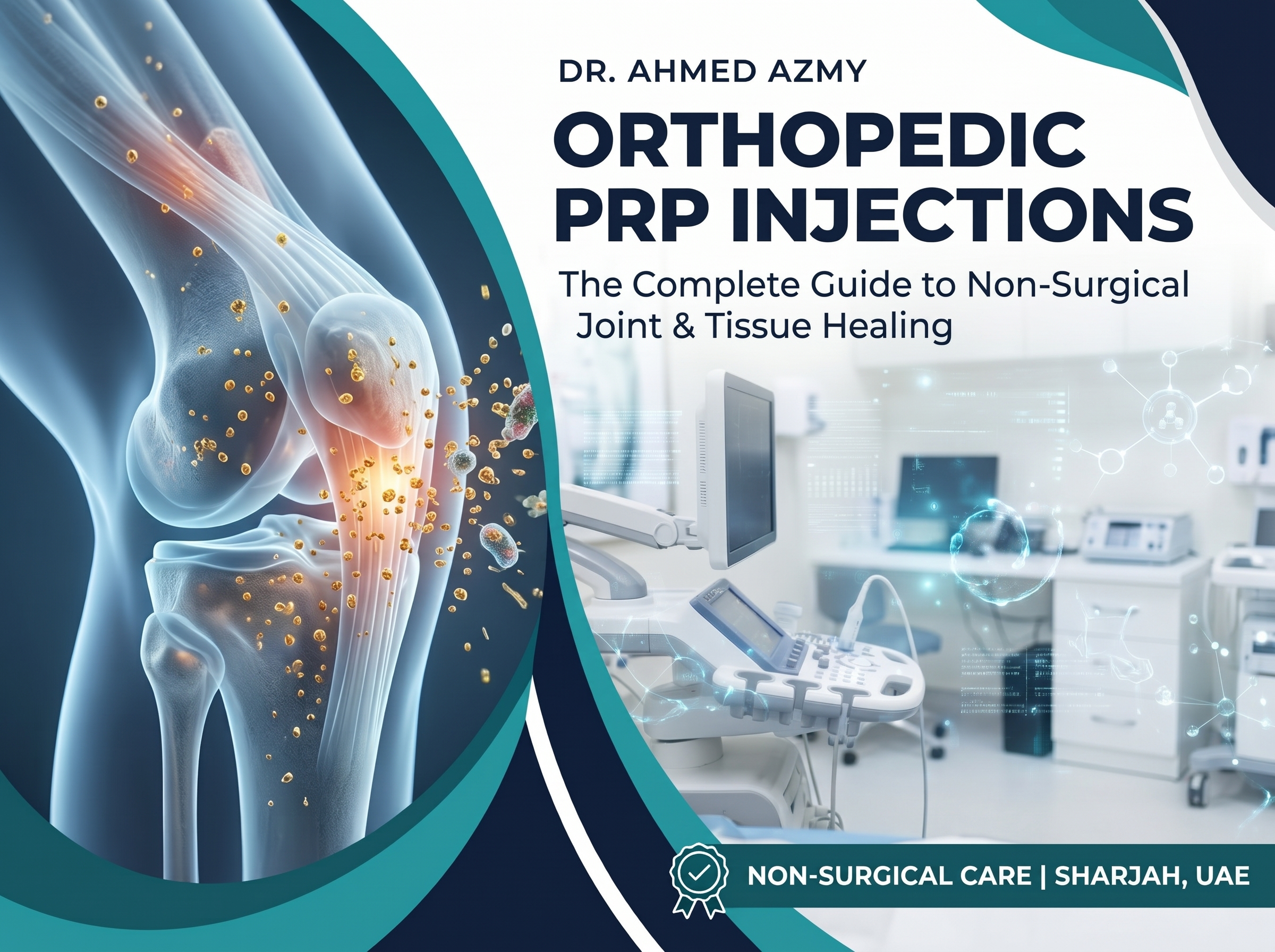
Orthopedic PRP injections use platelet-rich plasma, a concentrated preparation made from your own blood, to support healing in injured or degenerating joints, tendons, and ligaments. A small blood sample is drawn and spun in a centrifuge to concentrate the platelets, which release growth factors that help regulate inflammation and tissue repair. The concentrate is then injected, ideally under ultrasound guidance, directly into the affected area. Because it is made from your own blood, it is a well-tolerated, non-surgical option for selected patients with early-to-moderate joint and soft-tissue problems.
Persistent knee pain, a tendon that never quite settles, or a sports injury that keeps coming back can wear down both your mobility and your confidence. For many patients, the choice used to feel binary: keep managing symptoms with pain relief and rest, or move toward surgery.
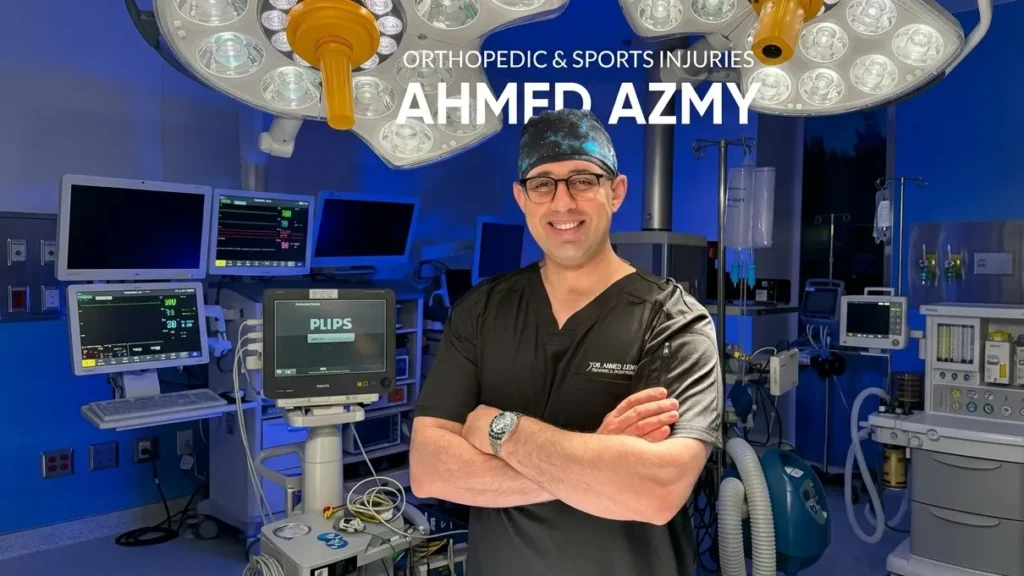
Orthobiologics, treatments that use the body’s own biological materials, now offer a meaningful middle path. At his clinic in Sharjah, Dr. Ahmed Azmy approaches regenerative joint care the way any sound orthopedic plan should begin: with an accurate diagnosis, a clear conversation about what the treatment can and cannot do, and a plan that fits your goals. PRP is one tool in that plan, used when the evidence and your clinical picture support it, and alongside non-surgical orthopedic care such as physiotherapy and activity modification.
What Are Orthopedic PRP Injections and How Do They Work?
Platelet-rich plasma is the portion of your blood that contains a higher-than-normal concentration of platelets suspended in plasma. Platelets are best known for clotting, but they also carry a rich supply of signaling proteins that coordinate the early stages of tissue repair. Within modern orthobiologics, PRP is one of the most widely used and most studied options.
The healing cascade in brief:
- Concentration: Centrifugation concentrates platelets well above the level found in ordinary blood.
- Activation: Once injected into injured tissue, platelets release growth factors stored in their granules.
- Signaling: Key factors include PDGF (platelet-derived growth factor), which helps recruit and stimulate repair cells; TGF-β (transforming growth factor beta), involved in collagen production and matrix remodeling; and VEGF (vascular endothelial growth factor), which supports the formation of new blood vessels in poorly vascularized tissues such as tendons.
- Modulation and remodeling: These signals help shift the local environment from chronic irritation toward a more organized repair response over the following weeks and months.
Safety profile: PRP is autologous, meaning it comes from you. There is virtually no risk of allergic rejection and no risk of cross-contamination from another donor. The main risks are those common to any injection, such as temporary soreness, bruising, or, rarely, infection, which is minimized through sterile technique.
Realistic expectations: PRP is not a miracle cure and does not regrow a worn-out joint. Response varies between patients, and results depend on the condition treated, its severity, and how well the rehabilitation plan is followed.
What Conditions Can a PRP Injection in Orthopedics Treat?
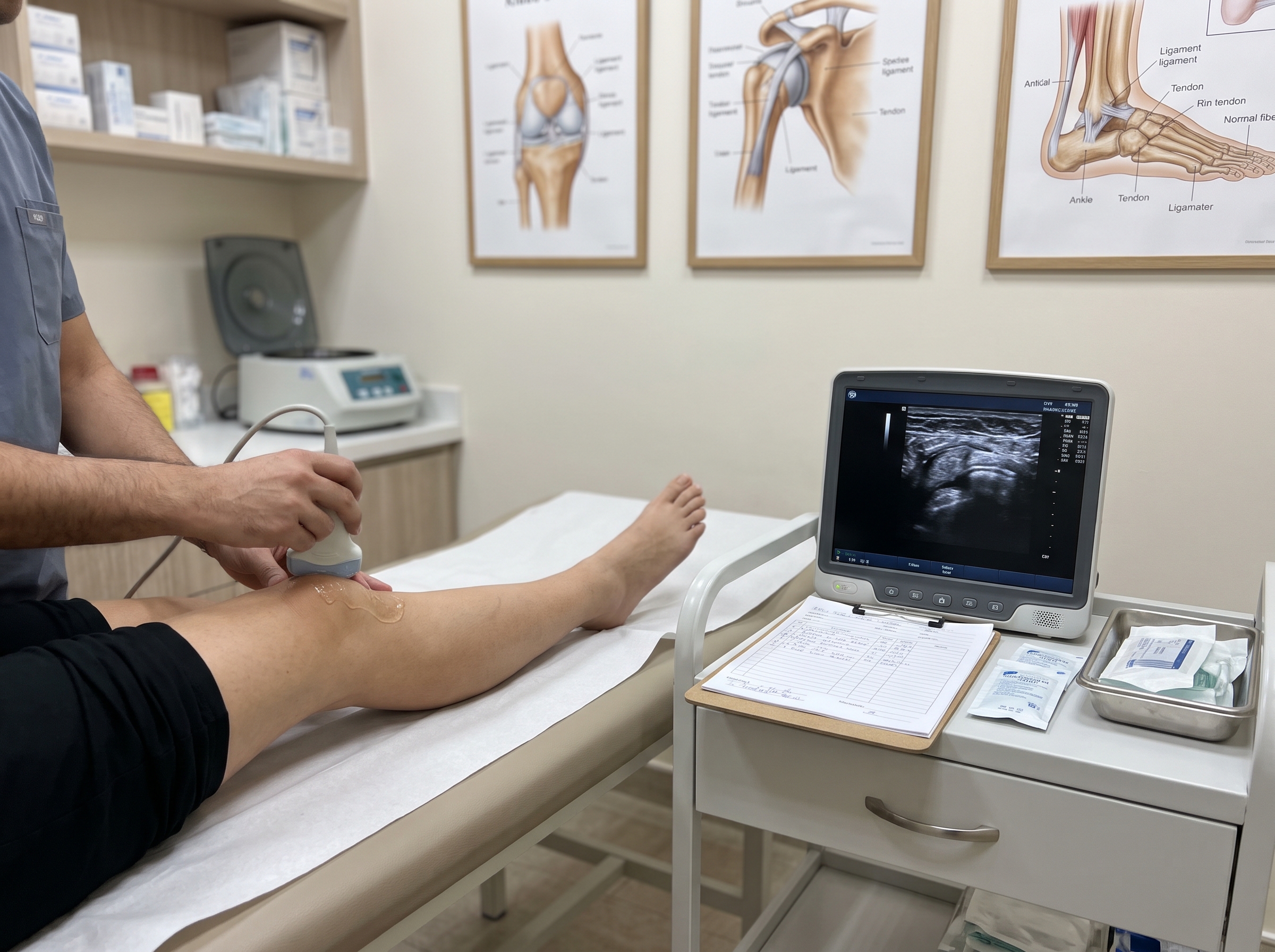
A PRP injection in orthopedics is most useful when tissue is irritated, degenerating, or partially injured, but still structurally intact enough to respond.
Knee Osteoarthritis & Cartilage Degeneration
In early-to-moderate knee osteoarthritis, PRP is used to help calm chronic joint inflammation and reduce the pain and stiffness that come with it. A number of clinical studies and reviews suggest it can improve pain and function for many patients compared with placebo or hyaluronic acid, though results vary. If you have been researching orthobiologics for knee pain, PRP is typically the first option to discuss. Cartilage that has already been lost does not grow back, so the goal is symptom relief, better function, and a calmer joint environment. You can read more about options on our knee joint therapies page.
Sports Injuries & Ligament Sprains
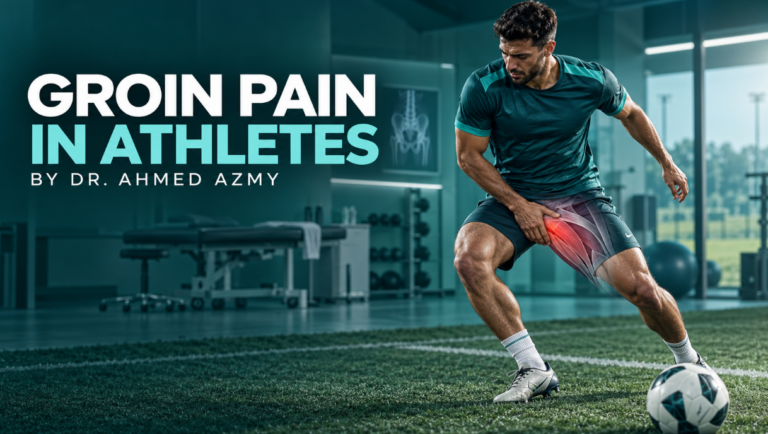
PRP for sports injuries may be considered for partial ACL or MCL injuries and for chronic ankle sprains where healing has stalled. In these cases, the aim is to support repair of the injured fibers while a structured rehabilitation program restores strength and stability. For active athletes, PRP for sports injuries is often chosen because it is non-surgical and can fit around a graded return-to-play plan. Complete ruptures are a different matter and are covered under candidacy below.
Chronic Tendonitis & Tendinopathies
Tendons have a limited blood supply, which is why overuse injuries can linger for months. PRP is commonly used for:
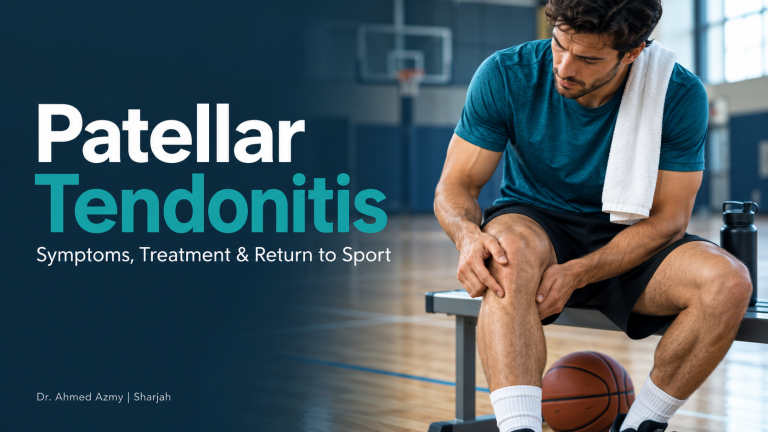
- Patellar tendonitis (jumper’s knee)
- Achilles tendonitis
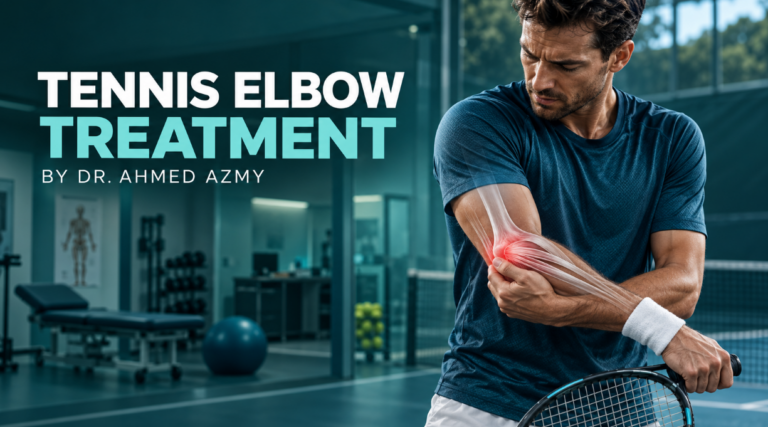
- Tennis elbow (lateral epicondylitis)
In chronic tendinopathy, the research is among the more encouraging, particularly for tennis elbow, although study quality and protocols differ.
Shoulder & Rotator Cuff Issues
For early-stage shoulder impingement and partial-thickness rotator cuff tears, PRP may help reduce pain and support tendon healing alongside targeted physiotherapy. Large full-thickness tears generally need surgical assessment.
Orthopedic PRP Injections vs. Cortisone: How Do They Compare?
Cortisone (corticosteroid) injections are fast and effective at reducing inflammation, which is why they remain useful. But they treat the symptom rather than the tissue. PRP works differently: it aims to support the biology of repair rather than simply suppress the inflammatory response.
| Feature | Orthopedic PRP Injection | Cortisone Injection |
| Objective | Support tissue repair and modulate inflammation | Rapidly suppress inflammation and pain |
| Onset Time | Gradual; often noticed over several weeks | Fast; often within days |
| Duration of Relief | Can last months in responders, with variability | Typically weeks to a few months |
| Effect on Joint Cartilage/Tissue | Aims to support healing; not associated with tissue breakdown | Repeated use may weaken tendons and affect cartilage |
| Suitability for Repeated Injections | Repeat courses can be considered as clinically appropriate | Usually limited in number per year |
Neither option is “better” in every case. A flare that needs quick relief for an important event may suit cortisone, while a long-standing tendon or early arthritis problem may be better served by PRP. Dr. Azmy will walk you through which fits your situation.
What to Expect During an Orthopedic PRP Injection Procedure
The procedure is performed in the clinic and typically takes around an hour from start to finish, with the injection itself taking only a few minutes.
Step 1: Autologous Blood Collection
A small amount of blood, similar to a routine blood test, is drawn from your arm.
Step 2: Advanced Centrifugation
The sample is placed in a centrifuge that separates it into layers. The concentrated platelet layer is isolated and prepared for use.
Step 3: Ultrasound-Guided Injection
After the area is cleaned and numbed as needed, the PRP is injected using real-time musculoskeletal ultrasound. This matters: a small tendon tear or the exact joint space is easy to miss by touch alone, and placing PRP precisely where the problem lies is a major factor in the quality of the treatment.
Step 4: Immediate Post-Treatment Protocol
You will rest briefly, receive clear aftercare instructions, and usually go home the same day. Light walking is generally fine, and a driver is sensible if a lower-limb joint was treated.
Who Is an Ideal Candidate for PRP Orthopedic Injections?
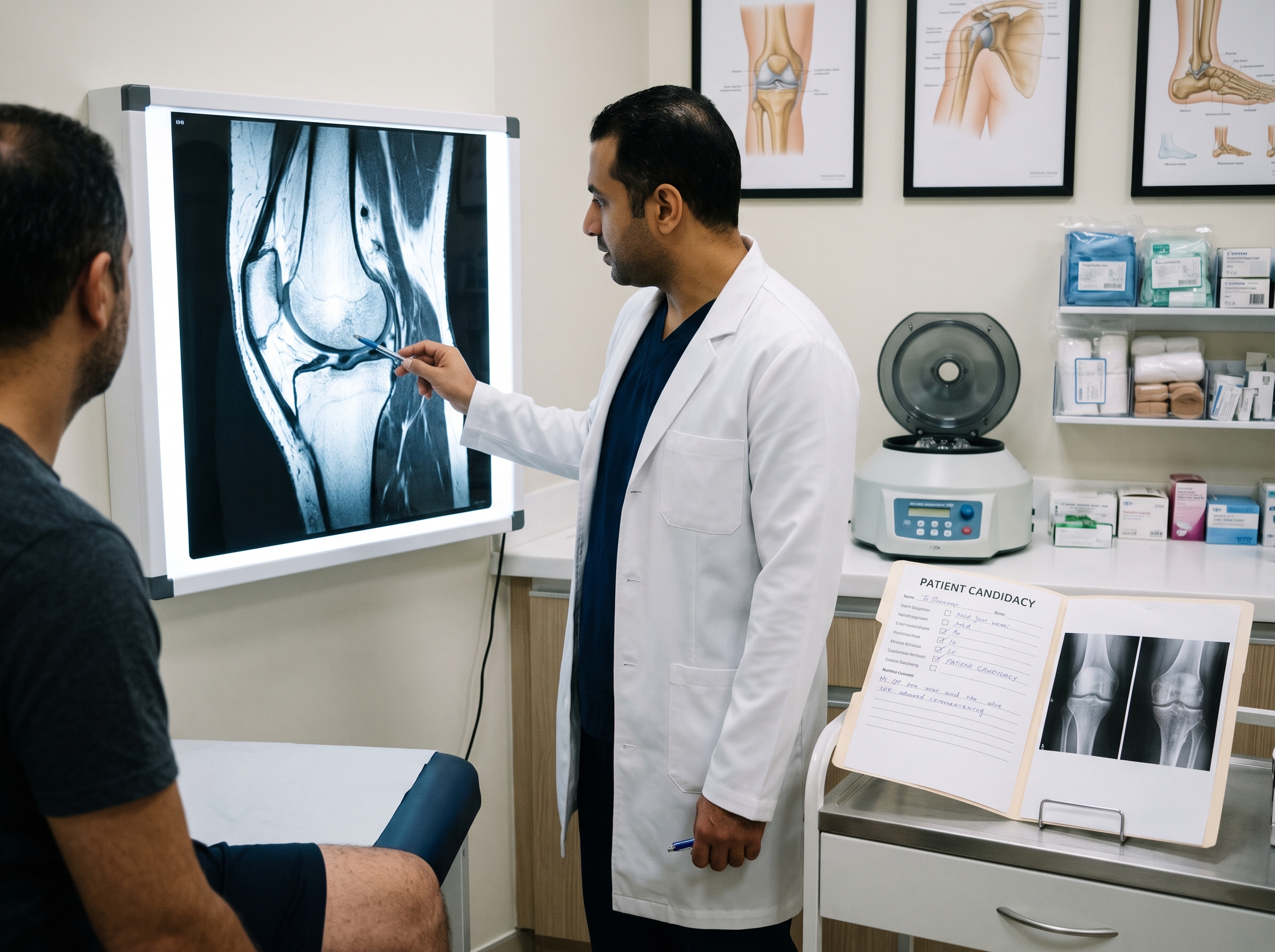
Patients who often benefit most:
- Mild-to-moderate knee or other joint osteoarthritis
- Active athletes with tendon or partial ligament injuries
- Patients whose symptoms have not improved enough with initial physical therapy and conservative care
- People who want to delay or avoid surgery where it is clinically reasonable
Patients who are generally NOT candidates:
- Severe, bone-on-bone (Grade 4) arthritis where the cartilage is largely gone and joint replacement is the more realistic solution
- Complete ligament or tendon ruptures that require surgical repair
- Patients with certain blood disorders, active infection, or on specific blood-thinning treatment, which must be reviewed individually
A proper consultation, including examination and imaging, determines candidacy. If PRP is not right for you, you will be told so, and alternatives will be discussed.
Recovery Timeline and Expected Results After Treatment
Days 1–3: Expected soreness and the natural inflammatory phase
Localized soreness, warmth, or stiffness is normal and reflects the body starting its repair response.
- Do: Rest the area, use ice if advised, stay hydrated, and keep gentle everyday movement.
- Don’t: Take NSAIDs such as ibuprofen or diclofenac unless Dr. Azmy approves, as they may blunt the intended inflammatory signal. Avoid strenuous activity and heavy loading.
Weeks 2–4: Easing stiffness and starting rehabilitation
Discomfort settles and stiffness begins to ease. A progressive physical therapy program is usually introduced to restore range of motion and begin controlled strengthening.
Months 2–6: Tissue remodeling and peak function
Improvement often continues gradually as the tissue remodels. Many patients reach their best functional level somewhere in this window.
Typical treatment course: Most patients receive 1 to 3 sessions, depending on the condition and how you respond. Your plan is individualized.
Consult Dr. Ahmed Azmy for Advanced PRP Therapy in Sharjah
If joint stiffness, persistent tendon pain, or a stubborn sports injury is holding you back, you do not have to choose between simply coping and rushing toward surgery. An accurate diagnosis is the foundation of good treatment, and PRP may or may not be part of your plan.
Consult Dr. Ahmed Azmy to book a clinical consultation and ultrasound assessment at his orthopedic clinic in Sharjah. You will receive an honest evaluation, a clear explanation of your options, and a plan built around your goals, whether that includes PRP, other non-surgical orthopedic care, or advanced knee joint therapies.
This article is for general education and does not replace a personal medical evaluation. Treatment decisions should be made with a qualified orthopedic specialist.
Book an appointment now with Dr Ahmed Azmy in Sharjah.