

Chronic Joint Pain & Inflammation Treatment in Sharjah
Reclaim Pain-Free Movement — Advanced Joint Preservation Without Major Surgery
If a stiff knee, an aching hip, or a swollen shoulder has become part of your daily routine, you don't have to accept it as “just getting older.” Dr. Ahmed Azmy combines regenerative orthobiologics, precision-guided injections, and personalized rehabilitation to calm inflammation, protect your cartilage, and help you move freely again, often without ever needing joint replacement surgery. Serving patients across Sharjah, Ajman, and the wider UAE.
Discover your path to better movement

High-resolution imaging to pinpoint why your joint is inflamed.
Ultrasound-guided injections and regenerative medicine, tailored to you.
Delaying or avoiding joint replacement surgery whenever possible.
Custom rehab and lifestyle coaching for lasting relief.
What Is Chronic Joint Pain & Inflammation?
Not all joint pain is the same. A sprained ankle or bruised knee from a weekend fall usually settles within days or weeks. Chronic joint pain is different, it lingers for three months or longer, gradually limiting the things you used to do without thinking, like climbing stairs or getting out of bed comfortably.
This happens because of chronic inflammation. Medically called synovitis (joint lining inflammation) or, more broadly, arthritis, it's your body's response to ongoing irritation or degeneration inside the joint that gets stuck in the “on” position, breaking down cartilage, thickening the joint lining, and causing the cycle of swelling, stiffness, and pain patients describe as relentless.
Joints normally contain slippery lubrication that lets bones glide smoothly. Chronic inflammation can alter this fluid, increasing friction during movement.
These chemical messengers, released during persistent inflammation, can accelerate cartilage cell and tissue breakdown.
Persistent stiffness, swelling and loss of movement deserve a diagnosis that looks at the joint as a whole.
As protective cartilage thins, bone surfaces move closer together, producing grinding and aching sensations.
The irritated joint lining produces extra fluid, causing puffiness, warmth, tightness and fullness.
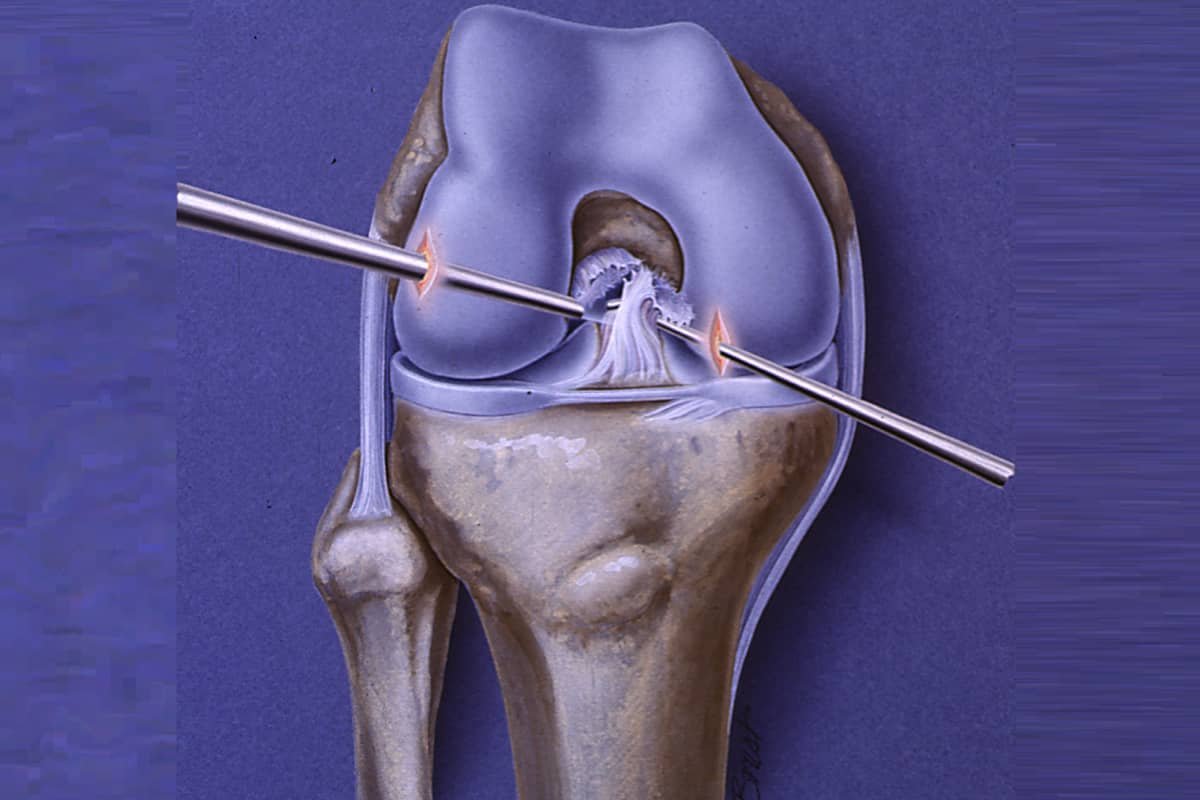
Cartilage wear, meniscus degeneration, runner's or patellofemoral pain.
Deep groin pain, stiffness with walking or bending, labral fraying.
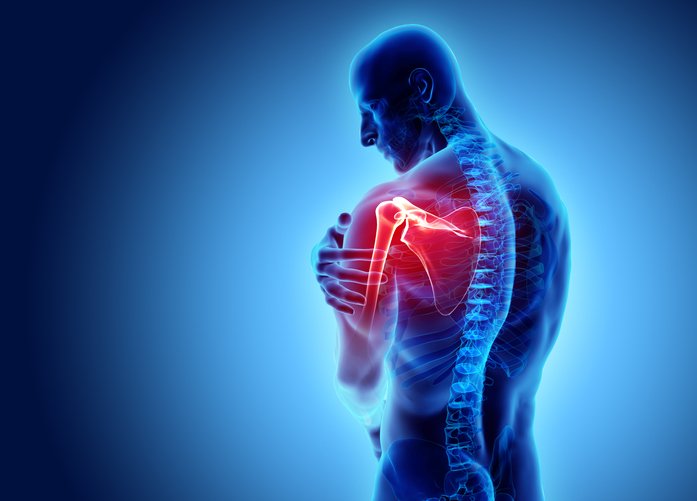
Rotator cuff impingement, frozen shoulder, AC joint arthritis.
Chronic neck and lower-back stiffness, sometimes radiating into limbs.
Post-sprain inflammation, subtalar wear, morning heel or arch pain.
Thumb-base arthritis, finger swelling and reduced grip strength.
Types & Manifestations of Chronic Joint Inflammation
Chronic joint inflammation doesn't look the same in every patient. It can stem from mechanical wear, past trauma, systemic autoimmune disease, or a combination of all three. Understanding which pattern applies to you is the first step toward the right treatment plan.
Osteoarthritis
Knee, hip, hand, spineDegenerative “wear and tear” arthritis; loss of cushioning cartilage may cause bone-on-bone friction.
Post-Traumatic Arthritis
Any joint with a prior injuryInflammation and cartilage breakdown following fractures, ligament tears or sports trauma.
Inflammatory & Autoimmune Arthropathies
Hands, wrists, knees, multiple jointsIncludes rheumatoid and psoriatic arthritis; coordinated rheumatology care is often needed.
Chronic Synovitis & Bursitis
Knee, hip, shoulder, elbowInflammation of the synovial lining or lubricating bursal sacs around the joint.
Tendinopathy-Induced Joint Strain
Shoulder, elbow, knee, ankleTendon inflammation and micro-degeneration that alter joint mechanics and cause secondary pain.
Gout & Crystal Arthropathies
Big toe, ankle, kneeUric acid crystals in joint spaces, causing sudden, intensely painful inflammatory flare-ups.
Weight-Bearing Joint Degeneration
Knee and hip: cumulative load, cartilage thinning and biomechanical strain.
Upper Limb & Rotational Inflammation
Shoulder and elbow: overhead activity, rotator cuff strain and joint-specific care.
Post-Injury Chronic Joint Wear
Prior fractures, ligament injuries or surgery with ongoing inflammatory changes.
Causes & Risk Factors
Patients frequently ask “what causes joint pain?” and “what causes joint inflammation?” Chronic joint pain rarely has only one cause; it typically develops from mechanical, metabolic and lifestyle contributors over time.

Small stresses compound — accurate care begins with why they occur.
Mechanical Overload & Repetitive Microtrauma
Occupational standing, lifting, kneeling and repeated athletic impacts gradually wear down joint surfaces faster than they can recover.
Cumulative Age-Related Cartilage Thinning
Age-related cartilage and joint-fluid changes can make joints more vulnerable to friction and irritation.
Excess Body Weight & Metabolic Stress
Extra weight increases loading while inflammatory chemicals released by fat tissue can worsen inflammation.
Previous Sports Injuries & Ligament Instability
Old ACL tears and ankle sprains may leave joints mechanically unstable and prone to accelerated wear.
Muscle Imbalances & Poor Biomechanics
Weak glutes, rotator cuff and other stabilizing muscles can shift excess stress onto joint structures.
Systemic Chronic Inflammation
Metabolic syndrome, diet-related factors and autoimmune triggers may keep inflammatory pathways active.
Non-Surgical Treatment Options for Joint Pain & Inflammation
Dr. Ahmed Azmy builds every treatment plan as a stepwise ladder — starting with the least invasive options and escalating only as needed, aiming to preserve your natural joint for as long as possible.
Precision-guided, condition-specific care
Injection therapies are considered in the context of the diagnosis, expected benefit, limitations, response to rehabilitation and long-term joint goals.
Physical Therapy & Bracing
Strengthens supporting muscles and redistributes load; suited to early inflammation and biomechanical imbalance. Usually no procedural downtime.
Corticosteroid Injection
Localized suppression of inflammation, generally for flares and short-term relief; typically minimal downtime.
Viscosupplementation (HA)
Supports joint lubrication and shock absorption in selected osteoarthritis cases; downtime usually a few days.
PRP Therapy
Uses platelet-rich plasma and growth factors in selected early-to-moderate degenerative joint conditions.
Stem Cell / Orthobiologic Therapy
Advanced cellular approaches discussed for complex cartilage wear; eligibility and evidence require clinical review.
Radiofrequency Ablation (RFA)
Targets sensory pain pathways for selected chronic facet-joint or nerve-driven pain cases.
Joint Replacement Surgery
Reserved for severe end-stage joint collapse when appropriate conservative options are insufficient.
| Treatment Modality | Mechanism of Action | Best Suited For | Downtime |
|---|---|---|---|
| Physical Therapy & Bracing | Strengthens muscles, redistributes joint load. | Early inflammation, biomechanical imbalance. | None |
| Corticosteroid Injection | Rapid localized suppression of inflammation. | Acute flare-ups, short-term relief. | Minimal (1–2 days) |
| Viscosupplementation (HA) | Restores or supports joint lubrication and shock absorption. | Moderate osteoarthritis, cartilage-related friction. | Minimal (few days) |
| PRP Therapy | Uses growth factors from concentrated platelets to influence tissue response. | Selected early-to-moderate joint degeneration. | Minimal (1–3 days) |
| Stem Cell / Orthobiologic Therapy | Cellular or biological approaches under specialist evaluation. | Selected complex cartilage wear cases. | Minimal (few days) |
| Radiofrequency Ablation | Interrupts selected sensory pain-nerve signals. | Chronic facet-joint or nerve-driven pain. | Minimal (few days) |
| Joint Replacement Surgery | Removes and replaces damaged joint surfaces. | Severe end-stage joint collapse. | Weeks to months |
Care options tailored to the diagnosis
Platelet-Rich Plasma (PRP) Therapy
Concentrated growth factors drawn from a patient's own blood, used to influence inflammation and tissue response in selected conditions.
Viscosupplementation / Hyaluronic Acid
Intra-articular treatment designed to supplement lubrication and reduce painful friction in suitable patients.
Ultrasound-Guided Corticosteroid Injections
Localized management of synovial flare-ups with real-time ultrasound imaging for targeted placement.
Cellular / Stem Cell Therapies
Advanced orthobiologic options considered for cartilage degeneration; suitability, availability and evidence require careful discussion.
Radiofrequency Ablation / Genicular Nerve Blocks
Interrupts selected sensory nerve signals in chronic knee or facet-joint pain when clinically indicated.
Biomechanical Unloading & Custom Bracing
Redistributes weight away from affected joint compartments while other therapies take effect.
Therapeutic Exercises for Chronic Joint Pain
The old advice to “just rest a bad joint” is outdated. Modern rehabilitation often follows the principle that motion is lotion: controlled, appropriate movement helps preserve mobility and reduces muscle weakness.
Strengthens knee and hip stabilizers without excessive joint movement or friction.
Recumbent cycling, water aerobics and gentle heel slides help maintain mobility safely.
Relieves tension that may pull on knee and lower-back structures.
Supports shoulder stability and helps reduce impingement-related pain.
Avoid high-impact activity, jumping and deep loaded lunges during active joint inflammation; these may aggravate swelling and pain. Follow the exercise progression advised by your clinical team.

Why Choose Dr. Ahmed Azmy in Sharjah?
Dr. Ahmed Azmy brings the expertise and precision your joints deserve, with care focused on lasting results rather than only short-term relief.
- German fellowship training with experience in minimally invasive and regenerative orthopedics.
- Commitment to joint preservation: considering non-surgical treatment where appropriate before joint replacement.
- Ultrasound-guided joint injection options and individualized rehabilitation strategies.
Start Your Path to Pain-Free Movement
Chronic joint pain doesn't have to define your daily life. Book a consultation with Dr. Ahmed Azmy in Sharjah for a personalized, non-surgical treatment plan built around your joints and your goals.
Related Conditions & Non-Surgical Procedures
Non-Surgical Orthopedic Treatments
Explore the full range of non-invasive joint-care options.
Visit treatment hub ↗PRP Therapy for Joint & Sports Injuries
Regenerative injection options aimed at supporting healing in selected cases.
Ask about PRP ↗
Stem Cell Therapy in Orthopedics
Advanced cellular approaches considered for complex joint conditions.
Ask about eligibility ↗Injection Therapy
Image-guided care for pain and inflammation when clinically indicated.
Ask about injections ↗