
Orthopedic PRP Therapy for Joint & Tendon Pain in Sharjah
Surgeon-led, ultrasound-guided PRP injections for arthritis, tendon wear and chronic joint pain in Sharjah, Ajman and the wider UAE.
Part of our Non-Surgical Orthopedic Treatments.
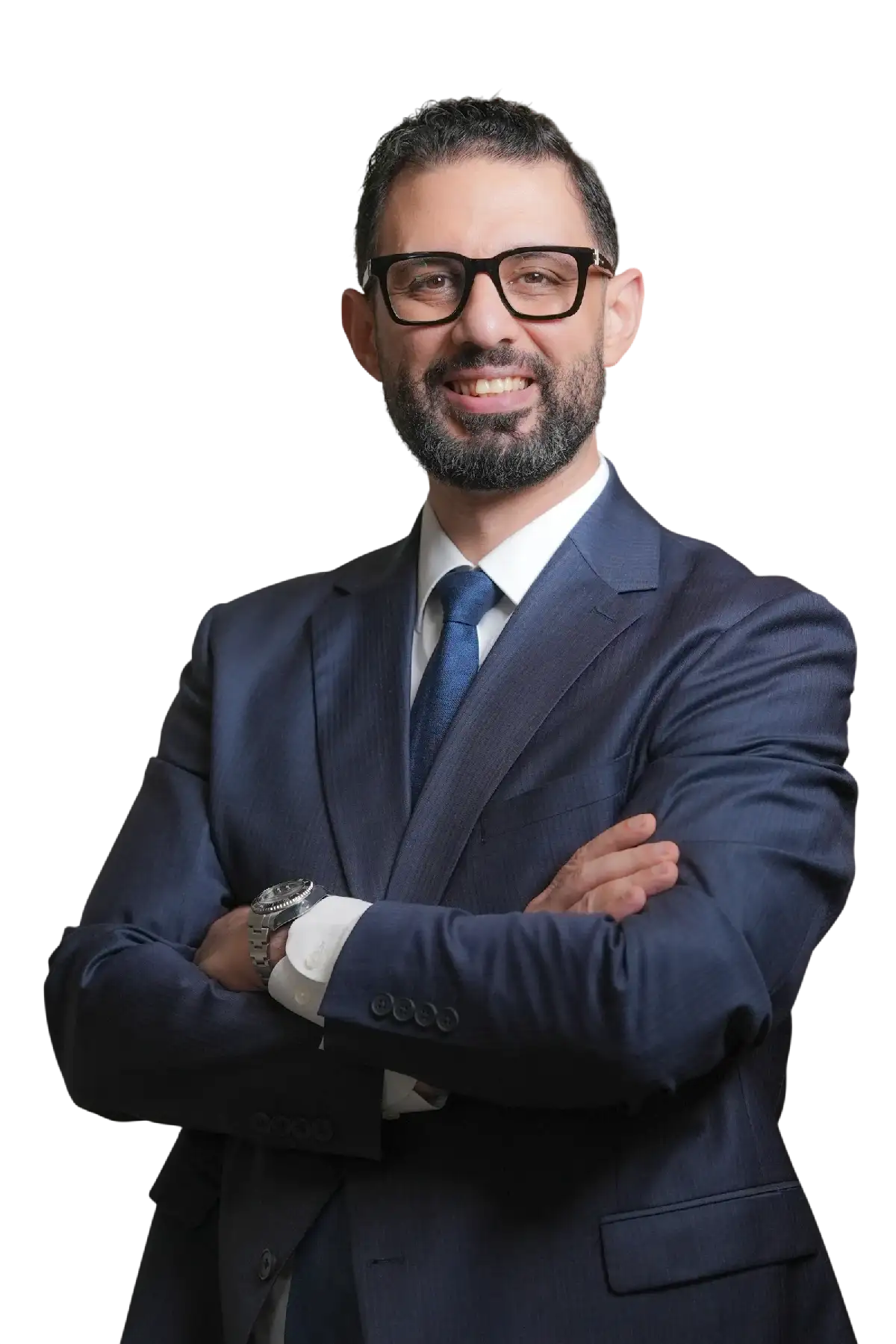
Orthopedic and sports medicine expertise
Care that treats you like family
Live imaging to guide injection placement
No incision, home the same day
What Is Orthopedic PRP (Platelet-Rich Plasma) Therapy?
PRP therapy in orthopedics uses your own platelets to support the healing environment in worn joints and tendons. A small sample of your blood is concentrated and injected into the selected painful joint or tendon. It is a non-surgical, minimally invasive option for selected cases of ongoing joint and soft tissue pain.
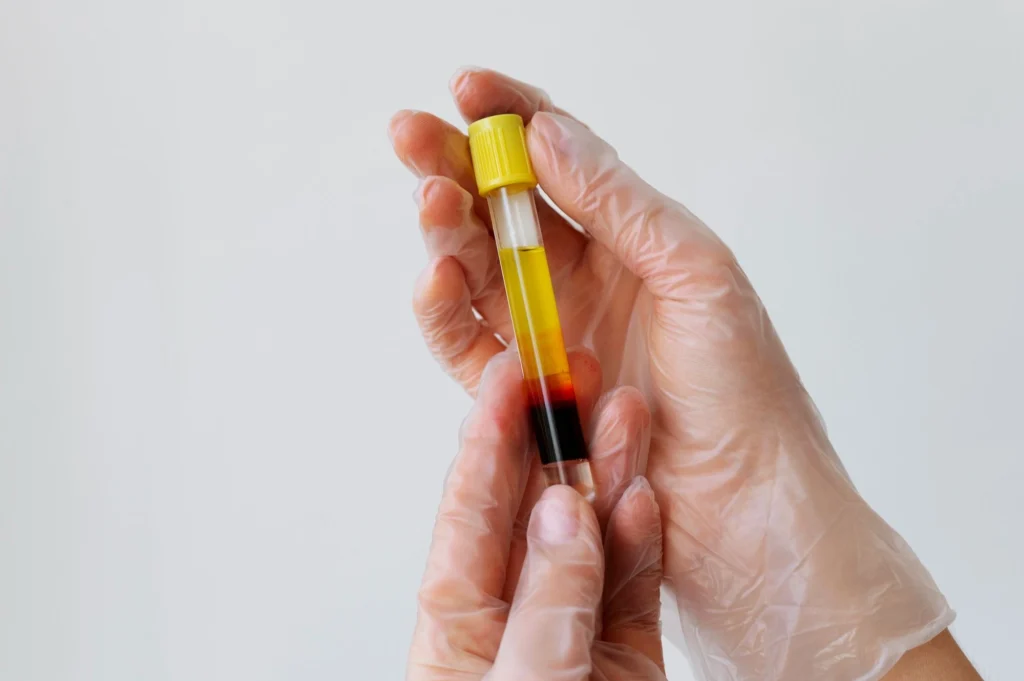 Platelet-rich plasma
A more targeted approach.
How it works
Your platelets carry growth factors, natural signals involved in the body’s repair response. We concentrate these platelets and inject them where treatment is indicated. The goal is to support the healing environment and ease pain, so you move more comfortably.
What to realistically expect
Evidence is most encouraging for pain and function in early-to-moderate knee osteoarthritis and some chronic tendon problems, particularly tennis elbow. Response varies by condition and patient. PRP does not rebuild a worn-out joint.
Draw
A small blood sample from your arm.
Concentrate
Spun to concentrate your platelets.
Targeted application
Injected under ultrasound guidance.
Want the deeper science? Read our guide to orthopedic PRP injections.
PRP Therapy for Joint Pain: How It Helps
Joint pain that lingers for weeks or months is often linked to wear, inflammation or irritated tissue around the joint. PRP therapy for joint pain uses concentrated platelets from your own blood to support the joint’s healing environment. It is a non-surgical option for selected patients seeking symptom relief and better movement.

How PRP may ease joint pain
Growth factors in PRP are involved in regulating inflammation and the repair response. Over several weeks, some patients notice less pain and stiffness and move more comfortably. Relief builds gradually rather than overnight, and results vary by patient and condition.
When PRP is worth considering
PRP is usually considered when pain persists and rest, medication or physiotherapy have not given enough relief. It suits selected cases of early-to-moderate wear best. Dr. Azmy will tell you honestly whether it fits your case.
Joints We Treat with PRP
Knee
Arthritis-related stiffness and pain with walking or stairs
Shoulder
Pain with overhead movement from irritated rotator cuff tendons
Hip
Groin or outer-hip pain from early wear or bursitis
Elbow
Tennis elbow and golfer’s elbow
Ankle & foot
Achilles tendinitis and plantar fasciitis
Not sure what is behind your pain? Read about chronic joint pain and inflammation.
Joint and Tendon Conditions We Treat with PRP Therapy
Orthopedic PRP may be considered when tissue is worn or irritated but still able to respond. Dr. Azmy will tell you honestly whether it suits your case.
 Knee & cartilage
Knee Osteoarthritis & Cartilage Wear
Morning stiffness, aching after walking, trouble with stairs, or pain that wakes you at night. Orthopedic PRP is best suited to early-to-moderate arthritis, where the joint can still respond. It aims to ease pain and improve movement. It does not regrow worn cartilage.
Chronic Joint Pain & Inflammation Shoulder & tendons
Chronic Shoulder Pain & Rotator Cuff Tendinopathy
Pain when lifting your arm, reaching overhead or lying on the affected side, caused by worn or irritated rotator cuff tendons. PRP may be considered for selected tendon problems; the evidence and expected benefit depend on the diagnosis. An assessment and imaging confirm the true source first.
Hip Joint Pain & Bursitis
Aching in the groin, buttock or outer hip that makes walking, sitting or sleeping on your side uncomfortable. It often comes from early joint wear or an inflamed bursa, the fluid-filled cushion beside the joint. Ultrasound-guided PRP can be considered in selected cases once your diagnosis is clear, with a discussion of the evidence and other options.
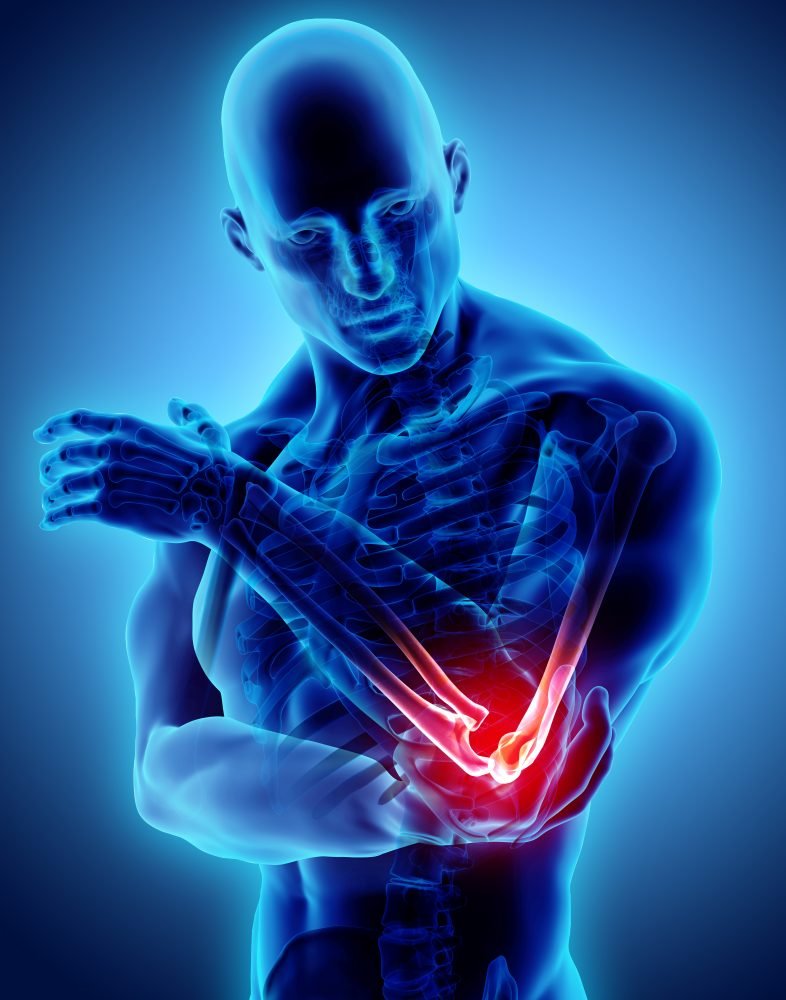 Tendon & ligament care
Chronic Tendonitis & Ligament Strain
Tennis elbow, golfer’s elbow, Achilles tendinitis and plantar fasciitis that haven’t settled with rest, bracing or physiotherapy. Tendons often recover slowly. PRP delivers concentrated platelets to the selected treatment area alongside a guided rehab plan. Evidence varies by condition, so an individual assessment comes first.
The Orthopedic PRP Procedure: 4 Simple Steps
The orthopedic PRP procedure is short and straightforward, and it starts with a proper diagnosis. Here is what happens at each stage, so you know what to expect before you walk in.
plateletsA preparation
made for you
Follow each stage as you scroll.
- Step 01
Precise Diagnosis & Imaging
We start with a detailed history and physical exam, supported by ultrasound or advanced imaging, to find the true source of your pain. We review what you have already tried, such as rest, medication and physiotherapy. PRP is recommended only if it fits your condition. If it doesn’t, Dr. Azmy will tell you plainly.
- Step 02
Quick Blood Draw
A small sample of your own blood is taken from your arm, much like a routine blood test. It takes only a few minutes and needs no hospital stay. You will receive any preparation instructions before your visit. The PRP is prepared from your own blood.
- Step 03
Concentrating Your Platelets
Your blood sample is spun in a medical-grade centrifuge to separate the platelet-rich plasma from the other blood components. This concentrates the platelets and their natural growth factors into a preparation made fresh during your visit and ready within minutes.
- Step 04
Ultrasound-Guided PRP Injection
After the area is cleaned, with local anesthetic used where appropriate, Dr. Azmy uses live ultrasound to guide the needle to the joint space or tendon. This helps guide accurate placement and helps the PRP reach the tissue selected for treatment.
What to expect
- Session
- About 45–60 minutes in the clinic. The injection itself takes a few minutes.
- Recovery
- Home the same day. Soreness or stiffness for 1–3 days is common.
- Activity
- Light daily activity may resume within a day or two. Dr. Azmy will advise on pain relief, rest and when to restart exercise.
Orthopedic PRP vs. Cortisone Injections and Joint Surgery
Each option has its place. The right one depends on your diagnosis and how advanced the damage is.
Orthopedic PRP Therapy
Concentrated growth factors from your own blood aim to support the tissue’s healing environment and ease symptoms. PRP does not rebuild a worn-out joint.
Cortisone / Steroid Injection
Reduces inflammation and pain quickly, but does not repair the tissue underneath.
Joint Surgery
Physically corrects structural damage, such as replacing a joint or repairing a torn tendon or ligament.
Orthopedic PRP Therapy
Made from your own blood, so an allergic reaction is unlikely. Risks include temporary soreness, bleeding and, rarely, infection, as with any injection.
Cortisone / Steroid Injection
A medication, so repeat treatment is assessed carefully. Frequent injections in the same area may affect tendons or cartilage.
Joint Surgery
Carries anesthesia and surgical risks, including infection, bleeding and a longer, rehab-dependent recovery.
Orthopedic PRP Therapy
Usually minimal. You go home the same day, with soreness or stiffness for 1 to 3 days. Many people return to light daily activity within a day or two, as advised.
Cortisone / Steroid Injection
Usually minimal. Many people resume normal activity quickly, though the area may be sore for a day or two.
Joint Surgery
Weeks to months, depending on the procedure. May include a hospital stay, a period of limited movement and structured physiotherapy.
Orthopedic PRP Therapy
Gradual. Benefits may build over 6 to 12 weeks and may last months, but results vary by patient and condition.
Cortisone / Steroid Injection
Often quicker, within days, but relief may fade within weeks to a few months.
Joint Surgery
Can offer longer-term improvement for suitable structural problems when other options are no longer enough. Results depend on the procedure and patient.
Results vary. Orthopedic PRP does not guarantee that surgery will be avoided.
Is PRP Therapy Right for Your Joint or Tendon Pain?
Orthopedic PRP helps most when the joint or tendon is worn or irritated but can still respond. Here is a quick guide to who may benefit, and when another option may serve you better. Dr. Azmy will confirm which applies to you after a personal assessment.
Ideal candidate
- Joint or tendon pain lasting more than a few weeks, affecting walking, sleep, work or sport
- Early-to-moderate osteoarthritis or chronic tendon wear, where the tissue can still respond to treatment
- Limited relief from rest, anti-inflammatory medication or physiotherapy
- You want to try non-surgical care before considering surgery, or hope to delay it
- You prefer an approach that uses your own blood and has no implants
When surgery may be the better choice
- Advanced “bone-on-bone” arthritis, where the cartilage is largely gone and PRP is unlikely to give meaningful relief
- Complete tendon or ligament tears that need surgical assessment to determine the best way to restore function
- Unstable joints or mechanical blockage, such as a locked knee or a loose fragment, that injections cannot correct
- Severe deformity or pain that no longer responds to non-surgical care
Dr. Azmy will always tell you plainly if surgery is the better path.
Book a Consultation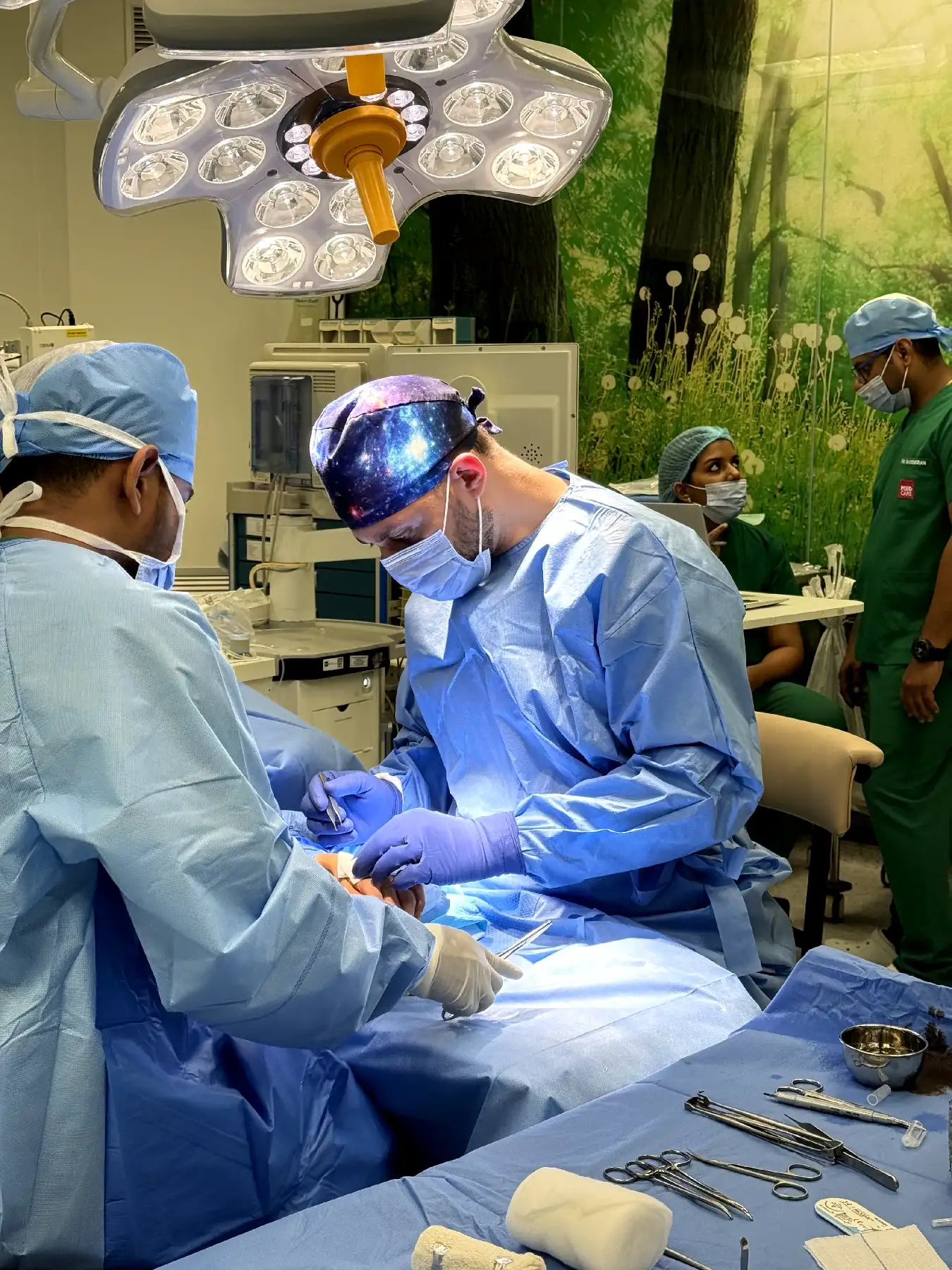
Personal attention.
Why Choose an Orthopedic Surgeon for PRP Therapy in Sharjah?
Regenerative injections should be guided by a clinician who understands the joint, the diagnosis and the available evidence. Your plan begins with a careful assessment and a clear conversation about your options.
What You Can Expect From Your Care
Surgeon-Level Precision
Years of operating on joints and tendons mean Dr. Azmy knows the anatomy inside out. That helps him plan and deliver PRP to the selected joint space or tendon, with a precise diagnosis guiding the treatment.
Live Ultrasound Guidance
Real-time ultrasound lets Dr. Azmy see the needle as it moves, so the PRP can be placed accurately. Imaging guides placement rather than relying on touch alone.
An Honest Opinion
We recommend PRP only when it has a reasonable prospect of helping. If surgery or another treatment is the better route, Dr. Azmy will tell you plainly, so you can decide with clear information and no pressure.
Rehab That Protects Your Results
Your plan includes physiotherapy guidance, covering safe movement, strengthening and when to return to exercise. Good rehab supports your joint or tendon and helps you work toward better function.
Orthopedic PRP Therapy FAQs
Understand your options, what the visit involves and what recovery may look like.
Speak with our teamHow many orthopedic PRP sessions are needed for joint pain?
It depends on your condition, how long you’ve had symptoms and which joint or tendon is treated. Many patients receive 1 to 3 injections, spaced a few weeks apart. Dr. Azmy will set your plan after your assessment and review your progress along the way, so you only have the sessions you need.
Is an orthopedic PRP injection painful?
Most patients feel discomfort similar to other joint injections. Local anesthetic may be used where appropriate, and ultrasound guidance helps place the needle accurately. Injections into tendons or deep joints can feel more intense. Soreness or stiffness for a few days is common and usually settles on its own.
Is PRP therapy good for joint pain?
It may help selected patients with early-to-moderate knee osteoarthritis and certain chronic tendon problems. Evidence and response vary by condition. Symptom relief is usually gradual. PRP does not rebuild a worn-out joint, and Dr. Azmy will tell you honestly whether it suits you.
What is the difference between orthopedic PRP and Stem Cell Therapy?
PRP uses concentrated platelets from your own blood. Stem cell or cell-based therapies use different biological materials and have different evidence and safety considerations. Evidence of benefit for many orthopedic conditions remains limited; they are not an established way to regrow a worn-out joint. Dr. Azmy will discuss the available evidence, risks and appropriate options for your diagnosis.
How much does orthopedic PRP therapy cost in Sharjah, UAE?
Cost is confirmed at consultation because it depends on the joint treated, whether it’s a single- or multi-joint protocol, and the number of sessions. Insurance coverage varies by provider and plan, and our team can help you check before you begin, so you know what to expect.
Can orthopedic PRP help me avoid knee or shoulder replacement surgery?
In suitable early-to-moderate cases, PRP may help ease symptoms and postpone a decision about surgery. It cannot reverse advanced damage, and we can’t promise to avoid surgery. Your assessment will show where you stand, and Dr. Azmy will tell you plainly if surgery is the better path.
Related Conditions & Procedures
Explore other ways we care for joint and soft tissue pain without surgery.
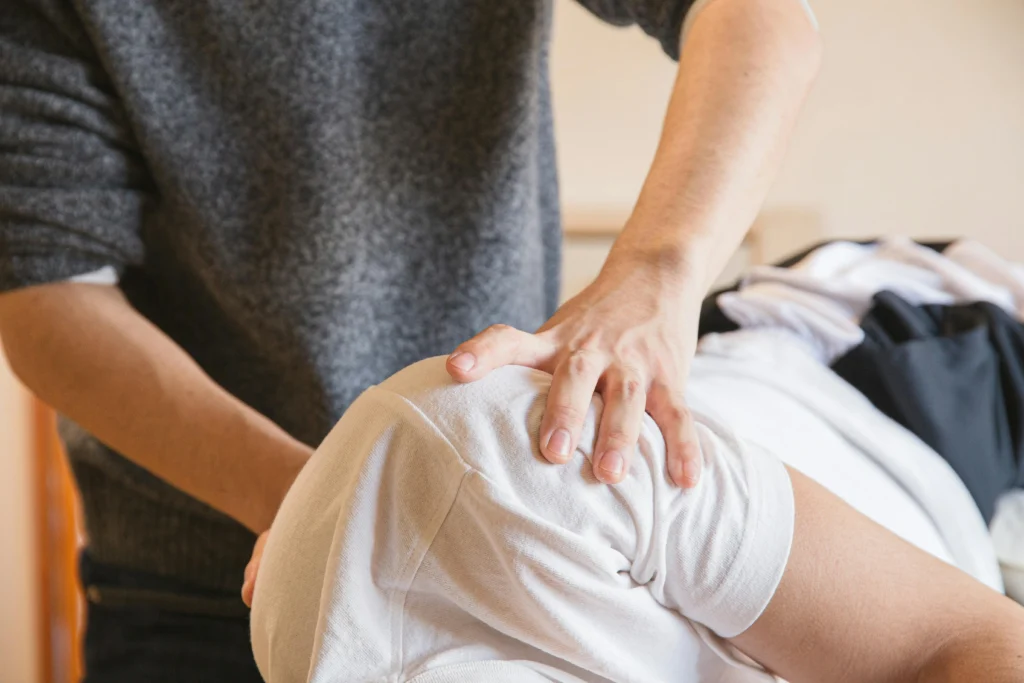
Chronic Joint Pain & Inflammation
Understand what causes ongoing joint pain and stiffness, and how we assess and treat it without surgery.
Learn more
Stem Cell Therapy
Cell-based therapies are different from PRP. Discuss the evidence, risks and suitable alternatives with Dr. Azmy.
Discuss this option
Injection Therapy
Targeted joint and soft tissue injections to ease pain and inflammation, chosen after a precise diagnosis.
Ask about injection therapyReady to move with confidence again?
Take the first step toward lasting joint relief. Dr. Azmy and our team will listen, assess and guide you, because you are family.